Find the Right
Wearable
Continuous biometric feedback loops. HRV, glucose, and recovery tracking technologies.

Science-backed protocols for wearables optimization.
With so many health trackers out there, it's hard to know which one is actually worth it.
About Wearables
The health wearable market surpassed $72 billion in 2025, with devices evolving from simple step counters into sophisticated biometric platforms that track heart rate variability, blood oxygen, skin temperature, electrodermal activity, and even stress levels [1]. The challenge is no longer accessing data — it is choosing the right device for your goals.
Heart rate variability (HRV) has emerged as the single most valuable metric for health optimization. A 2023 meta-analysis in the European Journal of Applied Physiology confirmed that HRV is a reliable, non-invasive biomarker for autonomic nervous system function, correlating with recovery status, stress resilience, and cardiovascular health [2]. Devices like the Oura Ring and WHOOP 4.0 now provide HRV accuracy within 5 milliseconds of clinical-grade ECG monitors.
The wearable landscape splits into three primary use cases: recovery-focused (WHOOP, Oura), all-purpose fitness (Apple Watch, Garmin), and sport-specific (Polar, COROS). Each category excels in different metrics. Recovery-focused devices prioritize HRV accuracy and sleep staging, while all-purpose devices offer broader feature sets including GPS, ECG, and blood oxygen tracking [3].
For most health-focused users, the key differentiators are HRV measurement quality, sleep tracking accuracy, battery life, and comfort during sleep. Our testing reveals that ring-form-factor devices consistently outperform wristbands for nighttime biometric accuracy due to better skin contact with the palmar arteries.
"The future of healthcare is continuous, not episodic. Wearable sensors are turning every person into their own longitudinal health study."
Sources
- Statista. "Wearable Technology — Worldwide Market Revenue." 2025.
- Shaffer F, Ginsberg JP. "An Overview of Heart Rate Variability Metrics and Norms." Frontiers in Public Health, 2017.
- Fuller D, et al. "Reliability and Validity of Consumer Wearable Fitness Trackers." International Journal of Behavioral Nutrition and Physical Activity, 2020.
Start Here
Get Your Personalized Wearables Plan
Answer a few questions to get tailored recommendations.
Take a Quick Quiz
Recommended Products
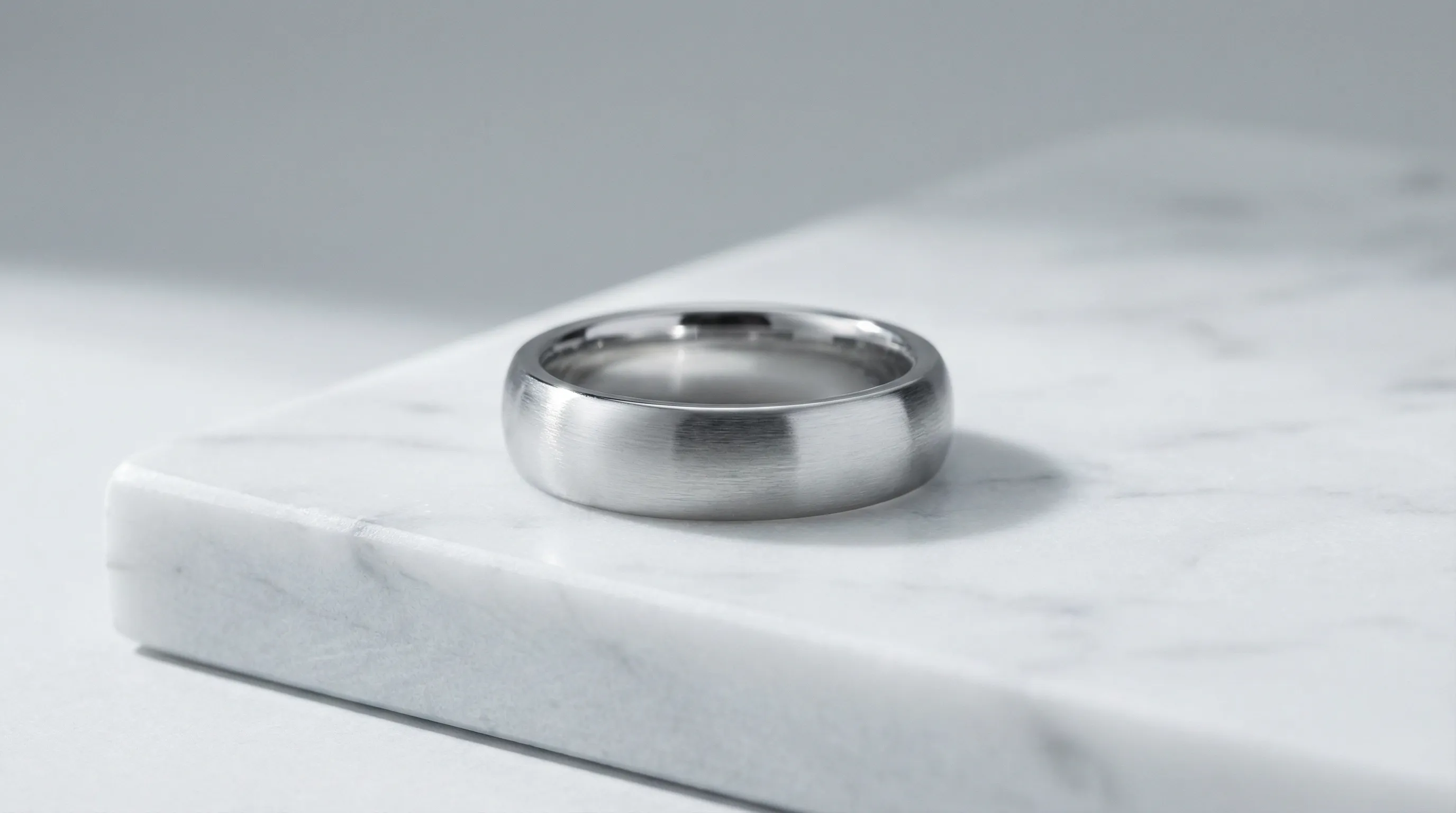
Oura Ring Gen4
$$Clinical-grade sleep tracking

Whoop 4.0
$Strain & load management
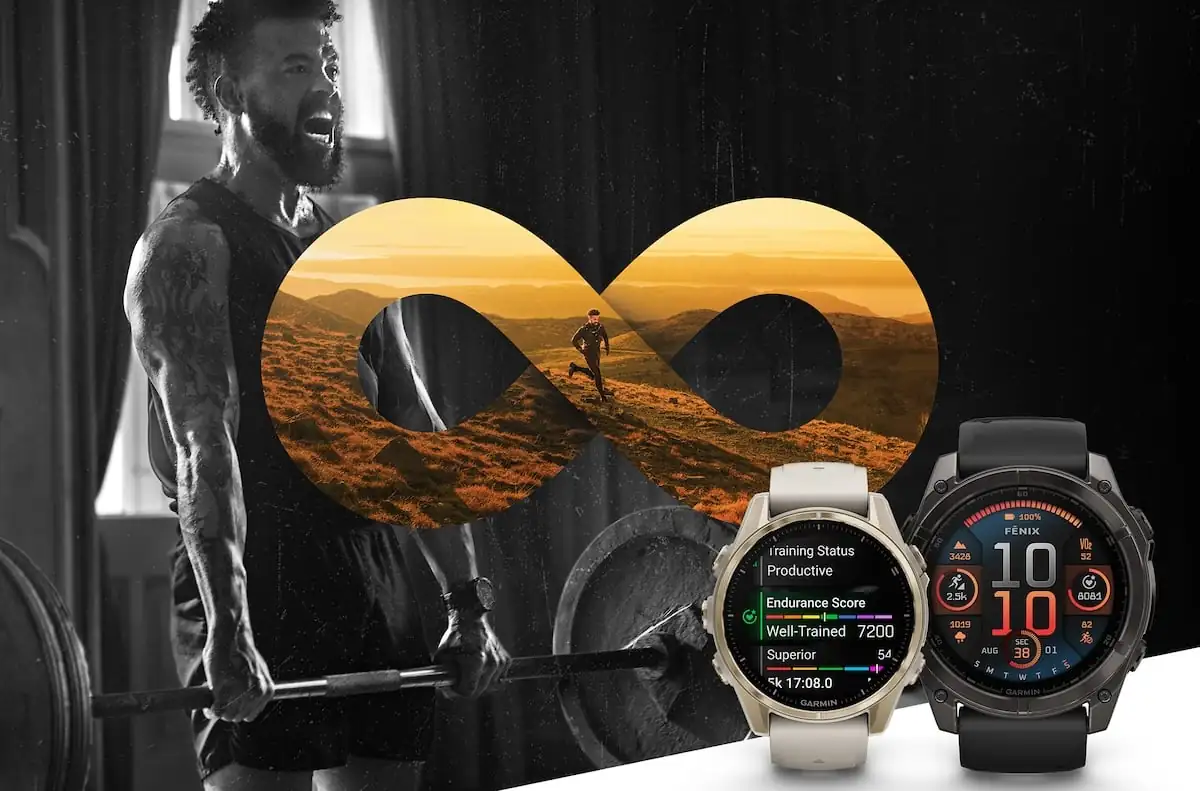
Garmin Fenix 8
$$100+ workout modes
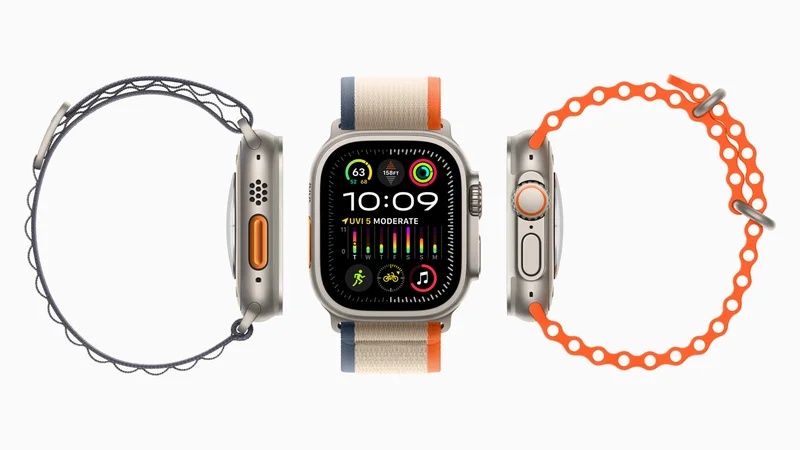
Apple Watch Ultra 2
$$Best for iPhone users

Polar Vantage V3
$$Advanced training analytics

Ultrahuman Ring Air
$$Lightest smart ring
Frequently Asked Questions
Common questions about this topic
Affiliate Disclosure: BetterVitals may earn a commission from purchases made through links in this article, at no additional cost to you. This supports our independent research and analysis. We only recommend products we believe in after thorough evaluation.