How to Start Biohacking: A Beginner's Guide That Won't Waste Your Time or Money
Key Takeaway
There's a guy named Bryan Johnson who spends roughly $2 million a year trying to reverse his aging. He takes 100+ pills daily, sleeps with sensors covering his body, and gets his blood plasma swapped out regularly.
Affiliate Disclosure: BetterVitals may earn a commission from purchases made through links in this article, at no additional cost to you. This supports our independent research and analysis. We only recommend products we believe in after thorough evaluation.
Medical Disclaimer
This article is for educational purposes only and is not a substitute for professional medical advice, diagnosis, or treatment. Always consult your healthcare provider before making health decisions.
How to Start Biohacking: A Beginner's Guide That Won't Waste Your Time or Money
There's a guy named Bryan Johnson who spends roughly $2 million a year trying to reverse his aging. He takes 100+ pills daily, sleeps with sensors covering his body, and gets his blood plasma swapped out regularly.
That's biohacking. But it's also the extreme end of biohacking — like saying Formula 1 represents "driving."
Here's what biohacking actually is for the rest of us: using data and small, deliberate changes to improve how your body performs. Sleep better. Think clearer. Have more energy. Maybe add some healthy years to your life.
The best part? The stuff that works best is mostly free. And you can start today.
I've spent the last three years testing dozens of biohacking tools and practices — from $5 supplements to $400 wearables. This guide ranks the 10 highest-impact methods by ROI, starting with what costs nothing and working up to the gear that's genuinely worth the investment.
The quick version: Fix your sleep first. Walk after meals. Lift heavy things. Track what matters. Everything else is bonus.
What Biohacking Actually Means (Without the Buzzwords)
Biohacking is the practice of making intentional changes to your lifestyle, diet, and environment — then measuring the results to see what works.
It sits on a spectrum:
- Beginner: Optimizing sleep, movement, nutrition, and stress with intention
- Intermediate: Using wearables, glucose monitors, and targeted supplements to track biomarkers
- Advanced: Peptides, hyperbaric oxygen, red light therapy, and experimental protocols
Most people get 80% of the results from the beginner tier. They just need to do those things deliberately and consistently instead of winging it.
The mindset shift that separates biohacking from regular health advice: measure → experiment → adjust. Instead of following generic recommendations, you use your own data to figure out what works for your body.
That's it. No lab required. No guru required.
1. Fix Your Sleep (The Single Highest-ROI Biohack)
If you only do one thing from this entire guide, do this.
A 2010 meta-analysis published in Sleep (Cappuccio et al.) analyzed data from over 1.3 million participants and found that consistently sleeping fewer than 7 hours per night increased all-cause mortality risk by 12%. That's not a marginal effect — that's in the same ballpark as smoking's impact on specific diseases.
Sleep affects your cognitive performance, hormone balance, immune function, metabolic health, and how long you'll live. And yet most people treat it as the thing that gets squeezed when life gets busy.
What to do this week:
- Set your bedroom to 65–68°F (18–20°C). Your core temperature needs to drop for deep sleep.
- Pick a wake-up time and keep it. Yes, even on weekends. Consistency matters more than total hours.
- Kill screens 45–60 minutes before bed. Or at minimum, use blue-light blockers.
- Get 10 minutes of sunlight within 30 minutes of waking. This resets your circadian clock.
- Cut caffeine after 1–2 PM. Caffeine's half-life is 5–6 hours, so that 3 PM coffee is still 50% active at 9 PM.
When you're ready to level up: A sleep tracker like the Oura Ring or Whoop shows you exactly how much deep sleep and REM you're getting. You can't improve what you don't measure — and most people are shocked by how bad their sleep actually is once they see the data.
→ Related: The Complete Sleep Optimization Guide
2. Walk After You Eat
This is the most underrated biohack in existence, and it costs nothing.
A 2022 meta-analysis by Buffey et al. in Sports Medicine found that a 10–15 minute walk after eating reduces your post-meal blood sugar spike by 30–50%. Over months and years, that adds up to dramatically better metabolic health, more stable energy, and less fat storage.
The mechanism is straightforward: walking activates your muscles, which pull glucose from your bloodstream without needing extra insulin. It's a free metabolic upgrade that takes 10 minutes.
How to start:
- Walk for 10 minutes after your largest meal of the day
- Slow walking works fine — you don't need to power walk
- Can't walk? Even standing beats sitting
I started doing this after tracking my glucose with a CGM, and the difference was so obvious I couldn't ignore it. My post-lunch glucose spike dropped from 45 mg/dL to about 20 mg/dL just from a 12-minute walk.
3. Do Zone 2 Cardio (The Longevity Exercise)
Zone 2 is low-intensity exercise where you can hold a conversation — easy jogging, cycling, or brisk walking. It's boring. Longevity physician Peter Attia calls it the single most important exercise modality for living longer.
Why it matters:
- Builds mitochondrial density and efficiency (San-Millán & Brooks, 2018, Sports Medicine)
- Improves metabolic flexibility — your body's ability to switch between burning fat and carbs
- Strengthens your cardiovascular system without the stress and injury risk of high-intensity work
- Directly improves VO2 max when paired with occasional higher-intensity sessions
The prescription: 3–4 sessions per week, 30–60 minutes each. Keep your heart rate in Zone 2, which is roughly 60–70% of your max heart rate. The talk test works: if you can talk in full sentences but couldn't sing, you're in the zone.
Walking on an incline treadmill absolutely counts. So does easy cycling. The bar is lower than you think.
4. Try Cold Exposure
Cold showers and ice baths trigger a real physiological response — this isn't just machismo.
Šrámek et al. (2000) published in European Journal of Applied Physiology showed that cold water immersion increases norepinephrine by 200–300%. That's a massive boost to focus, mood, and alertness that lasts for hours.
Other documented benefits:
- Activates brown fat, which burns calories to generate heat
- Reduces systemic inflammation
- Builds genuine mental resilience over time (the "I can do hard things" effect)
How to start:
- End your shower with 30 seconds of cold water. Just 30 seconds.
- Over weeks, build to 1–2 minutes
- Huberman's recommendation: aim for 11 minutes of total deliberate cold exposure per week, spread across sessions
One thing to watch: Cold exposure after strength training may blunt the hypertrophy response. If you lifted heavy, save the cold for later or for rest days. After cardio is fine.
5. Track Your Heart Rate Variability
HRV — the variation in time between your heartbeats — is one of the best single metrics for overall health. Higher HRV generally means your nervous system is flexible and resilient. Lower HRV means your body is under stress.
What makes HRV so useful for biohackers: it responds to almost everything. Sleep quality, alcohol, exercise, stress, illness — HRV captures it all in one number. And it changes fast enough that you can run two-week experiments and see real results.
How to start:
- Get a wearable that tracks HRV overnight (morning spot-checks are too noisy)
- Don't compare your number to anyone else's. Your baseline is what matters.
- Watch the trend over weeks, not individual day readings
- Use it to validate whether your biohacks are actually working
Best tools: The Oura Ring and Whoop are the two best consumer devices for overnight HRV tracking.
→ Deep dive: What Is HRV and Why Does It Matter?
Browse All Products
Explore our evidence-based product reviews across every health category.
6. Get Your Vitamin D Tested (Then Fix It)
An estimated 42% of American adults are deficient in Vitamin D (Forrest & Stuhldreher, 2011, Nutrition Research). Deficiency is linked to increased risk of cardiovascular disease, depression, weakened immunity, and multiple types of cancer.
This is the rare case where a supplement is genuinely necessary for most people — especially if you live above 35°N latitude, work indoors, or have darker skin.
The action plan:
- Get a 25-hydroxy Vitamin D blood test. It's ~$30 through most labs.
- Optimal range: 40–60 ng/mL. Most people test between 15–30.
- Supplement with Vitamin D3 + K2. Typical dose: 2,000–5,000 IU daily.
- Take with food — it's fat-soluble, so absorption improves with a meal containing fat.
- K2 (MK-7 form) directs calcium to your bones instead of your arteries. Always pair them.
Don't guess. Test. It's cheap, it's fast, and the fix is a $15/month supplement.
7. Build a Basic Supplement Stack
Most supplements are overhyped and underdosed. But a few have strong evidence behind them, and they're cheap.
The evidence-based starter stack:
| Supplement | Dose | Why | Monthly Cost |
|---|---|---|---|
| Omega-3 (EPA/DHA) | 2–3g daily | Cardiovascular and brain health. Among the most studied supplements in existence. | ~$15 |
| Magnesium Glycinate | 200–400mg before bed | Sleep quality, muscle recovery, and stress. Most people are mildly deficient. | ~$10 |
| Creatine Monohydrate | 3–5g daily | Not just for muscles — a 2018 meta-analysis (Avgerinos et al.) found it improves cognitive function, especially under stress. | ~$8 |
| Vitamin D3 + K2 | 2,000–5,000 IU D3 + 100mcg K2 | See above. | ~$12 |
Rules I follow:
- Third-party tested only. Look for NSF Certified for Sport or USP verification.
- Introduce one supplement at a time, two weeks apart. Otherwise you have no idea what's doing what.
- Supplements don't fix a bad diet. They fill gaps in a good one.
What about NMN, resveratrol, and the longevity stuff? Promising but early. I take NMN and I think the NAD+ science is interesting, but I won't pretend we have long-term human data. Save these for after you've nailed the basics.
→ Related: Longevity Supplements That Actually Work
8. Use a Continuous Glucose Monitor (for 1–2 Months)
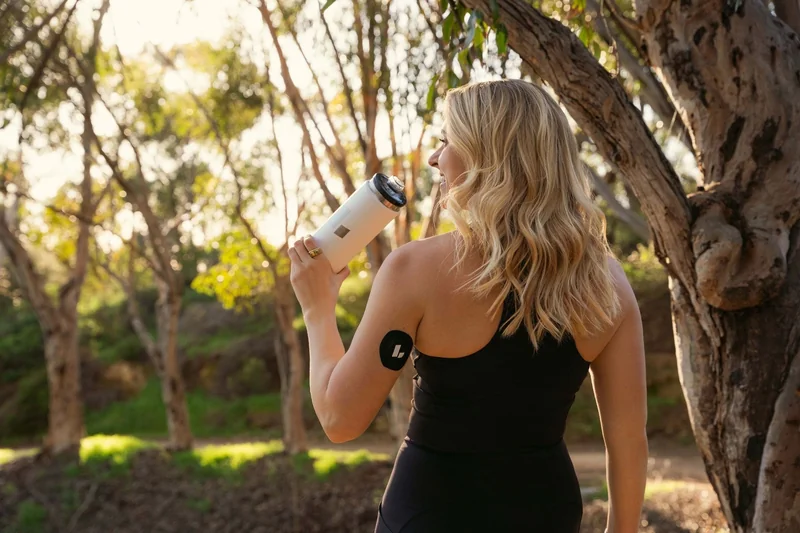
A CGM is a tiny sensor on your arm that tracks your blood sugar in real time. Originally designed for diabetics, it's become one of the most eye-opening biohacking tools for healthy people.
What you'll learn in your first month:
- Which foods spike your blood sugar. Individual responses vary wildly — white rice might spike you but not your partner.
- How exercise, sleep, and stress change your glucose patterns
- Whether your "healthy" breakfast is actually a glucose rollercoaster
- The dawn effect — why your fasting glucose rises before you even eat
You don't need to wear one forever. One to two months of data gives you patterns you'll remember for life. It's like getting X-ray vision into your metabolism, then putting the glasses away once you know what you're looking at.
Levels Health pairs the sensor with an app that scores your meals and shows metabolic insights without forcing you to count calories.
→ Related: Levels Health CGM Review
9. Add Recovery Tools
Recovery is where your body actually adapts and gets stronger. Train without recovering and you're just accumulating stress.
Percussion massage guns like the Theragun Pro have solid evidence behind them:
- Increase blood flow to muscle tissue
- Reduce delayed-onset muscle soreness (DOMS)
- Improve range of motion pre-workout
How to use one: 1–2 minutes per muscle group. Don't press hard — let the device do the work. Before workouts for activation, after for recovery.
For full-body recovery after long runs or heavy training days, compression boots like Therabody's RecoveryAir are a tier above — they use pneumatic compression to flush metabolic waste from your legs.
10. Measure Your Biological Age
Your chronological age is a calendar fact. Your biological age is how old your body actually is based on biomarkers — and it's the number that matters.
Ways to estimate it:
- Epigenetic clocks (TruAge, GrimAge): Blood test that measures DNA methylation patterns. The gold standard, around $300–500 per test.
- Blood panels (InsideTracker, Function Health): Track 40+ biomarkers including inflammation, lipids, hormones, and metabolic markers. More affordable and actionable.
- Fitness tests: VO2 max, grip strength, and single-leg balance are all strong predictors of longevity. Free.
- Wearable trends: A steadily rising HRV baseline and declining resting heart rate over months = real progress.
Biological age gives you a scoreboard. Without it, you're guessing whether your biohacking is working. With it, you have proof.
→ Related: Biological Age vs Chronological Age: How to Test Yours
Get smarter about health tech
Deal alerts, new reviews, and health tips — delivered weekly. No spam.
Unsubscribe anytime. We respect your inbox.
The 30-Day Biohacking Kickoff Plan
Don't try everything at once. That's a recipe for doing nothing well. Here's a month-by-month rollout:
Week 1 — Sleep: Lock in a consistent wake time. Cool your bedroom. No screens before bed. This alone will change how you feel.
Week 2 — Movement: Add a 10-minute post-meal walk after dinner. Start Zone 2 cardio 3x/week (even just incline walking).
Week 3 — Data: Get blood work done — at minimum, Vitamin D, metabolic panel, and lipids. Start your supplement stack based on results.
Week 4 — Tracking: Add a wearable (Oura or Whoop) or a CGM. Start observing your HRV and glucose patterns. Don't change anything yet — just watch.
Budget Tiers
| Tier | Monthly Cost | What You Get |
|---|---|---|
| Free | $0 | Sleep hygiene, walking, cold showers, Zone 2 cardio. This alone = massive improvements. |
| Basics | ~$45/mo | Add supplements: Omega-3, Magnesium, D3+K2, Creatine |
| Tracking | ~$200/mo | Add Oura Ring ($349 + $6/mo) or Whoop ($24–30/mo) |
| Full Stack | ~$400–500/mo | Add Levels CGM, Eight Sleep Pod Cover, recovery tools |
The person spending $0/month on sleep, walking, and cold showers will get better results than the person buying every gadget but sleeping 5 hours a night. The fundamentals aren't sexy, but they work.
Common Beginner Mistakes
Buying gear before fixing basics. An Oura Ring measuring terrible sleep doesn't make the sleep better. Fix the sleep first, then add the ring to optimize further.
Changing too many variables at once. You started cold showers, a new supplement, and Zone 2 all in the same week. Now your HRV is up 10 points. Great — but which thing did it? Change one variable at a time, minimum two weeks each.
Comparing yourself to influencers. That person on Instagram with a 90ms HRV and 2-hour morning routine doesn't have your job, your kids, or your stress. Compare yourself to your own baseline from 30 days ago.
Ignoring the boring stuff. Nobody posts Instagram stories about going to bed on time. But consistent sleep beats every supplement, gadget, and protocol combined.
FAQ
Is biohacking safe?
The basics — sleep, walking, exercise, supplements — are safe for almost everyone. More advanced practices (peptides, fasting protocols, cold exposure) have more nuance. Start with Tier 1 and work up. If you have a medical condition, talk to your doctor before adding anything new.
How much does biohacking cost?
Anywhere from $0 to as much as you want to spend. The most effective biohacks (sleep optimization, post-meal walks, Zone 2 cardio, cold showers) are completely free.
What's the difference between biohacking and just being healthy?
Intent and measurement. A healthy person might exercise regularly. A biohacker tracks their HRV to see how exercise affects their recovery, experiments with timing and intensity, and adjusts based on data. Same behavior, more deliberate.
What supplements do biohackers take?
The evidence-based starter stack: Omega-3 (2–3g), Magnesium Glycinate (200–400mg), Creatine (3–5g), and Vitamin D3+K2. Beyond that, NMN and collagen peptides are popular but have less long-term data.
Can biohacking help me lose weight?
Yes, indirectly. Fixing your sleep, managing your blood sugar (post-meal walks, CGM data), and building metabolic flexibility through Zone 2 cardio all contribute to healthier body composition. But biohacking isn't a weight loss program — it's a health optimization approach that often improves body composition as a side effect.
What to Read Next
Your biohacking foundation is sleep, movement, and data. These three guides go deeper on each:
→ What Is HRV and Why Does It Matter? — The single best metric to track → Oura Ring 4 vs Whoop: Which Should You Buy? — The two best wearables compared → Sleep Optimization Guide — The complete playbook for better sleep
Featured Products
Products mentioned in this article


Related Guides
More articles you might find helpful
Best Bed Cooling Systems 2026: Eight Sleep vs Cheaper Alternatives
**Disclosure:** Product CTAs on this page currently go to manufacturer sites (no affiliate tracking yet). Better Vitals may earn a commission once partner links are live — rankings and "skip if" calls won't change when we swap URLs. We only recommend gear we'd put on a shortlist for a specific type
Is the Oura Membership Worth It in 2026? (And How to Skip It)
*Updated July 2026*
Oura Ring Price in 2026: Every Model, Subscription & Real Total Cost
*Updated July 2026*
Written by
Steve Luu
Health optimization researcher and biohacker