Exercise for Longevity: The Programs That Actually Extend Lifespan
Key Takeaway
If you could only do one thing to live longer, it wouldn't be taking a supplement. It wouldn't be fasting. It wouldn't be cold plunging. It would be exercise.

Affiliate Disclosure: BetterVitals may earn a commission from purchases made through links in this article, at no additional cost to you. This supports our independent research and analysis. We only recommend products we believe in after thorough evaluation.
Medical Disclaimer
This article is for educational purposes only and is not a substitute for professional medical advice, diagnosis, or treatment. Always consult your healthcare provider before making health decisions.
Exercise for Longevity: The Programs That Actually Extend Lifespan
If you could only do one thing to live longer, it wouldn't be taking a supplement. It wouldn't be fasting. It wouldn't be cold plunging. It would be exercise.
That's not an opinion — it's what the data says. No pharmaceutical, no biohack, no dietary intervention comes close to the magnitude of mortality reduction that regular physical activity provides. We're talking about a 30-50% reduction in all-cause mortality for people who meet basic exercise guidelines. Nothing else in longevity science touches that number.
And yet, most people are doing it wrong. They're either not doing enough, doing too much of the wrong type, or ignoring entire categories of fitness that the research says matter enormously. The gym bro who only bench presses is leaving years on the table. So is the marathon runner who never touches a barbell. And the person doing neither — just walking their dog and calling it exercise — is in worse shape than they think.
Here's what the science actually says about which exercise protocols extend lifespan, how much you need, and how to structure a week that covers all the bases.
The Data: How Much Does Exercise Actually Extend Lifespan?
Let's start with the numbers, because they're staggering.
A landmark 2022 study published in JAMA Internal Medicine — analyzing over 100,000 adults followed for 30 years — found that people who performed 150-300 minutes of moderate activity per week had a 20-21% lower risk of all-cause mortality. Those who hit 150-300 minutes of vigorous activity saw a 21-23% reduction. And the people who combined both? Up to a 27% reduction.
But here's what makes this interesting: the benefits didn't plateau where the guidelines say they should. People who exercised 2-4x the recommended amount saw even greater reductions — up to 31% for vigorous activity. The "diminishing returns" narrative that public health messaging pushes is more conservative than the data warrants.
A 2011 Lancet study of over 400,000 Taiwanese adults found that just 15 minutes of moderate exercise per day — far below any official guideline — was associated with a 14% reduction in all-cause mortality and an increase of approximately 3 years of life expectancy. Every additional 15 minutes of daily exercise reduced mortality risk by another 4%.
The British Journal of Sports Medicine published a 2019 meta-analysis of 48 studies showing that higher levels of cardiorespiratory fitness were associated with a 45% lower risk of all-cause mortality compared to the least fit individuals. Forty-five percent. That's the kind of effect size that would make any drug company's stock price double overnight.
The bottom line on dosing: 150 minutes of moderate or 75 minutes of vigorous exercise per week is the minimum effective dose. But more is better — up to about 300-600 minutes of moderate activity per week before the curve truly flattens. The sweet spot for most people is probably 200-300 minutes per week of mixed-intensity exercise.
Zone 2 Training: The Longevity Sweet Spot
If there's a single exercise modality that longevity researchers have rallied around in recent years, it's Zone 2 cardio. Peter Attia has called it the foundation of his exercise framework. Iñigo San Millán — the physiologist who trains Tour de France cyclists and conducts metabolic research at the University of Colorado — has argued that it's the single most important type of exercise for metabolic health and longevity.
So what is Zone 2, exactly?
Zone 2 is the intensity at which you can still maintain a conversation, but it takes effort. You're working, but you're not gasping. Technically, it's the highest intensity at which your body can still primarily oxidize fat for fuel while clearing lactate at the rate it's being produced. Heart rate-wise, it's roughly 60-70% of your max heart rate, though this varies significantly between individuals.
Why it matters for longevity:
Mitochondrial density and function. Zone 2 training increases the number and efficiency of mitochondria in your muscle cells. Mitochondrial dysfunction is now considered one of the primary hallmarks of aging. More — and better-functioning — mitochondria mean more efficient energy production, less oxidative stress, and better cellular health. A 2017 study in Cell Metabolism by Robinson et al. demonstrated that high-intensity interval training (which shares some metabolic pathways with Zone 2) reversed age-related decline in mitochondrial function in older adults.
Fat oxidation. Zone 2 specifically trains your body to burn fat as fuel. This matters because metabolic inflexibility — the inability to switch between burning fat and glucose — is a hallmark of insulin resistance, type 2 diabetes, and metabolic syndrome. San Millán's research has shown that cancer cells and metabolically unhealthy individuals share a common trait: impaired fat oxidation at the mitochondrial level.
Lactate clearance. Training in Zone 2 improves your body's ability to clear lactate, which serves as a metabolic signaling molecule. Better lactate metabolism is associated with improved metabolic health across multiple pathways.
How to find your Zone 2:
The gold standard is a metabolic test measuring lactate thresholds. But for practical purposes:
- Use the "talk test": you should be able to speak in full sentences, but you wouldn't choose to
- Heart rate: roughly 60-70% of max (but get tested if possible — generic formulas are unreliable)
- Rate of perceived exertion: about a 4-5 out of 10
- If you're on a bike, you should feel like you could sustain it for hours
How much: Aim for 3-4 sessions of 30-60 minutes per week. 150-180 minutes total of Zone 2 per week is a solid target. Walking doesn't count for most fit individuals — you likely need to jog, cycle, row, or swim to actually reach Zone 2 intensity.
Strength Training: Why Muscle Mass Predicts Mortality
Here's a stat that should change how you think about the gym: a 2022 systematic review in the British Journal of Sports Medicine found that 30-60 minutes of muscle-strengthening activities per week was associated with a 10-20% lower risk of all-cause mortality, cardiovascular disease, cancer, and diabetes.
But the real story is about what happens when you don't strength train.
After age 30, adults lose approximately 3-8% of muscle mass per decade — a process called sarcopenia. This accelerates dramatically after 60. And sarcopenia isn't just about looking frail. It's an independent predictor of:
- All-cause mortality. A 2014 study in the American Journal of Medicine found that higher muscle mass was associated with significantly lower all-cause mortality, independent of fat mass or cardiovascular risk factors.
- Insulin resistance. Skeletal muscle is the primary site of glucose disposal in the body. Less muscle means less capacity to clear blood glucose, which drives insulin resistance. This is why strength training is as effective as some drugs for improving blood sugar control.
- Bone density. Resistance training is one of the few interventions that actually builds bone. This matters enormously as you age — hip fractures in people over 65 have a 20-30% one-year mortality rate.
- Fall prevention. Muscle strength, particularly in the lower body, is the single best predictor of whether an elderly person will survive a fall.
Grip strength as a longevity biomarker:
Researchers have found that grip strength — a simple, crude measure of overall muscle strength — is one of the most reliable predictors of mortality. A 2018 BMJ study of nearly 500,000 adults found that each 5 kg decrease in grip strength was associated with a 17% increase in cardiovascular mortality and a 20% increase in all-cause mortality. It outperformed blood pressure as a predictor of cardiovascular death.
This isn't because grip strength itself matters. It's a proxy for total body muscle function, nervous system integrity, and overall physiological reserve. If your grip is weak, everything else probably is too.
Practical recommendations:
- Strength train 2-3x per week, hitting all major muscle groups
- Focus on compound movements: squats, deadlifts, rows, presses, lunges
- Progressive overload matters — you need to consistently increase the challenge
- Don't neglect lower body. Leg strength is disproportionately important for functional longevity
- If you're over 50, this isn't optional. It's the most important type of exercise you can do
VO2 Max: The Single Best Predictor of Longevity
If you only track one fitness metric, make it VO2 max.
A 2018 study in JAMA Network Open by Mandsager et al. looked at over 120,000 patients who underwent exercise treadmill testing and followed them for a median of 8 years. The results were striking: individuals in the lowest quartile of cardiorespiratory fitness had a 5x higher mortality risk compared to those in the top performance group. The most elite exercisers had an 80% lower mortality risk compared to the least fit.
Let that sink in. A fivefold difference. Being unfit was a stronger predictor of death than smoking, diabetes, or coronary artery disease. The researchers concluded that "cardiorespiratory fitness is inversely associated with long-term mortality with no observed upper limit of benefit."
What VO2 max actually measures:
VO2 max is the maximum rate at which your body can consume oxygen during exercise. It reflects the integrated function of your heart, lungs, blood vessels, and muscles — essentially, how good your body is at delivering and using oxygen. It declines approximately 10% per decade after age 30, which means a 70-year-old typically has roughly half the aerobic capacity of their 30-year-old self.
Here's why that matters: there's a VO2 max threshold below which independent living becomes impossible. Basic activities of daily life — carrying groceries, climbing stairs, getting off the floor — require a certain baseline of aerobic capacity. If your VO2 max dips below roughly 18 mL/kg/min, you're in trouble. The goal isn't just to avoid being at the bottom — it's to build such a large reserve that even decades of age-related decline can't push you below functional capacity.
How to improve VO2 max:
- High-intensity intervals (HIIT). The most efficient way to boost VO2 max. The classic "Norwegian 4x4" protocol — 4 minutes at 90-95% max heart rate, 3 minutes active recovery, repeated 4 times — has been shown in multiple studies to significantly improve VO2 max. Do this 1-2x per week.
- Zone 2 base. Your Zone 2 training builds the aerobic foundation that allows you to perform and recover from high-intensity work. They're complementary, not competing.
- Consistency over intensity. A 2023 study in Medicine & Science in Sports & Exercise showed that even modest improvements in VO2 max — moving from the bottom 25th percentile to the 25th-50th percentile — provided the largest mortality reduction. You don't need to become an elite athlete. You just need to not be at the bottom.
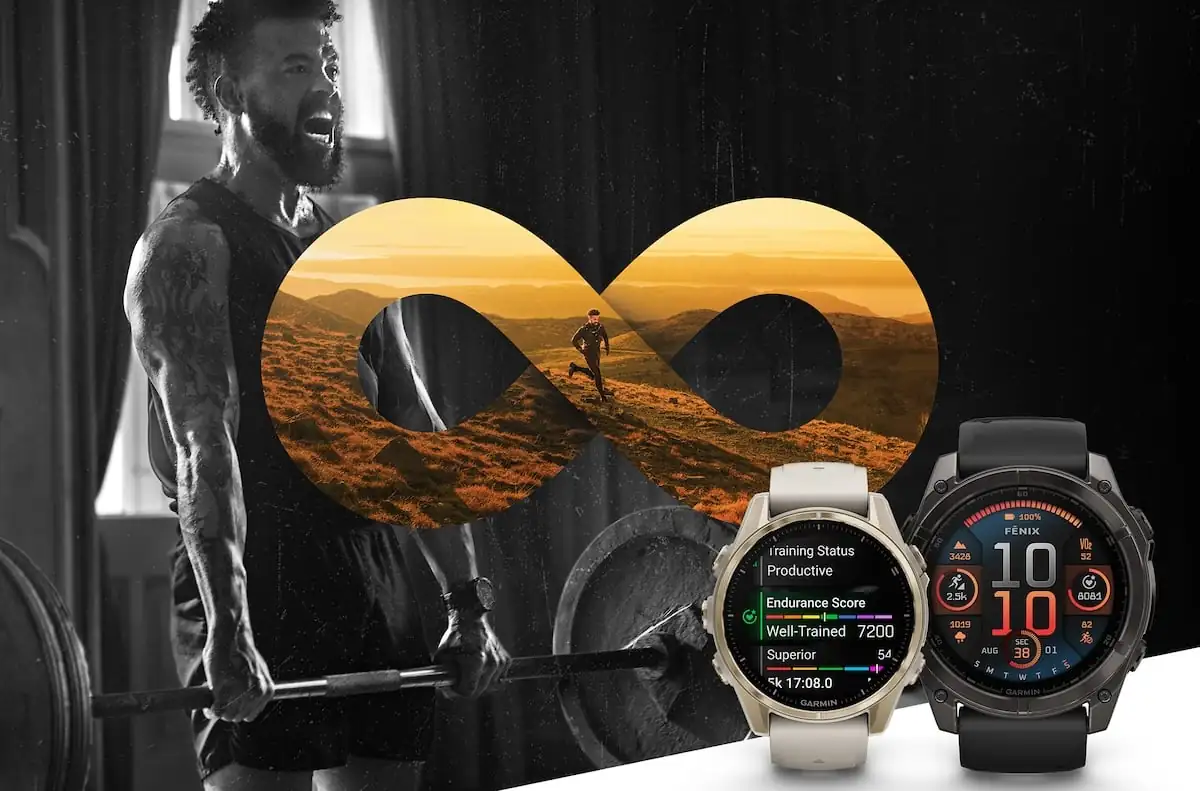
Tracking VO2 max over time helps you understand whether your training is actually working. Wearables like the Garmin Fenix 8 and Polar Vantage V3 estimate VO2 max from workout data — not as accurate as a lab test, but useful for tracking trends.
Browse All Products
Explore our evidence-based product reviews across every health category.
Flexibility and Balance: The Overlooked Pillar
This section will be brief because the mortality data here is less robust — but that doesn't mean it doesn't matter.
Falls are the leading cause of injury-related death in adults over 65. A 2023 CDC report found that roughly 36 million falls occur among older adults each year, resulting in over 32,000 deaths. Hip fractures from falls carry a staggering 20-30% one-year mortality rate.
The best way to prevent falls isn't just strength (though that helps enormously). It's the combination of:
- Balance training: Single-leg stands, stability work, proprioceptive challenges
- Mobility work: Joint range of motion, particularly in hips, ankles, and thoracic spine
- Flexibility: Dynamic stretching and movement through full ranges of motion
A 2022 study in the British Journal of Sports Medicine found that the inability to complete a 10-second single-leg stand was associated with a near doubling of all-cause mortality risk over a 7-year follow-up. Simple? Yes. Predictive? Extremely.
Practical recommendations: Spend 10-15 minutes daily on mobility and balance work. Yoga, tai chi, or a simple mobility routine all count. This isn't glamorous, and nobody posts it on Instagram, but the compound effect over decades is enormous.
A Practical Longevity Exercise Protocol
Here's what a weekly template looks like when you combine all four pillars — cardio, strength, high-intensity work, and mobility:
Monday: Zone 2 cardio (45-60 min) — cycling, jogging, rowing, or swimming at conversational pace
Tuesday: Strength training (45-60 min) — upper body compound movements + core. End with 10 min mobility.
Wednesday: Zone 2 cardio (45-60 min) + 10 min balance/flexibility work
Thursday: Strength training (45-60 min) — lower body emphasis (squats, deadlifts, lunges). End with 10 min mobility.
Friday: Zone 2 cardio (30-45 min) + VO2 max intervals (e.g., 4x4 Norwegian protocol)
Saturday: Strength training (45-60 min) — full body or weak-point focus. End with 15 min flexibility.
Sunday: Active recovery — walk, gentle yoga, or easy swim. Mobility work.
Total weekly volume:
- Zone 2 cardio: ~150-180 min
- Strength training: ~135-180 min
- VO2 max work: ~20-30 min
- Mobility/balance: ~60-90 min
This is a lot. You don't need to start here. If you're currently doing nothing, start with 3 days a week — 2 strength sessions and 1 Zone 2 session — and build from there. The best exercise program is the one you'll actually do consistently for years.
Short on time? EMS (electrical muscle stimulation) training suits offer a time-efficient supplement — a 20-minute EMS session can provide comparable muscular fatigue to 60+ minutes of conventional training, making them appealing for time-constrained people who struggle to fit in the full weekly volume above. EMS doesn't replace cardiovascular training or heavy loading, but it can help maintain muscle activation on busy weeks. See our best EMS suit comparison for current options.
How Wearables Help
Exercise for longevity isn't just about showing up — it's about training at the right intensities, recovering adequately, and tracking progress over time. This is where wearables earn their keep.
Heart rate zone monitoring: The difference between Zone 2 and Zone 3 matters. Without a heart rate monitor, most people unknowingly train too hard during easy sessions and too easy during hard ones — the "moderate intensity rut" that produces mediocre adaptations. A chest strap or wrist-based monitor keeps you honest.
HRV for recovery: Heart rate variability (HRV) is the best proxy we have for autonomic nervous system status and readiness to train. If your HRV is suppressed, pushing through a hard workout is counterproductive — you're adding stress to a system that hasn't recovered from the last bout. Devices like Whoop 4.0 and Oura Ring Gen 4 track overnight HRV trends and give you recovery scores that inform training decisions.
Training load and VO2 max tracking: GPS-enabled watches like the Garmin Fenix 8 and Polar Vantage V3 estimate VO2 max, track training load over time, and flag when you're overreaching. This long-term trend data is gold — it tells you whether your fitness is actually improving month over month, or whether you're just going through the motions.
Sleep and recovery: Exercise adaptation doesn't happen during workouts — it happens during recovery, especially sleep. If your sleep is poor, your training gains will stall no matter how perfectly designed your program is. Tracking sleep alongside training data closes the loop.
The wearable isn't the point. The data-driven behavior change is. If wearing a device on your wrist or finger makes you more likely to hit your Zone 2 sessions, skip a workout when you're under-recovered, and prioritize sleep — that's worth the investment.
Get smarter about health tech
Deal alerts, new reviews, and health tips — delivered weekly. No spam.
Unsubscribe anytime. We respect your inbox.
The Bottom Line
Exercise is the closest thing we have to a longevity drug. The effect sizes dwarf every supplement, every biohack, and most pharmaceuticals. A combination of Zone 2 cardio, strength training, VO2 max work, and mobility training covers all the bases — metabolic health, muscle mass preservation, cardiovascular fitness, and functional independence.
You don't need to be an elite athlete. But you need to be consistently active, across multiple modalities, for decades. The 80-year-old who can get off the floor unassisted, carry their own groceries, and walk up three flights of stairs without stopping didn't get there by accident. They got there by building a massive physiological reserve in their 40s, 50s, and 60s — so that even after decades of age-related decline, they still had capacity to spare.
Start where you are. Add one thing at a time. But start.
FAQ
How much exercise do I need per week for longevity benefits?
The minimum effective dose is about 150 minutes of moderate-intensity exercise per week — roughly 30 minutes, 5 days a week. But the research from JAMA Internal Medicine (2022) shows that benefits continue to accrue up to 300-600 minutes per week. For most people, 200-300 minutes of mixed-intensity exercise is a practical and highly effective target.
Is cardio or strength training more important for longevity?
Both. They target different mechanisms. Cardio — particularly Zone 2 and VO2 max training — improves cardiovascular and metabolic health. Strength training preserves muscle mass, bone density, and insulin sensitivity. The British Journal of Sports Medicine data shows that combining both produces the largest mortality reduction. If forced to choose one at gunpoint, most longevity researchers would say cardio edges out slightly — but that's a false choice for anyone with a functioning schedule.
What is Zone 2 training and why does it matter?
Zone 2 is moderate-intensity cardio where you can still hold a conversation, but it takes effort. Heart rate is roughly 60-70% of your max. It specifically targets mitochondrial health and fat oxidation — two processes that deteriorate with age and are linked to metabolic disease. Aim for 3-4 sessions of 30-60 minutes per week. It should feel easy enough that you could sustain it for hours.
Can I improve my VO2 max after 40?
Absolutely. VO2 max declines with age, but it responds to training at any age. A 2017 Cell Metabolism study showed that HIIT training reversed some age-related mitochondrial decline in older adults. The Norwegian 4x4 protocol — 4 minutes at 90-95% max heart rate, 3 minutes recovery, repeated 4 times — is one of the most studied and effective approaches. Even moving from "low fitness" to "moderate fitness" provides the largest jump in mortality reduction.
Is walking enough exercise for longevity?
Walking is far better than nothing — the Lancet data shows even 15 minutes of daily moderate activity extends life. But for most reasonably fit adults, walking doesn't reach Zone 2 intensity, and it doesn't provide the strength training or high-intensity stimulus needed to maintain muscle mass and VO2 max. Think of walking as your baseline, not your exercise program. It's the floor, not the ceiling.
Do I need a wearable to exercise for longevity?
No. People lived long, active lives before wearables existed. But devices like the Garmin Fenix 8 or Whoop 4.0 help you train at the right intensities, track VO2 max trends, and monitor recovery through HRV. If you're serious about optimizing your training — not just exercising randomly — the objective data is genuinely useful. It's the difference between hoping your program works and knowing it does.
Featured Products
Products mentioned in this article



Related Guides
More articles you might find helpful
Best Bed Cooling Systems 2026: Eight Sleep vs Cheaper Alternatives
**Disclosure:** Product CTAs on this page currently go to manufacturer sites (no affiliate tracking yet). Better Vitals may earn a commission once partner links are live — rankings and "skip if" calls won't change when we swap URLs. We only recommend gear we'd put on a shortlist for a specific type
Is the Oura Membership Worth It in 2026? (And How to Skip It)
*Updated July 2026*
Oura Ring Price in 2026: Every Model, Subscription & Real Total Cost
*Updated July 2026*

Written by
Steve Luu
Health tech researcher