Garmin vs Apple Watch for Health Tracking: 2026 Complete Comparison
Key Takeaway
Apple Watch and Garmin represent two competing philosophies in health wearables. Apple built a smartwatch that added health features. Garmin built a health and fitness tracker that added smartwatch features. This distinction shapes every aspect of the experience — and for health-focused users, it ma
Affiliate Disclosure: BetterVitals may earn a commission from purchases made through links in this article, at no additional cost to you. This supports our independent research and analysis. We only recommend products we believe in after thorough evaluation.
Medical Disclaimer
This article is for educational purposes only and is not a substitute for professional medical advice, diagnosis, or treatment. Always consult your healthcare provider before making health decisions.
Garmin vs Apple Watch for Health Tracking: 2026 Complete Comparison
Apple Watch and Garmin represent two competing philosophies in health wearables. Apple built a smartwatch that added health features. Garmin built a health and fitness tracker that added smartwatch features. This distinction shapes every aspect of the experience — and for health-focused users, it matters enormously.
Quick Verdict
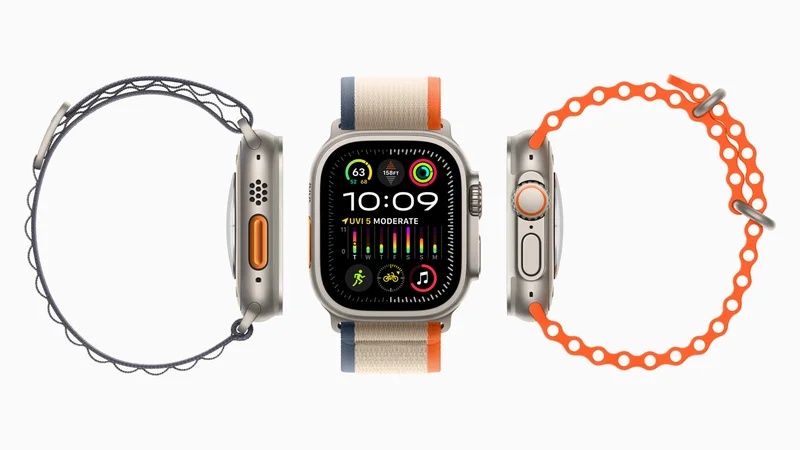
For iPhone users who want best-in-class ECG, AFib detection, and ecosystem integration: Apple Watch Series 10 or Ultra 2.
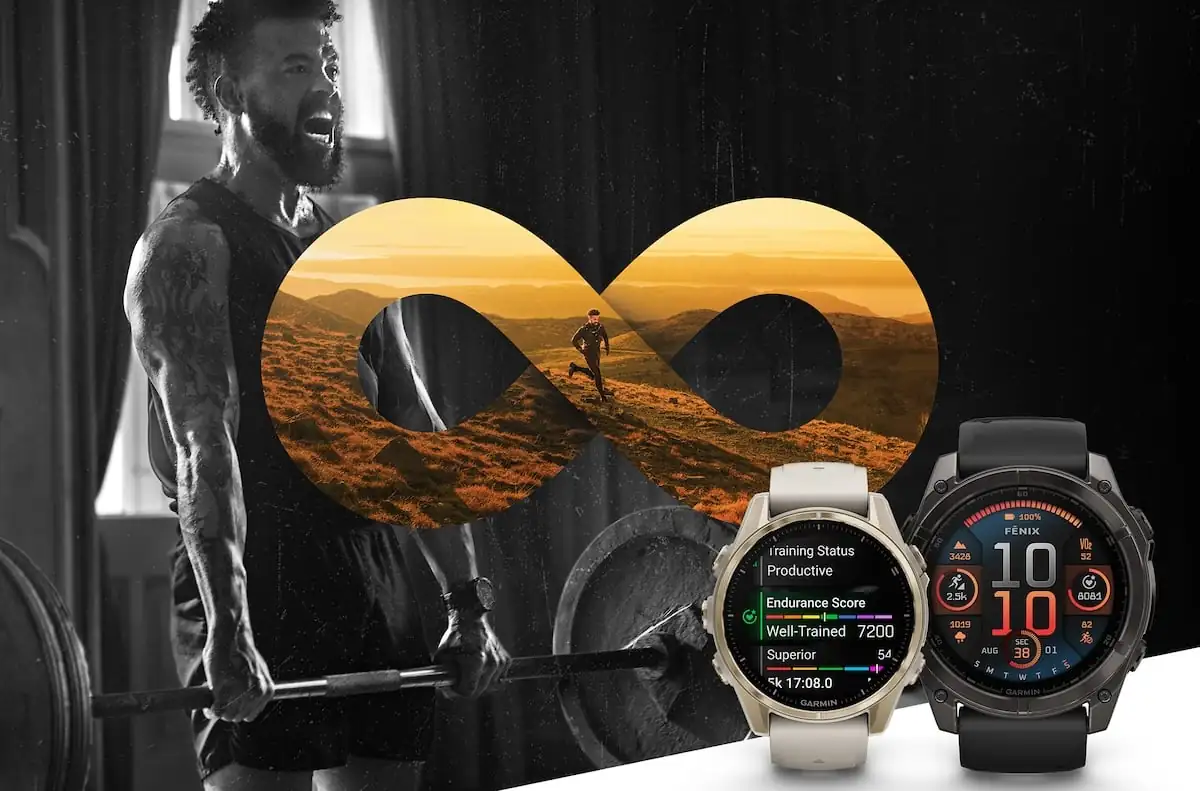
For serious athletes, outdoor adventurers, and health-metric obsessives who want battery life and accuracy: Garmin Fenix 8 or Forerunner 965.
For HRV and sleep tracking quality: Garmin edges out Apple Watch in our testing, particularly for overnight HRV and sleep stage accuracy.
For smartwatch functionality (apps, notifications, payments): Apple Watch is in a different league.
Side-by-Side Comparison
| Feature | Garmin Fenix 8 | Apple Watch Series 10 |
|---|---|---|
| Price | $900-1,100 | $399-499 |
| Battery Life | 18 days (GPS off), 16 hrs GPS | 18 hours typical, 36 hrs low-power |
| HRV Tracking | RMSSD-based, 24/7 monitoring, Body Battery | HRV4Training integration via app |
| Sleep Staging | Yes (light/deep/REM) | Yes (light/deep/REM + sleep stages) |
| ECG | No | Yes (FDA-cleared) |
| AFib Detection | Yes (irregular rhythm alert) | Yes (FDA-cleared AFib detection) |
| Blood Oxygen | Yes (SpO2) | Yes (SpO2) |
| Body Battery / Recovery | Yes (Body Battery energy score) | No (requires third-party app) |
| GPS Accuracy | Excellent (multi-band GPS) | Good (GPS only) |
| Crash Detection | Yes | Yes |
| Apple Pay / Payments | Garmin Pay (limited) | Apple Pay (full) |
| App Ecosystem | Limited | Extensive |
| Water Resistance | 10 ATM | 50m WR |
| Platform | iOS and Android | iOS only |
| Durability | Excellent (metal/sapphire) | Good |
Garmin Deep Dive: The Health Metrics Leader
HRV and Recovery Tracking
Garmin's health tracking philosophy centers on recovery readiness — specifically the Body Battery score, which integrates HRV, sleep quality, stress, and activity into a 0-100 readiness metric. The Fenix 8 measures HRV overnight continuously and uses it to calculate Body Battery, alerting you when you're depleted before performance suffers.
Independent validation studies (particularly Altini et al., Frontiers in Physiology, 2021) have found Garmin's overnight HRV measurements using the proprietary RMSSD algorithm are competitive with chest strap reference measurements, with mean absolute errors of 5-8ms — acceptable for daily monitoring purposes.
In daily use, Garmin's "HRV Status" feature is the standout: after about three weeks of overnight wear it establishes your personal baseline range, then flags when your seven-day average drifts "unbalanced" or "low" — a practical early signal of accumulating fatigue, poor sleep, or oncoming illness. This baseline-relative framing is exactly how HRV should be used (your trend matters; comparing your absolute number to someone else's doesn't — see our HRV score by age guide).
Training Load and Recovery Coaching
Beyond raw metrics, Garmin's coaching layer is what separates it for athletes: Training Readiness combines sleep, HRV status, recent load, and recovery time into a morning go/no-go signal; Training Status classifies whether your recent work is productive, maintaining, or overreaching; and per-activity recovery-time estimates tell you how many hours until you're ready for another hard session. None of this requires a subscription. Apple has narrowed the gap with its Training Load feature and Vitals app (which flags overnight outliers in heart rate, respiration, and temperature), but Garmin's system remains deeper and more prescriptive for structured training.
Sleep Tracking Accuracy
Garmin's sleep staging uses optical HR variability patterns, accelerometry, and SpO2. A 2022 study comparing consumer wearable sleep staging to polysomnography found Garmin devices performed better than Apple Watch for slow-wave sleep detection (Zambotti et al., Sleep Medicine Reviews). The Fenix 8's sleep score contextualizes individual nights against your baseline, and the "Sleep Coach" feature gives specific improvement recommendations.
Downsides
Garmin doesn't have FDA-cleared ECG on the Fenix line. The irregular rhythm detection exists but is not the formal AFib detection that Apple Watch carries. For users with arrhythmia concerns, this is a meaningful gap. Garmin's smartwatch functionality is also noticeably inferior — third-party app ecosystem is limited, navigation is less intuitive, and payments functionality is restricted vs. Apple Pay.
Apple Watch Deep Dive: The Ecosystem Champion
Medical-Grade Feature Set
Apple Watch's differentiation is its FDA-cleared medical features:
- ECG (Series 4 and later): On-demand single-lead ECG with AFib detection, endorsed by cardiologists for atrial fibrillation screening
- Irregular Rhythm Notification: Background monitoring using photoplethysmography to detect potential AFib episodes
- Crash Detection: Calls emergency services after detecting a crash
- Emergency SOS + Fall Detection: Life-saving features with documented efficacy
For users with or at risk for cardiovascular conditions, these are genuine medical tools with published evidence for early AFib detection reducing stroke risk. One important caveat: a single-lead watch ECG screens for AFib specifically — it cannot rule out heart attacks or most other cardiac conditions, and any symptomatic episode belongs in front of a physician regardless of what the watch says.
Health Ecosystem Integration
Apple Watch's integration with the Health app creates a comprehensive health data layer: activity, heart rate, sleep, blood oxygen, cycle tracking, mental health, mobility assessments, and medication tracking. It connects to hundreds of health apps, medical devices, and healthcare systems. No Android support.
Downsides
Battery life is Apple Watch's Achilles heel. Typical 18-hour battery means daily charging — which means you must choose between wearing it overnight for sleep tracking (draining the battery) or using it during the day. The Series 10 introduced more efficient processing, but 18 hours remains constraining for serious sleep optimization users.
For dedicated HRV tracking, Apple Watch lacks a native resting HRV metric visible in the app. HRV4Training and other third-party apps can extract this data, but it's not as seamlessly presented as Garmin's RMSSD-based HRV tracking.
Browse All Products
Explore our evidence-based product reviews across every health category.
The Battery Question Is Really a Sleep-Tracking Question
This deserves its own section because it's the single most underrated factor in the decision. Health tracking value compounds through consistency — overnight HRV, resting heart rate, and sleep staging only become meaningful as multi-week baselines. A watch that's on a charger every night can't build them.
With a Garmin, the logistics disappear: charge for an hour or so once a week (during a shower-and-coffee routine, say) and wear it 24/7 otherwise. You never think about it again.
With an Apple Watch, overnight tracking is achievable but requires an active strategy: most owners charge during their morning routine or evening wind-down, and watchOS's sleep-focused charging reminders help. It works — plenty of people sleep-track with Apple Watch successfully — but it's a habit you must maintain, and one skipped charge means a gap in your data. If you know yourself to be inconsistent, that's a real argument for Garmin (or for pairing an iPhone with a smart ring for sleep and keeping the watch for daytime — see our Apple Watch vs Oura Ring comparison).
Cost of Ownership
Neither platform requires a subscription for its core health metrics — a genuine contrast with Oura and WHOOP. Garmin's full recovery stack (Body Battery, HRV Status, Training Readiness, sleep scoring) is free in Garmin Connect; Garmin's optional Connect+ tier (roughly $7/month) adds AI-flavored insights but nothing you need, and Apple charges nothing beyond optional Fitness+ workouts.
The real cost story is upfront: a Fenix 8 runs $900-1,100 versus $399-499 for a Series 10. But Garmin's cheaper lines close that gap — a Forerunner 265 (~$450) delivers the same core health stack (Body Battery, HRV Status, multi-band GPS, week-long battery) as the Fenix at half the price; the Fenix premium buys materials, mapping, and battery, not better health data. On the Apple side, the Ultra 2 ($799) buys roughly double the battery and a more durable case, and the SE hits a lower price by dropping the ECG — a poor trade if health features are the point.
Accuracy Expectations — for Both
An honest calibration before you buy either: these are consumer wellness devices, and outside the specifically FDA-cleared features (Apple's ECG and AFib notifications), everything they report is an estimate. Wrist-based optical heart rate is excellent at rest and good during steady-state cardio, but degrades with wrist flexion (lifting, rowing) and rapid intervals on both platforms. Sleep staging on any wrist wearable only approximates lab polysomnography — treat stage percentages as directional. SpO2 readings are trend tools, not pulse-oximeter replacements. VO2 max and "fitness age" figures are model estimates that reward consistency in the same conditions.
None of this makes the data useless — trends against your own baseline are genuinely valuable. It means neither watch diagnoses anything, and symptoms (palpitations, chest pain, fainting, unexplained breathlessness) warrant a physician regardless of what the watch shows.
Get smarter about health tech
Deal alerts, new reviews, and health tips — delivered weekly. No spam.
Unsubscribe anytime. We respect your inbox.
Who Should Choose Which
Choose Garmin Fenix 8 if:
- Battery life is non-negotiable (days, not hours)
- Serious athletic training (running, cycling, hiking, triathlon)
- HRV and recovery readiness is your primary health metric
- You use Android
- You want a watch that actively coaches recovery
Choose Apple Watch Series 10 if:
- You're an iPhone user who wants deep Apple ecosystem integration
- AFib detection or other FDA-cleared health features are priorities
- You want a full smartwatch with comprehensive apps and Apple Pay
- Daily charging is not an obstacle
Choose Apple Watch Ultra 2 if:
- You want the best of both worlds — Apple ecosystem with Garmin-competitive battery (36 hours) and rugged durability
- The $799 price is acceptable
Bottom Line
This comparison has a cleaner answer than most: Garmin if the watch's job is training and recovery data; Apple Watch if its job is being a great all-day companion that also watches your heart. Garmin wins on battery, HRV depth, sleep-tracking practicality, and coaching — with no subscription and Android support. Apple wins on FDA-cleared cardiac features, app ecosystem, and everyday polish — if you own an iPhone and can live with daily charging. Android users have no real decision to make (Apple Watch is off the table), and iPhone-owning athletes are the one group that genuinely has to choose between data depth and ecosystem comfort.
FAQ
Which is more accurate for heart rate tracking?
Both Apple Watch and Garmin are accurate for resting and steady-state exercise HR (within 1-2 BPM of chest strap). During high-intensity intervals, Garmin's optical HR performs slightly better. For precision HR during intense exercise, a chest strap (Polar H10) paired with either watch is the gold standard.
Can Garmin detect AFib?
Garmin has an Irregular Rhythm Notification feature that alerts you to possible arrhythmias, but it is not the same as Apple Watch's FDA-cleared ECG-based AFib detection. If AFib monitoring is your specific concern, Apple Watch is the appropriate choice.
Is Apple Watch or Garmin better for sleep tracking?
Academic comparisons consistently favor Garmin for sleep staging accuracy (particularly slow-wave sleep detection). Apple Watch has improved significantly in Series 9/10 but still trails Garmin in objective sleep staging validation. For comprehensive sleep optimization with wearable data, Oura Ring remains the category leader — see our sleep tracker comparison.
Do Garmin or Apple Watch require a subscription?
No — and this is a real advantage over Oura and WHOOP. All of Garmin's core health features (Body Battery, HRV Status, sleep scoring, Training Readiness) are free in Garmin Connect; Garmin's optional Connect+ tier adds extras, not essentials. Apple's health features are likewise free, with Fitness+ as an optional workout-content subscription.
Can I use a Garmin with an iPhone?
Yes — Garmin works fully with both iPhone and Android, and can even write workouts and health data into Apple Health. The reverse isn't true: Apple Watch requires an iPhone. For Android users, Garmin (or Samsung/Pixel watches) is the only real choice in this matchup.
Do I need a Fenix 8, or is a cheaper Garmin enough for health tracking?
For health metrics alone, a mid-range Garmin like the Forerunner 265 provides the same Body Battery, HRV Status, sleep tracking, and multi-band GPS as the Fenix 8 at roughly half the price. The Fenix premium buys titanium/sapphire durability, offline maps, dive-grade water resistance, and longer battery — worth it for outdoor athletes, unnecessary for most health-focused buyers. See our best Garmin for health tracking guide.
Can either watch diagnose a heart condition?
No. Apple's ECG and irregular-rhythm features are FDA-cleared screening tools for AFib specifically — useful prompts to see a doctor, not diagnoses, and they can't detect heart attacks. Everything else on both platforms is wellness-grade estimation. Any symptoms — palpitations, chest pain, fainting — warrant medical evaluation regardless of what your watch reports.
Related guides: Best Garmin for Health Tracking | Apple Watch vs Oura Ring | Good HRV Score by Age
Affiliate Disclosure: Better Vitals may earn a commission when you purchase through our links. Our recommendations are based on independent research and, where possible, hands-on testing.
Featured Products
Products mentioned in this article
Related Guides
More articles you might find helpful
Wonderfeel Youngr vs NOVOS Boost (2026): Which NMN Wins?
*Updated July 2026*
Most Accurate CGM in 2026: MARD Scores Compared (Every Sensor)
*Updated July 2026*
Dexcom Stelo vs Abbott Lingo (2026): Accuracy, Price, App Compared
*Updated July 2026*

Written by
Steve Luu
Health tech researcher