Oura Ring vs. Whoop: Which Recovery Tracker Wins?
Key Takeaway
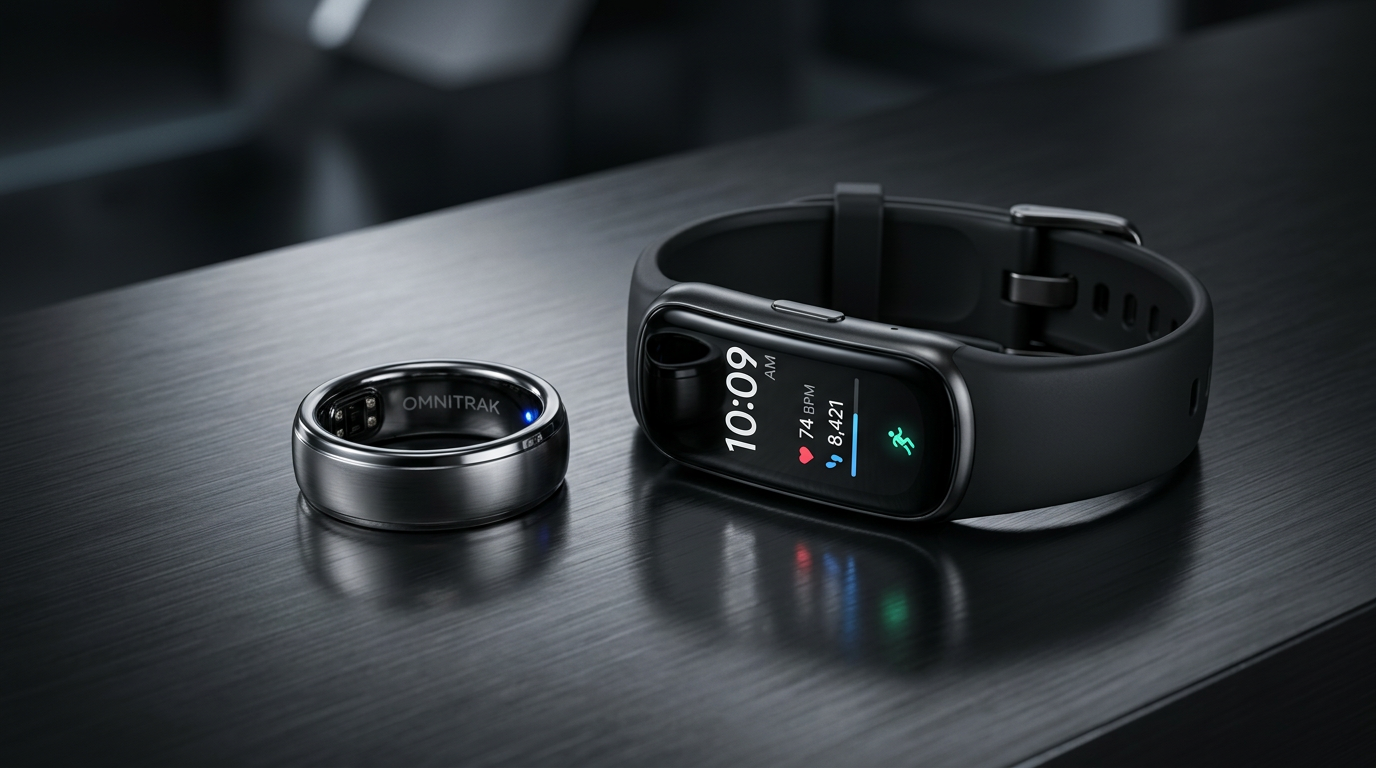
The Oura Ring Gen4 and Whoop 4.0 are the two most popular dedicated health trackers on the market — but they take fundamentally different approaches to biometric monitoring. One is a discreet smart ring; the other is a performance-focused wrist strap. Here's how they actually compare, based on our r
Affiliate Disclosure: BetterVitals may earn a commission from purchases made through links in this article, at no additional cost to you. This supports our independent research and analysis. We only recommend products we believe in after thorough evaluation.
Medical Disclaimer
This article is for educational purposes only and is not a substitute for professional medical advice, diagnosis, or treatment. Always consult your healthcare provider before making health decisions.
Oura Ring vs. Whoop: Which Recovery Tracker Wins?
The Oura Ring Gen4 and Whoop 4.0 are the two most popular dedicated health trackers on the market — but they take fundamentally different approaches to biometric monitoring. One is a discreet smart ring; the other is a performance-focused wrist strap. Here's how they actually compare, based on our research and testing.
Quick Verdict
Choose the Oura Ring Gen4 if you prioritize sleep tracking, want a discreet form factor you can wear 24/7, and prefer buying hardware upfront over a subscription. Oura delivers the most comprehensive sleep staging data of any consumer wearable and its daytime readiness scoring helps you plan your day around recovery.
Choose the Whoop 4.0 if you're a serious athlete or fitness enthusiast who wants strain-based training guidance, recovery metrics tied to performance, and you're comfortable with a wrist-based form factor. Whoop's subscription model includes unlimited hardware upgrades and a community-driven coaching experience.
Our pick: The Oura Ring Gen4 (9.2/10) edges out the Whoop 4.0 (8.7/10) for most health-conscious users because of its superior sleep tracking, more comfortable form factor, and lower long-term cost. But Whoop is the better choice for competitive athletes who want real-time strain tracking during workouts.
Side-by-Side Comparison
| Feature | Oura Ring Gen4 | Whoop 4.0 |
|---|---|---|
| Form Factor | Titanium ring | Wrist strap |
| Weight | 4-6g | 27g (with band) |
| Battery Life | 6-8 days | 4-5 days |
| Heart Rate Sensor | Green + red + infrared LED | Green LED (photodiode) |
| SpO2 Monitoring | Yes (continuous) | Yes (nightly) |
| Skin Temperature | Yes (0.01°C precision) | Yes |
| Sleep Staging | Advanced (Wake, Light, Deep, REM) | Good (Wake, Light, Deep, REM) |
| HRV Tracking | 5-min nightly average | Nightly rolling average |
| Strain/Activity Tracking | Activity goals (steps, calories) | Day Strain score (cardiovascular) |
| Workout HR | Via Apple Watch/Garmin integration | Real-time wrist HR |
| Water Resistance | 100m | 10m (IP68) |
| Subscription | $5.99/mo (optional, Gen4) | $30/mo (required) |
| Hardware Cost | $349-449 | $0 (included in subscription) |
| 2-Year Total Cost | ~$493-593 | $720 |
| Our Score | 9.2/10 | 8.7/10 |
Oura Ring Gen4: Deep Dive
The Oura Ring has been the gold standard for sleep tracking since the Gen2 launched in 2020. The Gen4, released in late 2025, brings significant hardware upgrades — most notably a new multi-wavelength sensor array that dramatically improves daytime heart rate accuracy and adds real-time SpO2 monitoring.
Sleep Tracking
Sleep is where Oura dominates. The ring's position on the finger provides cleaner arterial pulse signals than wrist-based devices, resulting in more accurate sleep staging. The Gen4 uses green, red, and infrared LEDs to detect blood volume changes with high fidelity.
Oura's sleep analysis includes:
- Sleep stages with minute-by-minute breakdowns (deep sleep, REM, light, awake)
- Sleep efficiency — percentage of time in bed actually asleep
- Heart rate trends throughout the night (resting HR, HRV, respiratory rate)
- Skin temperature deviation — detects illness, ovulation, and recovery needs
- Sleep timing assessment — grades your bedtime consistency
The "Readiness Score" synthesizes overnight data into a single 0-100 number that predicts your capacity for strain that day. Research has shown Oura's sleep staging accuracy is comparable to medical-grade polysomnography for detecting deep sleep and REM stages.
Daytime Tracking
The Gen4 significantly improved Oura's daytime capabilities. Continuous heart rate monitoring (previously only during sleep and sessions) now tracks HR throughout the day, enabling calorie burn estimates and a daily Activity Score.
That said, Oura still doesn't offer real-time workout heart rate in the ring itself. For accurate exercise HR, Oura recommends pairing with an Apple Watch or Garmin device — the ring serves as a recovery and readiness tool, not a workout companion.
What Oura Does Best
- Best-in-class sleep staging and overnight biometric tracking
- Ultra-discreet form factor that looks like a regular ring
- Skin temperature tracking at 0.01°C precision (useful for menstrual cycle tracking and illness detection)
- Long battery life (6-8 days vs. Whoop's 4-5)
- Lower long-term cost, especially with the optional subscription model
View Oura Ring Gen4 details ->
Browse All Products
Explore our evidence-based product reviews across every health category.
Whoop 4.0: Deep Dive
Whoop takes a performance-first approach to health tracking. While Oura asks "how well did you recover?", Whoop asks "how hard should you train today?" The entire platform is built around the Strain-Recovery-Sleep cycle that helps athletes optimize training load.
Strain Tracking
Whoop's signature feature is its Day Strain score — a 0-21 scale that quantifies your cardiovascular load across all daily activities. This isn't just step counting; Whoop uses continuous heart rate data to calculate strain based on time spent in different HR zones.
During workouts, Whoop provides:
- Real-time strain accumulation — watch your strain score build during exercise
- Heart rate zone breakdowns — percentage of time in each zone
- Strain Coach — recommends optimal strain targets based on your recovery score
- Auto-detected workouts — Whoop identifies and logs activities automatically
The strain system is genuinely useful for athletes managing training load. On a day when your recovery score is low (below 33%), Whoop might recommend a strain target of 8-10 (light activity). On a green recovery day (67%+), it might push you toward 14-18 (intense training).
Sleep & Recovery
Whoop's sleep tracking is solid but not as granular as Oura's. It detects the same four stages (wake, light, deep, REM) but the wrist-based sensor typically produces slightly less accurate staging than Oura's finger-based reading.
Where Whoop's recovery analysis stands out is in its journal feature. You log daily behaviors (alcohol, caffeine, supplements, screen time, stretching) and Whoop correlates them with your recovery score over time, showing you which behaviors actually affect your recovery versus which don't.
The Recovery Score (0-100%) uses HRV, resting heart rate, respiratory rate, and sleep performance to predict readiness. Whoop's community data shows that members who follow their recovery recommendations see measurably better performance outcomes.
What Whoop Does Best
- Real-time cardiovascular strain tracking during workouts
- Training load management with strain targets tied to recovery
- Behavior-recovery correlation through the journal feature
- Team/community features for group training and competition
- No upfront hardware cost (subscription includes device)
Choose Oura Ring If...
- Sleep quality is your primary concern — Oura's sleep staging is the best in any consumer wearable
- You want a discreet wearable — A ring is less conspicuous than a wrist strap in professional settings
- You prefer owning hardware — One-time purchase vs. ongoing subscription feels better to some users
- Battery life matters — 6-8 days vs. 4-5 means less charging hassle
- You track menstrual cycles — Oura's temperature tracking is used by many for cycle prediction
- You already have a workout watch — Oura pairs with Apple Watch/Garmin for exercise, then adds sleep/recovery
Choose Whoop If...
- You're a serious athlete — Strain tracking and training load management are genuinely useful for performance
- You want real-time workout HR — Whoop tracks heart rate during exercise without needing a separate device
- You respond to coaching and community — Whoop's social features and Strain Coach add motivation
- You like correlating behaviors with recovery — The journal feature reveals which habits actually help
- You prefer zero upfront cost — The subscription model means no $350+ initial purchase
- You want unlimited hardware upgrades — Subscription includes device replacements and upgrades
Get smarter about health tech
Deal alerts, new reviews, and health tips — delivered weekly. No spam.
Unsubscribe anytime. We respect your inbox.
The Verdict
For most health-conscious consumers, the Oura Ring Gen4 is the better choice. Its sleep tracking is unmatched, the ring form factor is more comfortable for 24/7 wear, and the total cost of ownership is lower over two years. The Gen4's improved daytime heart rate monitoring closes the gap with Whoop for daily health tracking.
Whoop remains the superior choice for competitive athletes and fitness enthusiasts who need real-time strain tracking, training load management, and community accountability. If your primary goal is optimizing athletic performance rather than general health, Whoop's training-focused ecosystem is hard to beat.
Not sure which wearable fits your lifestyle? Take our Wearable Fit Finder quiz to get a personalized recommendation based on your goals, budget, and activity level.
FAQ
Is the Oura Ring or Whoop more accurate for heart rate?
For resting and sleep heart rate, the Oura Ring is slightly more accurate due to its finger-based sensor position, which reads arterial pulse with less motion artifact. For active/workout heart rate, Whoop is more accurate since the Oura Ring doesn't track real-time exercise HR natively.
Can I wear an Oura Ring and Whoop at the same time?
Yes, many biohackers wear both simultaneously. Oura excels at sleep/recovery while Whoop excels at strain/training. They don't sync directly with each other, but both integrate with Apple Health, allowing cross-pollination of data.
Which has better battery life — Oura or Whoop?
Oura Ring Gen4 lasts 6-8 days on a single charge. Whoop 4.0 lasts 4-5 days. Whoop can be charged while wearing it (using a slide-on battery pack), while Oura requires removal for charging.
Is the Whoop subscription worth $30/month?
It depends on your use case. For serious athletes who use Strain Coach, training load management, and the journal feature daily, the value is clear. For general health tracking, the cumulative cost ($720/year) is steep compared to Oura's optional $5.99/month subscription.
Do Oura and Whoop track HRV differently?
Both track HRV during sleep using the RMSSD method, which is the gold standard. Oura takes a 5-minute measurement during the deepest sleep phase. Whoop calculates a rolling average across the last slow-wave sleep phase. Both approaches are valid, but may produce slightly different absolute numbers.
Featured Products
Products mentioned in this article

Related Guides
More articles you might find helpful
Wonderfeel Youngr vs NOVOS Boost (2026): Which NMN Wins?
*Updated July 2026*
Most Accurate CGM in 2026: MARD Scores Compared (Every Sensor)
*Updated July 2026*
Dexcom Stelo vs Abbott Lingo (2026): Accuracy, Price, App Compared
*Updated July 2026*

Written by
Steve Luu
Health tech researcher