Best WHOOP Alternative of 2026: Recovery Trackers Reviewed | BetterVitals
Key Takeaway
WHOOP is, by most measures, the most sophisticated wearable for recovery and readiness tracking. It also has a mandatory subscription of $199–$359 per year, on top of the hardware cost, with no option to use the device without an active membership. For many users, that model is simply not viable lon
Affiliate Disclosure: BetterVitals may earn a commission from purchases made through links in this article, at no additional cost to you. This supports our independent research and analysis. We only recommend products we believe in after thorough evaluation.
Medical Disclaimer
This article is for educational purposes only and is not a substitute for professional medical advice, diagnosis, or treatment. Always consult your healthcare provider before making health decisions.
Best WHOOP Alternative of 2026: Recovery Trackers Reviewed | BetterVitals
WHOOP is, by most measures, the most sophisticated wearable for recovery and readiness tracking. It also has a mandatory subscription of $199–$359 per year, on top of the hardware cost, with no option to use the device without an active membership. For many users, that model is simply not viable long-term — especially once the novelty of daily strain scores and recovery percentages has been integrated into routine habit. A device that costs $400–$700 over three years (hardware + subscription) demands a higher bar of ongoing value than one purchased outright.
The good news: the gap between WHOOP and the rest of the market has narrowed dramatically in 2025 and 2026. The Oura Ring 4 now measures HRV with accuracy verified against medical-grade ECG devices. Garmin's Fenix 8 series delivers body battery and recovery metrics that rival WHOOP's strain model on a watch platform with GPS and sport tracking. Ultrahuman Ring Air introduced a no-subscription ring with HRV-based readiness scoring. Apple Watch Series 10 added AFib detection and sleep staging that transforms it into a genuine health device.
This guide evaluates six leading WHOOP alternatives across the criteria that matter for recovery monitoring: HRV tracking accuracy, sleep staging quality, recovery/readiness metrics, form factor, and total cost of ownership over three years. For deeper context on what makes wearable HRV metrics valid, see our guide to HRV tracking. For age-specific HRV benchmarks to evaluate your own numbers, see our good HRV score by age guide.
What to Look for in a Recovery Wearable
HRV Accuracy: The Core Metric
Heart rate variability — the millisecond-to-millisecond variation in time between heartbeats — is the most validated physiological marker of autonomic nervous system recovery. Higher HRV generally indicates better recovery, lower stress load, and stronger parasympathetic tone. A 2023 meta-analysis in the Journal of Sports Sciences confirmed that HRV-guided training reduces injury incidence and improves performance outcomes across endurance sports compared to fixed training load prescriptions.
The challenge: consumer wearables use photoplethysmography (PPG) sensors — optical sensors that detect blood volume changes at the wrist or finger. These are inherently less accurate than electrocardiography (ECG), which measures the electrical signals of the heart directly. The variance between PPG-based HRV and ECG-based HRV can be significant, especially during sleep stages and at low heart rates.
What to look for: devices that measure HRV during the lowest-activity period of the night (typically the first 2–3 hours of sleep or pre-wake) are significantly more accurate than those sampling at random points. Third-party validation studies comparing device HRV to ECG reference are the gold standard; manufacturer-only accuracy claims should be discounted.
For context: WHOOP measures HRV during the final hour of sleep before waking, which captures the lowest-activity window and contributes to its accuracy reputation. Devices that match or approach this methodology tend to produce more reliable HRV tracking.
Sleep Tracking Quality
Sleep stage accuracy is the Achilles heel of most consumer wearables. A 2019 study in the Journal of Clinical Sleep Medicine compared consumer wearables to polysomnography (PSG, the clinical gold standard for sleep staging) and found that most devices correctly identify wakefulness 90%+ of the time, but misclassify REM and deep sleep frequently — sometimes swapping one for the other. Total sleep time is generally accurate (within 30 minutes for most devices); the breakdown between sleep stages is where consumer devices diverge from PSG most significantly.
The most important sleep metric for recovery purposes is not sleep staging but total sleep duration, sleep timing consistency, and resting heart rate during sleep — all of which consumer wearables track reliably. Sleep staging should be treated as directional signal, not clinical measurement.
Recovery and Readiness Scores
WHOOP's "Recovery Score" is built from three inputs: HRV, resting heart rate, and sleep performance. The score is a percentage (0–100%) indicating readiness for training load. This model is reasonable and evidence-based. However, it's not unique to WHOOP — Garmin's Body Battery, Oura's Readiness Score, and Polar's Recovery Pro all use similar multi-input recovery indices with comparable underlying validity.
The key question is whether the readiness score actually changes your behavior. If you consistently override a low recovery score to train hard anyway, the score's value is zero regardless of its accuracy. Research from the University of Jyväskylä found that athletes who used HRV-guided training modified their workouts in response to daily readiness scores and showed improved performance and reduced injury versus fixed-schedule training groups.
No-Subscription vs. Subscription
WHOOP requires an ongoing subscription at $199/year (basic) or $359/year (peak). This generates meaningful ongoing revenue for the company and funds their research, but it creates real ongoing costs for users. Over three years, WHOOP's total cost of ownership runs approximately $600–$1,100+ depending on which plan and hardware upgrade path you follow.
Most alternatives have no mandatory subscription: Oura charges $5.99/month ($72/year) for its premium app but the ring functions with basic data without a subscription. Garmin, Apple Watch, and Polar devices have no subscription at all — full data access comes with hardware purchase. Ultrahuman has no subscription. These models change the long-term cost calculation significantly.
Best WHOOP Alternatives of 2026
1. Oura Ring 4 — Best Overall WHOOP Alternative
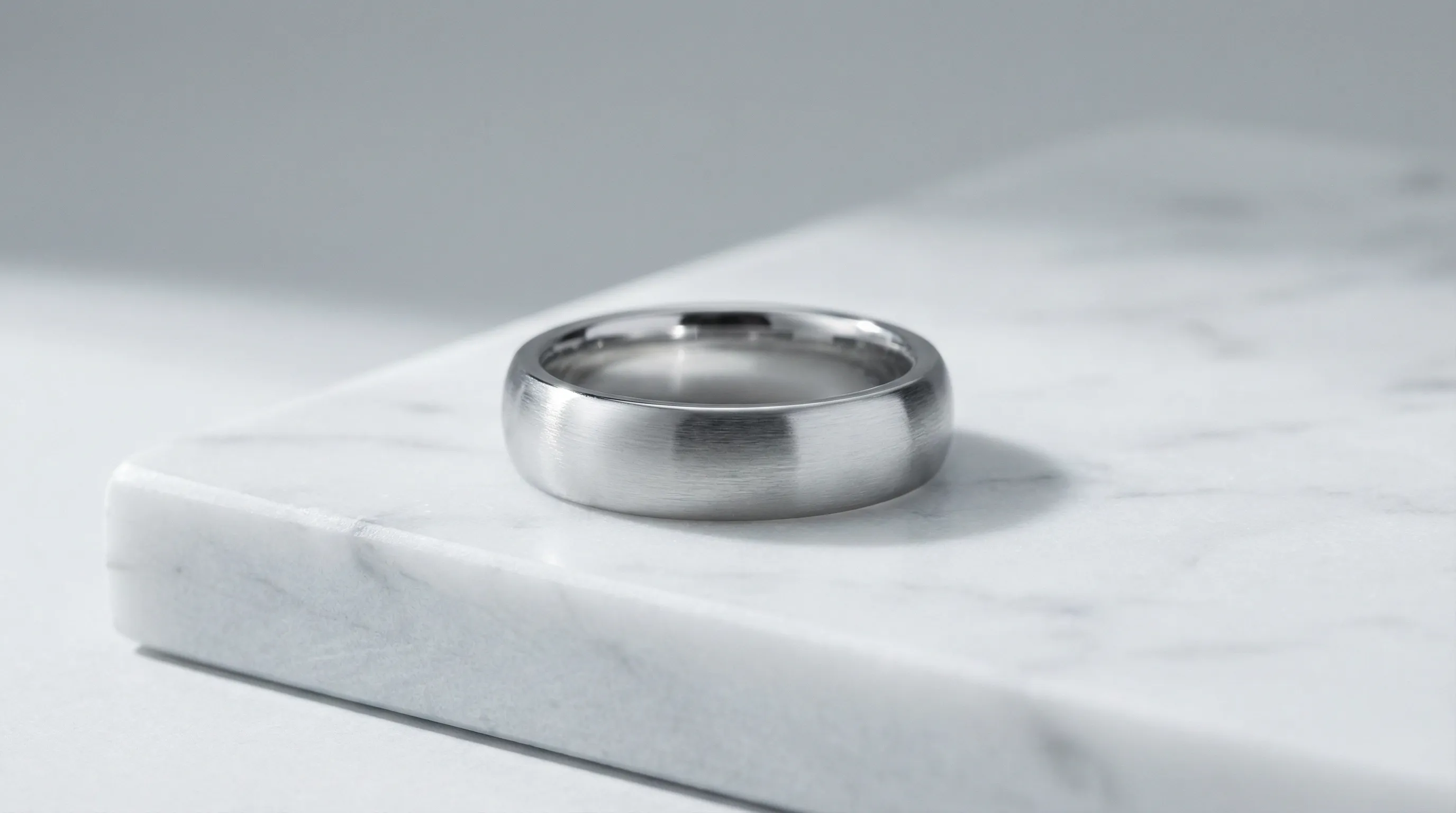
Why it stands out: The Oura Ring 4 is the most credible direct competitor to WHOOP in 2026. The form factor is fundamentally different — a ring rather than a wrist band — and this turns out to matter for accuracy: finger-based PPG sensors measure blood volume changes closer to the radial artery with less motion artifact than wrist sensors, producing HRV readings that independent research has validated against ECG. A 2022 study in Sensors found Oura HRV measurements showed strong correlation with ECG reference (r = 0.98) during sleep — among the highest validated accuracy of any consumer wearable.
What we like:
- Ring-based PPG sensor validated for HRV accuracy against ECG in peer-reviewed research
- Readiness Score (0–100) built from HRV, resting HR, body temperature, and sleep data
- Body temperature deviation tracking — detects illness, menstrual phase, and overtraining signal
- 7-day battery life eliminates daily charging anxiety
- No required subscription — basic sleep and activity data available at $0/month; full Readiness features require $5.99/month
What could be better:
- No display — requires a phone to see real-time data, limiting in-workout utility
- $349 hardware price is at the premium end of the ring category
- Readiness Score is less granular than WHOOP's strain model for athletes tracking acute training load
- Ring sizing requires ordering a sizing kit first, which delays first use
Best for: Users who prioritize sleep tracking and daily recovery over in-workout GPS and sport metrics. The clear top choice for anyone coming from WHOOP who wants similar recovery intelligence without the mandatory subscription cost. Total 3-year cost of ownership: approximately $565 (hardware + optional subscription). Available on the Oura website and Amazon.
2. Garmin Fenix 8 — Best for Athletes Who Want GPS and Recovery
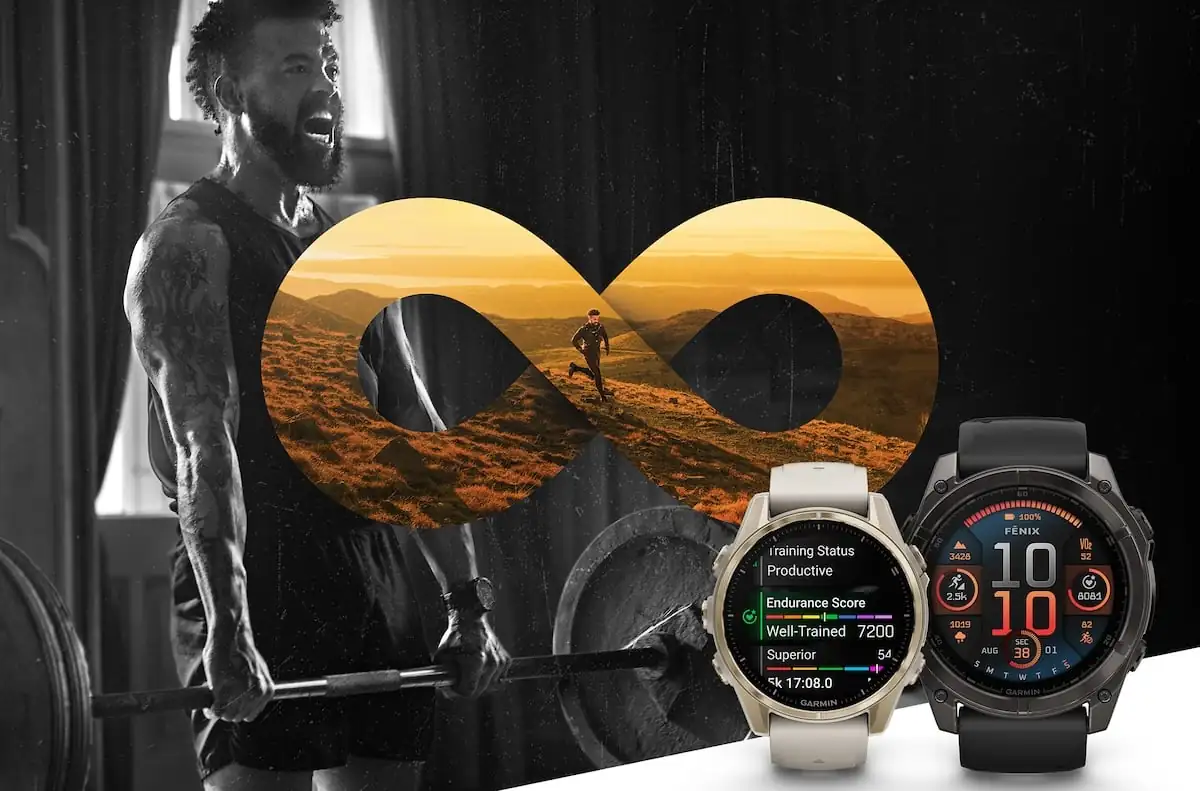
Why it stands out: The Garmin Fenix 8 is a multi-sport GPS watch that has evolved into one of the most capable health monitoring devices available. Its Body Battery score — built from HRV, stress, sleep, and activity — is one of the most sophisticated readiness metrics outside of WHOOP. Critically, Garmin's HRV Status feature now provides a 5-week baseline and flags meaningful deviations, giving longitudinal context that single-session scores lack. For athletes who need GPS training metrics alongside recovery data, there is no better WHOOP alternative.
What we like:
- Body Battery and HRV Status provide WHOOP-comparable recovery intelligence on a full GPS watch platform
- No subscription required — full feature access with hardware purchase
- Best-in-class GPS accuracy with multi-band GNSS for all sport types
- Pulse oximetry, respiration rate, and blood pressure estimation add clinical health monitoring
- Titanium/Sapphire build with up to 16 days battery life in smartwatch mode
What could be better:
- At $899–$1,099 (Fenix 8 Solar Sapphire), it's the most expensive device in this guide
- HRV Status uses 5-minute overnight recordings, not the continuous low-activity window WHOOP uses — produces slightly less granular nightly HRV data
- Screen and software complexity can overwhelm users who simply want readiness scores
- Larger form factor (47mm and 51mm cases) may not suit smaller wrists
Best for: Endurance athletes, triathletes, hikers, and anyone who wants a single device for training, navigation, and recovery without any ongoing subscription. No other device in this guide matches its sport tracking capability. Available on the Garmin website and Amazon.
3. Ultrahuman Ring Air — Best No-Subscription Ring Alternative
Why it stands out: Ultrahuman Ring Air is the most direct competitor to Oura Ring with zero subscription requirements — ever. Ultrahuman's business model sells the ring as a one-time hardware purchase with full app access included. This makes the Ring Air the lowest total cost of ownership of any recovery-focused wearable in this guide over a 3-year period. The device itself tracks HRV, resting heart rate, skin temperature, sleep staging, and produces a daily "Ring Score" (readiness) and "Sleep Score" built from the same core physiological inputs as Oura and WHOOP.
What we like:
- Zero subscription, forever — pay once, use the full platform indefinitely
- True ring design in titanium with 5–6 day battery life
- Comprehensive sleep analysis including time in each sleep stage and sleep debt tracking
- Movement Index (activity tracking) and Strain Score add training load context
- Regular software updates have significantly improved sleep staging accuracy since 2024 launch
What could be better:
- HRV accuracy has not been published in peer-reviewed literature to the same extent as Oura Ring 4
- Sleep staging accuracy still trails Oura in head-to-head user comparisons
- At $349, it's price-equivalent to Oura Ring 4 — the subscription savings are the primary differentiator
- Smaller user base means fewer third-party app integrations and community benchmarks
Best for: Anyone for whom the absence of a subscription is the deciding factor and who wants a ring form factor over a watch. The 3-year cost of ownership is approximately $349 total — the most economical full-featured recovery tracker in this guide. Available on the Ultrahuman website.
4. Apple Watch Series 10 — Best for iOS Ecosystem Integration
Why it stands out: The Apple Watch Series 10 is not primarily a recovery tracker — it's a health monitoring device and general-purpose smartwatch. But in 2026, the combination of AFib detection (FDA-cleared), ECG capability, sleep staging, low resting heart rate notifications, crash detection, and medication reminders makes it the most medically capable wearable in this guide. The Series 10 added sleep apnea detection (FDA-cleared) and a new overnight wrist temperature sensor, pushing it meaningfully into recovery territory. For iPhone users already in Apple's ecosystem, it removes the need for a second device.
What we like:
- AFib detection and ECG capability are FDA-cleared and clinically validated
- Sleep apnea detection added in watchOS 11 — a genuinely unique capability at this price tier
- Complete Apple Health ecosystem integration — all data in one place across iPhone, iPad, and Mac
- No subscription required — full feature access with hardware purchase
- Best smartwatch display, interface, and app ecosystem in the market
What could be better:
- Daily charging required — battery life of 18 hours means charging every night, which disrupts sleep tracking if you charge while sleeping
- HRV measurement is once-per-night during sleep, not continuously — less granular than WHOOP or Oura
- Readiness/Recovery scoring is less developed than WHOOP, Oura, or Garmin — no native "Recovery Score" equivalent
- Round-wrist PPG sensor is less accurate for HRV than finger-based sensors (Oura, Ultrahuman)
Best for: iPhone users who want a single premium device for health monitoring, smartwatch functionality, and clinical-grade features (ECG, AFib, sleep apnea detection) without a second wearable. Not the best choice for WHOOP-style recovery coaching — best for broad health monitoring. Available at Apple.com, Best Buy, and Amazon.
5. Polar H10 + Polar Flow — Best for HRV Accuracy and Athletes
Why it stands out: The Polar H10 is, by consensus among researchers and athletes, the most accurate consumer device for HRV measurement — because it is a chest strap ECG, not a PPG optical sensor. It measures the electrical signal of the heart directly, eliminating the motion artifact and light-absorption variability that limits wrist and ring sensors. Multiple studies have validated Polar H10 HRV data as comparable to medical-grade ECG in quality. For serious athletes or researchers who want the most accurate HRV data available outside a clinical setting, no wearable competes with the H10 for the core metric.
What we like:
- ECG-based HRV measurement — the gold standard in consumer HRV accuracy
- Extensively validated in peer-reviewed research; commonly used as a reference device in wearable accuracy studies
- The most affordable device in this guide (~$90) with a one-time purchase and no subscription
- Integrates with Polar Flow app (free) and most third-party platforms (Garmin Connect, TrainingPeaks, HRV4Training)
- 400-hour battery life on a user-replaceable CR2025 battery
What could be better:
- Chest strap form factor is only practical during or immediately before/after exercise — cannot track sleep HRV without specific sleep use protocols
- No passive 24/7 wear — you must actively put it on for measurement sessions
- No sleep tracking, step counting, or smartwatch functions
- Pairing with HRV4Training app required for HRV-guided training recommendations ($50/year for the app)
Best for: Serious athletes, researchers, and HRV practitioners who want the highest accuracy possible for training readiness and don't need 24/7 passive tracking. An exceptional value at $90 for pure HRV performance. Available on the Polar website and Amazon.
6. Fitbit Charge 6 — Best Budget-Friendly Recovery Tracker
Why it stands out: The Fitbit Charge 6 is the most accessible entry point into recovery-focused wearables, sitting well below the price tier of WHOOP, Oura, and Garmin. Google's ownership of Fitbit has accelerated the health feature set: the Charge 6 now includes an ECG app (FDA-cleared), EDA (electrodermal activity) stress sensor, blood oxygen monitoring, and Daily Readiness Score — a direct WHOOP-equivalent metric that scores your recovery on a 1–100 scale using HRV, sleep, and activity data. The Daily Readiness Score requires a Fitbit Premium subscription ($9.99/month), but the hardware and core features work at no additional cost.
What we like:
- Daily Readiness Score (WHOOP equivalent) available with Fitbit Premium ($9.99/month)
- FDA-cleared ECG app for AFib detection
- EDA stress sensor adds physiological stress measurement beyond HRV alone
- 7-day battery life in standard mode, 4 days with continuous heart rate tracking
- Hardware at approximately $160 — significantly below any other device in this guide
What could be better:
- HRV accuracy from wrist-based PPG sensor is the lowest in this guide — HRV readings are directional, not precise
- Sleep staging accuracy consistently trails Oura and WHOOP in head-to-head comparisons
- Fitbit's future product roadmap under Google ownership has created some user uncertainty
- Daily Readiness Score requires Premium subscription, adding $120/year to the cost
Best for: WHOOP leavers on a tight budget, users new to wearable health tracking who want to test the concept without significant investment, and anyone who values Google ecosystem integration (Android, Google Maps in Charge 6). Available on the Fitbit website and Amazon.
Browse All Products
Explore our evidence-based product reviews across every health category.
What Makes a Good Recovery Wearable
HRV Validity: The Research Behind the Metric
Heart rate variability was first established as a clinical tool in the 1990s when researchers studying post-heart attack patients discovered that reduced HRV was a powerful predictor of cardiac mortality. Since then, HRV has been validated as a marker of autonomic nervous system function, parasympathetic recovery, training adaptation, and psychological stress in hundreds of studies.
A 2021 systematic review in JMIR mHealth and uHealth evaluated the accuracy of consumer wearables against ECG reference standards and found substantial variation: ring-based devices (particularly Oura) showed the strongest correlation with ECG HRV, while wrist-based watches showed higher variability — especially at low heart rates during deep sleep. The review concluded that consumer wearables are appropriate for tracking intra-individual trends (is my HRV going up or down over weeks?) but less reliable for absolute inter-individual comparisons (is my HRV of 65ms "good" compared to others?).
This is a critical nuance for using wearable HRV data. The value is not in the absolute number but in the trend. A week of unusually low HRV readings — even if the absolute numbers are off by 10–15% — is a meaningful signal that your body is under stress. That signal has been validated in multiple prospective studies to predict performance decrements and increased injury risk.
Sleep Stage Accuracy: Setting Realistic Expectations
Consumer wearables use a combination of accelerometer data (movement) and PPG heart rate patterns to infer sleep stages. A 2023 review in Sleep Medicine Reviews synthesized accuracy data from 22 studies and found that consumer wearables correctly identified total sleep time (within 30 minutes) for approximately 85% of participants. Sleep staging accuracy was substantially lower: REM sleep was identified correctly 67–78% of the time, and deep sleep (N3) was identified correctly only 50–72% of the time in the best-performing devices.
This doesn't mean sleep data from wearables is useless — it means the right questions to ask are "did I get enough total sleep?" and "is my sleep timing consistent?" rather than "exactly how many minutes of deep sleep did I get last night?"
How to Actually Use Recovery Data
The research on HRV-guided training is clearest for endurance athletes and has been applied successfully in recreational athletes as well. A practical framework:
Establish a baseline. Wear the device consistently for 2–4 weeks without changing your training. This establishes your personal HRV norms, which are highly individual — a "low" HRV for one person may be normal for another.
Track trends, not daily numbers. A single low-HRV morning is not actionable. A 5–7 day trend of below-baseline HRV is a signal to reduce training load, prioritize sleep, and check for illness or excessive stress.
Correlate with subjective readiness. Research by Marco Altini has consistently shown that combining HRV data with a simple morning "readiness" question (how recovered do you feel on a 1–5 scale?) outperforms either metric alone. Your subjective experience is data.
Don't optimize at the expense of consistency. The single biggest predictor of chronic training adaptations is training consistency over months and years. If chasing HRV scores causes you to under-train or creates anxiety around your metrics, the device is generating net harm. For more context on HRV norms and what constitutes a healthy HRV, see our good HRV score by age guide and our Oura Ring vs. WHOOP comparison.
Get smarter about health tech
Deal alerts, new reviews, and health tips — delivered weekly. No spam.
Unsubscribe anytime. We respect your inbox.
FAQ
Is Oura Ring better than WHOOP for recovery tracking?
For most users, yes — Oura Ring 4 delivers comparable recovery intelligence with ring-based HRV accuracy that independent research has validated more rigorously than WHOOP's wrist-based sensor. Oura's total cost of ownership is lower over 3 years ($565 with optional subscription vs. $700–$1,100 for WHOOP), and the ring form factor is less intrusive for daily wear. WHOOP maintains advantages in strain model granularity and community benchmarking for serious athletes following a structured training plan.
Can I track HRV without a subscription?
Yes. The Garmin Fenix 8, Garmin Forerunner series, Apple Watch Series 10, Polar H10, Fitbit Charge 6 (basic data), and Ultrahuman Ring Air all provide HRV tracking with no ongoing subscription requirement. Oura Ring 4 provides HRV and basic sleep data at $0/month; advanced Readiness features require $5.99/month. Only WHOOP requires a subscription to use the device at all.
How accurate is wearable HRV compared to a medical ECG?
Accuracy varies significantly by device type. ECG-based devices (Polar H10) show near-perfect correlation with medical ECG for HRV measurement (r > 0.99 in validation studies). Ring-based PPG devices (Oura Ring 4) show strong correlation (r = 0.94–0.98) during sleep. Wrist-based PPG devices (Apple Watch, Garmin, WHOOP) show moderate correlation (r = 0.75–0.90) that decreases during high movement periods. For clinical purposes, all consumer wearables should be treated as trend monitors, not medical measurement devices.
Should I train when my recovery score is low?
Depends on the context. A low recovery score from a single night of poor sleep due to travel or disrupted schedule is not a reason to skip training — individual variation is high and single-data-point decisions are unreliable. A 3–5 day trend of below-baseline recovery scores accompanied by subjective fatigue, elevated resting heart rate, and mood changes is a legitimate signal to reduce training intensity for 1–2 days. The research on HRV-guided training supports modifying intensity (doing a lower-intensity session rather than skipping entirely) rather than completely resting in response to low recovery scores.
Affiliate Disclosure: Better Vitals may earn a commission when you purchase through our links. Our recommendations are based on independent research and, where possible, hands-on testing. Your purchase supports our mission to deliver honest, science-backed health optimization content.
Featured Products
Products mentioned in this article

Related Guides
More articles you might find helpful
Wonderfeel Youngr vs NOVOS Boost (2026): Which NMN Wins?
*Updated July 2026*
Most Accurate CGM in 2026: MARD Scores Compared (Every Sensor)
*Updated July 2026*
Dexcom Stelo vs Abbott Lingo (2026): Accuracy, Price, App Compared
*Updated July 2026*

Written by
Steve Luu
Health tech researcher