How to Lower Your Resting Heart Rate: The Evidence-Based Guide
Key Takeaway
Resting heart rate (RHR) is one of the most accessible and predictive cardiovascular biomarkers available. Every beat per minute you reduce your resting heart rate is associated with meaningful mortality reduction. A 2013 analysis in the Heart journal (3 million person-years of follow-up) found ea

Affiliate Disclosure: BetterVitals may earn a commission from purchases made through links in this article, at no additional cost to you. This supports our independent research and analysis. We only recommend products we believe in after thorough evaluation.
Medical Disclaimer
This article is for educational purposes only and is not a substitute for professional medical advice, diagnosis, or treatment. Always consult your healthcare provider before making health decisions.
How to Lower Your Resting Heart Rate: The Evidence-Based Guide
Resting heart rate (RHR) is one of the most accessible and predictive cardiovascular biomarkers available. Every beat per minute you reduce your resting heart rate is associated with meaningful mortality reduction. A 2013 analysis in the Heart journal (3 million person-years of follow-up) found each 10 bpm increase in RHR above 45 bpm was associated with a 16% increase in all-cause mortality, 20% increase in cardiovascular mortality, and 9% increase in cancer mortality.
The good news: resting heart rate is one of the most modifiable health markers through lifestyle intervention. This guide covers what actually moves the number, how fast, and — just as importantly — when an elevated or changing RHR is a reason to see a doctor rather than a training plan.
What Is a Normal Resting Heart Rate?
Reference range: 60-100 bpm (standard medical definition) Optimal range: 40-60 bpm (consistent with longevity data) Elite athletes: Often 35-50 bpm
The 60-100 bpm "normal range" includes a large amount of cardiovascular risk variation. At 90 bpm (within range), you have roughly 3-4x the mortality risk compared to someone at 45 bpm. The target should be the optimal range (40-60 bpm), not the maximum tolerated "normal."
One caveat worth stating plainly: these are population associations, not guarantees. A lower RHR generally reflects better cardiovascular fitness and lower sympathetic stress load — which is what drives the improved outcomes — but chasing the number for its own sake misses the point. The interventions below improve the underlying physiology; the falling RHR is the visible receipt.
Warning: Resting heart rate below ~40 bpm without athletic training context may indicate pathological bradycardia (slow heart rate from conduction problems) and warrants physician evaluation.
Why Your Resting Heart Rate Might Be High
Before optimizing, rule out the obvious drivers. A persistently elevated RHR usually traces to one or more of these:
- Low aerobic fitness — the most common and most fixable cause
- Chronic stress and poor sleep — sustained sympathetic nervous system activation
- Stimulants — caffeine, nicotine, decongestants (pseudoephedrine), some asthma inhalers, ADHD medications
- Alcohol — both acutely and through disrupted sleep
- Dehydration and heat — lower blood volume forces a faster heart rate
- Illness and fever — RHR commonly rises several bpm a day or two before symptoms and stays elevated during recovery
- Overtraining — hard training without adequate recovery elevates morning RHR; a sustained 5+ bpm rise above baseline is a classic signal to back off
- Medical conditions — anemia, hyperthyroidism, arrhythmias, and others can all elevate heart rate and deserve diagnosis, not lifestyle tinkering
That last category matters: if your RHR is persistently high despite reasonable fitness and lifestyle, or rose noticeably without explanation, get bloodwork and an exam before assuming you just need more Zone 2.
How to Measure Resting Heart Rate Accurately
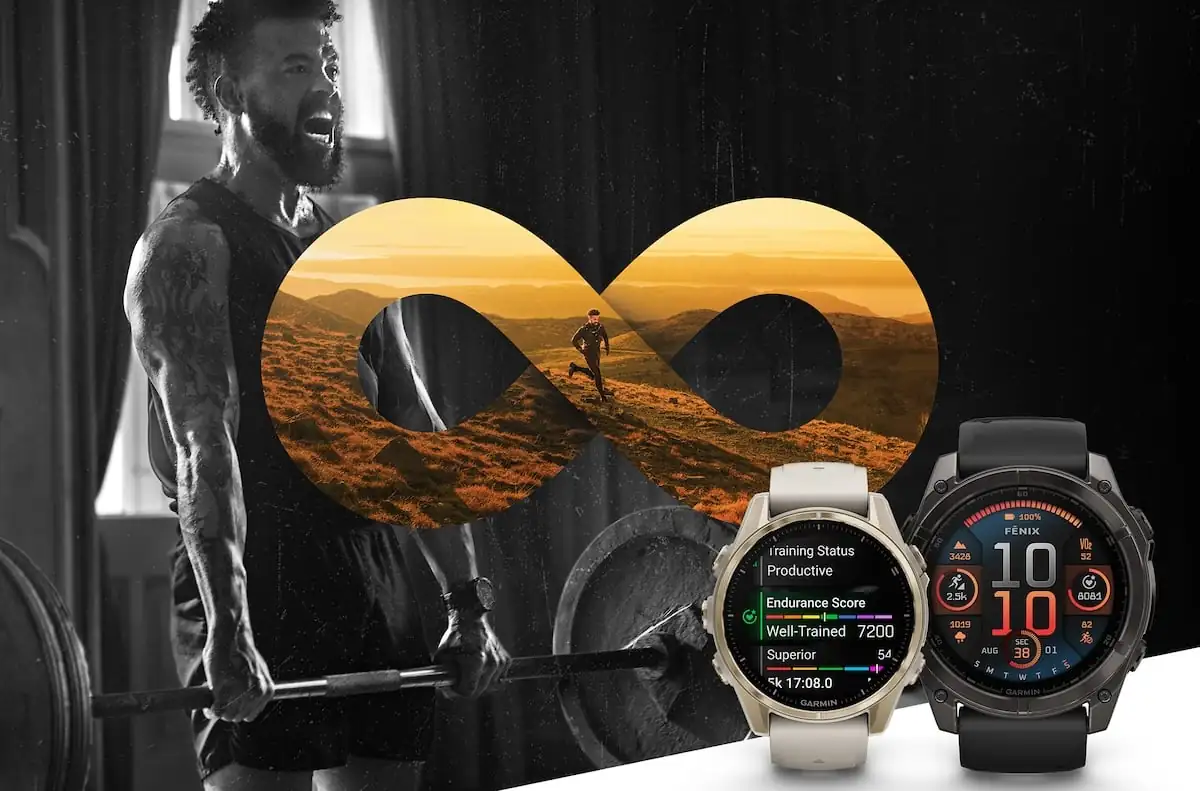
Best time: Immediately upon waking, before getting out of bed Method: Count pulse for 60 seconds OR use a wearable device (Garmin, Oura Ring, Apple Watch) Frequency: 7-day average is more meaningful than any single reading — morning cortisol, hydration, and recent activity affect it
Wearable accuracy for overnight/morning RHR is generally excellent (±2-3 bpm of ECG reference for most devices). Use consistent measurement methodology for valid trending.
Two practical notes: consumer wearables are wellness tools, not medical devices — their readings are estimates, best used for trends against your own baseline rather than absolute truth. And don't mix methods when trending: an overnight-average RHR from a ring will read a few bpm lower than a waking spot-check, because it captures your deepest sleep. Either is fine; switching between them mid-experiment will manufacture fake "progress" or fake "regression."
6 Evidence-Based Strategies to Lower Resting Heart Rate
1. Aerobic Training (Highest Impact)
Regular aerobic exercise is the single most powerful intervention for lowering resting heart rate. The mechanism: aerobic training increases stroke volume (the amount of blood ejected per beat). With greater stroke volume, your heart can maintain adequate cardiac output with fewer beats per minute.
Zone 2 training is the most efficient approach. Consistent Zone 2 exercise (conversational pace) for 3-5 hours/week over 6-12 weeks produces significant RHR reductions:
- A 2013 meta-analysis (British Journal of Sports Medicine, 74 studies) found aerobic exercise training reduced resting heart rate by an average of 5-10 bpm
- Elite endurance athletes with decades of training reach 40-50 bpm RHR from cardiac remodeling
Protocol: 3-5 sessions/week at 60-70% HRmax for 30-60 minutes each. Improvement is gradual — expect 3-5 bpm reduction per month initially, plateauing as fitness improves.
If you're starting from zero: don't jump to five hours a week. Begin with brisk walking — 30 minutes, most days — and progress to cycling, jogging, rowing, or swimming as fitness allows. "Conversational pace" is the honest test: you should be able to speak in full sentences. The biggest RHR gains come in the first months of going from sedentary to consistently active; this is the rare intervention where beginners see the fastest results. Full protocol details in our Zone 2 training guide. If you're over 40, sedentary, or have any cardiac history, check with your physician before starting a new training program.
2. Improve Sleep Quality
Poor sleep acutely elevates resting heart rate. A 2021 study in SLEEP found each 1-hour reduction in sleep duration was associated with a 1.3 bpm increase in morning resting heart rate. Chronic sleep debt causes persistent sympathetic nervous system activation that keeps RHR elevated.
Interventions with direct RHR impact:
- Target 7-9 hours per night consistently
- Reduce evening stress and cortisol (bright light management, meditation)
- Keep a consistent sleep and wake time — irregular schedules keep nighttime heart rate elevated even when total hours look adequate
- Avoid alcohol and large meals within ~3 hours of bed; both visibly raise overnight heart rate on any wearable
- Treat sleep apnea if applicable — severe OSA can raise RHR by 5-15 bpm. Loud snoring, witnessed pauses in breathing, or unrefreshing sleep despite adequate hours are reasons to ask your doctor about a sleep study, not just a supplement.
3. Reduce Chronic Stress
The HPA (hypothalamic-pituitary-adrenal) axis and sympathetic nervous system are chronically activated by psychological stress, keeping cortisol and catecholamines elevated — directly raising heart rate. Chronically stressed individuals have elevated baseline sympathetic tone.
Evidence-based stress reduction for RHR:
- Mindfulness meditation: A 2019 meta-analysis found 8-week mindfulness programs reduced RHR by 3-4 bpm
- Regular yoga: Multiple RCTs show yoga reduces RHR by 5-10 bpm over 12 weeks
- Slow breathing (5-7 breaths/minute): Activates the parasympathetic nervous system acutely; practiced regularly, shifts baseline HRV and RHR. A simple starting protocol: 5 minutes of slow nasal breathing (roughly 5 seconds in, 5 seconds out) once or twice daily — free, low-risk, and easy to verify on your own wearable's HRV trend.
4. Optimize Hydration
Dehydration reduces blood volume, requiring the heart to beat faster to maintain cardiac output. Even mild dehydration (1-2% body weight) measurably increases heart rate.
Simple intervention: Drink adequate fluids throughout the day — 2.5-3.5L for most adults (more in heat or with exercise). Monitor urine color (pale yellow = adequate; dark yellow = dehydrated).
5. Reduce Caffeine (If Overconsumed)
Caffeine blocks adenosine receptors and stimulates sympathetic nervous system activity, acutely raising heart rate by 2-8 bpm. Chronic high caffeine intake (>400mg/day) may maintain baseline sympathetic activation.
If your RHR is elevated and you consume 500+ mg caffeine/day, reducing to 200-300mg or eliminating afternoon caffeine can produce a measurable 2-4 bpm reduction within 2-4 weeks. Habitual moderate drinkers develop partial tolerance, so there's no need to quit entirely — timing (nothing after early afternoon) usually matters more than total elimination.
6. Limit Alcohol
Alcohol disrupts sleep architecture (fragments REM and reduces total sleep time) and directly affects cardiac rhythm, raising resting heart rate even when not acutely intoxicated. Regular drinkers show elevated RHR vs matched non-drinkers in epidemiological data. A 2-week alcohol elimination trial typically shows 2-4 bpm RHR reduction in regular drinkers — and it's one of the easiest experiments to run yourself, since the overnight heart rate effect of evening drinks is visible on a wearable within a single night.
Two more levers worth naming: nicotine in any form (smoking, vaping, pouches) is a direct stimulant that keeps heart rate elevated — quitting reliably lowers RHR along with essentially every other cardiovascular risk marker. And sustained weight loss in people carrying excess weight reduces the heart's workload and typically lowers RHR as a side effect of the same habits (training, sleep, less alcohol) described above.
Browse All Products
Explore our evidence-based product reviews across every health category.
What Doesn't Move the Needle Much
Honesty requires a short list of things that get marketed as RHR fixes but underdeliver: supplements sold for "heart rate support" have weak or no evidence for lowering RHR in healthy people; cold plunges acutely spike then lower heart rate but haven't demonstrated lasting baseline RHR changes; and gadget-driven biohacks can't substitute for the boring big four — aerobic training, sleep, stress, and stimulant/alcohol moderation. If a product promises a lower resting heart rate without any of those, be skeptical.
Tracking Progress
Track RHR trends over weeks, not days. Day-to-day variation of ±5-8 bpm is normal and reflects hydration, stress, illness, and previous day's training. What matters is the 7-14 day rolling average trend.
Wearables that track overnight RHR (Oura Ring, Garmin, Whoop) provide the most consistent data. Morning spot-checks on a smartwatch are also valid if done consistently.
Expected timelines:
- Aerobic training (Zone 2, 5hr/week): 3-5 bpm reduction in 4-8 weeks; 10-15 bpm reduction over 12+ months
- Sleep optimization: 2-5 bpm within 2-4 weeks
- Stress reduction: 3-5 bpm over 8-12 weeks
Combining all interventions simultaneously produces faster and larger improvements. Set expectations accordingly: going from 75 to 65 bpm within a year of consistent training is a realistic, excellent outcome; going from 75 to 50 is a multi-year endurance-athlete trajectory, not a 12-week program.
When to See a Doctor
Lifestyle optimization is for healthy people with unremarkable but improvable numbers. See a physician promptly if any of these apply:
- RHR persistently above 100 bpm (tachycardia) despite rest and hydration
- A sudden, sustained rise of 10+ bpm above your established baseline without an obvious cause (illness, heat, travel, new training block)
- RHR below ~40 bpm without an endurance-training history, or any low heart rate with dizziness or fainting
- Palpitations, fluttering, or irregular rhythm sensations — especially with lightheadedness or chest discomfort
- Chest pain, unexplained shortness of breath, or fainting — these are urgent-evaluation symptoms, full stop
- Elevated RHR plus other symptoms — fatigue, heat intolerance, unexplained weight change — which can point to thyroid disease, anemia, or other treatable conditions
And a note on wearables: they're excellent at surfacing trends, and a wearable-detected baseline shift is a legitimate reason to get checked. But no consumer device diagnoses arrhythmias or heart disease, and a reassuring app score never outranks real symptoms.
Get smarter about health tech
Deal alerts, new reviews, and health tips — delivered weekly. No spam.
Unsubscribe anytime. We respect your inbox.
Bottom Line
Resting heart rate is a rare biomarker: cheap to measure, honest about your physiology, and genuinely responsive to lifestyle change. The playbook is unglamorous and effective — build aerobic fitness with 3-5 Zone 2 sessions a week, protect 7-9 hours of sleep, manage stress with a daily slow-breathing or mindfulness practice, stay hydrated, and keep caffeine, alcohol, and nicotine in check. Expect a few bpm within the first month and 10+ bpm over a year of consistency. Track the 7-14 day trend, not the daily number — and treat persistent outliers, symptoms, or unexplained changes as a reason to see a doctor, not to double your training volume.
FAQ
What resting heart rate should I target?
Based on mortality outcome data, aim for 50-60 bpm if untrained, or 45-55 bpm with consistent aerobic training. Below 40 bpm in non-athletes warrants physician evaluation for conduction abnormalities.
Does lowering resting heart rate matter if I exercise regularly?
Yes — both exercise capacity (VO2 max) and resting heart rate independently predict longevity. A high VO2 max with a high RHR is less protective than having both optimized. RHR reflects chronic baseline sympathetic tone; even very fit people can have elevated RHR from chronic stress or poor sleep.
Why do elite athletes have such low resting heart rates?
Decades of aerobic training enlarges the left ventricle (athlete's heart), dramatically increasing stroke volume. The heart can maintain adequate cardiac output (cardiac output = HR × stroke volume) at a lower heart rate. This is a beneficial physiological adaptation — not the same as pathological bradycardia from conduction problems.
How quickly can I lower my resting heart rate?
Sleep and hydration fixes show up within days to a couple of weeks (2-5 bpm). Consistent aerobic training produces measurable change in 4-8 weeks and roughly 10-15 bpm over a year or more. Anything promising dramatic drops in days is either fixing an acute problem (dehydration, alcohol, illness) or overpromising.
Can medications affect resting heart rate?
Yes, in both directions. Stimulants (decongestants, ADHD medications, some asthma inhalers) and thyroid hormone raise it; beta-blockers and some other cardiac medications lower it deliberately. Never adjust prescribed medication to chase a wearable number — if a medication seems to be driving your RHR, discuss it with your prescriber.
Why did my resting heart rate suddenly go up?
The common benign causes: oncoming illness (RHR often rises 1-2 days before symptoms), alcohol, poor sleep, heat, dehydration, travel, or a hard training block. If a rise of 10+ bpm persists for more than a week or two without an identifiable cause — or comes with palpitations, breathlessness, or fatigue — see a doctor rather than waiting it out.
Is a resting heart rate in the 50s too low?
For a regular exerciser, an RHR in the 50s (or even 40s) with no symptoms is typically a healthy training adaptation. Low heart rate becomes a concern when it's paired with dizziness, fainting, unusual fatigue, or appears in someone with no endurance-training history — those cases warrant evaluation.
Are wearable resting heart rate readings accurate enough to trust?
For trending, yes — overnight RHR from quality wearables is generally within a few bpm of ECG reference, and week-over-week trends are their strongest use case. They remain wellness devices, though: use them to spot changes in your own baseline, not to diagnose or rule out heart conditions.
Related guides: Zone 2 Training Guide | Good HRV Score by Age | Sleep and Longevity
This article is for educational purposes only and is not medical advice. Consult a physician for concerns about your heart rate or before beginning a new exercise program.
Updated July 2026
Featured Products
Products mentioned in this article


Related Guides
More articles you might find helpful
Best Bed Cooling Systems 2026: Eight Sleep vs Cheaper Alternatives
**Disclosure:** Product CTAs on this page currently go to manufacturer sites (no affiliate tracking yet). Better Vitals may earn a commission once partner links are live — rankings and "skip if" calls won't change when we swap URLs. We only recommend gear we'd put on a shortlist for a specific type
Is the Oura Membership Worth It in 2026? (And How to Skip It)
*Updated July 2026*
Oura Ring Price in 2026: Every Model, Subscription & Real Total Cost
*Updated July 2026*

Written by
Steve Luu
Health tech researcher