Know Your
Numbers
Bio-marker identification and tracking. From standard panels to cutting-edge epigenetic age testing.

Science-backed protocols for labs optimization.
You can't improve what you don't measure. The good news? Testing has never been easier.
About Labs
Preventive lab testing has shifted from an annual doctor visit ritual to a continuous optimization tool. The at-home diagnostics market reached $5.6 billion in 2025, driven by consumers who want to track biomarkers like ApoB, insulin, vitamin D, and testosterone without waiting for a physician referral [1].
The clinical value of proactive biomarker monitoring is well-established. A 2023 study in JAMA Internal Medicine found that individuals who tracked at least five key biomarkers quarterly were 34% more likely to identify metabolic risk factors before they progressed to clinical disease, compared to those relying on standard annual physicals [2].
Modern lab services like InsideTracker, Function Health, and SiPhox Health combine comprehensive blood panels with AI-powered analysis that contextualizes your results against population data and your own historical trends. Some platforms now include epigenetic age testing — using DNA methylation markers to estimate biological age, which research suggests is a stronger predictor of healthspan than chronological age [3].
For optimal results, experts recommend testing a core panel (CBC, CMP, lipids, thyroid, vitamin D, HbA1c) every 3-6 months, with specialized markers (ApoB, hs-CRP, insulin, sex hormones) tested quarterly. Consistency in testing conditions — time of day, fasting status, exercise proximity — is critical for meaningful trend analysis.
"You cannot manage what you do not measure. Regular biomarker testing is the foundation of any serious longevity protocol."
Sources
- Market Research Future. "Home Diagnostics Market Research Report — Global Forecast to 2027." 2025.
- Li X, et al. "Association Between Routine Biomarker Monitoring and Health Outcomes." JAMA Internal Medicine, 2023.
- Horvath S, Raj K. "DNA Methylation-Based Biomarkers and the Epigenetic Clock Theory of Ageing." Nature Reviews Genetics, 2018.
Start Here
Get Your Personalized Labs Plan
Answer a few questions to get tailored recommendations.
Take a Quick Quiz
Recommended Products

InsideTracker Ultimate
$$48 biomarkers analyzed

Function Health
$$100+ biomarker testing

TruDiagnostic TruAge
$$Epigenetic age testing

Thorne at-home Test
$$89 biomarker panel
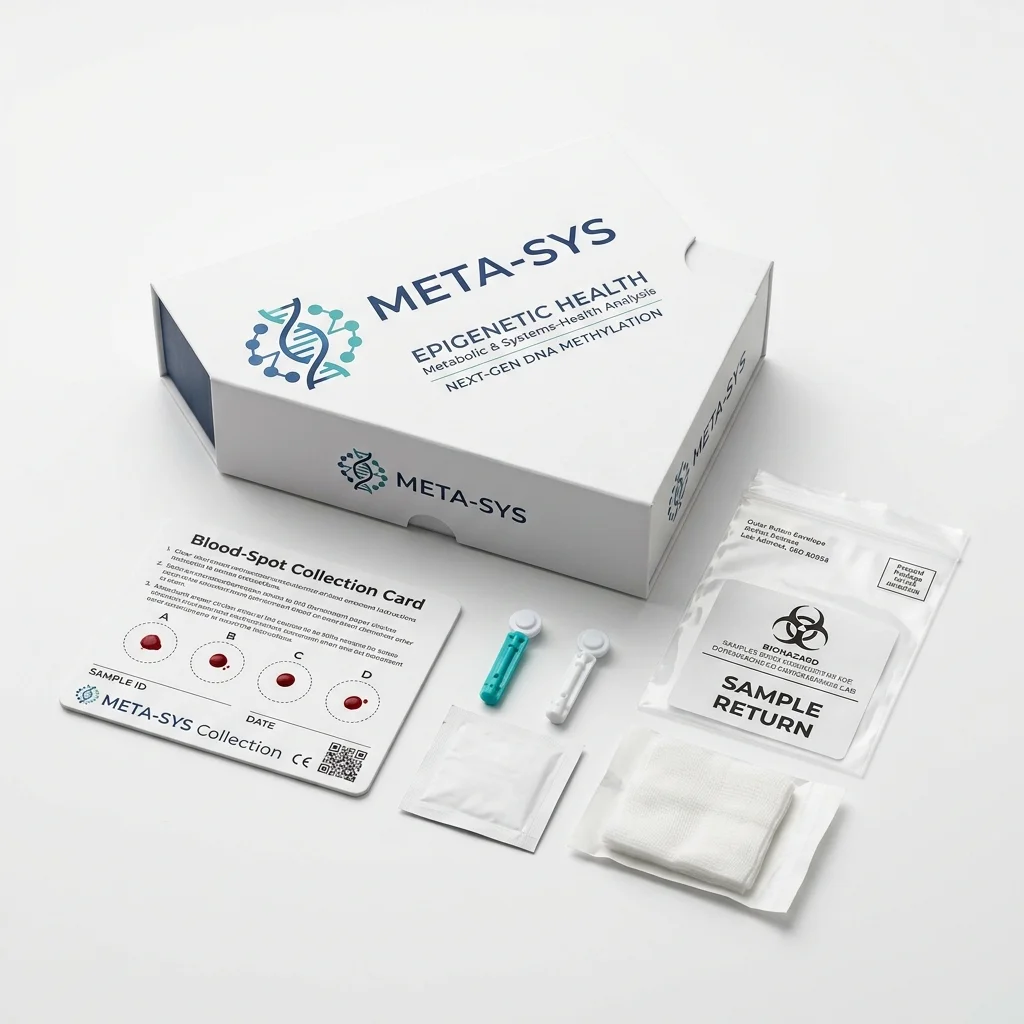
TruDiagnostic TruHealth
$$A companion panel to TruDiagnostic's TruAge epigenetic test, extending analysis into metabolic and system-level health biomarkers derived from the same DNA-methylation data.
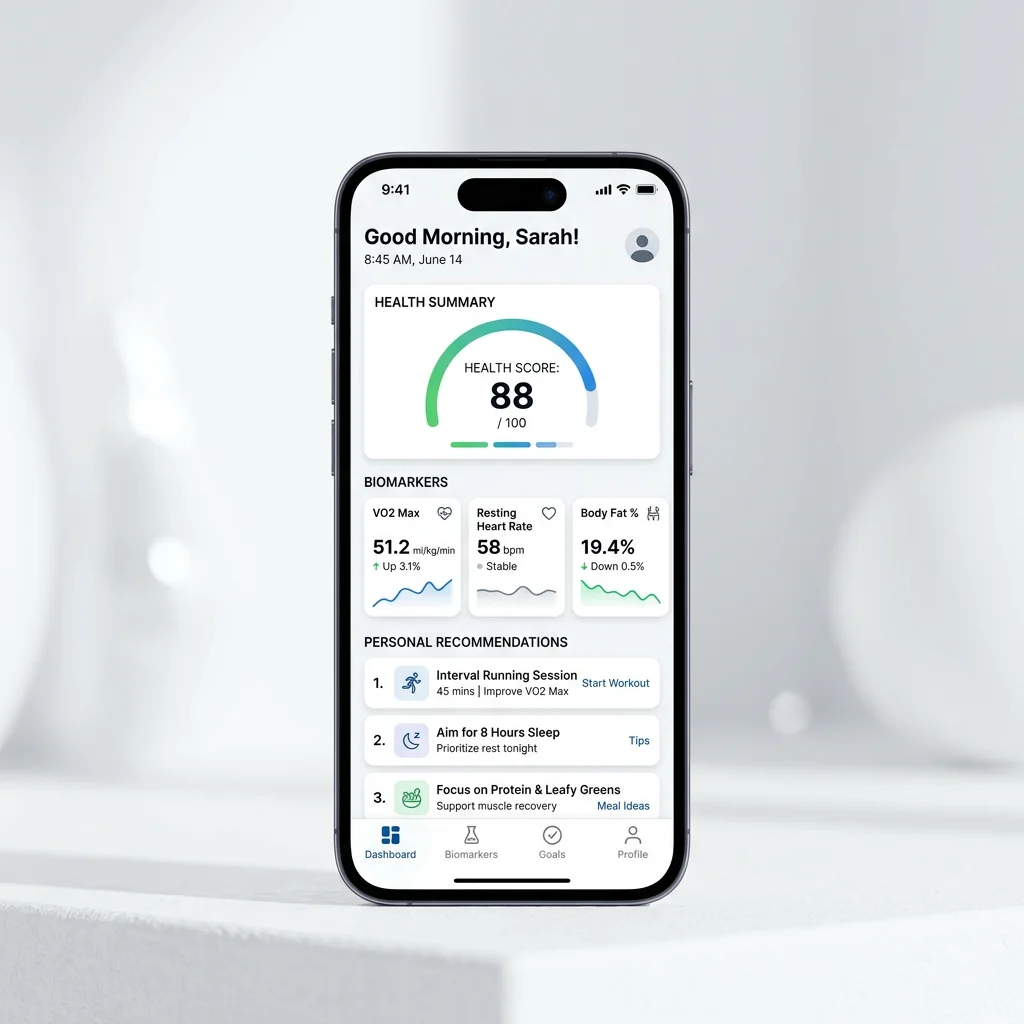
Superpower
$Affordable biomarker tracking
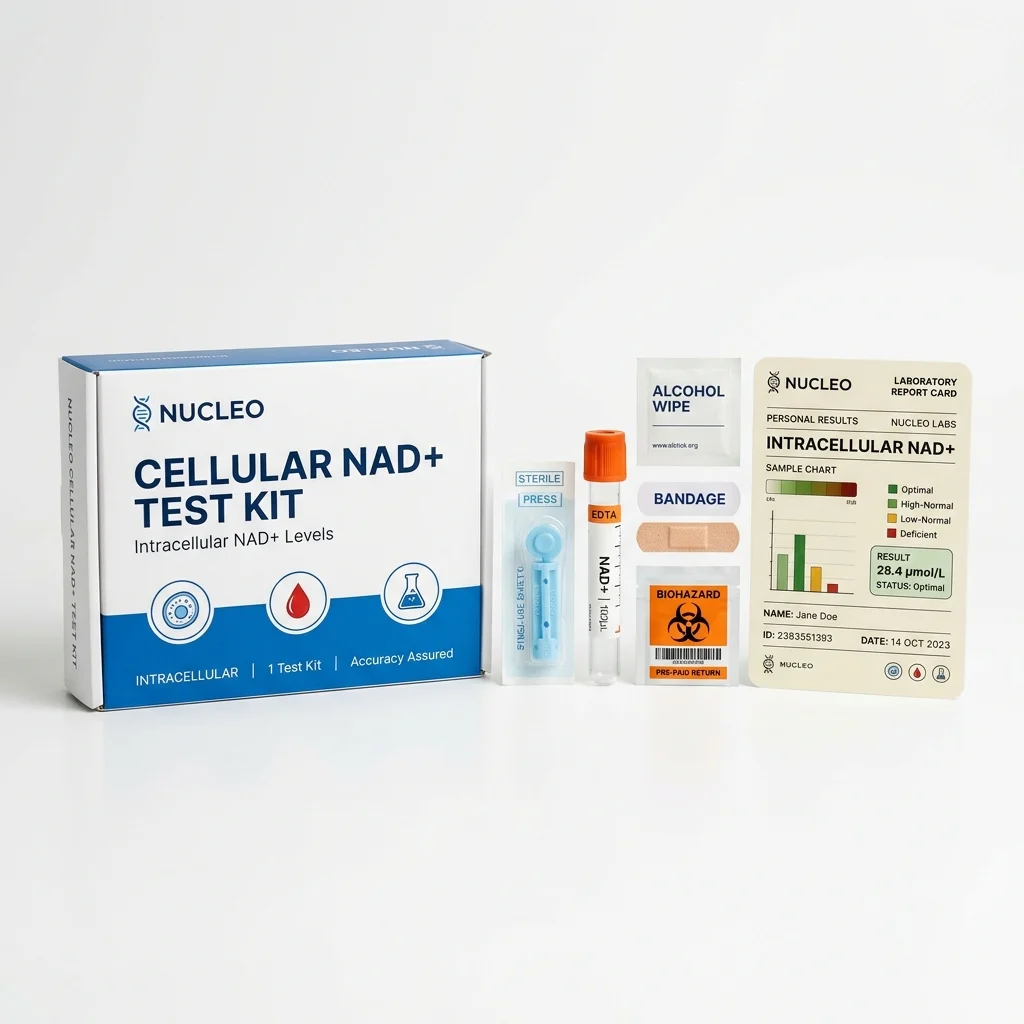
Jinfiniti Intracellular NAD Test
$$An at-home blood test measuring intracellular NAD+ levels — the only way to know if your NAD+ boosters are actually working. Provides a personalized NAD+ optimization target.
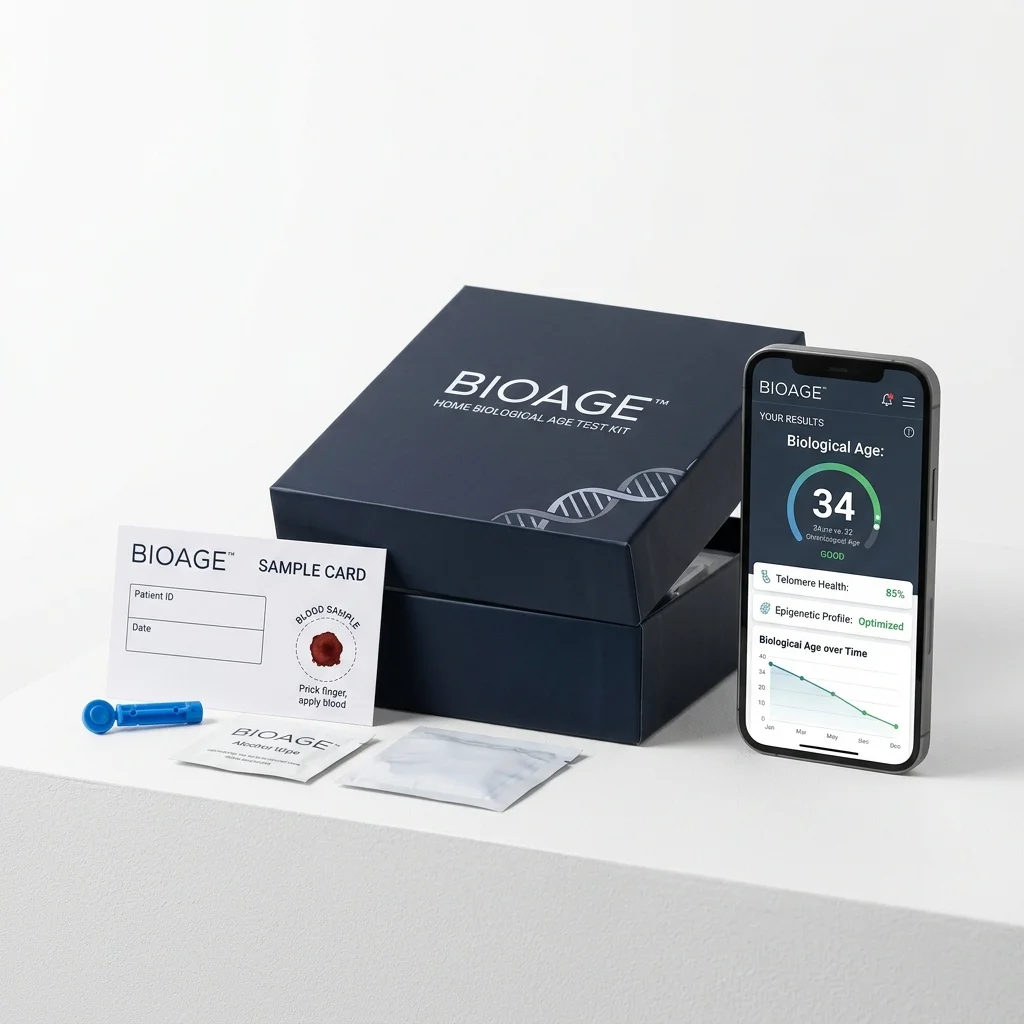
NOVOS Age
$$An at-home biological age test combining an epigenetic (DNA methylation) clock, telomere length, and a facial-scan skin-age reading. Ties results to actionable longevity recommendations.

AgeRate Biological Age Test
$$$A premium DNA-methylation biological age test bundled with an annual membership and ongoing tracking. Positioned as a guided, longitudinal aging-monitoring program rather than a one-off test.
Frequently Asked Questions
Common questions about this topic
Affiliate Disclosure: BetterVitals may earn a commission from purchases made through links in this article, at no additional cost to you. This supports our independent research and analysis. We only recommend products we believe in after thorough evaluation.