WHOOP vs Oura Ring vs Apple Watch: Complete Health Tracker Comparison 2026
Key Takeaway
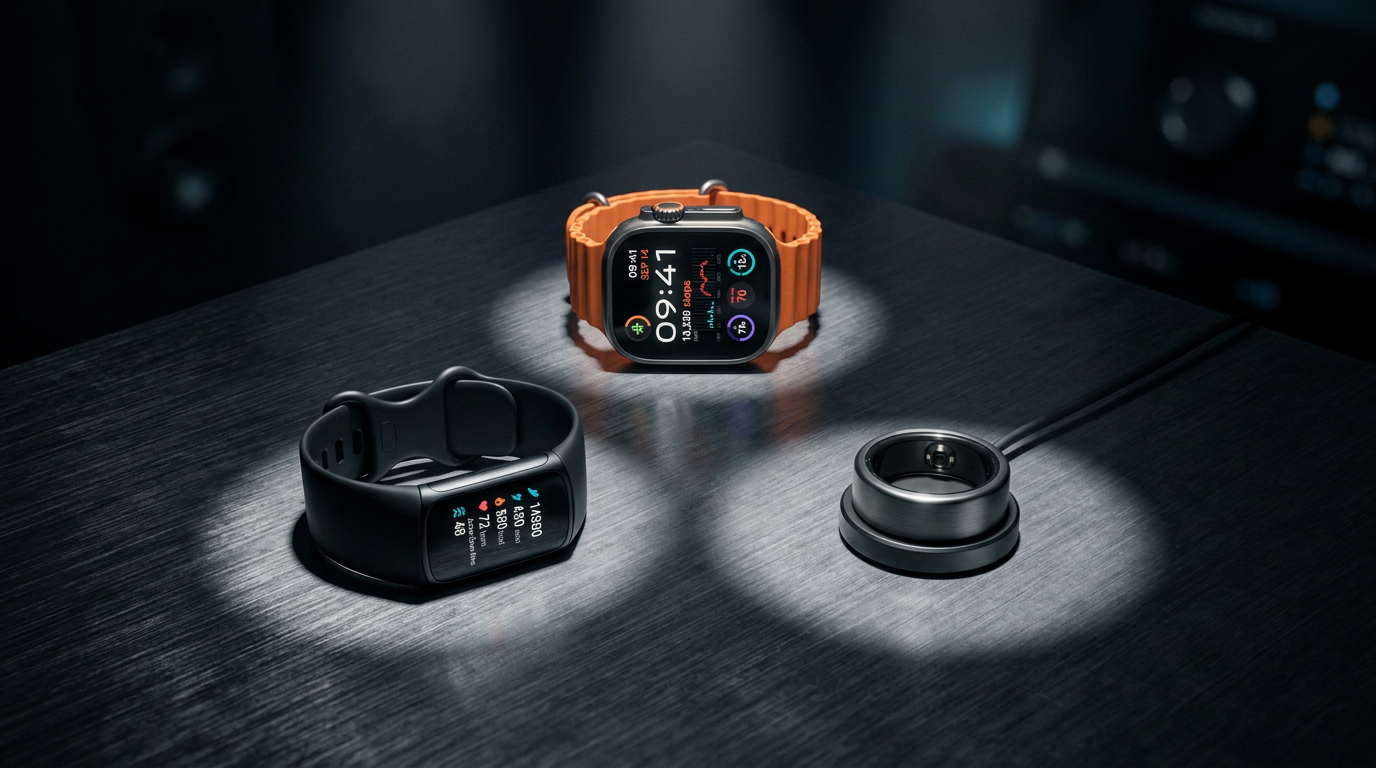
Three wearables dominate the health tracking conversation in 2026: the WHOOP 5.0, the Oura Ring 4, and the Apple Watch (Series 10 and Ultra 2). They all measure heart rate, HRV, and sleep — but that's roughly where the similarities end. Each device was built around a different philosophy, optimized
Affiliate Disclosure: BetterVitals may earn a commission from purchases made through links in this article, at no additional cost to you. This supports our independent research and analysis. We only recommend products we believe in after thorough evaluation.
Medical Disclaimer
This article is for educational purposes only and is not a substitute for professional medical advice, diagnosis, or treatment. Always consult your healthcare provider before making health decisions.
WHOOP vs Oura Ring vs Apple Watch: Complete Health Tracker Comparison 2026
Three wearables dominate the health tracking conversation in 2026: the WHOOP 5.0, the Oura Ring 4, and the Apple Watch (Series 10 and Ultra 2). They all measure heart rate, HRV, and sleep — but that's roughly where the similarities end. Each device was built around a different philosophy, optimized for a different user, and priced with a different model.
The quick version: WHOOP is built for athletes who want strain-based training guidance. Oura is built for people who prioritize sleep and passive recovery tracking. Apple Watch is built for everyone who wants a smartwatch that also happens to track health. If you already know which of those descriptions fits you, that's probably your answer.
We've reviewed all three individually — see our WHOOP 5 review, Oura Ring 4 review, and Apple Watch vs Oura Ring comparison. This article is the full three-way breakdown.
Quick Comparison Table
| Feature | WHOOP 5.0 | Oura Ring 4 | Apple Watch Series 10 / Ultra 2 |
|---|---|---|---|
| Form factor | Wrist strap (or apparel) | Titanium ring | Wrist-worn smartwatch |
| Starting price | $0 (hardware included) | $349 | $399 / $799 |
| Subscription | $30/mo (required) | $6/mo (optional) | None (Fitness+ $10/mo optional) |
| 2-year total cost | ~$720 | ~$493 | $399–$799 one-time |
| Battery life | 4–5 days | 5–7 days | 18–36 hours |
| Sleep tracking | ★★★★☆ | ★★★★★ | ★★★☆☆ |
| HRV & recovery | ★★★★★ | ★★★★★ | ★★★☆☆ |
| Fitness tracking | ★★★★☆ | ★★☆☆☆ | ★★★★★ |
| Smart features | None | None | Full smartwatch |
| Health sensors | PPG, SpO2, temp, accelerometer | PPG (multi-wavelength), SpO2, temp | ECG, PPG, SpO2, temp, crash detection |
| GPS | No (phone-connected) | No | Yes (built-in) |
| Water resistance | IP68 (10m) | 100m | 50m / 100m |
| Display | None | None | Always-on Retina |
The numbers tell part of the story, but the experience of living with each device day after day is where the real differences emerge. Let's break it down category by category.
Sleep Tracking
Winner: Oura Ring — the clear leader.
Sleep tracking is where the Oura Ring justifies its existence. The ring sits on your finger, where arteries are closer to the surface and signal quality is inherently stronger than at the wrist. The result is more accurate sleep staging — light, deep, REM, and awake — that independent studies have found comparable to clinical polysomnography.
Oura's sleep analysis includes minute-by-minute staging, sleep efficiency scoring, latency tracking, skin temperature deviation (useful for illness detection and menstrual cycle tracking), and a Sleep Score that synthesizes everything into a single number. After months of use, Oura's Sleep Score consistently matches subjective sleep quality better than either competitor.
WHOOP takes sleep tracking seriously too. It detects sleep stages, calculates sleep debt, and provides a Sleep Performance percentage that tells you how much of your needed sleep you actually got. The "Sleep Coach" feature recommends optimal bedtime based on your recent strain and sleep debt. For athletes who push hard and need to understand recovery, this is genuinely useful. But WHOOP's wrist-based sensor doesn't match Oura's staging accuracy, and wearing a strap to bed is less comfortable than a ring for most people.
Apple Watch has improved its sleep tracking significantly through watchOS updates, but it still faces the fundamental problem: battery life. If your watch dies at 1 AM, you lose the second half of your sleep data. Apple Watch also lacks the skin temperature precision that makes Oura's overnight insights so useful. You can get decent sleep data from the Apple Watch, but you have to plan your charging around it — and most people eventually stop bothering.
For a broader look at this category, see our best sleep trackers roundup.
HRV & Recovery
Winner: WHOOP for athletes. Oura for everyone else.
Heart rate variability is the metric that separates serious health trackers from step counters. All three devices measure HRV, but how they contextualize and present it differs significantly. If you're new to HRV, our guide to the best wearables for HRV covers the science.
WHOOP built its entire product around the strain-recovery loop. Every morning, you get a Recovery Score (0–100%) derived from HRV, resting heart rate, respiratory rate, and sleep performance. That score directly informs a Strain Coach that tells you how hard you should push in today's training. If your Recovery is in the red, WHOOP tells you to back off. If you're green, it encourages a high-strain day. For athletes following periodized training, this feedback loop is incredibly powerful — it turns HRV from an abstract number into a concrete training decision.
Oura takes a similar approach with its Readiness Score, which incorporates overnight HRV (measured via RMSSD), resting heart rate, body temperature, respiratory rate, and sleep quality. The difference is philosophical: Oura's Readiness Score is about whole-life recovery, not just training readiness. It's telling you "here's how your body is doing today" rather than "here's how hard you should work out." For non-athletes who still want to understand their recovery — people managing stress, optimizing sleep, or tracking general health — Oura's framing is more useful.
Apple Watch provides HRV data in the Health app and can measure it on-demand through the Breathe and Mindfulness apps. The raw numbers are there, but Apple doesn't synthesize them into a recovery or readiness framework. You get a data point, not a recommendation. Third-party apps like Athlytic and Training Today can bridge this gap, but the out-of-the-box recovery experience doesn't match WHOOP or Oura.
For a detailed head-to-head on the recovery tracking leaders, see our Oura vs WHOOP comparison.
Fitness & Workout Tracking
Winner: Apple Watch — and it's not close.
If you train regularly and want to track workouts with precision, the Apple Watch is the only serious option here. Built-in GPS gives you accurate pace, distance, elevation, and route mapping without carrying your phone. Real-time heart rate zones let you train by intensity. Automatic workout detection starts recording when you move. The library covers over 100 activities, and Apple Fitness+ integration provides structured workouts with live metrics.
WHOOP tracks workouts through its Strain Score — a cumulative measure of cardiovascular load throughout the day. It detects activity automatically and provides post-workout strain data that's useful for understanding intensity. But there's no GPS (phone-connected only), no real-time wrist metrics (no screen), and the model focuses on total cardiovascular load rather than granular performance. Runners and cyclists wanting splits and pace zones will find WHOOP insufficient as a standalone training tool.
Oura Ring is the weakest for fitness. It tracks steps, active calories, and general movement, but it's not a workout tracker — no GPS, no real-time exercise heart rate, no workout detection. For fitness tracking, Oura needs to be paired with another device, and the company acknowledges this by supporting Apple Watch and Garmin integrations.
Browse All Products
Explore our evidence-based product reviews across every health category.
Health Monitoring
Winner: Apple Watch — the broadest sensor suite.
Beyond fitness and recovery, the Apple Watch has health monitoring features that the other two simply cannot match.
Apple Watch offers an FDA-cleared ECG that can detect atrial fibrillation, fall detection that automatically calls emergency services, crash detection, blood oxygen monitoring, wrist temperature sensing, and emergency SOS via satellite (Ultra 2). These aren't gimmicks — fall detection alone has documented cases of saving lives. For older users or anyone who values safety features, the Apple Watch provides health monitoring that goes far beyond any dedicated fitness tracker.
Oura Ring tracks skin temperature with exceptional precision (0.01°C), which makes it genuinely useful for detecting illness onset — often flagging a fever 12–24 hours before you feel symptoms. It also tracks blood oxygen (SpO2) and respiratory rate. The temperature trend data is particularly valuable for women tracking menstrual cycles. But there's no ECG, no fall detection, no emergency features.
WHOOP monitors respiratory rate, blood oxygen, and skin temperature. The WHOOP 5.0 added a pulse oximeter and improved temperature tracking. These metrics feed into the recovery algorithm rather than being standalone health features. WHOOP isn't trying to be a medical device — it's focused on performance data.
Battery Life
Winner: Oura Ring — set it and forget it.
Battery life might seem like a minor spec, but it fundamentally shapes how you use a wearable. A device you forget to charge is a device that misses your data.
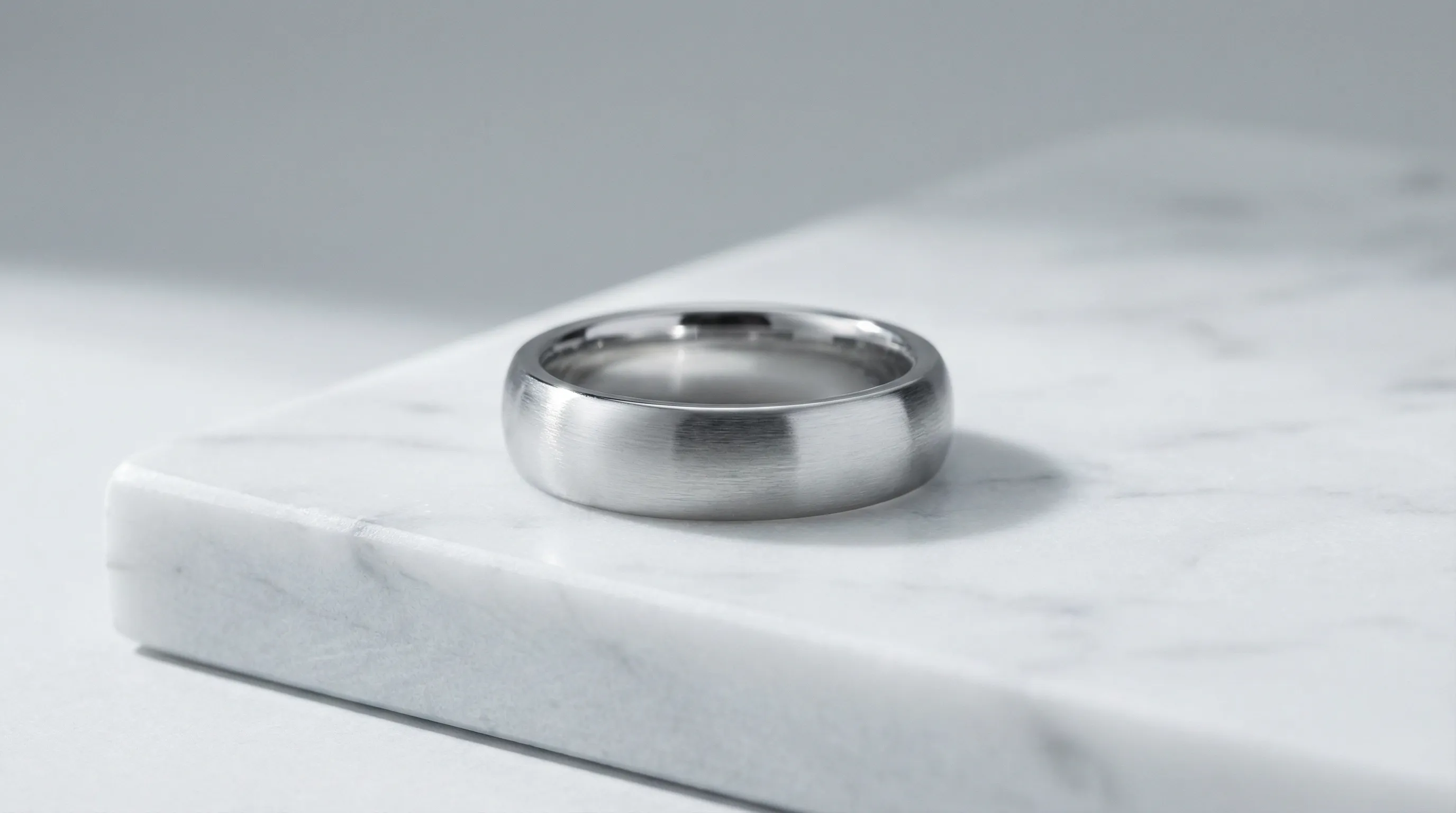
Oura Ring 4 lasts 5–7 days on a single charge, and it charges to full in about 60 minutes. Most users top it off during their morning routine and never think about it again. This reliability is why Oura captures sleep data so consistently — you simply never run out of battery overnight.
WHOOP 5.0 gets 4–5 days per charge and uses a slide-on battery pack that charges the device while you wear it, so you never have to take it off. This is a genuinely clever solution — you maintain continuous data collection even during charging. It's a slightly shorter total life than Oura, but the seamless charging experience largely compensates.
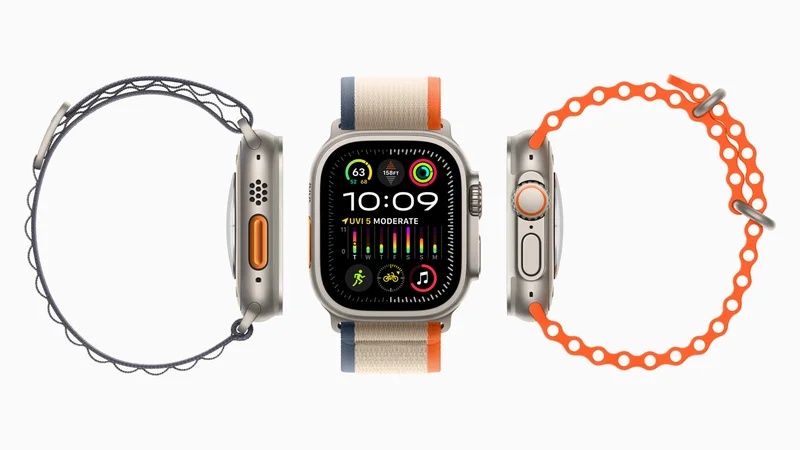
Apple Watch lasts 18 hours (Series 10) to 36 hours (Ultra 2) on a single charge. This is the Apple Watch's most significant limitation for health tracking. You essentially have to choose between wearing it overnight for sleep tracking or charging it at night to have full battery for the next day. Many users develop a routine of charging during their evening wind-down, but it requires conscious planning that Oura and WHOOP don't demand.
Price & Value
Winner: Depends on your time horizon.
The pricing models here are fundamentally different, so a fair comparison requires looking at total cost of ownership over two years.
| WHOOP 5.0 | Oura Ring 4 | Apple Watch Series 10 | Apple Watch Ultra 2 | |
|---|---|---|---|---|
| Hardware | $0 | $349 | $399 | $799 |
| Annual subscription | $360 | $72 | $0 | $0 |
| 2-year total | $720 | $493 | $399 | $799 |
| 3-year total | $1,080 | $565 | $399 | $799 |
WHOOP is the most expensive over time. The $30/month subscription is required — without it, you have a useless strap. However, the subscription includes hardware replacement, so you never pay for device upgrades. If you commit for 12 or 24 months upfront, the effective monthly cost drops significantly ($20–$24/mo).
Oura Ring has moderate upfront cost and a low subscription. The Gen4 model made the subscription optional — basic features work without it — but the full Readiness Score, detailed insights, and personalized recommendations require the $6/month membership. For most users, the subscription is worth it.
Apple Watch has the simplest pricing: buy the hardware, use all the features. No subscription required for any health or fitness tracking. Apple Fitness+ is optional. Over three or more years, the Apple Watch becomes the cheapest option, assuming you don't upgrade the hardware — though many users do upgrade every 2–3 years.
Get smarter about health tech
Deal alerts, new reviews, and health tips — delivered weekly. No spam.
Unsubscribe anytime. We respect your inbox.
Smart Features
Winner: Apple Watch — it's a smartwatch, the others aren't.
This category is almost unfair to include because WHOOP and Oura aren't trying to be smartwatches. But it matters for the buying decision, because many people are choosing between these three.
Apple Watch handles notifications, phone calls, text messages, Siri, Apple Pay, navigation, music playback, and thousands of third-party apps. It's a miniature computer on your wrist. For many people, these features are the primary reason they wear a watch — health tracking is a bonus.
WHOOP and Oura have no screens and no smart features. You interact with both entirely through their phone apps. This is by design — screen-free devices reduce distraction and improve data consistency. If you want to disconnect from notifications during workouts, this is actually a feature, not a limitation.
The Verdict: Which Should You Buy?
There's no single best device here. The right choice depends entirely on what you value most.
Buy WHOOP if:
- You're a serious athlete or follow structured training programs
- You want strain-based guidance that tells you how hard to push each day
- You prefer a subscription model with automatic hardware upgrades
- You don't need or want smart features on your wrist
- You value the community and social accountability features
Buy the Oura Ring if:
- Sleep quality and recovery are your top priorities
- You want the most discreet, comfortable form factor possible
- You prefer lower long-term costs without sacrificing data quality
- You track menstrual cycles or want precise temperature trending
- You already have an Apple Watch or Garmin for workouts
Buy the Apple Watch if:
- You want fitness tracking, smart features, and health monitoring in one device
- Workout precision matters — GPS, real-time HR zones, workout detection
- Safety features like ECG, fall detection, and crash detection are important
- You don't want to pay any subscription fees
- You're already in the Apple ecosystem
Consider two devices if:
The most comprehensive setup in 2026 is an Oura Ring paired with an Apple Watch. Oura handles sleep and recovery (charge the Watch overnight), and the Apple Watch handles workouts and daily smart features. This combination gives you the best sleep data, the best workout data, and all the smart features — at the cost of wearing two devices and spending roughly $750+ in hardware.
If you're choosing between just WHOOP and Oura, our dedicated Oura vs WHOOP comparison goes deeper on that specific matchup.
FAQ
Is WHOOP worth the monthly subscription?
For competitive athletes and serious fitness enthusiasts, yes. The strain-recovery model provides genuinely actionable training guidance that you can't get from Oura or Apple Watch without third-party apps. The subscription also includes hardware upgrades, which offsets the ongoing cost somewhat. For casual health trackers, the $30/month is hard to justify when Oura and Apple Watch deliver comparable biometric data at lower long-term cost. Read our full WHOOP 5 review for more detail.
Which is most accurate for sleep tracking?
Oura Ring consistently leads in independent sleep staging accuracy studies, largely because the finger provides a cleaner PPG signal than the wrist. WHOOP is a solid second, particularly for detecting deep sleep and REM. Apple Watch is adequate for most users but less precise in staging accuracy. If sleep data quality is your primary concern, Oura is the clear choice — see our best sleep trackers guide for the full landscape.
Can I use WHOOP or Oura without a phone?
Not practically. Both devices rely entirely on their companion apps for viewing data, adjusting settings, and receiving insights. Neither has a screen, so without your phone, you're collecting data you can't access. Apple Watch can function independently to some degree — especially the cellular models — displaying metrics, tracking workouts, and even making calls without an iPhone nearby.
Which has the best HRV tracking?
WHOOP and Oura are effectively tied for HRV measurement quality, but they present the data differently. WHOOP contextualizes HRV within a strain-recovery framework designed for athletic performance. Oura contextualizes HRV within a readiness framework designed for general wellness. Apple Watch measures HRV accurately but doesn't synthesize it into a recovery score without third-party apps. For more on this topic, see our guide to the best wearables for HRV.
Will any of these devices detect health problems?
Apple Watch is the only one with FDA-cleared diagnostic features — specifically, ECG for atrial fibrillation detection. It has also documented real-world cases of alerting users to abnormal heart rhythms they weren't aware of. Oura and WHOOP can surface trends — like a rising resting heart rate or declining HRV — that might prompt you to see a doctor, but neither is a medical device. All three companies are clear that their products are not substitutes for professional medical advice.
Featured Products
Products mentioned in this article

Related Guides
More articles you might find helpful
Wonderfeel Youngr vs NOVOS Boost (2026): Which NMN Wins?
*Updated July 2026*
Most Accurate CGM in 2026: MARD Scores Compared (Every Sensor)
*Updated July 2026*
Dexcom Stelo vs Abbott Lingo (2026): Accuracy, Price, App Compared
*Updated July 2026*

Written by
Steve Luu
Health tech researcher