Best Wearables for HRV: Smart Rings, Watches & Bands Compared
Key Takeaway
Here's a truth that took me too long to learn: not all HRV numbers are created equal. You can strap two different wearables on the same wrist, measure at the same time, and get readings that differ by 30% or more. That's not a rounding error — it's a fundamental problem with how consumer devices mea
Affiliate Disclosure: BetterVitals may earn a commission from purchases made through links in this article, at no additional cost to you. This supports our independent research and analysis. We only recommend products we believe in after thorough evaluation.
Medical Disclaimer
This article is for educational purposes only and is not a substitute for professional medical advice, diagnosis, or treatment. Always consult your healthcare provider before making health decisions.
Best Wearables for HRV: Smart Rings, Watches & Bands Compared
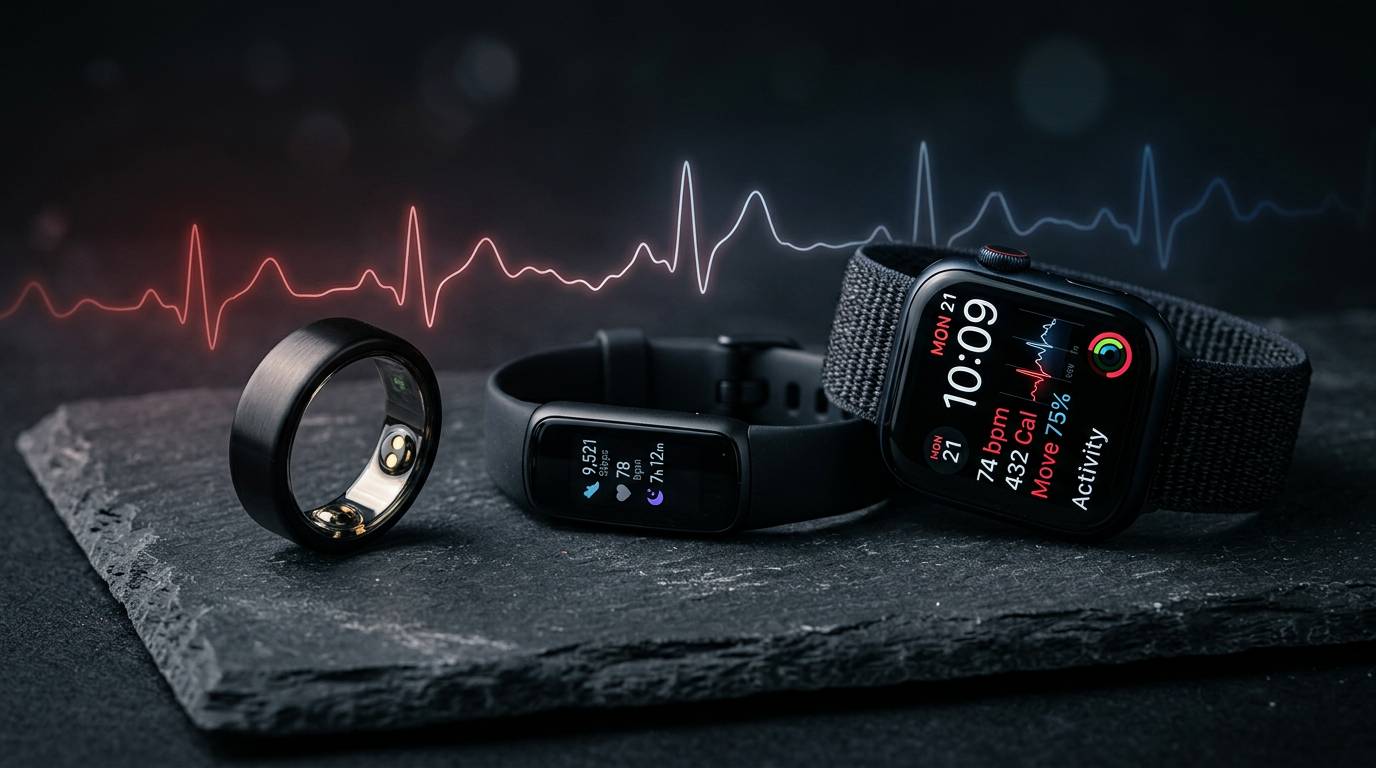
Here's a truth that took me too long to learn: not all HRV numbers are created equal. You can strap two different wearables on the same wrist, measure at the same time, and get readings that differ by 30% or more. That's not a rounding error — it's a fundamental problem with how consumer devices measure heart rate variability.
And it matters. HRV is arguably the single most useful biomarker available from consumer wearables. It reflects autonomic nervous system balance, correlates with recovery status, predicts training readiness, and tracks long-term health trends better than resting heart rate alone. But all of that is only useful if your device is measuring it accurately and consistently.
So I spent months testing seven of the most popular wearables for HRV tracking. Not just wearing them — comparing their readings against each other, checking them against published validation studies, and evaluating what the data actually means for someone trying to make decisions about their health.
The short version: the best device depends on what you're optimizing for. The long version is below.
How Wearables Measure HRV
Before we compare devices, you need to understand what's happening under the hood — because it explains why some wearables are better than others.
All consumer wearables use photoplethysmography (PPG) — green or infrared LED light that bounces off your blood vessels to detect pulse waves. From these pulse waves, the device calculates inter-beat intervals (IBIs), which are the time gaps between successive heartbeats. HRV is derived from the variability in those intervals.
The gold standard in clinical settings is an ECG chest strap, which detects the electrical signal of each heartbeat directly. PPG is an indirect measurement — it's reading blood flow changes downstream from the heart. This introduces potential error from motion artifacts, poor sensor contact, and variations in blood perfusion.
Three things determine HRV accuracy in a wearable:
- Sensor placement — Fingers and earlobes have stronger, cleaner pulse signals than wrists. This is why smart rings tend to produce more reliable readings than wrist-worn devices.
- Sampling window — Some devices measure HRV for a 5-minute window during deep sleep. Others sample continuously overnight and average. Longer, sleep-based windows produce more stable, reproducible readings.
- Algorithm and metric — Most consumer devices report RMSSD (root mean square of successive differences), the standard time-domain HRV metric. But how they filter artifacts, handle motion noise, and present the final number varies significantly.
The practical upshot: overnight HRV measured during sleep is more reliable than daytime spot-checks, regardless of which device you use. And ring-based sensors generally outperform wrist-based ones for raw signal quality.
With that context, let's look at the devices.
Oura Ring Gen 4 — Best Overall for Passive HRV
The Oura Ring Gen 4 is the device I recommend most often for HRV tracking, and it's not particularly close.
Why it wins: The finger is simply a better location for PPG measurement than the wrist. Research published in Sensors (2020) has shown that finger-based PPG sensors achieve IBI accuracy within 1-2% of ECG in controlled conditions — significantly better than most wrist sensors. Oura measures HRV continuously overnight during sleep, then reports your lowest resting HRV (during your deepest sleep phase) as the headline number. This is the most physiologically meaningful window because it eliminates noise from movement, stress, and daily activity.
The good:
- Best-in-class overnight HRV accuracy for a consumer device
- Measures during sleep automatically — zero effort required
- Comfortable enough to wear 24/7 (you forget it's there)
- Tracks HRV trends over weeks and months with clear visualizations
- Daytime stress monitoring via sympathetic nervous system tracking (Gen 4 feature)
The bad:
- Requires a subscription ($5.99/month) for full HRV data and trends — without it, you get a stripped-down experience
- No real-time HRV during workouts (it's a sleep and recovery tracker, not a training tool)
- Battery life is 4-6 days — decent, but you will forget to charge it occasionally
- The sizing process can be annoying — you need to order a sizing kit first
Best for: People who want accurate, effortless HRV tracking focused on recovery and long-term health trends. If you don't need real-time workout data, this is the one to get.
For a deeper comparison between Oura and its closest competitor, see our Oura Ring vs Whoop breakdown.
Whoop 4.0 — Best for Athletes and Strain Tracking
Whoop 4.0 approaches HRV from a completely different angle than Oura. Where Oura is about passive health monitoring, Whoop is built around the training cycle: strain, recovery, sleep.
Why athletes love it: Whoop calculates a daily Recovery score (0-100%) based primarily on your overnight HRV, resting heart rate, respiratory rate, and sleep performance. It then uses that score to recommend how hard you should train that day. Over time, it builds a personalized model of your body's response to stress and recovery.
The good:
- Excellent strain-tracking algorithm that quantifies workout intensity beyond just heart rate zones
- Recovery score is genuinely useful for periodizing training
- Continuous HRV monitoring throughout sleep
- The Journal feature lets you tag behaviors (alcohol, caffeine, supplements) and correlate them with HRV changes — this is surprisingly powerful
- No screen means battery lasts 4-5 days and there's nothing to distract you
The bad:
- It's a subscription-only product ($30/month or $239/year) — you never own the hardware outright
- Wrist-based PPG is inherently less accurate than finger-based for HRV measurement
- The strap can be uncomfortable during sleep for side sleepers
- Absolute HRV values tend to differ from clinical-grade readings more than Oura's do
- No GPS — you need your phone for outdoor workout mapping
Best for: Serious athletes and fitness enthusiasts who want to optimize their training load. If your primary question is "how hard should I train today?" — Whoop answers that better than anything else.
Apple Watch Ultra 2 — Best for the Apple Ecosystem
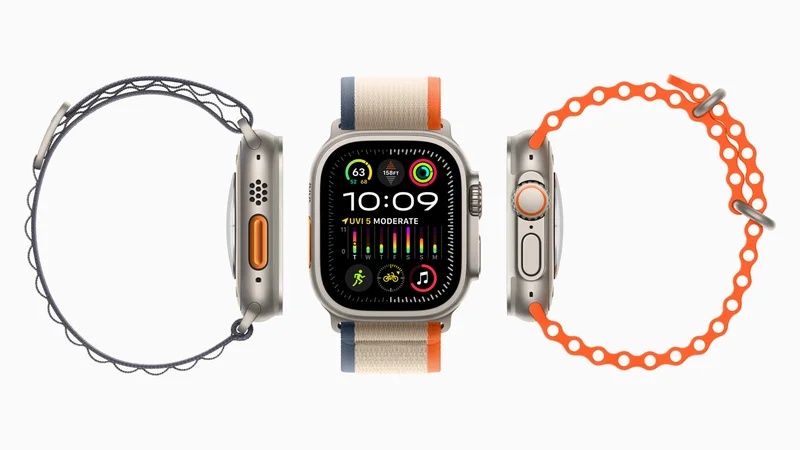
The Apple Watch Ultra 2 is the most capable smartwatch on this list, but HRV tracking is just one feature among hundreds — and that's both its strength and weakness.
Why it's interesting for HRV: Apple added an HRV measurement to the Health app several years ago, and with watchOS updates, it now records overnight HRV automatically. The Apple Watch measures HRV using SDNN (standard deviation of NN intervals) rather than RMSSD, which is a different metric from what most fitness-focused wearables report. Both are valid — but comparing Apple Watch HRV numbers directly to Oura or Whoop numbers is apples to oranges (no pun intended).
The good:
- Does everything: HRV, ECG, blood oxygen, temperature sensing, GPS, cellular
- Overnight HRV tracking via the Health app is automatic once enabled
- Apple Health serves as a central hub for all health data from multiple sources
- The Ultra 2 has the best GPS accuracy of any watch on this list
- Third-party apps like Athlytic and Training Today can extract and display HRV data in more useful ways than the stock Health app
The bad:
- Battery life is the Achilles' heel — even the Ultra 2 needs charging every 1-2 days, which means you might miss overnight readings
- Wrist placement means more motion artifacts than finger-based sensors
- Apple's native HRV presentation is buried in the Health app and isn't particularly actionable
- Reports SDNN, not RMSSD — harder to compare with other devices and most HRV research
- It's expensive as a dedicated HRV tracker ($799) — you're paying for a full smartwatch
Best for: People already deep in the Apple ecosystem who want HRV as part of a broader health dashboard. Not the best choice if HRV is your primary focus.
Garmin Fenix 8 — Best for Multi-Sport Athletes
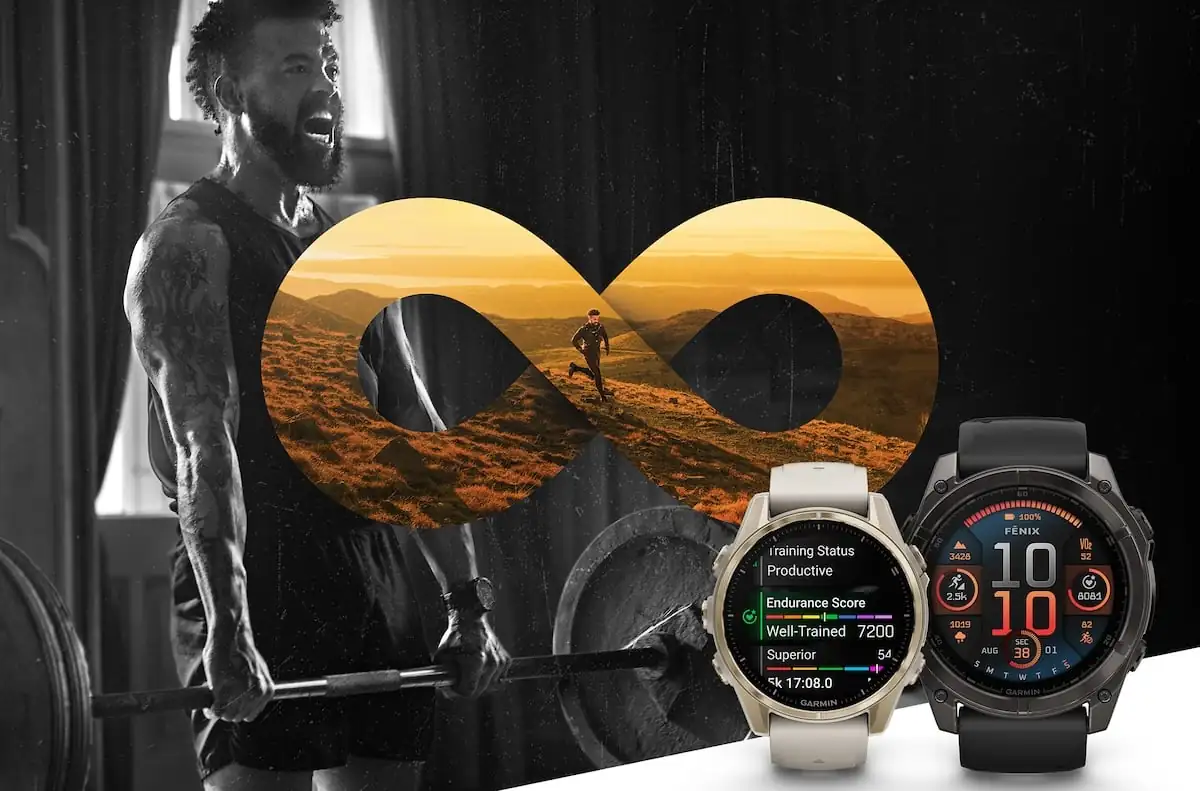
The Garmin Fenix 8 is a beast of a sports watch, and its HRV tracking has improved significantly with recent software updates. Garmin now provides a dedicated "HRV Status" feature that tracks your 7-day HRV baseline and flags when you're outside your normal range.
The good:
- HRV Status feature provides a rolling 7-day baseline with clear "balanced," "low," or "unbalanced" labels
- Overnight HRV measurement during sleep
- Best-in-class battery life — up to 48 days in smartwatch mode, meaning you never miss a night of data
- Incredible multi-sport tracking with Training Readiness score that incorporates HRV
- Body Battery feature provides an intuitive energy gauge throughout the day
- Works with Garmin's FirstBeat analytics engine, which has published validation research
The bad:
- Wrist-based PPG — same accuracy limitations as any wrist device
- The Garmin Connect app has a steep learning curve — there's almost too much data
- HRV Status requires 3 weeks of consistent wear before it calibrates your baseline
- Large and heavy (51mm case) — not ideal for small wrists or sleep comfort
- Premium price ($999) for the AMOLED version
Best for: Multi-sport athletes who want HRV as part of a comprehensive training ecosystem, and who value battery life above all else.
Browse All Products
Explore our evidence-based product reviews across every health category.
Ultrahuman Ring Air — Best Budget Smart Ring
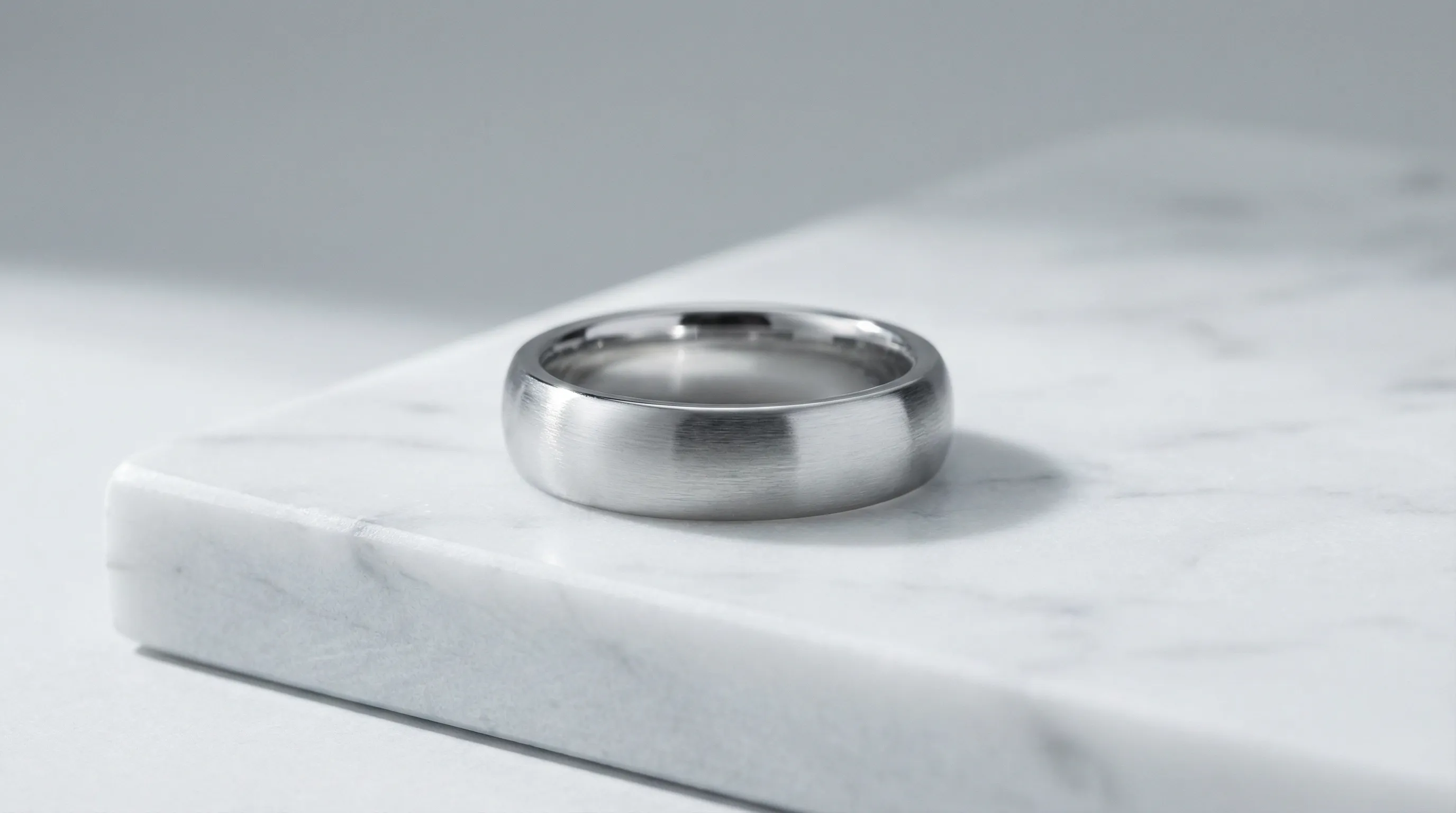
The Ultrahuman Ring Air is the most direct competitor to Oura, and its biggest selling point is simple: no subscription. You pay for the ring, and all the data is yours — forever.
The good:
- No subscription fee — all features included with purchase
- Finger-based PPG sensor provides good HRV accuracy (same placement advantage as Oura)
- Lighter than Oura (2.4g vs ~4-6g depending on size)
- Clean app design with a straightforward "Movement Index" and "Recovery Index"
- Overnight HRV tracking with sleep staging
The bad:
- HRV algorithm is less mature than Oura's — validation studies are limited
- App ecosystem is smaller with fewer integrations
- Sleep staging accuracy trails Oura in third-party comparisons
- No daytime stress tracking (Oura Gen 4 has this)
- The ring design doesn't come in as many finishes or sizes as Oura
- Newer company — less track record and smaller research team
Best for: People who want ring-based HRV tracking without committing to a subscription. If the Oura subscription is a dealbreaker for you, Ultrahuman is the obvious alternative.
Polar Vantage V3 — Best for Running-Focused HRV
The Polar Vantage V3 comes from a company with decades of heart rate monitoring expertise — Polar literally invented the wireless heart rate monitor in 1977. Their HRV implementation reflects that heritage.
The good:
- Nightly Recharge feature combines overnight HRV with ANS (autonomic nervous system) status for a recovery score
- Orthostatic test feature — a structured morning HRV measurement that's closer to clinical methodology than passive overnight readings
- Excellent compatibility with Polar H10 chest strap for ECG-grade HRV during workouts
- Training Load Pro breaks down load into cardio, muscle, and perceived categories
- AMOLED display with strong battery life (up to 7 days in smartwatch mode)
The bad:
- Polar's ecosystem is more niche — fewer third-party app integrations than Garmin or Apple
- Wrist-based PPG for overnight readings (though pairing with H10 chest strap during the day solves this)
- The Orthostatic Test requires you to stand still for 3 minutes each morning — most people stop doing it after a few weeks
- Less mainstream brand recognition means smaller community and fewer online resources
- Limited smart features compared to Apple Watch or Garmin
Best for: Runners and endurance athletes who value structured HRV testing methodology and want the option to pair with a chest strap for clinical-grade accuracy.
Amazfit Balance — Best Budget Watch
The Amazfit Balance has no business being this good at its price point. At roughly $200, it offers overnight HRV tracking, sleep staging, and a readiness score that competes with watches costing 3-5x more.
The good:
- Exceptional value — overnight HRV, SpO2, stress tracking, and sleep staging under $200
- Readiness score incorporates HRV, sleep quality, and recovery metrics
- Battery life of 10-14 days — far better than Apple Watch
- Zepp app is clean and improving rapidly
- AI-powered health insights (powered by Zepp's partnership with large health datasets)
The bad:
- HRV accuracy is a step below Garmin, Polar, and especially Oura — fewer validation studies exist
- Wrist-based PPG with a sensor that's less sophisticated than premium competitors
- Data export options are limited — harder to get your data into third-party platforms
- Software updates can be inconsistent
- Build quality feels like a $200 watch (because it is)
Best for: People who want a capable HRV-tracking watch without spending $500-$1,000. If you're HRV-curious and want to start tracking without a big investment, this is where to begin.
Quick Comparison Table
| Device | Type | HRV Metric | Measurement Window | Subscription | Battery | Price |
|---|---|---|---|---|---|---|
| Oura Ring Gen 4 | Ring | RMSSD | Overnight (sleep) | $5.99/mo | 4-6 days | ~$349 |
| Whoop 4.0 | Band | RMSSD | Overnight (sleep) | $30/mo (required) | 4-5 days | $0 (subscription) |
| Apple Watch Ultra 2 | Watch | SDNN | Overnight + spot | None | 1-2 days | ~$799 |
| Garmin Fenix 8 | Watch | RMSSD | Overnight (sleep) | None | Up to 48 days | ~$999 |
| Ultrahuman Ring Air | Ring | RMSSD | Overnight (sleep) | None | 4-6 days | ~$349 |
| Polar Vantage V3 | Watch | RMSSD | Overnight + ortho test | None | ~7 days | ~$499 |
| Amazfit Balance | Watch | RMSSD | Overnight (sleep) | None | 10-14 days | ~$200 |
Get smarter about health tech
Deal alerts, new reviews, and health tips — delivered weekly. No spam.
Unsubscribe anytime. We respect your inbox.
How to Choose
Forget the spec sheets for a minute. Here's a decision framework based on what actually matters:
Start with your primary use case:
"I want the most accurate HRV data with zero effort." Get the Oura Ring Gen 4. Finger-based PPG, overnight measurement, best validation data. Put it on, forget about it.
"I'm training seriously and need to know when to push and when to rest." Get the Whoop 4.0. The strain-recovery loop is purpose-built for athletes. Just accept the subscription.
"I want a do-everything smartwatch that also tracks HRV." Get the Apple Watch Ultra 2 if you're in Apple's ecosystem, or the Garmin Fenix 8 if you prioritize battery life and sports features.
"I want a smart ring but refuse to pay subscriptions." Get the Ultrahuman Ring Air. It's the no-subscription Oura alternative.
"I'm on a budget but want real HRV tracking." Get the Amazfit Balance. It's remarkable for the price.
"I'm a runner who wants structured HRV testing." Get the Polar Vantage V3, ideally paired with the H10 chest strap for morning orthostatic tests.
Then consider these tiebreakers:
- Comfort during sleep — Rings are more comfortable than watches for most people. If you toss and turn, a bulky watch on your wrist will annoy you.
- Battery life — Missing nights of data because you forgot to charge defeats the purpose. Garmin wins here by a mile.
- Ecosystem lock-in — Your HRV data is most useful in context. If you already use Garmin Connect, Apple Health, or Strava, pick the device that integrates best.
- Trend tracking vs. daily readiness — If you care about long-term trends, Oura and Garmin excel. If you care about "what should I do today," Whoop is built for that.
The Bottom Line
The best HRV wearable is the one you'll actually wear consistently. A $349 Oura Ring collecting data every night for a year is infinitely more valuable than a $999 Garmin Fenix sitting on your nightstand because it's too bulky to sleep in.
That said, if I had to pick one device purely for HRV tracking accuracy and ease of use, it's the Oura Ring Gen 4. The finger placement advantage is real, the overnight measurement is effortless, and the data presentation makes it easy to spot trends without drowning in numbers.
For athletes who need training guidance, Whoop 4.0 remains the gold standard for strain-recovery optimization — just go in with eyes open about the subscription model.
For everyone else, pick based on what you'll actually wear. A consistent data stream from a budget device beats sporadic readings from a premium one. Your HRV trend line only means something if there are no gaps in it.
For a deeper dive into what HRV actually measures and how to interpret your numbers, read our complete HRV guide.
FAQ
What is a "good" HRV number?
There's no universal target. HRV is highly individual — it varies by age, sex, fitness level, and genetics. A 25-year-old endurance athlete might have an overnight RMSSD of 80-120ms, while a healthy 50-year-old might sit at 25-45ms. What matters is your trend over time, not your absolute number. A consistent upward trend means your training, sleep, and recovery habits are working.
Why do different wearables give me different HRV numbers?
Three reasons: different measurement windows (when during the night they sample), different algorithms (how they filter noise and calculate the final number), and different metrics (RMSSD vs. SDNN). This is why you should never compare raw numbers between devices. Pick one device, stick with it, and track your personal trend.
Should I measure HRV in the morning or overnight?
Overnight is better for most people. Morning spot-checks (like Polar's orthostatic test) are valid but require a controlled protocol — same time, same position, same routine. Overnight measurements during sleep eliminate most confounding variables automatically, which is why devices like Oura and Whoop focus on sleep-time readings.
Do smart rings measure HRV more accurately than watches?
Generally, yes. The finger has stronger arterial pulsation and less motion artifact than the wrist, making the PPG signal cleaner. Published validation studies show finger-based devices achieve IBI accuracy closer to ECG chest straps than wrist-based devices. That said, a well-designed wrist sensor (like Garmin's or Polar's) still provides clinically meaningful trend data — the gap is narrowing.
Is the Whoop subscription worth it just for HRV?
If HRV is your only interest, probably not — you can get accurate overnight HRV from an Oura Ring or Ultrahuman Ring Air at lower long-term cost. Whoop's value is in its complete strain-recovery system. The HRV data is one input into a broader training optimization framework. If you're using that full system, the subscription makes sense. If you just want an HRV number each morning, there are cheaper ways to get it.
Can I use HRV data to detect illness before symptoms appear?
Yes — and this is one of the most practical applications of consistent HRV tracking. A sudden drop in HRV (10-15% below your baseline) often precedes illness symptoms by 1-2 days. Both Oura and Whoop will flag these drops in their recovery scores. It's not diagnostic, but it's a useful early warning to prioritize sleep, reduce training load, and support your immune system before you feel sick.
Featured Products
Products mentioned in this article

Related Guides
More articles you might find helpful
Wonderfeel Youngr vs NOVOS Boost (2026): Which NMN Wins?
*Updated July 2026*
Most Accurate CGM in 2026: MARD Scores Compared (Every Sensor)
*Updated July 2026*
Dexcom Stelo vs Abbott Lingo (2026): Accuracy, Price, App Compared
*Updated July 2026*

Written by
Steve Luu
Health tech researcher