TruAge vs NOVOS Age vs AgeRate (2026): Best Biological Age Test?
Key Takeaway
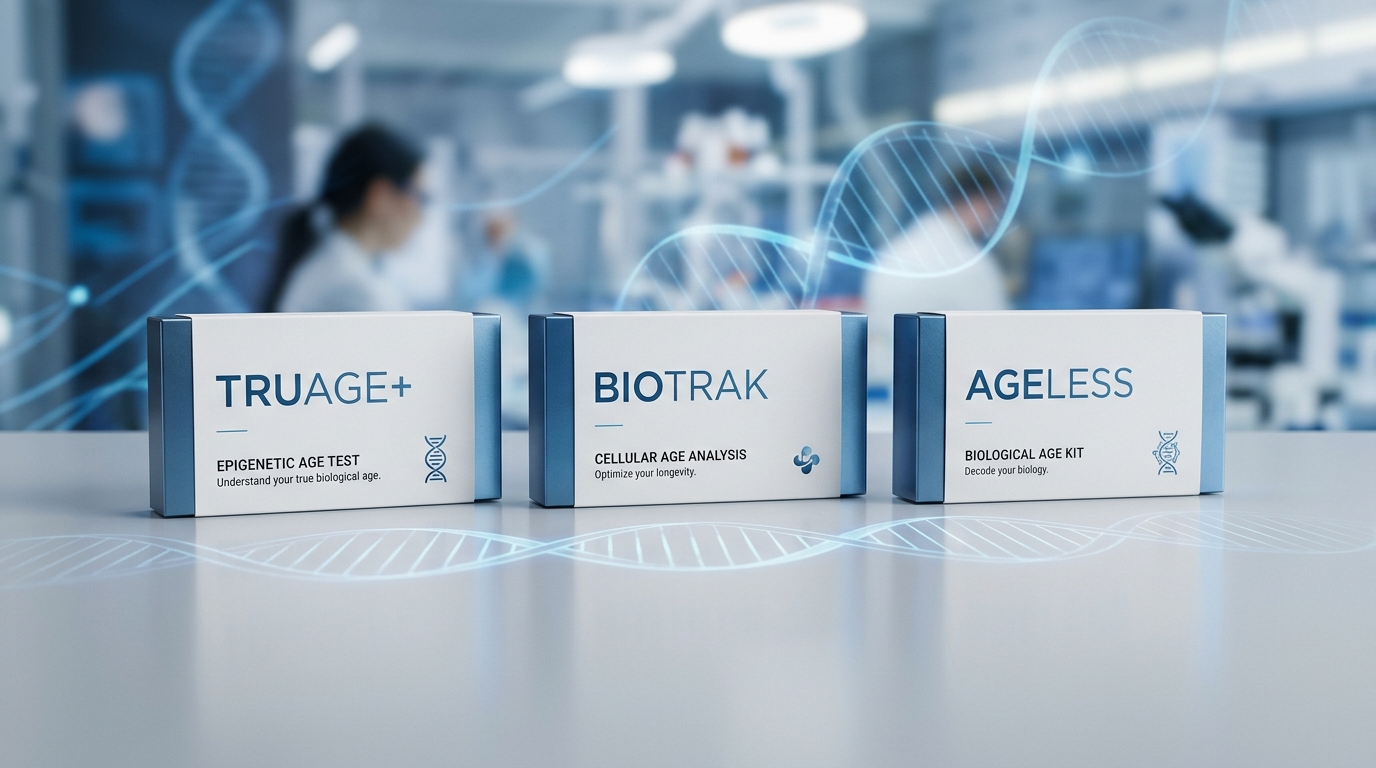
Your birth certificate tells you how many times you've circled the sun. A biological age test tries to tell you something more useful: how worn your cells actually are. All three tests in this comparison — TruDiagnostic TruAge, NOVOS Age, and [A
Affiliate Disclosure: BetterVitals may earn a commission from purchases made through links in this article, at no additional cost to you. This supports our independent research and analysis. We only recommend products we believe in after thorough evaluation.
Medical Disclaimer
This article is for educational purposes only and is not a substitute for professional medical advice, diagnosis, or treatment. Always consult your healthcare provider before making health decisions.
TruAge vs NOVOS Age vs AgeRate (2026): Best Biological Age Test?
Your birth certificate tells you how many times you've circled the sun. A biological age test tries to tell you something more useful: how worn your cells actually are. All three tests in this comparison — TruDiagnostic TruAge, NOVOS Age, and AgeRate — read the same underlying signal, DNA methylation, to estimate that number. Where they differ is rigor, what else they bundle in, and how much they cost, which ranges from about $299 to nearly a thousand dollars a year.
That price spread is the first clue that you're not just paying for a more accurate number. In fact, none of these tests gives you a number you should treat as precise. Consumer epigenetic clocks carry real test-retest variability — run the same sample twice and you can get results a couple of years apart. That doesn't make them useless; it makes them trend tools rather than verdicts.
We read through the methylation science, compared what each product actually measures, and weighed the price against what you get. This guide separates the test that earns its rigor from the ones charging you for a program wrapped around the same basic clock.
Disclosure: BetterVitals may earn a commission if you purchase through our links. This does not influence our editorial ratings. We were not paid by TruDiagnostic, NOVOS, or AgeRate, and this comparison is based on publicly available research.
The Short Answer
TruDiagnostic TruAge is the best overall biological age test and the best value — it's the most scientifically rigorous of the three and costs a fraction of AgeRate. It uses a higher-resolution methylation array and research-grade clocks, which is why it earns our highest score at 9.3/10. If you're going to spend money on one biological age test, this is the defensible choice.
The other two are more about packaging than precision. NOVOS Age (7.6/10) is the best pick for an approachable, multi-metric snapshot — it bundles an epigenetic clock, telomere length, and a smartphone facial "skin age" scan into an action-oriented longevity plan. AgeRate (7.5/10) is best for guided longitudinal tracking, sold as a ~$960/year membership — but only worth it if you'll actually commit to the recurring program. For everyone else, its premium buys a program, not a better clock.
The Three Tests at a Glance
| TruDiagnostic TruAge | NOVOS Age | AgeRate | |
|---|---|---|---|
| Method | High-resolution DNA methylation array + research-grade clocks | DNA methylation clock + telomere length + facial scan | DNA methylation clock (annual membership) |
| What's measured | Multiple validated epigenetic clocks; the most granular methylation read | Epigenetic age, telomere length, smartphone "skin age" | Epigenetic biological age with longitudinal tracking |
| Price | ~$299 (single test) | ~$349 (single test) | ~$960/year (AgeRight membership) |
| Best for | Rigor + value on one test | An approachable multi-metric snapshot + action plan | Concierge longitudinal tracking, if you'll commit |
| Our score | 9.3/10 | 7.6/10 | 7.5/10 |
How Biological Age Testing Works
All three tests rest on the same science: DNA methylation. Methylation is a chemical tag your body adds to DNA that changes in predictable patterns as you age. In 2013, Steve Horvath showed in Genome Biology that you could read those patterns across hundreds of sites and build a remarkably accurate "epigenetic clock" that estimates age from a tissue sample. Later clocks got more ambitious — the GrimAge clock, described in Aging in 2019, was trained to predict mortality and time-to-disease rather than just chronological age, and it does so meaningfully well.
That's the good news: the method is real and well-validated in the research literature. The important caveat is that validation applies to the method generally, not to any one consumer product's marketing claims. An epigenetic clock is a statistical model, and like any model it has noise.
That noise matters at the point of purchase. Consumer epigenetic clocks have meaningful test-retest variability — take two samples on the same day and your reported biological age can differ by a year or more. So the single number you get back is not a precise verdict on how long you'll live. What these tests are genuinely good at is showing direction over time: is your biological age trending up faster or slower than the calendar, and does a diet, sleep, or exercise change move the needle across repeat tests? Read your result as a data point in a trend line, never as a scoreboard. If you want the broader context on what markers actually track aging, our guide to biomarkers for longevity explained covers the landscape.
Browse All Products
Explore our evidence-based product reviews across every health category.
TruDiagnostic TruAge
TruAge is the rigor leader, and it's not especially close. At roughly $299, it uses a higher-resolution DNA methylation array than the other two, reading far more methylation sites, and it runs research-grade clocks — the same kind of validated algorithms that appear in the scientific literature rather than simplified consumer approximations. That granularity is what buys you trust: a finer read of the methylome gives the underlying clocks more signal to work with.
The practical upshot is that TruAge is the test we'd hand to someone who wants the number to mean as much as a consumer number can. It still can't escape the test-retest variability inherent to all epigenetic clocks — nothing at this price can — but it starts from the strongest measurement foundation of the three.
It's also, notably, the cheapest of the three despite being the most rigorous. That combination of research-grade methodology and a $299 price is why it earns our highest score, 9.3/10, and why it's both our best-overall and best-value pick. If your goal is the most credible single biological age reading available to consumers, this is it.
View TruDiagnostic TruAge details →
NOVOS Age
NOVOS Age takes a different bet: instead of maximizing the rigor of one measurement, it gives you several at roughly $349. You get an epigenetic clock, telomere length, and a smartphone-based facial "skin age" scan, all tied together into an actionable longevity plan that recommends specific lifestyle and supplement changes. For people who find a single lab number cold or hard to act on, that packaging is genuinely appealing.
The honest caveat is that the multi-metric snapshot is only as strong as its weakest part, and the facial scan is the least rigorous component here by a wide margin. A smartphone camera estimating "skin age" is a soft consumer feature, not a validated biomarker, and you should treat it as engagement rather than science. The epigenetic clock is the substantive piece, but it doesn't use as high-resolution an array as TruAge.
Where NOVOS Age earns its 7.6/10 is approachability and follow-through. If you're new to this and want a friendly, multi-angle snapshot that hands you a concrete plan rather than a lone data point, it delivers. Just don't mistake more metrics for more accuracy. Our full NOVOS Age review digs into each component.
AgeRate
AgeRate reframes biological age testing as an ongoing program rather than a one-time purchase. It's a DNA methylation clock sold as an annual "AgeRight" membership at roughly $960/year, built around longitudinal tracking — the idea that you test repeatedly over time and watch your trajectory with guided support. Given that trends are what epigenetic clocks are actually best at, that framing is conceptually sound.
The catch is what the premium buys. Paying roughly triple TruAge's price does not buy you a more accurate clock — the underlying methylation science is the same category of tool. What you're paying for is the program: the recurring cadence, the tracking infrastructure, and the concierge-style guidance around it. If you'll genuinely use that structure, it can be worth it. If you won't, you're paying a large premium for a clock you could get more rigorously and far more cheaply elsewhere.
Two practical notes. AgeRate is a Canadian company, so US buyers should confirm shipping and sample logistics before committing. And because the value is entirely in the recurring program, a single AgeRate test is poor value — it only makes sense if you commit to the longitudinal use it's designed for. That's why it lands at 7.5/10: a smart concept, but overkill for most people. See our AgeRate review for the full breakdown.
Get smarter about health tech
Deal alerts, new reviews, and health tips — delivered weekly. No spam.
Unsubscribe anytime. We respect your inbox.
Which Biological Age Test Should You Choose?
If you want the most credible single reading (most people): Choose TruAge. It's the most rigorous, it's the cheapest, and it's the safest default for anyone who wants a biological age number that means as much as a consumer number can. Retest annually to build your own trend line.
If you're new and want an approachable, actionable snapshot: Choose NOVOS Age. The multi-metric format and built-in longevity plan make it easy to start and easy to act on — just weight the epigenetic clock over the facial scan when you read your results.
If you're committed to structured, recurring tracking: Choose AgeRate — but only if you'll actually use the annual program. The membership model fits the reality that clocks track trends best. If you won't test repeatedly, it's the wrong tool at the wrong price, and TruAge on an annual cadence gets you similar longitudinal value for far less.
If you're testing once out of curiosity: Choose TruAge. A single AgeRate test wastes the program you're paying for, and TruAge gives you the strongest one-time measurement at the lowest cost.
Whichever you pick, hold the result loosely. The number is a starting point for a trend, not a diagnosis — and the most valuable thing any of these tests can do is show you whether your habits are moving the line in the right direction over time.
Frequently Asked Questions
Which biological age test is the most accurate?
TruDiagnostic TruAge is the most rigorous of the three, because it uses a higher-resolution DNA methylation array and research-grade clocks rather than simplified consumer approximations. That said, no consumer epigenetic clock is "precise" — all of them carry test-retest variability that can shift your result by a year or more between samples. TruAge simply starts from the strongest measurement foundation, which is why it's our best-overall pick.
Are at-home biological age tests actually reliable?
They're reliable for tracking trends over time, not for delivering a single exact verdict. The underlying epigenetic-clock method is well-validated in the research literature — Horvath's 2013 work and the mortality-predicting GrimAge clock both hold up scientifically. But consumer versions have meaningful test-retest variability, so you should read your result as one point in a trend line rather than a scoreboard number.
Is AgeRate worth almost $960 a year?
Only if you'll genuinely commit to its recurring longitudinal program. The premium does not buy a more accurate clock than the $299 TruAge — it buys the AgeRight membership structure, the repeat-testing cadence, and guided support around it. For a single test or for anyone who won't test regularly, it's overkill, and TruAge on an annual schedule delivers similar trend value for far less.
What's the difference between NOVOS Age and TruAge?
TruAge focuses on maximizing the rigor of one measurement using a high-resolution methylation array, while NOVOS Age bundles an epigenetic clock with telomere length and a smartphone facial "skin age" scan plus an action plan. NOVOS Age is more approachable and gives you more metrics, but the facial scan is a soft consumer feature rather than validated science. TruAge is the more scientifically credible choice; NOVOS Age is the friendlier starting point.
Should I trust the "skin age" facial scan in NOVOS Age?
Treat it as engagement, not science. A smartphone camera estimating skin age is the least rigorous component of the NOVOS Age package and is not a validated biomarker of biological aging. The epigenetic clock and telomere measurements are the substantive parts of the test, so weight those far more heavily when interpreting your results.
How often should I take a biological age test?
Because these tests shine at showing trends rather than precise one-time numbers, testing roughly once a year is a sensible cadence for most people. Annual retesting lets you see whether lifestyle changes are moving your biological age in the right direction while filtering out the short-term noise inherent to epigenetic clocks. Testing more often than that rarely adds signal beyond the measurement variability.
Featured Products
Products mentioned in this article

Related Guides
More articles you might find helpful
Wonderfeel Youngr vs NOVOS Boost (2026): Which NMN Wins?
*Updated July 2026*
Most Accurate CGM in 2026: MARD Scores Compared (Every Sensor)
*Updated July 2026*
Dexcom Stelo vs Abbott Lingo (2026): Accuracy, Price, App Compared
*Updated July 2026*

Written by
Steve Luu
Health tech researcher