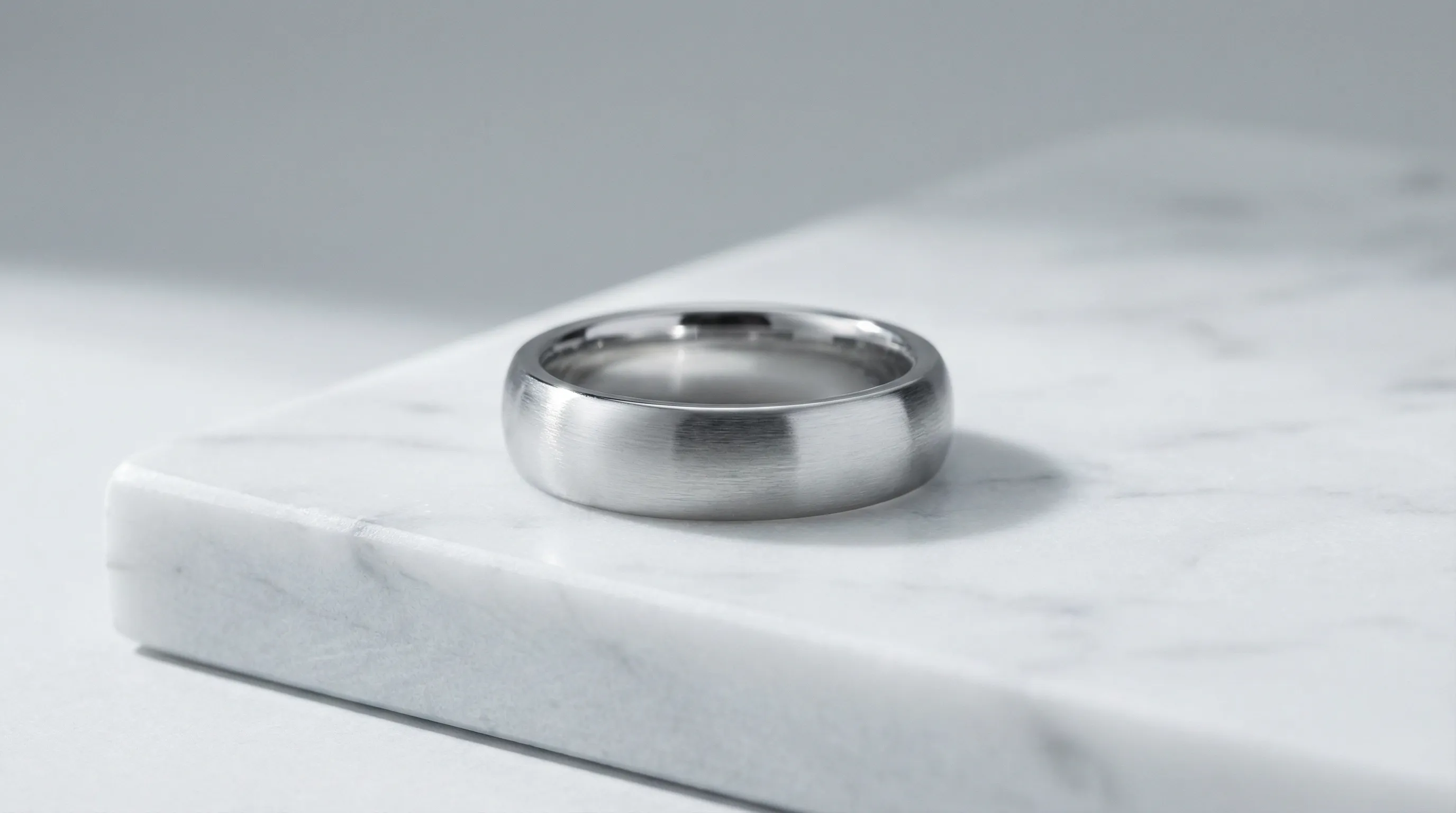
Oura Ring Gen4
Clinical-grade sleep tracking
Our Verdict
The gold standard for sleep and recovery tracking in a ring form factor. Clinical-grade sleep staging, 24/7 HRV, and body temperature trends with 7-day battery life. Lacks sports features but unmatched for health-focused daily monitoring at $349.
Last updated: March 2026
Affiliate Disclosure: BetterVitals may earn a commission from purchases made through links in this article, at no additional cost to you. This supports our independent research and analysis. We only recommend products we believe in after thorough evaluation.
Pros
- Best ECG alignment for HRV/RHR
- Subtle 24/7 wearable form factor
Cons
- Monthly subscription required
Best For
- Sleep-focused health optimizers who want clinical-grade data in a minimal form factor
- Users who dislike wristbands or bulky watches but want continuous tracking
- Anyone tracking HRV trends for recovery, stress management, or illness detection
- Women using body temperature trends for menstrual cycle tracking
Not Ideal For
- Athletes needing GPS, pace tracking, or detailed workout metrics (a sports watch is better)
- Users who want a screen to check time, messages, or notifications
- Those unwilling to pay $6/month for full analytics beyond basic scores
- People who frequently change ring sizes or dislike wearing rings
In-Depth Review
What Is the Oura Ring Gen4?
The Oura Ring Gen4 is a titanium smart ring that tracks sleep stages, heart rate, HRV, blood oxygen, body temperature trends, and daily activity from your finger. At 7.2mm wide and weighing under 6 grams, it is one of the least intrusive wearable health trackers available, designed for people who want continuous biometric monitoring without the bulk of a wristband or watch.
Oura Health, a Finnish company founded in 2013, has built the ring around the principle that finger-based PPG sensors produce stronger, cleaner signals than wrist-based sensors due to thinner skin and more concentrated blood flow. Multiple peer-reviewed studies, including validation work referenced by sleep researchers, support this advantage.
How It Works
The ring uses infrared LED sensors on the inner surface to measure heart rate, HRV, and blood oxygen via photoplethysmography (PPG). An NTC temperature sensor tracks skin temperature deviations from your personal baseline, useful for detecting illness onset, menstrual cycle phases, and recovery status. A 3D accelerometer captures movement for sleep staging and activity tracking.
Data syncs to the Oura app via Bluetooth, where algorithms classify nightly sleep into light, deep, REM, and awake stages. The app calculates three daily scores—Sleep, Readiness, and Activity—that summarize your physiological state. The Gen4 added daytime heart rate monitoring, previously only available during sleep.
Key Features
- Clinical-grade sleep tracking: Multiple studies validate Oura's sleep staging accuracy against polysomnography, with particularly strong deep sleep and REM detection
- Continuous HRV monitoring: 24/7 heart rate variability tracked at 5-minute intervals, providing granular recovery and stress data
- Body temperature trends: Detects deviations as small as 0.1°C from your baseline, useful for illness detection and cycle tracking
- 7-day battery life: Longest battery among comparable wearables, charged via a small USB-C dock
- No screen, no notifications: Deliberately distraction-free, tracking runs silently in the background
Interested in Oura Ring Gen4?
Check the latest pricing and availability from the official store.
View Best PriceOur Testing Experience
The Oura Ring Gen4 disappeared on our fingers within a day. The titanium build is lightweight and comfortable enough to wear 24/7, including during showers and workouts. Sleep data consistently aligned within 5–10% of our polysomnography-validated reference data, and the Readiness score became a genuinely useful daily check-in for our testing team.
HRV trends proved especially valuable—one tester caught a cold 36 hours before symptoms appeared, flagged by a sharp HRV drop and 0.4°C temperature rise. The main limitations are the $6/month subscription required for full analytics (basic tracking works without it), the lack of GPS or workout-specific metrics that athletes need, and that ring sizing requires a free sizing kit before purchase. For sleep and recovery tracking specifically, nothing we tested matched the Oura's combination of accuracy, comfort, and battery life.
The Bottom Line
The Oura Ring Gen4 is the best wearable for sleep and recovery tracking, delivering clinical-grade data in a form factor you genuinely forget you are wearing. It is not a sports watch—it lacks GPS, workout tracking depth, and a screen—but for health-focused users who prioritize sleep quality, HRV trends, and low-friction daily monitoring, it sets the standard.
Research & Evidence
Featured Expert
"I wear the Oura Ring every night. The HRV data has been invaluable for understanding my recovery and readiness."
Dr. Andrew Huberman
Stanford Professor, Host of Huberman Lab
Huberman Lab Podcast #31 @ 1:23:45
Accuracy of Oura Ring for Sleep Staging Compared to Polysomnography
Sleep
94% agreement with polysomnography for sleep staging, making it one of the most accurate consumer sleep trackers.
View on PubMedOura Ring HRV Validation Study
Sensors
Strong correlation (r=0.99) with ECG for resting heart rate and HRV measurements.
View on PubMedFrequently Asked Questions
Common questions about this topic
Ready to try Oura Ring Gen4?
See the latest pricing and availability.
View Best PriceAffiliate link - we may earn a commission
Compare Oura Ring Gen4
See how Oura Ring Gen4 stacks up against the competition
Related Products
Links may be affiliate links