Sleep Hygiene Checklist: 15 Habits Backed by Research
Key Takeaway
Sleep hygiene is one of those terms that sounds clinical and boring until you realize it's responsible for roughly a third of how good you feel every day. It's not a single habit — it's a system of behaviors and environmental conditions that either support or sabotage your sleep quality. And the bru
Affiliate Disclosure: BetterVitals may earn a commission from purchases made through links in this article, at no additional cost to you. This supports our independent research and analysis. We only recommend products we believe in after thorough evaluation.
Medical Disclaimer
This article is for educational purposes only and is not a substitute for professional medical advice, diagnosis, or treatment. Always consult your healthcare provider before making health decisions.
Sleep Hygiene Checklist: 15 Habits Backed by Research
Sleep hygiene is one of those terms that sounds clinical and boring until you realize it's responsible for roughly a third of how good you feel every day. It's not a single habit — it's a system of behaviors and environmental conditions that either support or sabotage your sleep quality. And the brutal truth is that most people have terrible sleep hygiene while blaming their genetics, stress levels, or mattress for their poor sleep.
Here's why this matters beyond just feeling rested: sleep quality directly impacts your metabolic health, immune function, cognitive performance, emotional regulation, and long-term disease risk. Our sleep and longevity guide covers the research connecting sleep to lifespan in detail. A single night of poor sleep impairs insulin sensitivity by up to 30%, reduces natural killer cell activity (your body's frontline cancer defense) by 70%, and degrades decision-making to levels comparable to legal intoxication. These aren't fringe findings — they're replicated across dozens of studies and summarized in Matthew Walker's Why We Sleep and peer-reviewed literature.
The encouraging part: unlike your genetics or your boss's email habits, sleep hygiene is entirely within your control. The 15 habits in this checklist are organized by category, each backed by specific research, and ranked roughly by impact within their section. You don't need to implement all 15 at once — start with the ones that address your biggest gaps, and layer in others over time.
Medical disclaimer: This article is for informational purposes only. If you have a diagnosed sleep disorder (insomnia, sleep apnea, restless leg syndrome, narcolepsy), these habits are important but may not be sufficient. Consult a sleep medicine specialist for clinical conditions.
Bedroom Environment
Your sleeping environment sends powerful signals to your brain about whether it's time to be awake or asleep. Getting this wrong can undermine every other habit on this list.
1. Keep Your Bedroom Temperature Between 65–68 degrees F (18–20 degrees C)
Your core body temperature needs to drop by approximately 2–3 degrees Fahrenheit to initiate and maintain sleep. A warm room fights this process directly. A 2012 study in the Journal of Physiological Anthropology found that ambient temperature was one of the most significant environmental factors affecting sleep quality — more impactful than noise or light in some experimental conditions.
The ideal range for most adults is 65–68 degrees F. This feels cool when you first get into bed, which is the point. Your body's thermoregulatory system works best when it can radiate heat into a cool environment. If 65 degrees sounds uncomfortably cold, start at 68 and gradually lower over a week — your body adapts quickly.
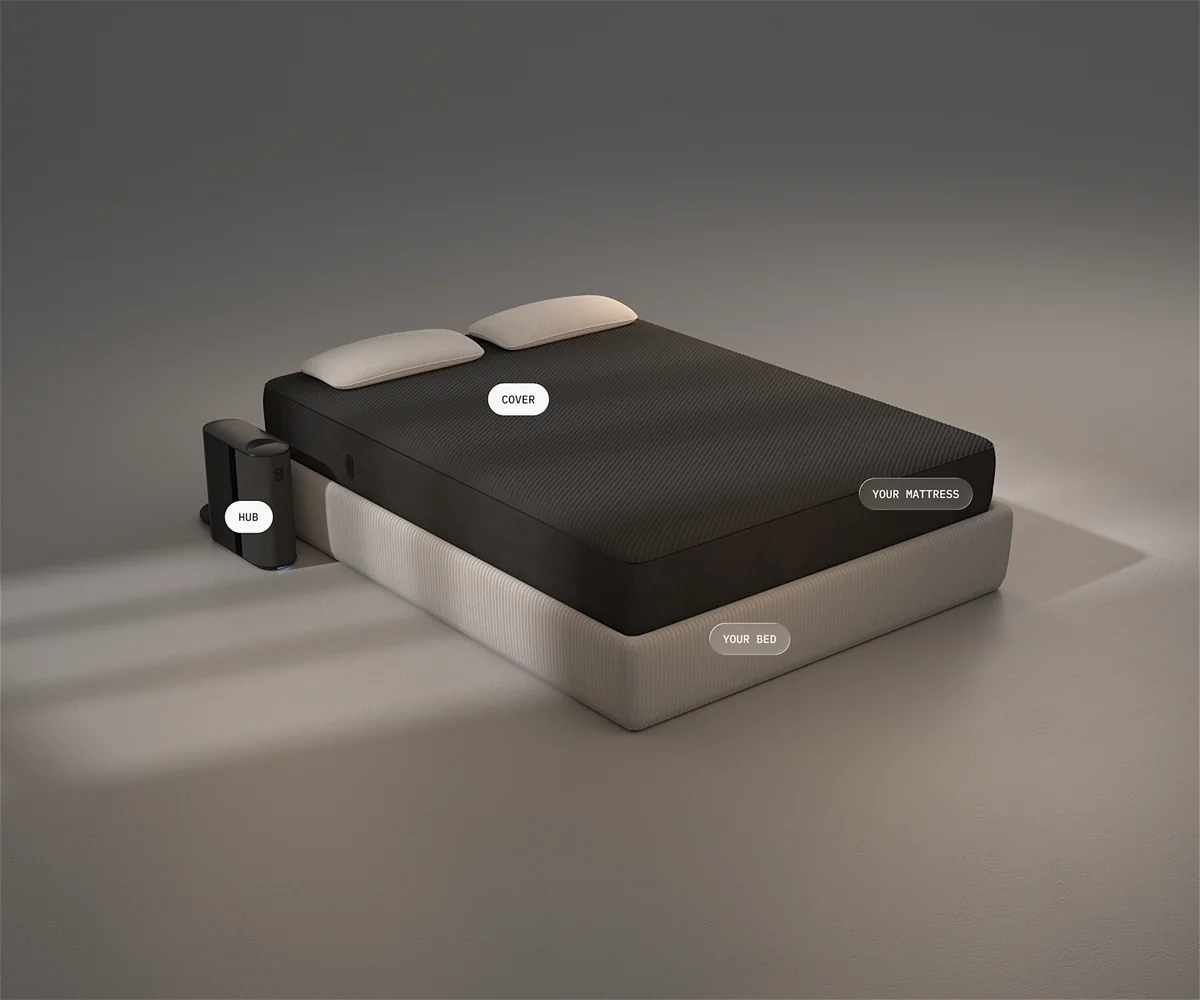
Practical tip: If you share a bed with a partner who runs at a different temperature, consider a dual-zone cooling mattress system. The Eight Sleep Pod 4 Ultra allows each side to be set independently, which solves the thermostat wars many couples experience.
2. Make Your Room as Dark as Possible
Even small amounts of light during sleep disrupt melatonin production and circadian signaling. A landmark 2022 study in PNAS found that sleeping in a moderately lit room (about the brightness of a dim hallway) increased nighttime heart rate by approximately 6%, impaired glucose tolerance the next morning, and shifted autonomic nervous system activity toward sympathetic (stress) dominance — all compared to sleeping in near-complete darkness.
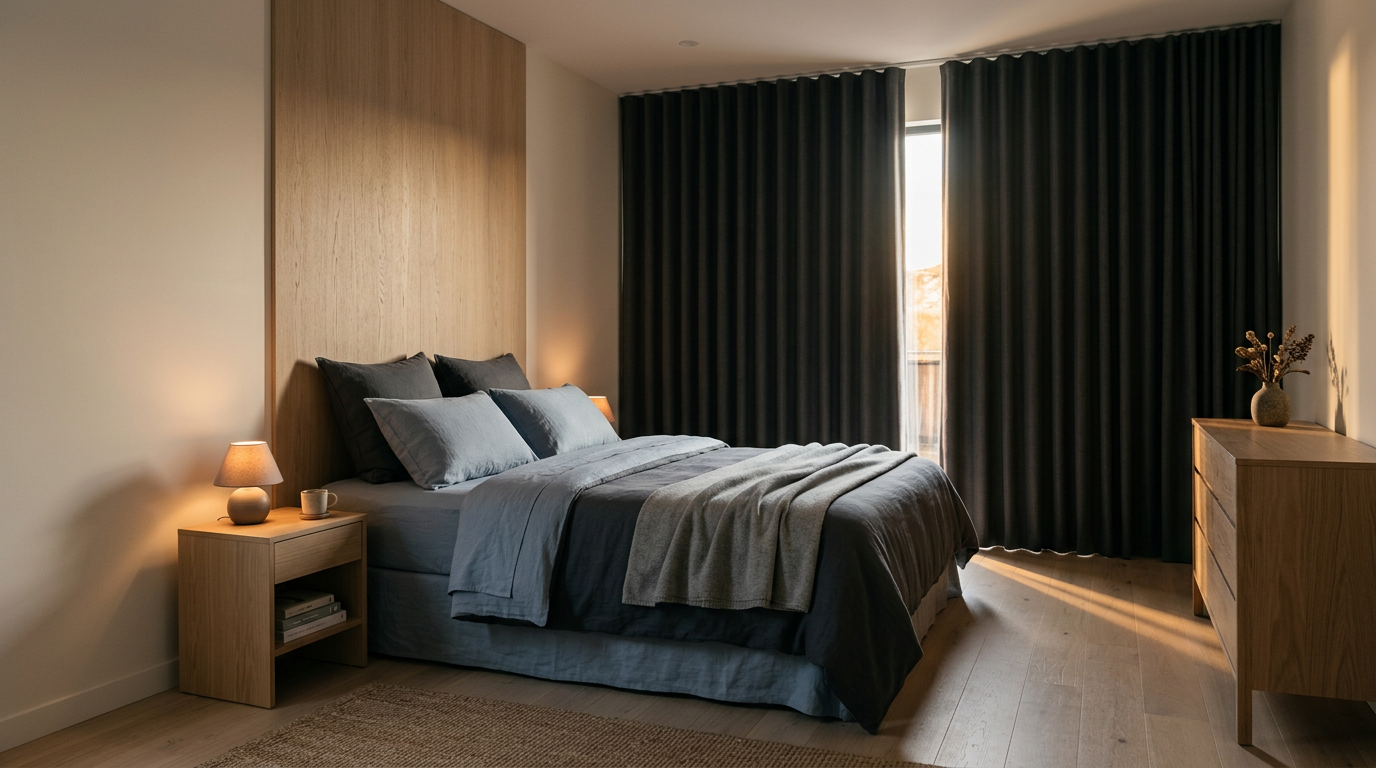
This isn't about visible light you can see with your eyes closed. Your eyelids transmit a small percentage of ambient light, and your retinal photoreceptors can detect it even during sleep. The solution: invest in true blackout curtains (not "room darkening" — actual light-blocking fabric), cover any LED indicator lights on devices, and remove your phone from the bedroom or turn it face-down. If blackout curtains aren't practical, a well-fitted sleep mask is the next best option.
Our guide on how to fix your circadian rhythm covers the broader relationship between light and your internal clock.
3. Manage Noise
Noise disrupts sleep even when it doesn't fully wake you. Your brain continues processing auditory input during sleep — a survival mechanism that's less useful in a modern apartment building. Nighttime noise events (traffic, barking dogs, a partner's snoring) cause micro-arousals that fragment sleep architecture without you ever remembering waking up. The result: you log eight hours in bed but get the restorative value of six.
Options, ranked by effectiveness:
- Earplugs: Simple, cheap, highly effective. Foam earplugs reduce ambient noise by 20–30 decibels. Custom-molded silicone plugs offer better comfort for side sleepers.
- White noise machine or fan: Consistent background noise masks variable disruptive sounds. A 2021 study in Sleep Medicine found that continuous white noise improved sleep onset latency and reduced nighttime awakenings in adults living in high-noise environments.
- Sound-absorbing furnishings: Heavy curtains, rugs, and upholstered furniture reduce noise reverberation. This matters more than most people realize in hard-surfaced rooms.
Evening Routine
What you do in the 2–3 hours before bed has an outsized impact on sleep quality. This is where most people's sleep hygiene breaks down — the evening is when bad habits feel most rewarding.
4. Reduce Blue Light Exposure 2–3 Hours Before Bed
We covered this extensively in our blue light glasses guide, but the core point bears repeating: blue light (450–495 nm wavelength) is the most potent suppressor of melatonin production. Your screens emit significant amounts of it. Evening screen use has been shown to delay melatonin onset by 1.5 hours and reduce REM sleep quality.
The hierarchy of interventions:
- Best: No screens for the last 60–90 minutes before bed.
- Good: Screens with amber-tinted blue light glasses and device night mode enabled.
- Minimum: Night mode enabled on all devices with screen brightness at the lowest comfortable setting.
Most people default to option 3 and wonder why it doesn't help much. The screen is still bright, and night mode filters only a portion of blue light. If you're serious about sleep quality, option 1 or 2 will produce noticeably better results within the first week.
5. Stop Screen Use 30–60 Minutes Before Bed
This goes beyond the blue light issue. Screens are stimulating by design — social media triggers dopamine loops, news triggers cortisol, and even passive TV watching keeps your brain in a state of heightened alertness. A 2019 study in Sleep Health found that replacing 30 minutes of screen time before bed with a non-screen activity (reading, stretching, conversation) improved both sleep onset latency and subjective sleep quality.
The replacement activity matters. Swap scrolling for something that's engaging enough to prevent boredom but not stimulating enough to keep you alert. Reading a physical book, doing a gentle yoga or stretching routine, journaling, or having a calm conversation are all well-suited. This feels boring at first — which is exactly the point. Boredom before bed is a feature, not a bug.
6. Set a Caffeine Cutoff
Caffeine is the most widely used psychoactive substance on earth, and most people underestimate how long it stays active in their system. With a half-life of 5–6 hours, a 2 PM coffee still has half its caffeine circulating at 7–8 PM. A quarter of it is still active at midnight.
A 2013 study in the Journal of Clinical Sleep Medicine found that caffeine consumed 6 hours before bedtime reduced total sleep time by over an hour and disrupted sleep architecture — even when participants didn't subjectively notice worse sleep. Your perception of sleep quality doesn't match the objective damage.
Recommendation: No caffeine after noon if you plan to sleep by 10–11 PM. If you're a slow caffeine metabolizer (you know who you are — a single coffee keeps you buzzed for 8+ hours), consider cutting off by 10 AM or switching to half-caf. Tea contains less caffeine than coffee but still contributes — don't forget to account for it.
7. Understand the Truth About Alcohol and Sleep
Alcohol is the most misunderstood sleep substance. It makes you feel sleepy and helps you fall asleep faster — that part isn't a myth. But it wrecks your sleep quality in ways that aren't immediately obvious.
Alcohol suppresses REM sleep, which is critical for emotional regulation, memory consolidation, and cognitive restoration. A 2018 study in JMIR Mental Health analyzed sleep data from over 4,000 participants and found that even moderate alcohol consumption (1–2 drinks) reduced restorative sleep quality by 24%. Heavy consumption reduced it by nearly 40%.
Alcohol also fragments sleep in the second half of the night. As your body metabolizes the alcohol, it triggers a rebound excitatory effect that causes micro-awakenings. This is why people who drink often wake up at 3–4 AM and can't fall back asleep.
Practical guidance: If you drink, stop at least 3–4 hours before bed. One drink with dinner at 7 PM is metabolically very different from two drinks at 10 PM. And be honest with yourself about the trade-off: you're choosing a social or relaxation benefit in exchange for measurably worse sleep. That's a legitimate choice — just make it with open eyes.
8. Build a Wind-Down Routine
Your brain needs a transition period between the stimulation of your day and the calm required for sleep. This isn't optional — it's neurological. The transition from sympathetic (fight-or-flight) to parasympathetic (rest-and-digest) nervous system dominance doesn't happen instantly. Expecting to go from answering emails to sleeping in 10 minutes is like expecting a car going 70 mph to stop in 10 feet.
Build a 30–60 minute wind-down routine and follow it consistently. Consistency matters because your brain learns to associate the routine with approaching sleep, creating a conditioned relaxation response.
Effective wind-down activities:
- Light stretching or gentle yoga (avoid anything strenuous)
- Reading a physical book
- Warm shower or bath (the subsequent core temperature drop promotes sleepiness)
- Journaling or gratitude practice
- Meditation or breathing exercises (4-7-8 breathing is specifically designed for sleep onset)
- Listening to calm music or a podcast at low volume
Browse All Products
Explore our evidence-based product reviews across every health category.
Daytime Habits
Sleep quality isn't just about what you do at night. Your daytime behavior sets the stage for everything that happens when you close your eyes.
9. Get Morning Light Exposure
This is the single most important daytime habit for sleep quality, and it costs nothing. Within 30 minutes of waking, get outside in direct sunlight for 10–15 minutes (sunny day) or 20–30 minutes (cloudy day). This resets your circadian clock, suppresses residual melatonin, and primes your cortisol awakening response.
A 2017 study in Sleep Health found that workers with morning light exposure had significantly better sleep quality, faster sleep onset, and longer sleep duration than those who spent their mornings indoors.
Our circadian rhythm guide covers the science of morning light in depth — including why indoor lighting is insufficient and when a light therapy lamp is necessary.
10. Time Your Exercise Wisely
Regular exercise is one of the most evidence-backed interventions for sleep quality. A 2015 meta-analysis in PeerJ found that regular exercise improved sleep quality to a degree comparable to cognitive behavioral therapy for insomnia (CBT-I) — which is the gold standard non-pharmacological treatment.
Timing considerations:
- Morning exercise helps anchor your circadian rhythm and provides the strongest boost to nighttime sleep quality.
- Afternoon exercise (2–5 PM) may improve sleep onset latency, as the subsequent core temperature drop coincides with your evening wind-down.
- Evening exercise (within 2 hours of bed) can impair sleep for some people by elevating core temperature and cortisol. However, a 2019 meta-analysis in Sports Medicine found that moderate evening exercise doesn't universally harm sleep — it depends on intensity and individual response. If you have no other option, moderate evening exercise is better than no exercise at all.
11. Follow the Nap Rules
Napping is a double-edged sword. Done right, a nap restores alertness and cognitive performance without affecting nighttime sleep. Done wrong, it fragments your sleep drive and makes falling asleep at night harder.
The rules:
- Keep it under 20 minutes. This limits you to stage 1–2 light sleep, avoiding the grogginess (sleep inertia) that comes with waking from deep sleep.
- Nap before 2 PM. Later naps encroach on your evening sleep drive — the accumulation of adenosine that makes you feel sleepy at bedtime.
- Don't nap as a substitute for nighttime sleep. If you need daily naps to function, your nighttime sleep is insufficient. Fix the root cause.
- Exception: the "coffee nap." Drink a small coffee immediately before a 20-minute nap. The caffeine takes about 20 minutes to kick in, so you wake up with both the refreshment of the nap and the alertness of the caffeine. It sounds absurd, but a 1997 study in Psychophysiology confirmed its effectiveness.
Supplements for Sleep
Supplements are the last layer — they optimize a good system but can't fix a bad one. If your bedroom is 75 degrees, you're drinking coffee at 4 PM, and you're scrolling social media until midnight, no supplement will override those problems. Fix the foundations first.
12. Magnesium
Magnesium is involved in over 300 enzymatic processes in your body, including the activation of GABA receptors — the primary inhibitory neurotransmitters responsible for calming neural activity. An estimated 50% of Americans are deficient in magnesium, making supplementation a reasonable default.
A 2012 study in the Journal of Research in Medical Sciences found that magnesium supplementation improved subjective and objective sleep quality in elderly adults with insomnia. More recent studies have confirmed the benefit across age groups.
Which form matters: Magnesium glycinate and magnesium threonate are the preferred forms for sleep. Magnesium oxide — the cheapest and most common form — has poor bioavailability and is more likely to cause digestive issues. Our best magnesium for sleep guide breaks down the forms, doses, and timing in detail.
Dose: 200–400 mg of elemental magnesium, taken 30–60 minutes before bed.
13. Glycine
Glycine is an amino acid that acts as an inhibitory neurotransmitter and plays a role in lowering core body temperature before sleep. A 2006 study published in Sleep and Biological Rhythms found that 3 grams of glycine before bed improved subjective sleep quality, reduced sleep onset latency, and decreased daytime sleepiness. The mechanism appears to be twofold: glycine facilitates the core temperature drop required for sleep initiation and modulates NMDA receptors in a way that promotes relaxation.
Dose: 3 grams, taken 30–60 minutes before bed. Glycine is also found in collagen protein and bone broth — a cup of bone broth before bed provides a meaningful dose while also supporting the wind-down routine.
14. Melatonin (Used Correctly)
Melatonin is not a sleeping pill — it's a circadian signal. Your body naturally produces it as darkness falls, signaling your brain that it's time for sleep. Supplemental melatonin works by reinforcing this signal, and the research shows it's most effective for adjusting sleep timing rather than increasing sleep depth.
The critical mistake most people make: Taking too much. Commercial melatonin supplements typically contain 3–10 mg, but the research on sleep timing uses doses of 0.3–0.5 mg. Higher doses don't improve efficacy and can cause morning grogginess, vivid nightmares, and potential receptor desensitization with long-term use.
When it's most useful:
- Adjusting to a new time zone (jet lag)
- Shifting your sleep schedule earlier (e.g., becoming a morning person)
- Short-term use (1–2 weeks) during circadian resets
When it's not useful: As a nightly sleep aid for chronic insomnia. If you need melatonin every night to fall asleep, the underlying issue isn't melatonin deficiency — it's a behavioral or environmental factor that needs addressing.
15. What About Other Supplements?
A few other compounds have emerging evidence for sleep support:
- L-theanine (100–200 mg): An amino acid found in green tea that promotes alpha brain wave activity — a relaxed but alert state. It doesn't cause drowsiness but can ease the transition to sleep, especially for people whose primary barrier is an overactive mind.
- Apigenin (50 mg): A flavonoid found in chamomile that binds to GABA receptors. Andrew Huberman has popularized this supplement, and while the direct sleep studies are limited, the mechanism is plausible and anecdotal reports are positive.
- Tart cherry juice: Contains small amounts of natural melatonin and anti-inflammatory compounds. A 2012 study in the European Journal of Nutrition found that tart cherry juice increased sleep time and quality in adults with insomnia. The effect is modest but real.
Get smarter about health tech
Deal alerts, new reviews, and health tips — delivered weekly. No spam.
Unsubscribe anytime. We respect your inbox.
Tracking Your Sleep Quality
You can't improve what you don't measure. Modern sleep trackers give you objective data on sleep duration, sleep stages, heart rate variability, and environmental factors. Tracking your sleep while implementing these habits lets you see which changes produce measurable improvements rather than relying on subjective "I think I slept better."
Key metrics to watch:
- Sleep efficiency (time asleep divided by time in bed): Target 85% or higher.
- Sleep onset latency (time to fall asleep): 10–20 minutes is ideal. Less than 5 minutes suggests sleep deprivation; more than 30 suggests a behavioral or environmental issue.
- REM percentage: Should be 20–25% of total sleep time. Low REM often indicates alcohol use, circadian disruption, or late-night screen exposure.
- Deep sleep percentage: Should be 15–20%. Low deep sleep can indicate environmental disruption (temperature, noise) or insufficient exercise.
FAQ
What is the most important sleep hygiene habit?
If you could only change one thing, make your bedroom cold and dark. Temperature and light are the two strongest environmental drivers of sleep quality. A 2019 meta-analysis in Sleep Medicine Reviews identified bedroom temperature as the most consistent predictor of sleep quality across studies. Darkness is a close second due to its direct effect on melatonin production.
How long does it take for better sleep hygiene to work?
Most people notice improvements within 3–7 days of consistent implementation. Temperature and darkness changes produce immediate results — often the first night. Behavioral changes (caffeine cutoff, screen reduction, consistent wake time) take 1–2 weeks for your circadian system to fully adapt. Supplements typically show effects within 1–3 nights.
Can good sleep hygiene cure insomnia?
Sleep hygiene is a necessary foundation but may not be sufficient for clinical insomnia. The gold standard treatment for chronic insomnia is cognitive behavioral therapy for insomnia (CBT-I), which addresses the psychological and behavioral components that sleep hygiene alone doesn't cover. However, most sleep specialists recommend optimizing sleep hygiene first, as many cases of "insomnia" are actually just poor habits masquerading as a clinical condition.
Is it bad to read in bed?
Reading a physical book in bed is generally fine and can be part of a healthy wind-down routine. The concern with "bed activities" (working, watching TV, scrolling) is that they train your brain to associate the bed with wakefulness. Reading is an exception because it's calming, non-stimulating, and typically makes you sleepy. The key distinction: read a physical book, not a tablet or phone — the light from screens negates the benefit.
Should I take melatonin every night?
No. Melatonin is best used as a short-term tool for circadian adjustment (1–2 weeks), not as a nightly sleep aid. Long-term nightly use may cause receptor desensitization (your body produces less natural melatonin in response to supplementation), and it doesn't address the underlying reasons for poor sleep. If you feel you need melatonin every night, that's a signal to investigate your sleep environment, habits, and potentially consult a sleep specialist.
Does exercise help you sleep better?
Yes, and the evidence is strong. Regular moderate exercise improves sleep quality, reduces sleep onset latency, and increases deep sleep. The optimal timing is individual — morning exercise works best for circadian anchoring, while afternoon exercise can enhance the natural evening temperature drop. Avoid high-intensity exercise within 2 hours of bedtime if you find it stimulating, though moderate evening exercise is acceptable for most people.
Featured Products
Products mentioned in this article

Related Guides
More articles you might find helpful
Best Bed Cooling Systems 2026: Eight Sleep vs Cheaper Alternatives
**Disclosure:** Product CTAs on this page currently go to manufacturer sites (no affiliate tracking yet). Better Vitals may earn a commission once partner links are live — rankings and "skip if" calls won't change when we swap URLs. We only recommend gear we'd put on a shortlist for a specific type
Is the Oura Membership Worth It in 2026? (And How to Skip It)
*Updated July 2026*
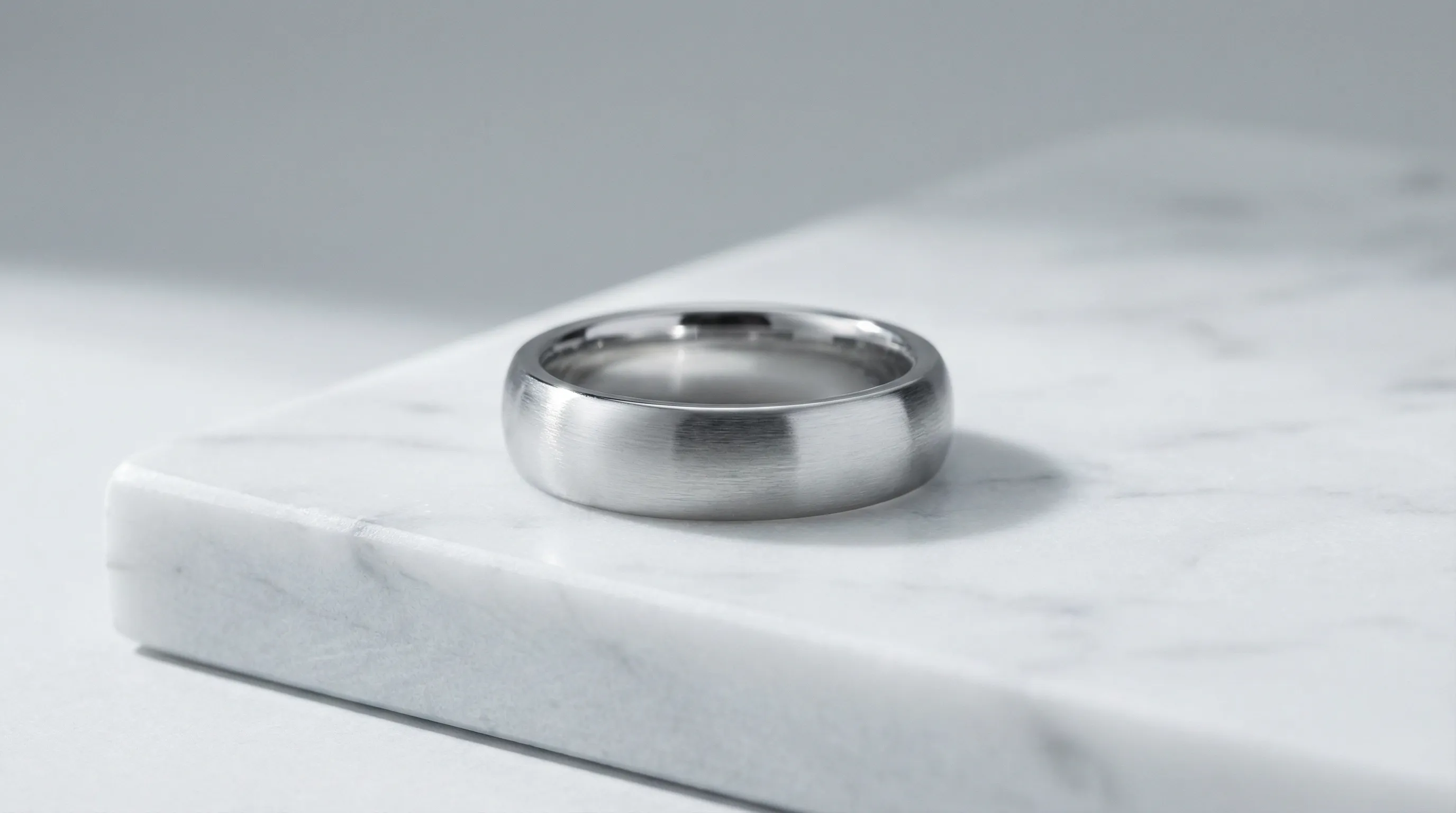
Oura Ring Price in 2026: Every Model, Subscription & Real Total Cost
*Updated July 2026*

Written by
Steve Luu
Health tech researcher