How Does Sleep Affect Longevity? What the Science Actually Says
Key Takeaway
The connection between sleep and lifespan isn't subtle. It's not some hippy-dippy wellness claim. The data is stark: people who consistently sleep less than 6 hours per night have a 12-15% higher risk of dying from any cause compared to those sleeping 7-8 hours. As an illustrative comparison, some r
Affiliate Disclosure: BetterVitals may earn a commission from purchases made through links in this article, at no additional cost to you. This supports our independent research and analysis. We only recommend products we believe in after thorough evaluation.
Medical Disclaimer
This article is for educational purposes only and is not a substitute for professional medical advice, diagnosis, or treatment. Always consult your healthcare provider before making health decisions.
How Does Sleep Affect Longevity? What the Science Actually Says
The connection between sleep and lifespan isn't subtle. It's not some hippy-dippy wellness claim. The data is stark: people who consistently sleep less than 6 hours per night have a 12-15% higher risk of dying from any cause compared to those sleeping 7-8 hours. As an illustrative comparison, some researchers have noted that this magnitude of risk increase is roughly equivalent to smoking 5 cigarettes a day — though the mechanisms are different — according to a 2010 meta-analysis published in Sleep by Cappuccio and colleagues.
But here's what makes this complicated — and interesting: sleeping too much isn't great either. People who consistently sleep more than 9 hours show elevated mortality risk, though researchers suspect this is often a symptom of underlying health problems rather than the sleep itself causing harm.
So let's dig into what the science actually shows about sleep and longevity — not the wishy-washy "sleep is important" take, but the specific mechanisms, the numbers, and what you can actually do with this information.
The Glymphatic System: Your Brain's Nightly Cleanup Crew
Here's something most people don't know: your brain doesn't have a traditional lymphatic system. Instead, it has the glymphatic system — a waste-clearance network that primarily operates while you sleep.
During deep sleep, your brain cells actually shrink by about 60%, allowing cerebrospinal fluid to flush through and wash away toxic proteins like beta-amyloid and tau — the same proteins associated with Alzheimer's disease.
This is a big deal. Research from the University of Rochester Medical Center (published in Science, 2013) showed that the glymphatic system clears waste products 10-20x more efficiently during sleep than during waking hours. Other studies have found that even a single night of poor sleep can increase beta-amyloid in the brain's memory centers.
The takeaway: Sleep isn't just rest — it's active maintenance. Skimp on it, and you're letting metabolic garbage accumulate in your brain.
Hormonal Repair: The Growth Hormone Effect
Deep sleep — particularly during the first half of the night — triggers the largest release of human growth hormone (HGH). This isn't just about muscle building. HGH plays critical roles in:
- Cellular repair and regeneration
- Muscle protein synthesis
- Bone density maintenance
- Metabolic function
As we age, HGH production naturally declines. Sleep deprivation accelerates this. Studies show that even young, healthy adults who sleep just 4 hours per night for a week experience a 15-25% reduction in HGH secretion.
Beyond HGH, sleep deprivation disrupts:
- Cortisol regulation — chronic undersleeping keeps cortisol elevated, promoting muscle breakdown and fat storage
- Leptin and ghrelin — the hunger hormones. Leptin (satiety) drops, ghrelin (hunger) spikes. This is why sleep-deprived people consistently overeat
- Insulin sensitivity — poor sleep makes your body less responsive to insulin, increasing diabetes risk
Immune Function: Your First Line of Defense
Sleep and your immune system are tightly intertwined — and the data here is particularly stark.
A 2019 study in Experimental & Molecular Medicine found that just one night of partial sleep (4 hours) reduced natural killer cell activity by 70%. Natural killer cells are your body's first defense against viruses and cancer cells.
Other research shows:
- People sleeping less than 7 hours are 3x more likely to develop a cold when exposed to rhinovirus
- Sleep-deprived individuals produce fewer antibodies after vaccination, meaning vaccines work less well
- Chronic undersleeping is associated with increased inflammatory markers (C-reactive protein, IL-6) — inflammation being a root cause of most chronic diseases
The practical implication: If you're trying to build immunity through vaccines, exercise, or nutrition but skimping on sleep, you're undercutting your efforts.
Cardiovascular Risk: The Heart Sleeps Last
The cardiovascular data on sleep is some of the most consistent:
- Hypertension: One night of poor sleep can elevate blood pressure the next day. Chronic undersleeping keeps it consistently elevated
- Heart disease: A 2018 European Heart Journal study of 116,000 people found that those sleeping less than 6 hours had a 48% higher risk of heart disease
- Stroke risk: The same study showed a 15% increased stroke risk for short sleepers
- Atrial fibrillation: Recent research links poor sleep to increased risk of irregular heart rhythms
The mechanisms are well-understood: sleep deprivation increases sympathetic nervous system activity (the "fight or flight" response), elevates inflammatory markers, and disrupts metabolic function — all of which strain the cardiovascular system.
One relevant metric here is heart rate variability (HRV). Higher HRV during sleep correlates with better cardiovascular recovery and lower long-term disease risk. Tracking your overnight HRV trends can reveal whether your sleep is actually restorative or just time spent in bed.
Browse All Products
Explore our evidence-based product reviews across every health category.
The Sleep Debt Death Spiral
Here's where things get insidious: sleep debt accumulates, and your body tries to compensate in ways that create more problems.
After nights of insufficient sleep, people tend to:
- Crave high-calorie foods (hello, sugar and processed carbs)
- Exercise less (no energy, no motivation)
- Make poorer decisions (reduced prefrontal cortex function)
- Feel more stressed (elevated cortisol)
This creates a feedback loop: poor sleep → worse choices → worse sleep → worse choices. Over months and years, this accelerates biological aging.
A 2023 study in Nature Aging found that adults over 40 who slept less than 6 hours per night had a 4.5-year higher biological age compared to those sleeping 7-8 hours. The researchers measured biological age through epigenetic clocks — the most accurate measure we have of cellular aging.
What "Good" Sleep Actually Looks Like
Not all sleep is equal. The research consistently shows that both duration AND quality matter:
Duration:
- Optimal: 7-8 hours for most adults
- Acceptable minimum: 6 hours (below this, mortality risk climbs)
- Too much: Over 9 hours may indicate underlying issues
Quality indicators:
- Falling asleep within 20-30 minutes
- Waking up no more than once per night
- Feeling refreshed upon waking (not groggy)
- Daytime energy that doesn't require caffeine to maintain
Architecture:
- Deep sleep (stages 3-4): 15-20% of total sleep — this is where HGH release and cellular repair happen
- REM sleep: 20-25% — critical for memory consolidation and emotional processing
- Light sleep: the remainder
How Sleep Tracking Can Help
If you're serious about optimizing sleep for longevity, tracking provides the data you need to improve. Modern wearables can measure sleep stages, HRV, respiratory rate, and skin temperature — giving you objective feedback on sleep quality beyond just "how many hours."
Wearables for sleep tracking:
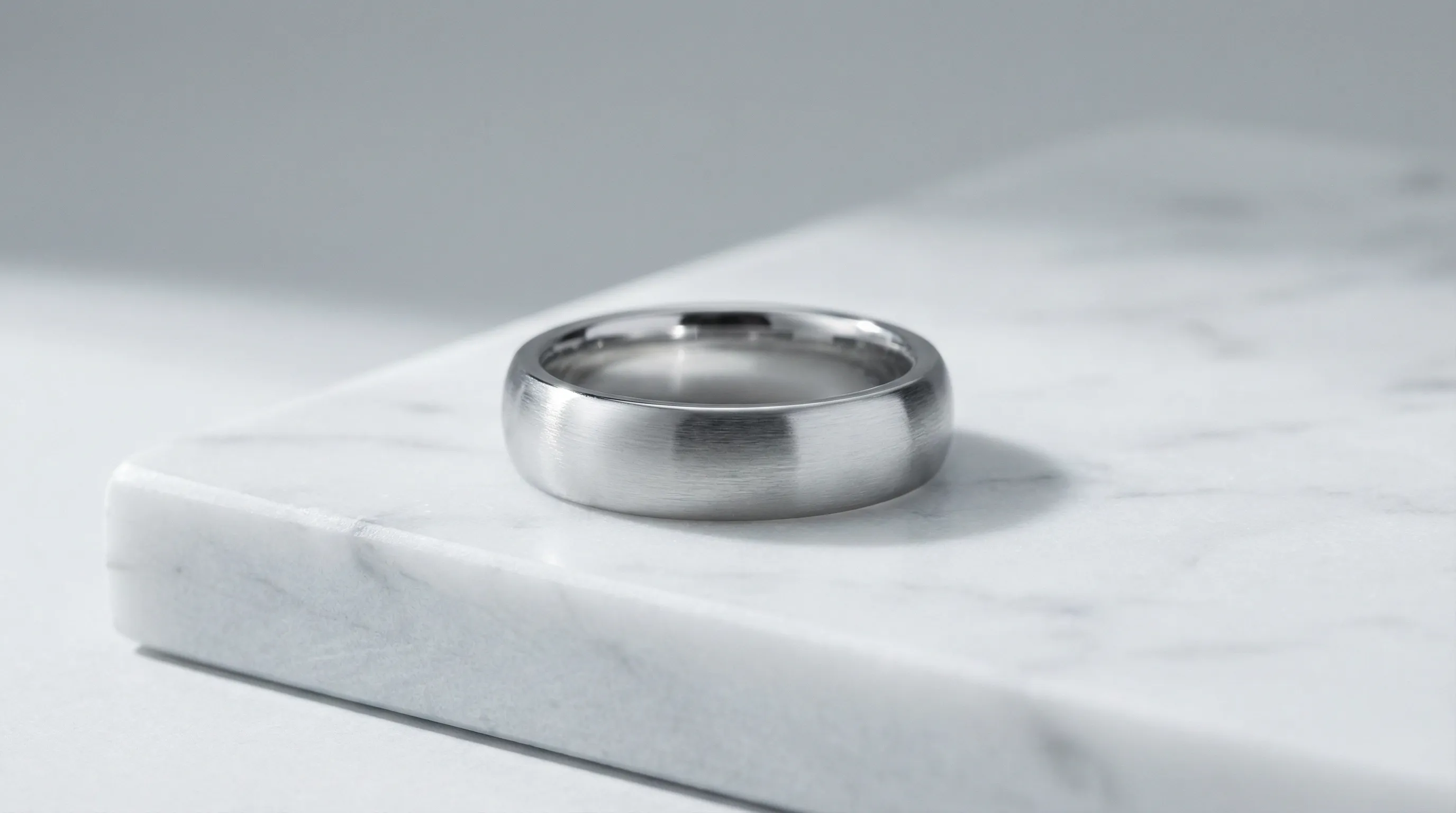
- The Oura Ring Gen 4 excels at sleep staging accuracy and overnight HRV tracking — it's the most comfortable option since you wear it on your finger
- Whoop 4.0 provides detailed strain-vs-recovery analysis, showing you exactly how much sleep you need based on your daily activity load
Bed-based tracking:
- The Eight Sleep Pod 4 combines sleep tracking with active temperature regulation — automatically cooling your bed during the first sleep cycle and warming it during later cycles. If temperature is disrupting your sleep, this addresses the root cause rather than just measuring the problem. See our Eight Sleep vs ChiliPad comparison for a detailed breakdown.
The key with sleep tracking isn't obsessing over nightly scores — it's identifying patterns over weeks and months. Are you consistently getting enough deep sleep? Does alcohol on Thursday tank your Friday HRV? Does your sleep quality drop when your bedroom is above 68°F? These are the actionable insights that move the needle.
Get smarter about health tech
Deal alerts, new reviews, and health tips — delivered weekly. No spam.
Unsubscribe anytime. We respect your inbox.
The Bottom Line
The science is clear: sleep is not a luxury. It's a biological requirement with direct, measurable effects on how long — and how well — you live.
Skip sleep consistently, and you're not just feeling tired. You're accelerating cellular aging, compromising your immune system, and increasing your risk of the diseases that kill most people: heart disease, stroke, and neurodegenerative conditions.
FAQ
How many hours of sleep do I need for longevity?
The research consistently points to 7-8 hours as optimal. Less than 6 hours significantly increases mortality risk. More than 9 hours may indicate underlying health issues.
Does napping help?
Short naps (20-30 minutes) can help with alertness and productivity. Longer naps can interfere with nighttime sleep. If you're napping because you're chronically tired, that's a sign you need more sleep at night.
Does sleep quality matter as much as duration?
Yes. You can sleep 8 hours but if it's fragmented or low-quality, you won't get the same benefits. Deep sleep and REM sleep are when the most important repair happens.
What's the single best thing I can do for better sleep?
Consistent sleep and wake times — even on weekends. Your circadian rhythm thrives on predictability.
Can I catch up on sleep on weekends?
Partially. You can pay off some sleep debt, but chronic sleep restriction causes cumulative damage that weekends can't fully reverse. Consistency matters more than weekend catch-ups.
Does sleep tracking actually help?
For people trying to optimize, yes. Devices like Oura Ring or Whoop can show you trends over time and identify what's actually affecting your sleep. But don't get obsessed with the numbers — feel matters too.
Featured Products
Products mentioned in this article

Related Guides
More articles you might find helpful
How to Regulate Blood Sugar Naturally: Evidence-Based Strategies
Your body regulates blood sugar constantly. It's one of the most fundamental things your metabolism does. But modern life — processed foods, sedentary habits, chronic stress — can throw that system out of whack.
CGM for Non-Diabetics: Is It Worth the Hype?
You've seen them on Twitter. Influencers wearing little sensors on their arms, posting screenshots of their blood sugar curves. "Look at my glucose spike after eating pizza!" They call it "metabolic optimization." They call it "biohacking."
Cold Plunge Benefits: What the Science Actually Says
Cold plunging is having a moment. Every biohacker's Instagram shows ice baths, cold plunge pools are popping up in gyms, and Andrew Huberman's podcast made it mainstream.

Written by
Steve Luu
Health tech researcher