Best CGM for Type 2 Diabetes Without Insulin (2026): OTC Options Compared
Key Takeaway
Updated July 2026
Affiliate Disclosure: BetterVitals may earn a commission from purchases made through links in this article, at no additional cost to you. This supports our independent research and analysis. We only recommend products we believe in after thorough evaluation.
Medical Disclaimer
This article is for educational purposes only and is not a substitute for professional medical advice, diagnosis, or treatment. Always consult your healthcare provider before making health decisions.
Best CGM for Type 2 Diabetes Without Insulin (2026): OTC Options Compared
Meta description: Insurance rarely covers a CGM for type 2 diabetes without insulin — but 2026's OTC sensors fill the gap. Dexcom Stelo ($99/mo, FDA-cleared for T2D), Abbott Lingo, and Nutrisense compared, plus when you still need a prescription.
Updated July 2026
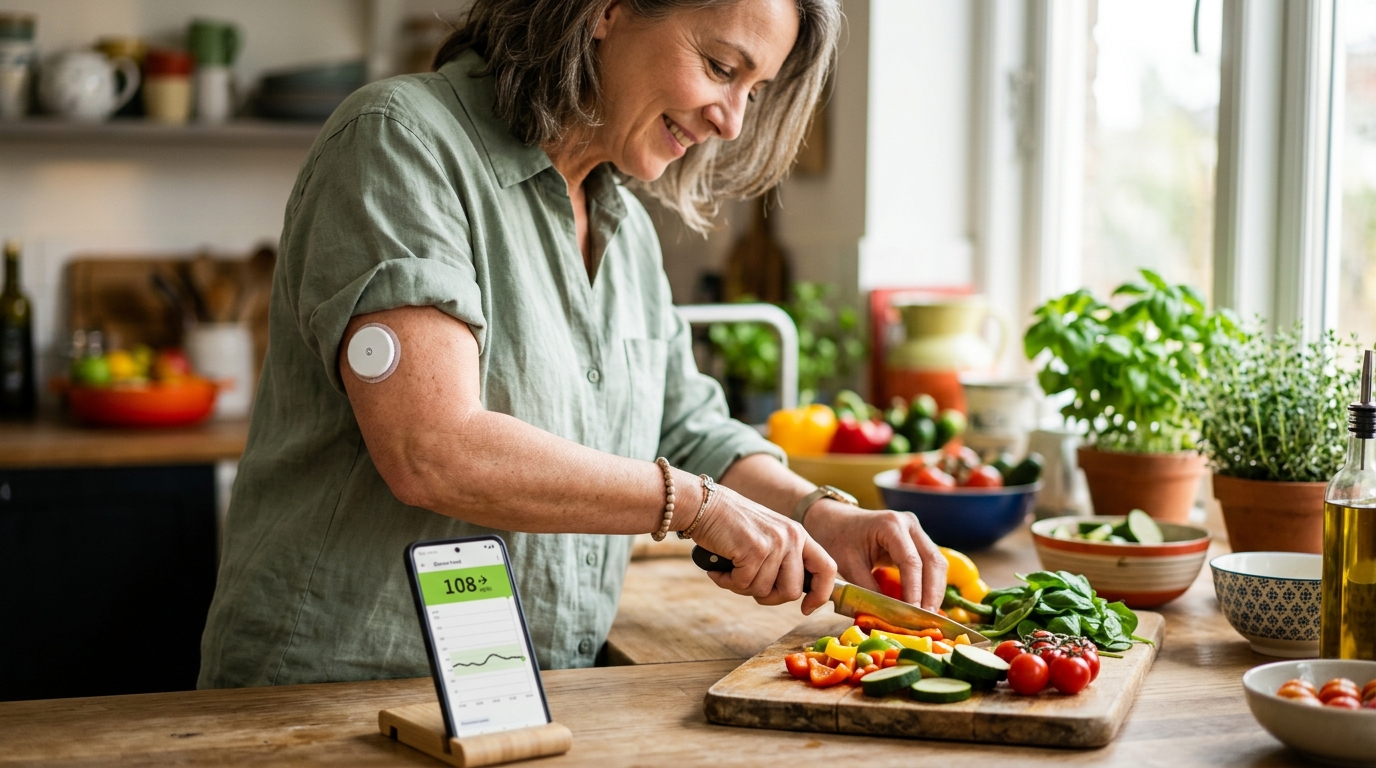
The short answer: Dexcom Stelo is the best CGM for type 2 diabetes without insulin in 2026. It's the only over-the-counter sensor explicitly FDA-cleared for adults with type 2 not using insulin, costs $99/month with no prescription or subscription, and its 15-day sensors are built for exactly this use case — seeing how food, movement, and sleep move your glucose so you can bend the trend line. Abbott Lingo is the budget route at $49 for two weeks; Nutrisense adds a registered dietitian if you want expert help interpreting the data.
First, the situation that brings most readers here.
The Insurance Gap No One Warns You About
If you have type 2 diabetes managed with metformin, other oral medications, GLP-1s, or lifestyle alone, most US insurance plans — including Medicare in most cases — will not cover a continuous glucose monitor. Coverage generally requires insulin use (especially multiple daily injections) or a documented history of severe hypoglycemia.
That leaves millions of people managing a glucose condition while being told real-time glucose data isn't medically necessary for them. The over-the-counter CGM market that emerged in 2024–2026 exists largely because of this gap: Dexcom and Abbott now sell sensors directly, no prescription or prior authorization required, at prices far below the cash price of their prescription products.
Why a CGM Helps When You're Not on Insulin
Without insulin dosing decisions to make, a CGM's job changes. It becomes a feedback instrument:
- Find your trigger foods. Glucose responses are highly individual — the rice that spikes your neighbor 60 mg/dL may barely move you, and vice versa. A fingerstick meter can't map this; two weeks of continuous data can.
- See your medication and meals interact. Timing metformin, meals, and exercise stops being guesswork when the curve is on your phone.
- Catch dawn phenomenon and overnight patterns a morning fingerstick misses entirely.
- Verify what's working. A1C tells you the 3-month average; a CGM shows you which changes moved it.
A word of calibration: research on CGM use in non-insulin type 2 diabetes shows meaningful but modest average A1C improvements, with the benefit concentrated in people who act on the data. The sensor doesn't lower glucose — the behavior change it prompts does.
Browse All Products
Explore our evidence-based product reviews across every health category.
The Best Options for Type 2 Without Insulin
1. Dexcom Stelo — Best Overall
Stelo was designed for this exact population: its FDA clearance names adults with type 2 diabetes not on insulin as a primary intended user. You get Dexcom's proven sensor platform (MARD ~10%), 15-day wear, readings every 5 minutes, and integrations with Apple Health, Google Fit, and Oura. $99/month (two sensors), no subscription; $49.99 for a single sensor. HSA/FSA eligible.
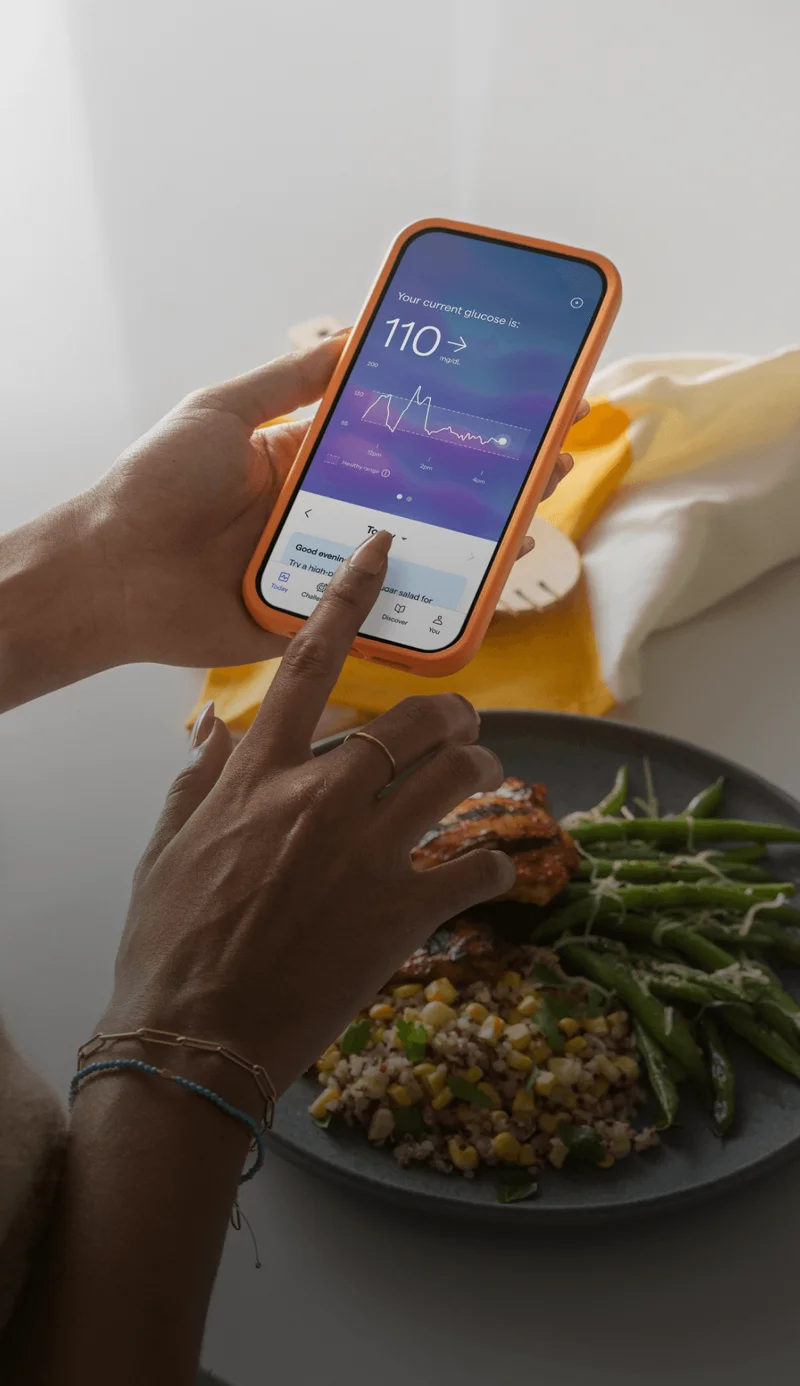
The app shows trends and time-in-range without medical alarms — appropriate for non-insulin users, and far less anxiety-inducing than a clinical CGM app. Full details in our Dexcom Stelo review.
2. Abbott Lingo — Best Budget Start
Lingo runs on Abbott's FreeStyle Libre platform — the same core technology in the prescription Libre 3 — at $49 for a two-week biosensor, available at Walmart and Amazon. Its coaching-style app is gentler for beginners, though it frames everything as "metabolic strain" rather than diabetes management. $49 for two weeks; ~$91/month for continuous wear.
The Stelo-vs-Lingo decision comes down to integrations and app style — our head-to-head comparison breaks it down.
3. Nutrisense — Best With Expert Guidance
If a chart full of glucose data feels overwhelming, Nutrisense pairs Libre-based sensors with one-on-one support from a registered dietitian — the closest thing to having a professional walk your data with you, without waiting for your next clinic visit. From $179/month. Meaningfully pricier, and worth it specifically if you'll use the coaching.
When You Still Need a Prescription CGM
OTC sensors are the wrong tool if any of these apply — talk to your clinician instead:
- You use insulin (any regimen). You need real-time alarms and dosing-grade accuracy: Dexcom G7 or FreeStyle Libre 3.
- You've had severe hypoglycemia. OTC sensors deliberately omit urgent-low alarms.
- You're pregnant. Different accuracy requirements; prescription territory.
And regardless of device: a CGM supplements, never replaces, your care plan. Share what you find with your clinician — patterns you discover are genuinely useful at appointments.
Get smarter about health tech
Deal alerts, new reviews, and health tips — delivered weekly. No spam.
Unsubscribe anytime. We respect your inbox.
Making the Data Count
Two weeks of sensor data beats two years of guessing, but only if you run experiments. The playbook that moves numbers for most people: eat your usual meals for the first 3–4 days to establish a baseline, then test one change at a time — vegetables and protein before carbs, a 10-minute walk after your biggest meal, an earlier dinner, swapping your worst-offender breakfast. Our guide on how to regulate glucose naturally covers the levers in detail, and our best CGMs for non-diabetics ranking has the full market comparison including Signos and Levels.
Frequently Asked Questions
What is the best CGM for type 2 diabetes without insulin?
Dexcom Stelo is the best CGM for type 2 diabetes without insulin in 2026. It's FDA-cleared specifically for adults with type 2 not using insulin, costs $99/month with no prescription needed, wears for 15 days per sensor, and integrates with Apple Health, Google Fit, and Oura. Abbott Lingo (~$91/month, $49 trial) is the best budget alternative.
Will insurance cover a CGM if I'm not on insulin?
Usually not. Most US plans and Medicare require insulin use — often multiple daily injections — or documented severe hypoglycemia before covering a CGM for type 2 diabetes. That's why over-the-counter options like Dexcom Stelo and Abbott Lingo matter: they cost $49–$99 out of pocket, are HSA/FSA eligible, and need no prior authorization.
Are there alternatives to Dexcom CGMs for type 2 diabetes?
Yes. Abbott Lingo ($49 for two weeks) uses the FreeStyle Libre sensor platform and is the main over-the-counter alternative to Dexcom's Stelo. Nutrisense (from $179/month) pairs Libre-based sensors with a registered dietitian. For insulin users, the prescription FreeStyle Libre 3 is the primary Dexcom G7 alternative.
Can a CGM lower my A1C if I have type 2 diabetes?
Indirectly, yes. Studies of CGM use in non-insulin type 2 diabetes show modest average A1C reductions, with the largest improvements in people who change eating and activity habits based on what the sensor shows. The device itself doesn't lower glucose — it makes the cause-and-effect visible so your changes actually target your personal spike patterns.
Is Dexcom Stelo accurate enough for diabetes management?
For non-insulin management, yes — Stelo's ~10% MARD is accurate enough to track trends, meals, and time-in-range reliably. It is not cleared for insulin dosing decisions and has no urgent-low alarms; anyone dosing insulin needs a prescription CGM like the Dexcom G7.
How long should I wear a CGM if I'm not on insulin?
Start with 2–4 weeks (one or two sensors) to map your personal food responses and test fixes. Many people then wear sensors periodically — a check-in month each quarter — rather than continuously, since the big lessons front-load into the first few weeks. Continuous wear makes sense if the accountability keeps you consistent.
Disclaimer: This article contains affiliate links. We may earn a commission if you purchase through our links, at no additional cost to you. This content is for informational purposes only and is not medical advice; it is not a substitute for professional diagnosis or treatment. Always consult your clinician before changing how you manage diabetes.
Featured Products
Products mentioned in this article
Related Guides
More articles you might find helpful
Best Bed Cooling Systems 2026: Eight Sleep vs Cheaper Alternatives
**Disclosure:** Product CTAs on this page currently go to manufacturer sites (no affiliate tracking yet). Better Vitals may earn a commission once partner links are live — rankings and "skip if" calls won't change when we swap URLs. We only recommend gear we'd put on a shortlist for a specific type
Is the Oura Membership Worth It in 2026? (And How to Skip It)
*Updated July 2026*
Oura Ring Price in 2026: Every Model, Subscription & Real Total Cost
*Updated July 2026*

Written by
Steve Luu
Health tech researcher