How to Fix Your Circadian Rhythm: A Science-Based Guide
Key Takeaway
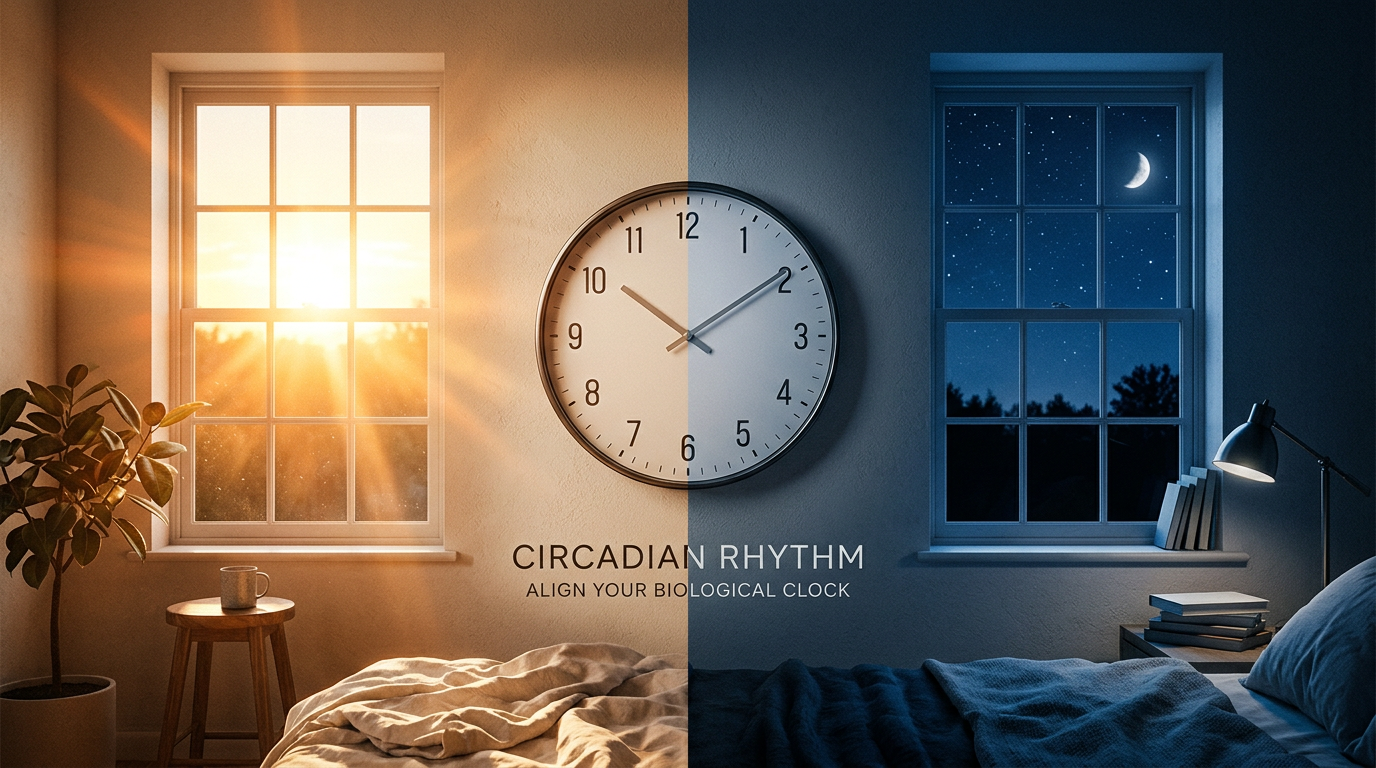
If you've ever pulled an all-nighter, traveled across time zones, or simply spent a weekend sleeping until noon, you've experienced what happens when your circadian rhythm gets disrupted. You feel off — groggy in the morning, wired at night, hungry at weird times, unable to focus during the day. It'
Affiliate Disclosure: BetterVitals may earn a commission from purchases made through links in this article, at no additional cost to you. This supports our independent research and analysis. We only recommend products we believe in after thorough evaluation.
Medical Disclaimer
This article is for educational purposes only and is not a substitute for professional medical advice, diagnosis, or treatment. Always consult your healthcare provider before making health decisions.
How to Fix Your Circadian Rhythm: A Science-Based Guide
If you've ever pulled an all-nighter, traveled across time zones, or simply spent a weekend sleeping until noon, you've experienced what happens when your circadian rhythm gets disrupted. You feel off — groggy in the morning, wired at night, hungry at weird times, unable to focus during the day. It's not just "being tired." It's your body's master clock running out of sync with the world around it.
The good news: your circadian rhythm is remarkably responsive to the right inputs. Unlike many biological systems that take weeks or months to change, your internal clock can begin shifting within days when you give it the correct signals. The bad news: most people are inadvertently sending the wrong signals — sleeping in on weekends, staring at bright screens until midnight, eating late at night, exercising at inconsistent times — and wondering why they can't fall asleep or wake up when they want to.
This guide gives you ten evidence-based strategies to reset your circadian rhythm, ranked roughly by impact. Some are free and take zero effort. Others require behavior changes that may feel uncomfortable at first. All of them are supported by peer-reviewed research. If you're looking for the downstream health effects of chronic circadian disruption, our sleep and longevity guide covers why this matters beyond just feeling rested.
Medical disclaimer: This article is for informational purposes only. If you have a diagnosed circadian rhythm disorder (delayed sleep phase disorder, advanced sleep phase disorder, non-24-hour sleep-wake disorder, or shift work disorder), consult a sleep medicine specialist. The strategies here are effective for general circadian misalignment but may not be sufficient for clinical conditions.
What Is Your Circadian Rhythm?
Your circadian rhythm is a roughly 24-hour internal cycle that regulates virtually every biological process in your body — not just sleep, but hormone release, body temperature, digestion, immune function, gene expression, and cognitive performance. The word "circadian" comes from the Latin circa diem, meaning "about a day."
The Master Clock: The Suprachiasmatic Nucleus
The conductor of this entire orchestra is a tiny cluster of about 20,000 neurons in your hypothalamus called the suprachiasmatic nucleus (SCN). The SCN receives direct light input from specialized photoreceptors in your retina called intrinsically photosensitive retinal ganglion cells (ipRGCs). These cells don't help you see images — they detect ambient light levels and send that information directly to your master clock.
When the SCN detects bright light (especially blue wavelengths in the 460–490 nm range), it signals "daytime" to the rest of your body. When light levels drop, the SCN triggers the pineal gland to release melatonin, which signals "nighttime." This light-dark cycle is the single most powerful input — or zeitgeber (German for "time giver") — that sets your circadian clock.
Beyond the Master Clock: Peripheral Clocks
Here's where it gets more interesting: your SCN isn't the only clock. Nearly every cell in your body has its own circadian clock genes (BMAL1, CLOCK, PER, CRY, among others). Your liver has a clock. Your gut has a clock. Your muscles have a clock. These peripheral clocks take cues from the SCN but also respond to their own local signals — particularly meal timing for the liver and exercise timing for muscles.
When your master clock and peripheral clocks are all synchronized, your body runs efficiently. When they're misaligned — say, your brain thinks it's nighttime but you're eating a large meal — the conflict creates metabolic confusion. A 2019 study in Science demonstrated that misalignment between the master clock and peripheral clocks contributes to insulin resistance, weight gain, and inflammation, independent of total sleep duration.
Signs Your Circadian Rhythm Is Off
Before jumping to solutions, it helps to recognize the patterns. Your circadian rhythm may be disrupted if you regularly experience:
- Difficulty falling asleep at your desired bedtime. You lie in bed feeling alert, mind racing, unable to wind down despite being tired.
- Difficulty waking up in the morning. Your alarm feels like an act of violence. You hit snooze repeatedly and feel groggy for the first 1–2 hours of the day (excessive sleep inertia).
- Energy crashes in the afternoon followed by a second wind at night. Your alertness peaks at the wrong times.
- Inconsistent sleep schedule. You naturally drift later and later, especially on weekends, then struggle to pull your schedule back on Monday.
- Waking up at 3–4 AM unable to fall back asleep. This can indicate an advanced or fragmented circadian pattern.
- Digestive issues tied to meal timing. Bloating, acid reflux, or irregular appetite.
- Mood disruption. Irritability, low motivation, and depressive symptoms that correlate with sleep timing rather than sleep duration.
If several of these resonate, your clock likely needs recalibrating. Here's how.
Browse All Products
Explore our evidence-based product reviews across every health category.
10 Strategies to Reset Your Circadian Rhythm
1. Get Bright Light Exposure Within 30 Minutes of Waking
This is the single most impactful thing you can do. Morning light exposure is the primary signal that resets your circadian clock each day. Step outside and get direct sunlight — not through a window, not in a dimly lit room — for at least 10–15 minutes on a sunny day, or 20–30 minutes on a cloudy day.
The reason: your ipRGCs need a threshold of light intensity to send a strong "it's morning" signal to the SCN. Indoor lighting is typically 100–500 lux. Outdoor light, even on an overcast day, is 2,000–10,000 lux. Direct sunlight exceeds 50,000 lux. The difference isn't marginal — it's orders of magnitude.
A 2017 study in Sleep Health found that workers with greater morning light exposure fell asleep faster, slept longer, and reported better sleep quality than those with minimal morning light. Neuroscientist Andrew Huberman has popularized this practice, and for good reason — the evidence is exceptionally strong.
Practical tip: If you live in a northern climate with dark winters, a 10,000 lux light therapy box used for 20–30 minutes each morning is an effective substitute. Position it 16–24 inches from your face at eye level. Don't stare at it directly — just have it in your peripheral vision while you eat breakfast or read.
2. Keep a Consistent Wake Time — Even on Weekends
Your circadian clock doesn't understand weekends. Every time you sleep in by two or more hours on Saturday and Sunday, you're giving yourself a mini jet lag — researchers literally call this "social jet lag." A 2012 study in Current Biology found that social jet lag was independently associated with increased BMI, higher cortisol, and greater cardiovascular risk.
Pick a wake time and stick to it within a 30-minute window, seven days a week. Yes, even after a late night. This feels brutal at first, but it's the fastest way to anchor your clock. If you're sleep-deprived, use a short afternoon nap (see #10) rather than sleeping in. Consistency is the scaffold that makes every other strategy work.
3. Manage Blue Light Exposure in the Evening
After the sun sets, bright artificial light — especially from screens — tells your SCN it's still daytime. This delays melatonin onset and pushes your sleep window later. The research on this is unambiguous: a 2014 study in PNAS found that evening screen use delayed melatonin onset by approximately 1.5 hours and reduced REM sleep.
What to do:
- Dim overhead lights after sunset. Use warm-toned (2700K or lower) bulbs in your evening spaces.
- Enable Night Shift or similar blue light filters on all devices. This isn't perfect — the screen is still bright — but it helps.
- Consider blue light blocking glasses with amber lenses for the 2–3 hours before bed. The evidence for amber lenses specifically is solid.
- Ideally, avoid screens entirely for the last 60 minutes before sleep. Read a physical book, stretch, or talk to someone.
4. Time Your Meals Strategically
Your peripheral clocks — especially your liver and gut — use meal timing as a major zeitgeber. Eating at consistent times reinforces your circadian rhythm; eating at irregular times disrupts it.
A 2020 study in Cell Metabolism found that time-restricted eating (consuming all food within a 10–12 hour window aligned with daylight hours) improved circadian gene expression and metabolic markers, even without changing the amount or type of food consumed.
Practical guidelines: Eat your first meal within 1–2 hours of waking. Finish your last meal at least 3 hours before bed. A large meal close to bedtime forces your digestive system to work when it should be winding down, raising core body temperature and disrupting sleep architecture.
5. Use Temperature as a Signal
Your core body temperature follows a circadian curve — it rises during the day, peaks in the late afternoon, and drops at night. The evening temperature drop is a key trigger for sleepiness. You can amplify this signal:
- Keep your bedroom cool. The optimal sleeping temperature for most people is 65–68 degrees Fahrenheit (18–20 degrees Celsius). Our sleep hygiene checklist covers bedroom environment optimization in detail.
- Take a warm shower or bath 1–2 hours before bed. Counterintuitively, warming your body surface causes vasodilation — blood rushes to your skin, which radiates heat and drops your core temperature faster. A 2019 meta-analysis in Sleep Medicine Reviews found that a warm bath 1–2 hours before bed reduced sleep onset latency by an average of 10 minutes.
6. Exercise at a Consistent Time
Exercise is a powerful circadian zeitgeber, particularly for your peripheral muscle clocks. A 2019 study in The Journal of Physiology found that exercise shifts the circadian clock in a time-dependent manner: morning exercise advanced the clock (helpful for night owls), while evening exercise had a more complex and variable effect.
The key insight isn't which time of day is "best" — it's that consistency matters. Exercising at the same time each day reinforces your circadian rhythm. Randomly training at 6 AM one day and 9 PM the next sends mixed signals. Pick a time that's sustainable for your schedule and stick with it.
One caution: High-intensity exercise within 2 hours of bedtime can delay sleep onset for some people by raising core body temperature and cortisol. If you must train in the evening, allow at least a 2-hour buffer before bed, and consider a cool-down routine that includes gentle stretching or a warm shower.
7. Use Melatonin Strategically (Not as a Sleep Aid)
Most people misunderstand melatonin. It's not a sleeping pill — it's a chronobiotic, meaning it shifts the timing of your circadian clock. When used correctly, low-dose melatonin taken at the right time is one of the most effective tools for resetting a disrupted rhythm.
The key details:
- Dose: 0.3–0.5 mg is sufficient for circadian shifting. Most commercial supplements contain 3–10 mg, which is 10–30 times what you need. Higher doses don't work better and can cause morning grogginess and receptor desensitization.
- Timing: Take it 2–3 hours before your desired bedtime. If you want to sleep at 10:30 PM, take 0.5 mg melatonin at 7:30–8:30 PM. This advances your clock by signaling "it's getting dark" before the natural melatonin rise.
- Duration: Use it for 1–2 weeks while establishing your new schedule, then discontinue. Melatonin is a tool for resetting, not a nightly dependency.
8. Set a Caffeine Cutoff
Caffeine has a half-life of approximately 5–6 hours, which means that a coffee at 2 PM still has 50% of its caffeine circulating at 7–8 PM. For some people (slow metabolizers, based on CYP1A2 gene variants), the half-life is even longer.
A 2013 study in the Journal of Clinical Sleep Medicine found that caffeine consumed 6 hours before bedtime reduced total sleep time by more than one hour and significantly disrupted sleep architecture — even when participants didn't perceive their sleep as worse.
Rule of thumb: Cut off caffeine by noon, or at least 8–10 hours before your planned bedtime. If you're actively trying to reset a disrupted rhythm, consider eliminating caffeine entirely for 1–2 weeks — the withdrawal is uncomfortable but temporary, and it removes a major confound from your sleep reset efforts.
9. Make Your Sleeping Environment Truly Dark
Even small amounts of light during sleep can disrupt circadian signaling. A 2022 study in PNAS found that sleeping in a moderately lit room (100 lux — about the level of a dim hallway light) increased heart rate, reduced heart rate variability, and impaired glucose metabolism the following morning, compared to sleeping in a dim room (3 lux).
Practical steps:
- Use blackout curtains or a quality sleep mask. Our best sleep trackers guide covers devices that can help you monitor your sleep environment.
- Cover or remove all LED indicator lights on devices in your bedroom.
- If you need a nightlight for safety, use a dim red or amber light — red wavelengths have the least impact on melatonin suppression.
- Your phone should be face-down, on silent, or ideally in another room.
10. Be Consistent on Weekends (Yes, This Deserves Its Own Section)
This strategy is so important that it's worth restating as its own point. Weekend inconsistency is the single most common saboteur of circadian health. Staying up 2 hours later and sleeping in 2 hours later on Friday and Saturday nights creates a 4-hour circadian shift that you then have to reverse on Sunday night. This is why "Sunday scaries" often include genuine insomnia — your clock has shifted and now you're trying to force it back in one night.
The fix: keep your bedtime within a 1-hour window and your wake time within a 30-minute window, seven days a week. If you want to socialize late on a Friday, wake up at your normal time on Saturday and take a short (20-minute) nap in the early afternoon if needed. Protecting your wake time is the anchor that holds everything else in place.
Tracking Your Circadian Rhythm with Wearables
You can't manage what you can't measure. Modern sleep trackers provide valuable data for understanding your circadian patterns:
- Sleep onset and wake times: Tracking these over 2–4 weeks reveals your natural drift patterns.
- Heart rate variability (HRV): HRV follows a circadian curve. When your rhythm is well-aligned, HRV typically peaks during deep sleep in the first half of the night.
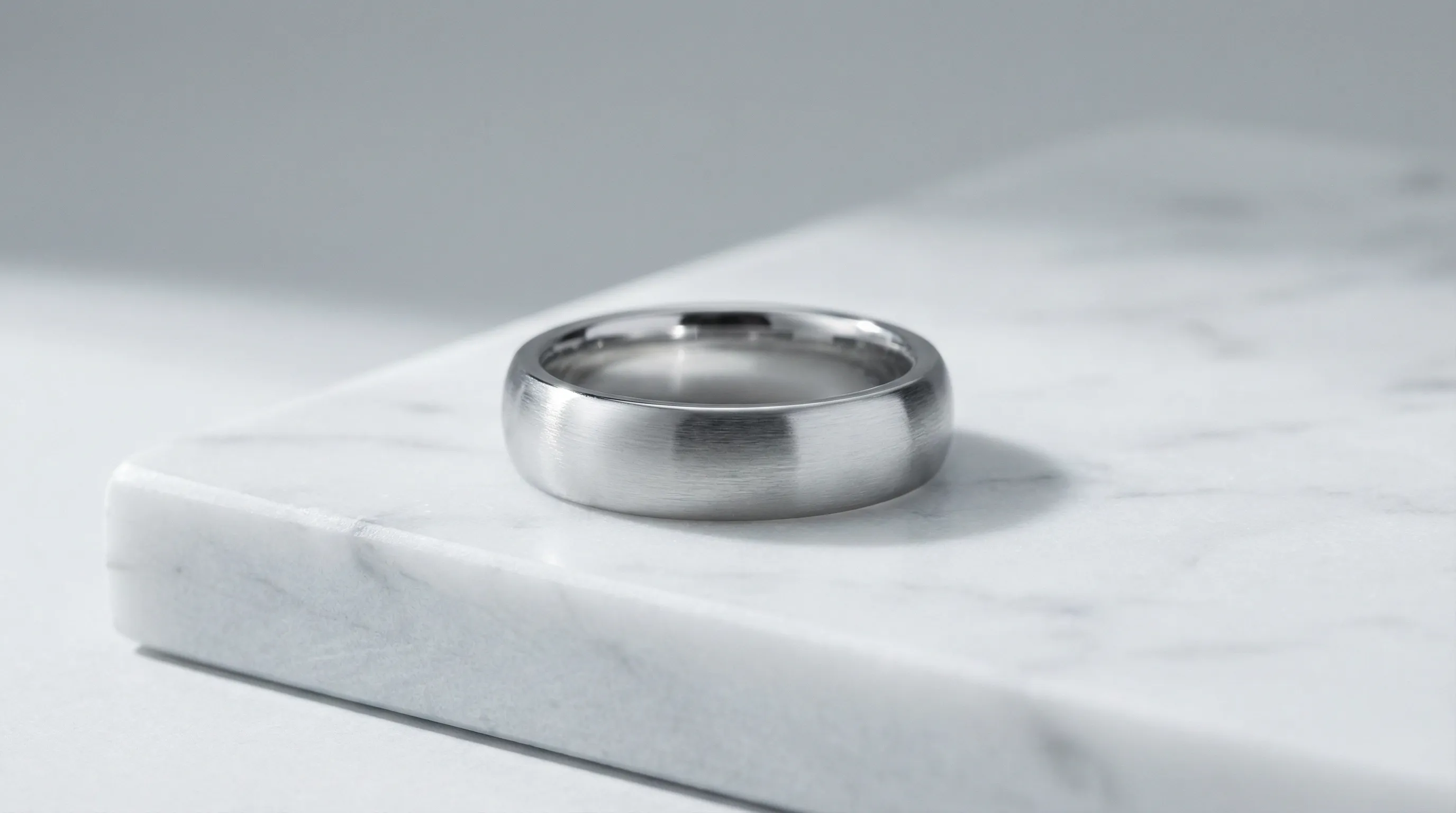
- Body temperature: Devices that track skin temperature (like the Oura Ring) can show your core temperature rhythm, including whether your nightly temperature drop is happening on schedule.
- Sleep stages: REM sleep is circadian-gated — it predominantly occurs in the latter third of the night. If your REM percentage is consistently low, circadian disruption is a common culprit.
If you're supplementing with magnesium for sleep, tracking can help you see whether it's actually shifting your sleep architecture or just providing a placebo effect.
Get smarter about health tech
Deal alerts, new reviews, and health tips — delivered weekly. No spam.
Unsubscribe anytime. We respect your inbox.
How Long Does It Take to Reset?
For mild circadian misalignment (1–2 hours off from your desired schedule), most people notice meaningful improvement within 3–5 days of consistent implementation. For more severe disruption — shift workers transitioning to a day schedule, recovery from major jet lag, or long-standing night owl patterns — expect 1–3 weeks of dedicated effort.
The important thing is that the strategies compound. Morning light plus consistent wake time plus evening light management is dramatically more effective than any single intervention alone. Stack the inputs, be patient, and trust the biology.
FAQ
How long does it take to fix a broken circadian rhythm?
Most people can shift their circadian rhythm by 1–2 hours within 3–7 days using consistent light exposure, wake time, and melatonin timing. More severe disruptions (4+ hours) may take 2–3 weeks. The key is consistency — intermittent efforts yield intermittent results. If your rhythm doesn't respond to behavioral strategies within 3–4 weeks, consult a sleep medicine specialist to rule out a clinical circadian rhythm disorder.
Can you permanently damage your circadian rhythm?
Your circadian clock is remarkably resilient. Years of shift work, chronic jet lag, or irregular schedules can create deeply entrenched patterns, but the underlying biological clock doesn't "break" in a permanent sense. The SCN continues to respond to light input regardless of how disrupted your schedule has been. However, chronic circadian disruption is associated with increased risk for metabolic syndrome, cardiovascular disease, and certain cancers — so fixing it sooner matters for long-term health.
Is it better to be a morning person or a night owl?
Neither is inherently better — your chronotype (natural tendency toward morning or evening) is largely genetic. What matters is alignment: if you're a natural night owl forced to wake at 5:30 AM for work, your circadian rhythm is chronically misaligned, and that has health consequences. The strategies in this guide can shift your timing, but they work best when they move you toward your natural chronotype rather than fighting it.
Does melatonin reset your circadian rhythm?
Yes, when used correctly. Low-dose melatonin (0.3–0.5 mg) taken 2–3 hours before your desired bedtime acts as a chronobiotic — it signals your clock that darkness is approaching and advances your sleep onset. However, the high doses in most supplements (3–10 mg) don't work better for circadian shifting and can cause side effects. Melatonin is most effective as a short-term reset tool, not a nightly habit.
Should I use a light therapy lamp?
If you live in a region with limited morning sunlight (northern latitudes in winter, or if your schedule requires waking before sunrise), a 10,000 lux light therapy box is an excellent tool. Use it for 20–30 minutes within the first hour of waking, positioned 16–24 inches from your face. This provides the light intensity your SCN needs to anchor your circadian rhythm when natural sunlight isn't available.
Can shift work permanently ruin your sleep?
Shift work is one of the most challenging circadian stressors, and the WHO has classified it as a probable carcinogen due to its association with circadian disruption. However, the effects are reversible when you transition to a consistent schedule. Former shift workers who adopt regular sleep-wake patterns and implement the strategies in this guide typically see significant recovery within 2–4 weeks. The key is establishing a non-negotiable wake time and light exposure routine.
Featured Products
Products mentioned in this article
Related Guides
More articles you might find helpful
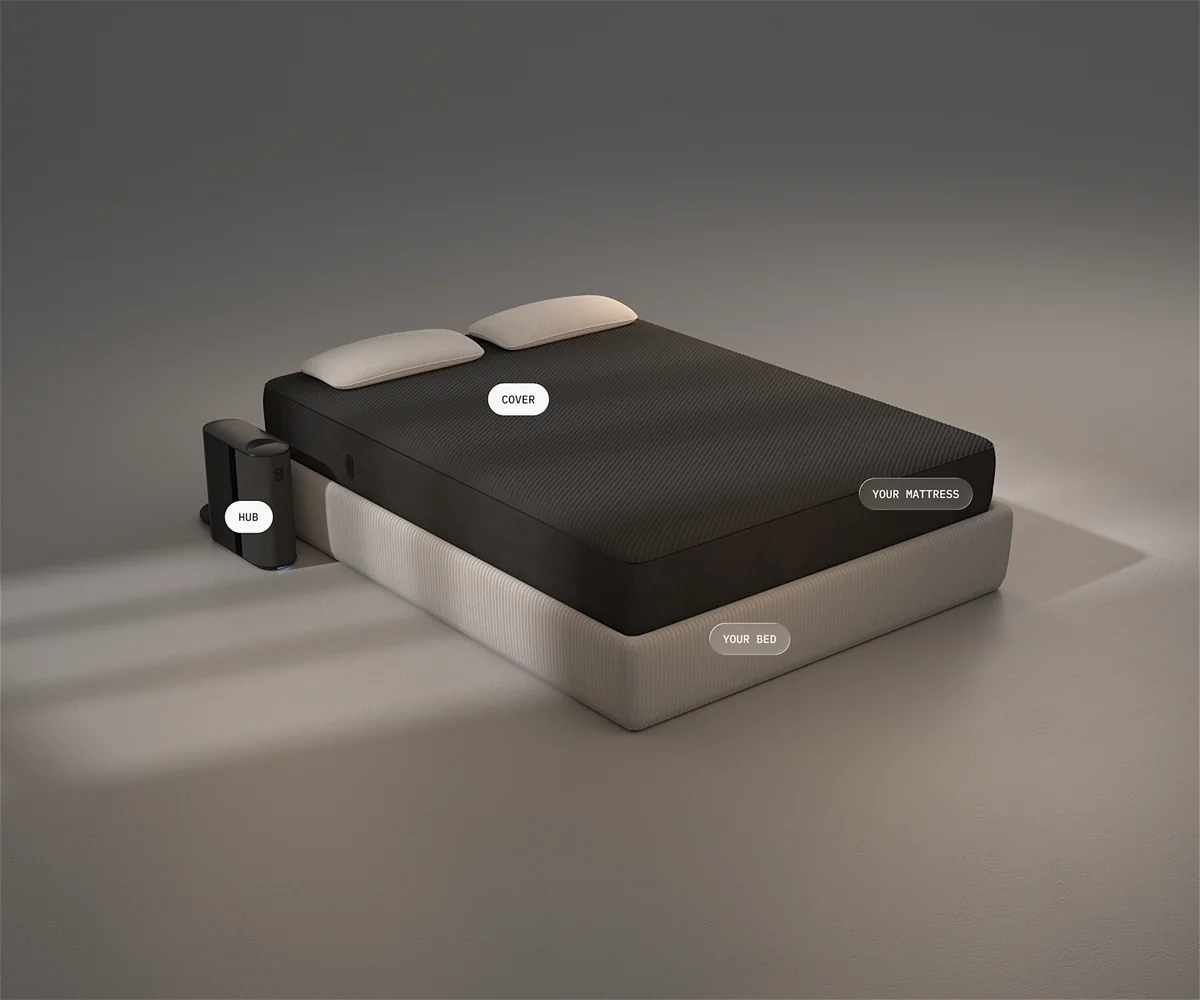
Best Bed Cooling Systems 2026: Eight Sleep vs Cheaper Alternatives
**Disclosure:** Product CTAs on this page currently go to manufacturer sites (no affiliate tracking yet). Better Vitals may earn a commission once partner links are live — rankings and "skip if" calls won't change when we swap URLs. We only recommend gear we'd put on a shortlist for a specific type
Is the Oura Membership Worth It in 2026? (And How to Skip It)
*Updated July 2026*
Oura Ring Price in 2026: Every Model, Subscription & Real Total Cost
*Updated July 2026*

Written by
Steve Luu
Health tech researcher