Levels Health Review 2026: Pricing, Complaints & Better Alternatives
Key Takeaway
I wore a Levels Health continuous glucose monitor for three months. Not as a diabetic — as a healthy, active 30-something who exercises regularly, eats reasonably well, and was curious whether real-time glucose data would actually change my behavior. The short answer: it did, dramatically, for about
Affiliate Disclosure: BetterVitals may earn a commission from purchases made through links in this article, at no additional cost to you. This supports our independent research and analysis. We only recommend products we believe in after thorough evaluation.
Medical Disclaimer
This article is for educational purposes only and is not a substitute for professional medical advice, diagnosis, or treatment. Always consult your healthcare provider before making health decisions.
Levels Health Review 2026: Pricing, Complaints & Better Alternatives
I wore a Levels Health continuous glucose monitor for three months. Not as a diabetic — as a healthy, active 30-something who exercises regularly, eats reasonably well, and was curious whether real-time glucose data would actually change my behavior. The short answer: it did, dramatically, for about 6 weeks. Then it became redundant. And that's actually the point.
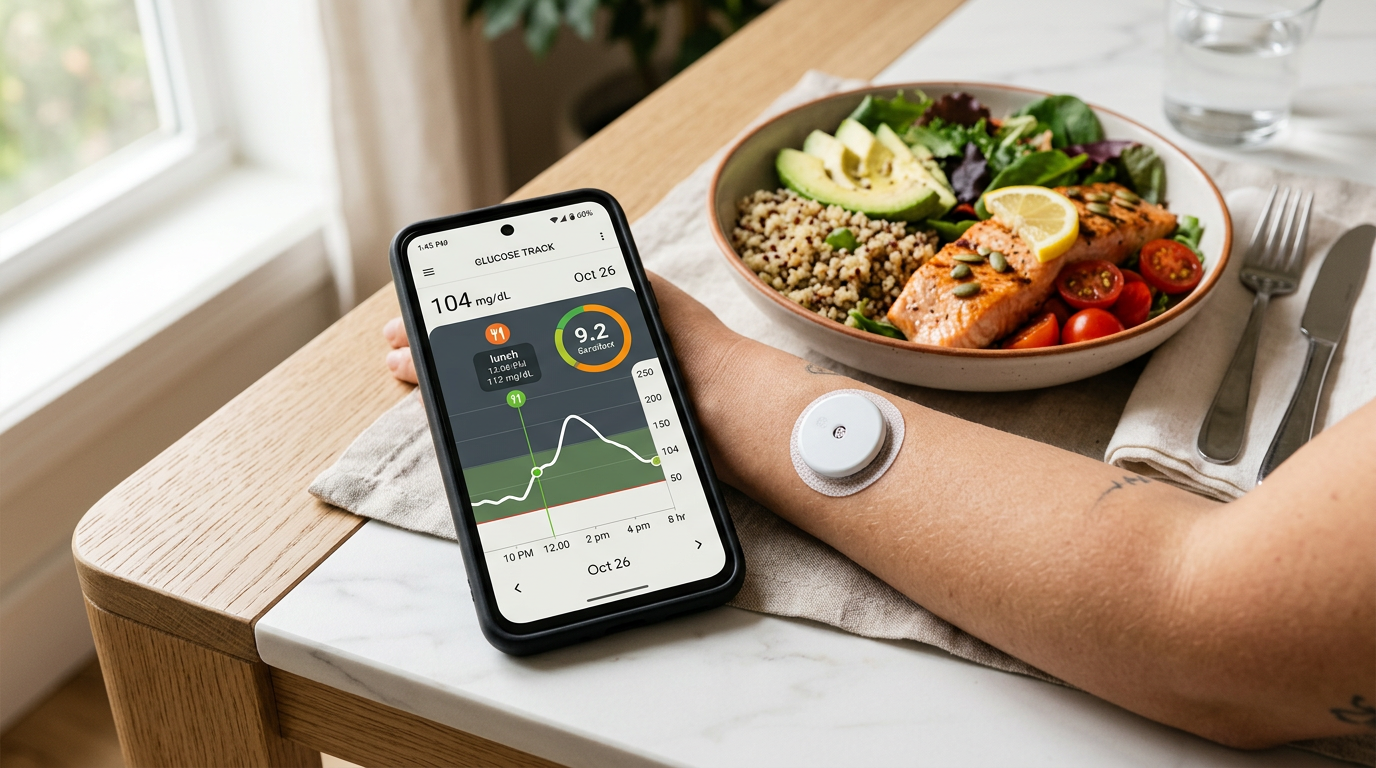
Levels Health is a metabolic health platform that pairs a Dexcom CGM sensor with proprietary software. You wear a small sensor on the back of your upper arm that reads interstitial glucose every few minutes, and the Levels app transforms that raw data into Metabolic Scores, zone tracking, and meal-by-meal feedback. The pitch is that understanding your glucose responses will help you eat better, feel more energetic, and reduce your risk of metabolic disease.
After 90 days, I have strong opinions about who should try this, who shouldn't, and whether the $100+/month price tag is justified.
Meta description: Levels Health tested for 3 months: full 2026 pricing breakdown ($199/mo vs $109/mo annual), the most common complaints, and cheaper alternatives like Dexcom Stelo that deliver the same data.
What Levels Does Well
The Metabolic Score System Is Genuinely Useful
Levels' killer feature is its Metabolic Score — a 1-10 rating for each meal based on how your glucose responds. Eat a bowl of white rice and watch your score crater to a 3. Swap it for cauliflower rice with the same protein and sauce, and suddenly you're at an 8. This immediate, personalized feedback loop is more powerful than any nutrition textbook.
Within the first two weeks, I discovered:
- Oatmeal (supposedly healthy) spiked my glucose to 165 mg/dL — well above the optimal range. Adding protein and fat (nuts, Greek yogurt) cut the spike by 40%.
- White rice vs. brown rice made almost no difference for me personally. Both spiked similarly. But adding vinegar to either reduced the spike significantly.
- Fruit order matters. Eating an apple on an empty stomach spiked me 50+ mg/dL. Eating the same apple after a meal with protein barely registered.
- My "healthy" smoothie was metabolically identical to drinking a soda. The blended fruit, honey, and juice base created a massive glucose spike despite feeling virtuous.
These aren't things you can learn from a nutrition label. Glucose responses are highly individual — what spikes one person barely affects another. Levels makes this personal biology visible.
The App Is Beautiful and Actionable
Levels has the best software in the consumer CGM space, and it's not close. The dashboard shows your day as a glucose timeline with meals overlaid, making cause-and-effect relationships immediately obvious. The daily report card summarizes your time in zone, average glucose, and highlights your best and worst meals.
The integration with Apple Health, Oura, and Whoop means you can see how sleep quality, exercise, and stress correlate with your glucose patterns. I noticed my fasting glucose was consistently 8-12 mg/dL higher after nights where my Oura sleep score was below 70 — a connection I never would have made without seeing the data side by side.
It Changes Behavior (at Least Short-Term)
Real-time glucose feedback creates a powerful accountability loop. When you can literally see your blood sugar climbing 10 minutes after eating something, you think twice next time. I found myself:
- Reordering meals (protein and vegetables first, carbs last)
- Taking 10-minute walks after big meals (glucose drops noticeably)
- Choosing different restaurants and menu items based on past glucose data
- Cutting my dessert frequency in half — not from willpower, but from seeing the metabolic cost
Research supports this. A 2023 study in Cell Metabolism found that CGM users with real-time feedback reduced their average glucose by 5-10% and increased time-in-range by 15%, even among non-diabetic participants.
Levels Health Pricing in 2026
How much does Levels Health cost in 2026?
Levels Health costs $199/month on the standard monthly plan or $109/month billed annually ($1,308/year), both including CGM sensors and full app access. That makes Levels the most expensive consumer CGM program in 2026 — Dexcom Stelo delivers the same underlying sensor data for $99/month with no subscription, and Abbott Lingo starts at $49 for a two-week biosensor.
| Plan | Price | Sensors included |
|---|---|---|
| Levels Monthly | $199/month | Yes |
| Levels Annual | $109/month ($1,308/yr) | Yes |
| Dexcom Stelo (alternative) | $99/month, no subscription | Yes |
| Abbott Lingo (alternative) | $49 two-week trial, ~$91/month | Yes |
Common Levels Health Complaints
The Price Is Hard to Justify Long-Term
At $199/month for the standard plan (sensor + software) or $109/month on the annual plan, Levels is expensive — especially for something you arguably only need for 2-3 months. After the initial learning phase, you know which foods work for your body and which don't. You don't need a sensor to tell you oatmeal spikes your glucose once you've seen it happen 15 times.
For comparison, the Dexcom Stelo sensor alone costs significantly less if you just want raw glucose data without Levels' software layer. And Nutrisense includes a registered dietitian in its subscription, which may provide more lasting value than software alone.
No Coaching or Human Support
This is where Nutrisense has a genuine advantage. When you're staring at a glucose chart with a 180 mg/dL spike after lunch, you might want someone to help you interpret it. Is this dangerous? Is it normal? Should I change my diet or is this expected?
Levels relies entirely on its app and educational content to answer these questions. For data-savvy users, that's fine. For CGM newcomers who aren't sure what they're looking at, the lack of human support can be frustrating. The in-app content library has improved significantly over the past year, but it's not a substitute for a dietitian who can review your specific patterns.
Sensor Discomfort and Logistics
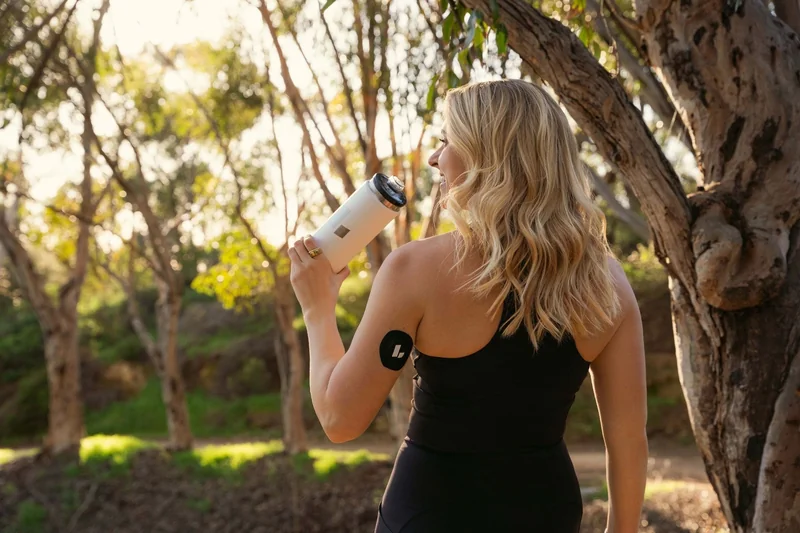
The Dexcom sensor is small and mostly painless to apply, but it's not invisible. I had the adhesive peel up during workouts three separate times over 90 days, requiring additional patches. Sleeping on the arm with the sensor is mildly uncomfortable until you adjust. And there's the social factor — the small white disc on the back of your arm does attract questions.
Sensor accuracy is generally good but not perfect. I saw occasional readings that were clearly wrong (glucose "dropping" to 55 mg/dL when I felt completely fine, then normalizing minutes later). These compression lows happen when you sleep on the sensor arm and are a known limitation of all CGMs, not unique to Levels.
Diminishing Returns After Month 2
This is the honest truth about CGMs for healthy people: the first 4-6 weeks are revelatory. Weeks 6-8 are confirmatory (you're validating patterns you already learned). After month 2, you're paying $100+/month to see the same patterns repeat. I knew within 6 weeks which foods to eat, which to avoid, and which to modify. The sensor wasn't telling me anything new.
Some users report that the accountability of wearing a sensor keeps them disciplined. That's valid — but it's also an expensive form of accountability that could be replaced by a food journal and basic nutrition knowledge.
Browse All Products
Explore our evidence-based product reviews across every health category.
The Metabolic Insights That Stuck
Despite the diminishing returns, several insights from my 3-month experiment have permanently changed how I eat:
Meal order matters more than meal content. Eating vegetables and protein before carbs reduces glucose spikes by 30-40% for the same meal. This is the single most actionable thing I learned.
Post-meal walks are metabolically powerful. A 10-15 minute walk within 30 minutes of eating consistently reduced my glucose peak by 20-30 mg/dL. I now walk after every large meal.
Sleep quality directly affects fasting glucose. Poor sleep nights (< 6 hours or low deep sleep) raised my fasting glucose by 8-15 mg/dL the next morning. This reinforced sleep as the foundation of metabolic health.
Not all "healthy" foods are healthy for me. Oatmeal, bananas, and smoothies — foods I ate daily — were consistently spiking me above 140 mg/dL. I've swapped or modified all three.
Alcohol's metabolic impact extends to the next day. Even 2 drinks suppressed my overnight glucose variability and elevated my fasting glucose the following morning by 10+ mg/dL.
These behavioral changes have persisted for months after I stopped wearing the sensor. That's the real value proposition of Levels — the learning, not the ongoing monitoring.
Who Should Try Levels Health
Strong yes:
- You're curious about metabolic health and can afford 2-3 months of monitoring
- You eat "healthy" but still experience energy crashes, brain fog, or stubborn weight gain
- You're data-driven and enjoy optimizing with quantified feedback
- You have pre-diabetes or a family history of type 2 diabetes and want early intervention data
Probably not:
- You already have a strong handle on nutrition and don't experience metabolic symptoms
- You're on a tight budget — the $100+/month cost doesn't justify the learning for everyone
- You're looking for a weight loss tool specifically — Levels doesn't directly address calories, just glucose
- You want coaching — consider Nutrisense instead
Definitely not:
- You have an active eating disorder or anxiety around food — real-time glucose scoring can amplify unhealthy food fixation
- You're looking for a medical diagnosis tool — CGMs are wellness devices, not diagnostic instruments
Better Alternatives to Levels Health
| Feature | Levels Health | Nutrisense | Dexcom Stelo |
|---|---|---|---|
| Sensor | Dexcom | Libre 3 | Dexcom G7 |
| Monthly Cost | $109-199 | $150-225 | ~$99 |
| Metabolic Scoring | Advanced (1-10 per meal) | Moderate | Basic |
| Dietitian Coaching | No | Yes (included) | No |
| Wearable Integration | Oura, Whoop, Apple Health | Apple Health | Apple Health |
| App Quality | Excellent | Good | Good |
| Best For | Data-driven self-optimizers | People who want expert guidance | Accuracy-first monitoring |
| Our Score | 8.5/10 | 8.3/10 | 9.0/10 |
For more on the CGM landscape, read our comprehensive guide to CGM for Non-Diabetics and How to Regulate Glucose Naturally.
Get smarter about health tech
Deal alerts, new reviews, and health tips — delivered weekly. No spam.
Unsubscribe anytime. We respect your inbox.
The Verdict: 8.5/10
Levels Health is the best CGM software experience on the market. The Metabolic Score system, clean app design, and wearable integrations make glucose data genuinely actionable in a way that competitors don't match. If you're going to try a CGM as a healthy person, Levels is the platform I'd recommend for the richest data experience.
But — and this is important — most healthy people don't need to wear a CGM beyond 2-3 months. The learning curve flattens quickly, and the ongoing cost is hard to justify once you've internalized your personal glucose patterns. Think of Levels as a 90-day metabolic education course, not a permanent addition to your health stack.
For the initial learning period, it's worth every dollar. The insights about meal order, post-meal movement, and individual food responses have permanently improved how I eat. That knowledge compounds over decades — making the 3-month investment potentially one of the highest-ROI health decisions you can make.
Not sold on the price? Cheaper over-the-counter sensors now deliver most of the same data — see our full ranking of the best CGMs for non-diabetics in 2026 before you commit.
Not sure if a CGM is right for you? Take our CGM Worthiness Assessment to find out if glucose monitoring would provide meaningful insights for your health goals.
FAQ
Is Levels Health worth the money?
For 2-3 months, yes — if you're genuinely curious about metabolic health and can afford $100-200/month. The insights about your personal glucose responses are genuinely valuable and persist long after you stop wearing the sensor. Beyond 3 months, the value diminishes significantly for healthy users.
Does Levels Health require a prescription?
No. Levels handles the prescription through their telehealth platform. You fill out a brief health questionnaire, a physician reviews it, and the CGM sensors ship directly to you. The whole process takes a few days.
How accurate is the Levels Health CGM?
Levels uses the Dexcom sensor, which has a mean absolute relative difference (MARD) of approximately 9% — among the most accurate consumer CGMs available. Occasional compression lows and sensor errors occur (as with all CGMs), but overall accuracy is excellent.
Can Levels Health help me lose weight?
Indirectly. Levels shows you which foods spike your glucose and which keep it stable, which can inform better food choices. But it doesn't track calories, macros, or provide a weight loss program. If weight loss is your primary goal, Signos is more specifically designed for that use case, though we recommend focusing on the dietary fundamentals first.
How long should I wear a CGM?
For most healthy adults, 2-3 months provides the bulk of the learning. The first month reveals your personal food responses, the second month confirms patterns and lets you experiment with modifications, and by month 3 you've internalized the key lessons. Ongoing monitoring is mainly useful for people managing pre-diabetes or those who want continuous accountability.
Does the CGM sensor hurt?
The initial insertion feels like a brief flick — most people barely notice it. The sensor sits on the back of your upper arm and is about the size of two stacked quarters. After the first hour, you forget it's there. The adhesive occasionally irritates sensitive skin, but Levels includes overlay patches to help with sensor adherence during workouts and showering.
Featured Products
Products mentioned in this article


Related Guides
More articles you might find helpful
Eight Sleep Pod 5 Review 2026: Core vs Plus vs Ultra
**Disclosure:** Product CTAs on this page currently go to manufacturer sites (no affiliate tracking yet). Better Vitals may earn a commission once partner links are live — rankings and "skip if" calls won't change when we swap URLs. We only recommend gear we'd put on a shortlist for a specific type
Wonderfeel Youngr NMN Review 2026: 90-Day Results & Verdict
*Updated July 2026*
Signos Review 2026: CGM for Weight Loss, Tested
*Updated July 2026*

Written by
Steve Luu
Health tech researcher