What Is Vagus Nerve Stimulation? How It Works, Benefits, and Safety
Key Takeaway
The vagus nerve is your body's longest cranial nerve — a biological superhighway connecting your brain to your heart, lungs, and gut. Vagus nerve stimulation (VNS) uses mild electrical impulses or vibrations to activate this nerve, shifting your body from "fight or flight" mode toward "rest and dige
Affiliate Disclosure: BetterVitals may earn a commission from purchases made through links in this article, at no additional cost to you. This supports our independent research and analysis. We only recommend products we believe in after thorough evaluation.
Medical Disclaimer
This article is for educational purposes only and is not a substitute for professional medical advice, diagnosis, or treatment. Always consult your healthcare provider before making health decisions.
What Is Vagus Nerve Stimulation? How It Works, Benefits, and Safety
The vagus nerve is your body's longest cranial nerve — a biological superhighway connecting your brain to your heart, lungs, and gut. Vagus nerve stimulation (VNS) uses mild electrical impulses or vibrations to activate this nerve, shifting your body from "fight or flight" mode toward "rest and digest."
Originally developed as a medical treatment for epilepsy and treatment-resistant depression, VNS has evolved well beyond the clinic. A new generation of consumer devices now allows anyone to stimulate the vagus nerve at home, with the goal of managing stress, improving heart rate variability (HRV), and supporting better sleep. But how well does it actually work, and is it safe? Here's what you need to know.
The Vagus Nerve: Your Body's Stress Switch
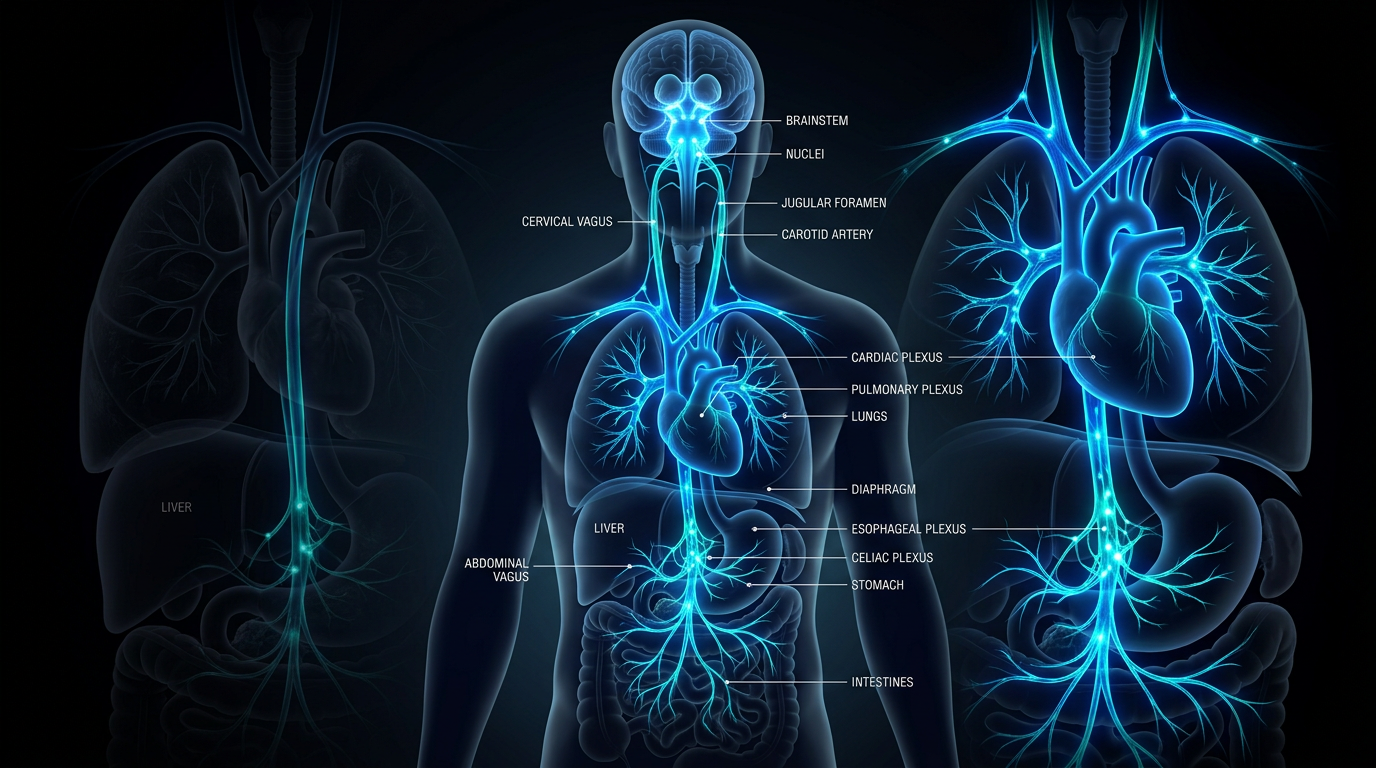
The vagus nerve — technically the 10th cranial nerve — runs from the brainstem all the way down to the abdomen, branching out to the heart, lungs, liver, spleen, and digestive tract along the way. It's the primary nerve of the parasympathetic nervous system, the branch of your autonomic nervous system responsible for calming you down after a stressful event.
What the vagus nerve controls
The vagus nerve doesn't just handle one function. It influences a remarkably wide range of bodily processes:
- Heart rate: The vagus nerve slows your heart rate by releasing acetylcholine at the sinoatrial node. When vagal activity is high, your resting heart rate tends to be lower.
- Digestion: It stimulates the production of stomach acid and digestive enzymes, and promotes the rhythmic muscle contractions (peristalsis) that move food through your gut.
- Immune response and inflammation: The vagus nerve activates the cholinergic anti-inflammatory pathway, which dampens systemic inflammation by inhibiting pro-inflammatory cytokines like TNF-alpha and IL-6.
- HPA axis and cortisol: The vagus nerve modulates the hypothalamic-pituitary-adrenal (HPA) axis, the hormonal cascade responsible for cortisol production. Higher vagal activity helps keep cortisol levels in check.
- Respiratory function: It influences breathing rate and depth, which is one reason slow breathing exercises can activate the parasympathetic response.
Understanding vagal tone
"Vagal tone" refers to how efficiently your vagus nerve activates the parasympathetic response. Think of it as the nerve's baseline level of activity. High vagal tone is associated with better stress resilience, a lower resting heart rate, higher HRV, and more efficient recovery from stressful events. Low vagal tone, on the other hand, correlates with chronic stress, systemic inflammation, poor HRV, and elevated cortisol.
The practical takeaway: vagal tone is not fixed. It can be improved through behavioral interventions (exercise, breathwork, cold exposure) and, as emerging research suggests, through vagus nerve stimulation devices.
You can measure vagal tone indirectly through HRV — specifically through the RMSSD metric, which reflects parasympathetic activity. If you're curious about tracking your vagal tone over time, see our guide on the best wearables for HRV.
How Vagus Nerve Stimulation Works
At its core, VNS works by sending signals along the vagus nerve's afferent (sensory) pathway. Electrical impulses or vibrations travel from the stimulation site up to the brainstem, specifically to a region called the nucleus tractus solitarius (NTS). From there, the signal propagates to brain regions involved in autonomic regulation, mood, and stress.
The downstream effects include:
- Activation of the parasympathetic nervous system, which slows heart rate, promotes digestion, and reduces the stress response
- Suppression of the sympathetic nervous system, your "fight or flight" system
- Modulation of the cholinergic anti-inflammatory pathway, reducing systemic inflammation
- Inhibition of the HPA axis, which decreases cortisol production
Three consumer approaches to VNS
Consumer VNS devices generally fall into three categories based on where and how they stimulate the nerve:
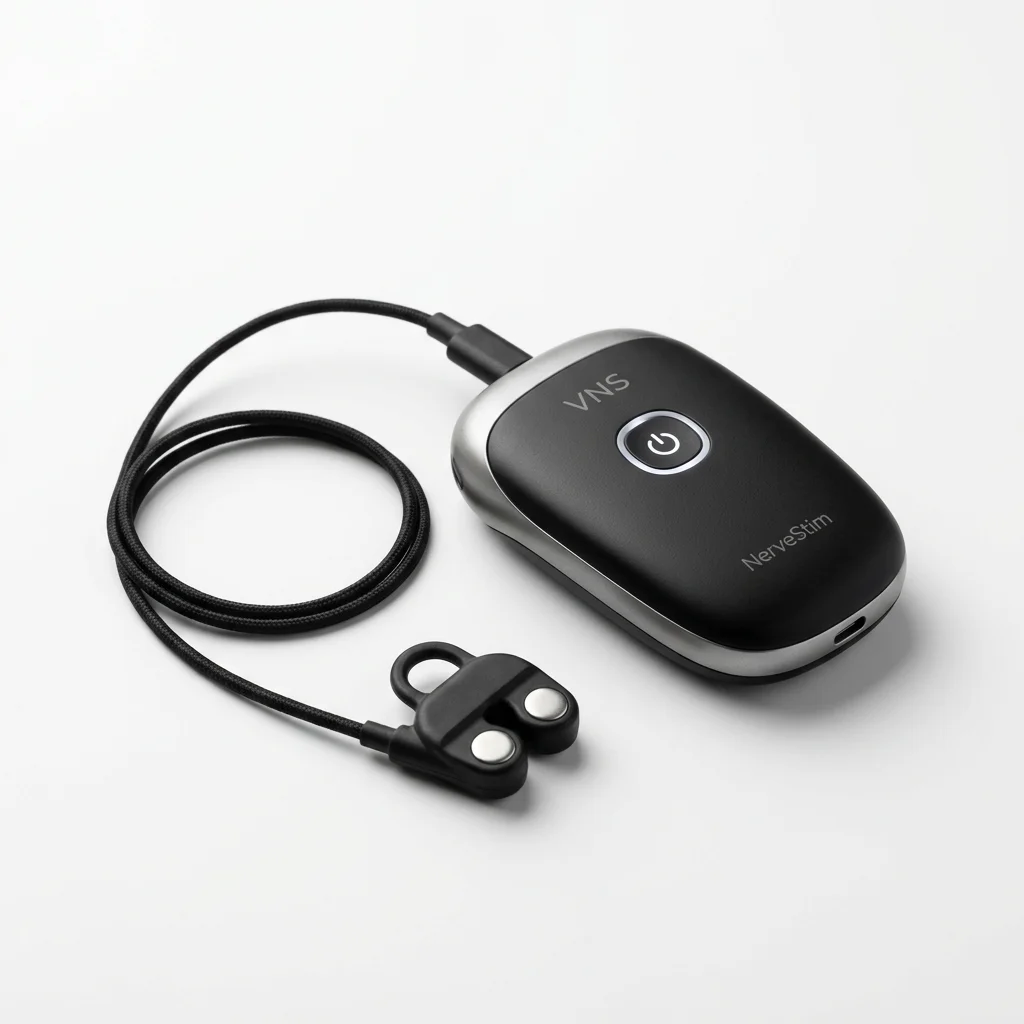
Transcutaneous auricular VNS (taVNS) uses ear-clip or ear-insert devices that deliver mild electrical impulses to the auricular branch of the vagus nerve, which runs through the outer ear. Devices like the Nuropod use this approach. The auricular branch is one of the most accessible points for non-invasive vagus nerve stimulation, and taVNS has the largest body of clinical research behind it.
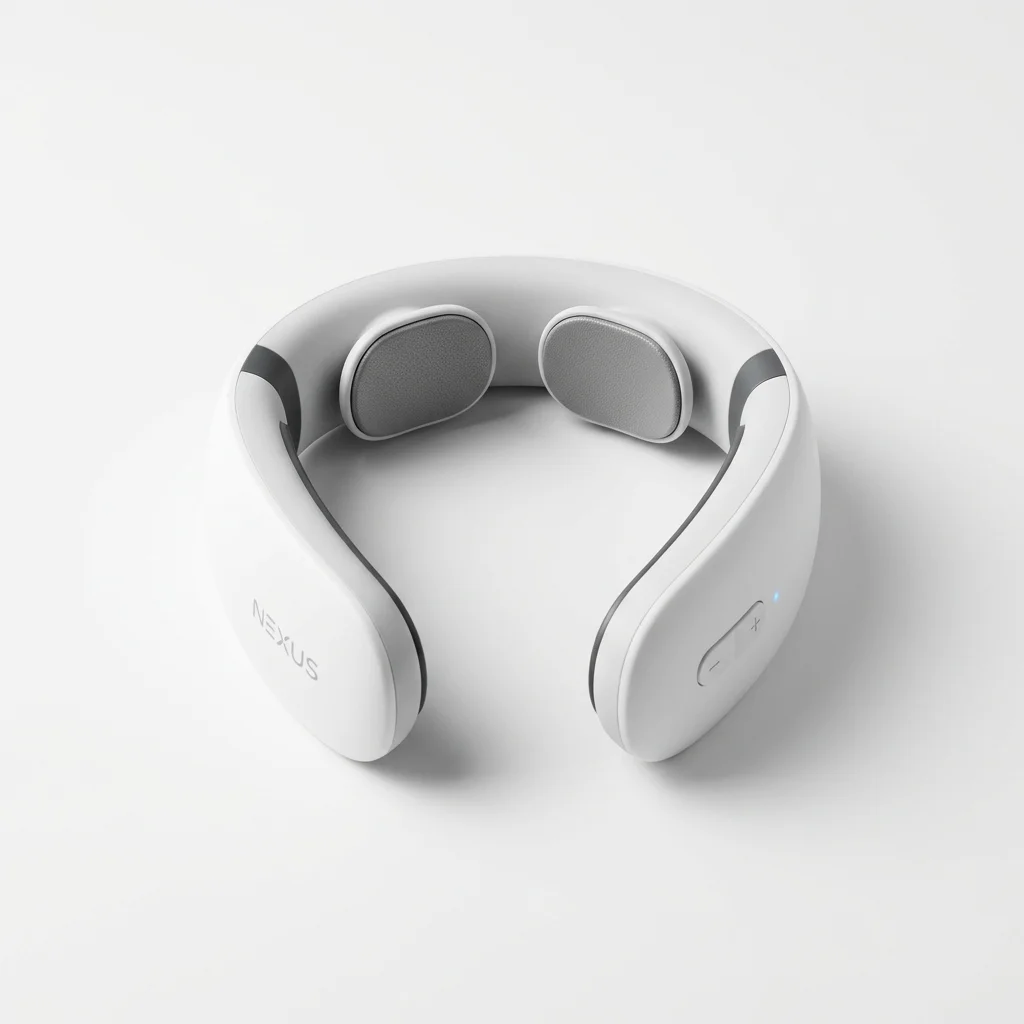
Transcutaneous cervical VNS (tcVNS) uses neck-worn devices that stimulate the cervical vagus nerve directly through the skin of the neck. Devices like the Pulsetto use bilateral electrode pads placed on either side of the neck. This approach targets the main trunk of the vagus nerve rather than a peripheral branch.
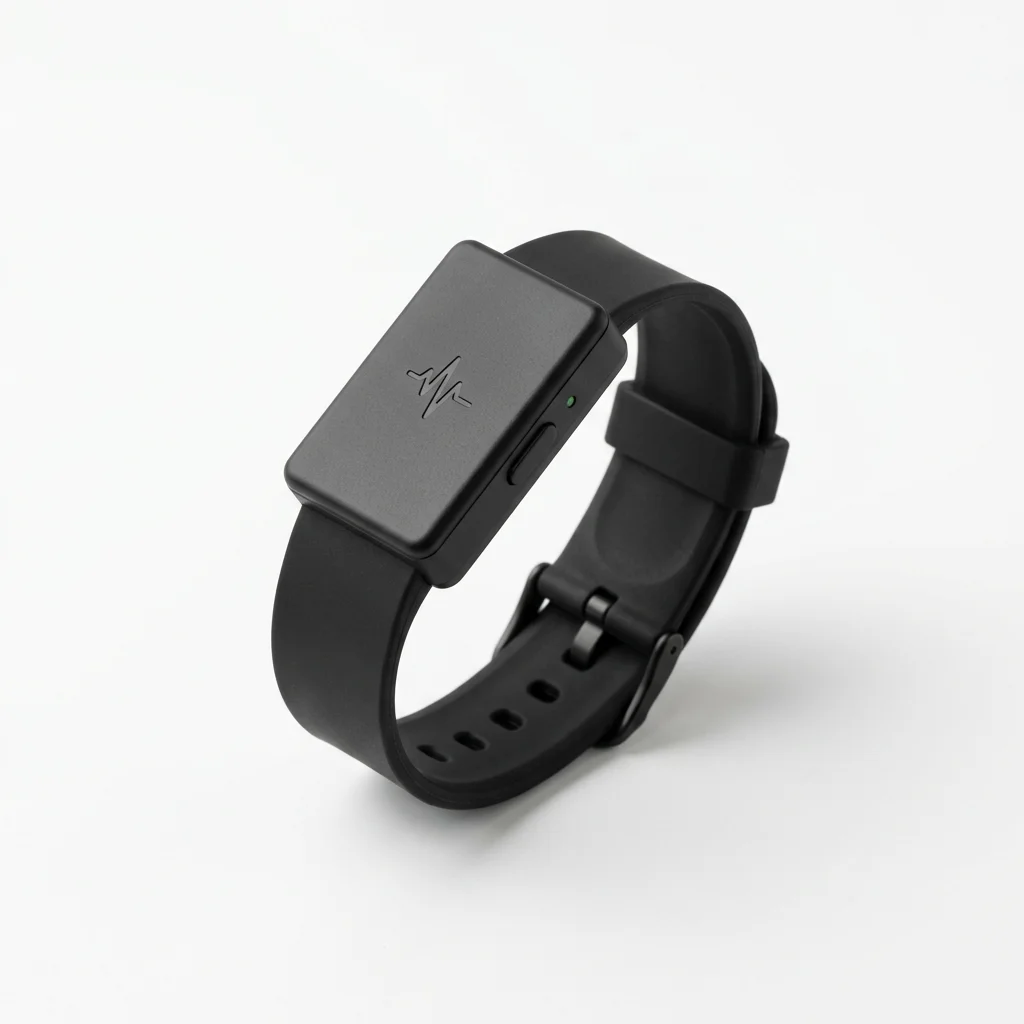
Somatosensory and vibration-based stimulation uses vibration rather than electricity to indirectly activate vagal pathways. Devices like the Apollo Neuro (worn on the wrist or ankle) and Sensate (placed on the chest) deliver specific vibration frequencies that the body interprets as soothing touch, triggering a parasympathetic shift. These devices don't stimulate the vagus nerve directly — they work through afferent sensory pathways that ultimately influence vagal tone.
VNS vs. TENS vs. EMS
It's worth clarifying the difference between these commonly confused technologies. VNS targets the vagus nerve specifically to modulate autonomic function and reduce stress. TENS (transcutaneous electrical nerve stimulation) targets sensory pain pathways to provide temporary pain relief. EMS (electrical muscle stimulation) targets motor neurons to cause muscle contraction for rehabilitation or training purposes. Although all three use electrical stimulation, their targets, parameters, and intended effects are fundamentally different.
What the Research Says
The evidence base for consumer VNS is growing rapidly, with several notable studies published in 2025 alone.
Cortisol reduction. A 2025 study in Physiological Reports found that transcutaneous auricular VNS acutely inhibited the cortisol response to mental stress in healthy adults. A companion 3-month case study within the same paper documented an approximately 40% reduction in cortisol levels with consistent daily taVNS use — a striking result, though limited by the single-subject design.
Stress regulation markers. A 2025 study published in Frontiers in Digital Health used EEG to measure brain activity during taVNS versus sham stimulation. The active taVNS group showed improved neural markers of stress regulation, suggesting that the effects are not purely placebo-driven.
Anxiety, depression, and cortisol in healthy adults. A 2025 study in Applied Psychophysiology and Biofeedback examined transcutaneous VNS in non-clinical adults — people without diagnosed psychiatric conditions — and found significant reductions in cortisol, self-reported anxiety, and depressive symptoms compared to a sham control.
Athletic performance and stress. A 2025 randomized controlled trial on elite athletes found that VNS improved competitive anxiety, perceived stress, and depression scores. This is notable because elite athletes already have high baseline vagal tone, suggesting VNS may offer benefits even in well-conditioned populations.
Apollo Neuro research. The vibration-based Apollo Neuro device has accumulated 17 published or in-progress studies. Key findings include approximately 10% improvement in HRV and 19% improvement in deep sleep duration. While these are manufacturer-cited figures, several of the underlying studies were conducted by independent researchers and published in peer-reviewed journals.
Honest limitations of the evidence
It's important to put this research in context. Most consumer VNS studies are small, typically involving 20 to 50 participants. Study durations tend to be short, ranging from 2 to 8 weeks. Some studies are industry-funded, which doesn't invalidate them but does warrant scrutiny. Long-term effects of daily consumer VNS use beyond a few months are not well-established. And the stimulation parameters used in research may not perfectly match what consumer devices deliver at their default settings.
The evidence is promising and growing rapidly — but it is not yet as robust as the decades of research supporting exercise, sleep optimization, or meditation for stress management. VNS should be viewed as an emerging tool with genuine potential, not as a proven replacement for foundational health practices.
Browse All Products
Explore our evidence-based product reviews across every health category.
Benefits of Vagus Nerve Stimulation
Based on the current body of research, VNS appears to offer several potential benefits:
Stress and cortisol reduction. This is the most well-supported benefit. By modulating the HPA axis, VNS can directly reduce cortisol production. Multiple studies have now demonstrated this effect using both salivary cortisol measurements and validated stress questionnaires.
HRV improvement. VNS shifts autonomic balance toward parasympathetic dominance, which tends to increase HRV — particularly the RMSSD and high-frequency (HF) components that reflect vagal activity. Higher HRV is broadly associated with better cardiovascular health, stress resilience, and recovery capacity.
Anxiety and mood. Several randomized controlled trials have shown reduced anxiety symptoms with regular VNS use. While the effect sizes are moderate, they are consistent across different device types and populations.
Sleep quality. Multiple studies report improvements in sleep onset latency and deep sleep duration with VNS. This likely relates to the parasympathetic shift — it's difficult to fall asleep when your sympathetic nervous system is highly activated.
Inflammation. The vagus nerve's role in the cholinergic anti-inflammatory pathway is well-established in medical literature. Consumer VNS devices may activate this pathway to some degree, though the extent of the anti-inflammatory effect from non-invasive stimulation is still being quantified.
Focus and cognitive performance. Some device manufacturers report improved concentration and cognitive performance, though this is the least well-supported benefit. The mechanism may relate to reduced anxiety and improved autonomic regulation rather than a direct cognitive enhancement effect.
An important caveat: benefits vary considerably by device type, stimulation parameters, session duration, and individual physiology. Not everyone responds equally to VNS, and some people may notice minimal effects. Tracking your response with objective metrics like HRV is the best way to determine whether VNS is working for you personally.
Types of Consumer VNS Devices
There are four main categories of consumer VNS devices, each with distinct advantages and trade-offs.
Ear-clip devices (e.g., Nuropod). These target the auricular branch of the vagus nerve via electrodes placed on the ear. They have the strongest clinical evidence behind them, are gel-free and easy to use, and sessions are typically short (5-15 minutes). The trade-off is higher cost — the Nuropod runs around $900 — and you can't wear them throughout the day.
Neck-band devices (e.g., Pulsetto). These deliver bilateral electrical stimulation to the cervical vagus nerve through electrode pads on the neck. They're more affordable (around $278), offer strong stimulation of the main vagal trunk, and provide guided sessions through a companion app. The trade-off is that most require conductive gel for proper electrode contact, and some users find neck stimulation uncomfortable at higher intensities.
Wrist and ankle bands (e.g., Apollo Neuro). These use vibration frequencies rather than electricity, making them suitable for all-day wear with zero known contraindications. The Apollo Neuro (around $290) can be worn discreetly under clothing and offers different vibration modes for energy, focus, relaxation, and sleep. The trade-off is that vibration-based stimulation is indirect — it influences vagal pathways rather than stimulating the vagus nerve directly — so the mechanism and evidence base differ from electrical VNS.
Chest devices (e.g., Sensate). These use infrasound vibration applied to the sternum and are designed primarily for meditation and relaxation sessions. Users generally report them as the most pleasant VNS experience. The trade-off is that they require you to lie down during use, limiting them to dedicated relaxation sessions rather than all-day wear.
For detailed product comparisons, including pricing, evidence quality, and specific use-case recommendations, see our best VNS device guide for 2026.
Safety and Contraindications
Consumer VNS devices are generally considered safe for healthy adults when used as directed by the manufacturer. However, there are important safety considerations to be aware of, especially for electrical stimulation devices.
Absolute contraindications for electrical VNS devices
The following groups should not use electrical VNS devices (taVNS or tcVNS) without explicit medical clearance:
- People with pacemakers or implanted electronic devices. Electrical stimulation can interfere with the function of implanted cardiac devices.
- People with epilepsy. This may seem counterintuitive, since implanted VNS is an FDA-approved treatment for epilepsy. However, consumer devices are not calibrated for epilepsy management, and unsupervised electrical stimulation could potentially trigger seizures in susceptible individuals.
- Pregnant women. The effects of VNS on pregnancy are not well-studied, and the precautionary principle applies.
Relative contraindications
The following groups should exercise caution and consult a physician before using electrical VNS devices:
- People with active heart conditions (arrhythmias, recent cardiac events)
- People with recent surgery near the stimulation site (ear or neck)
- People with metal implants near the neck or ear
Vibration-based devices
Vibration-based devices like the Apollo Neuro and Sensate have no known contraindications. Because they use gentle vibration rather than electrical impulses, they don't carry the risks associated with electrical stimulation. This makes them the safest option for people who have any of the contraindications listed above.
Common side effects
The most commonly reported side effects of consumer VNS devices are mild and transient:
- Tingling or prickling sensation at the electrode site
- Temporary skin redness where electrodes contact the skin
- Mild headache (rare, usually resolves within an hour)
- Dizziness at higher intensity settings (reduce intensity if this occurs)
Regulatory classification
Consumer VNS devices are classified as "general wellness" products. They are not FDA-cleared medical devices, and they are not intended to diagnose, treat, cure, or prevent any disease. This distinction matters: it means these devices have not undergone the same rigorous clinical review process as prescription medical devices.
Best practices for safe use
- Always start at the lowest intensity setting and increase gradually over multiple sessions
- Follow the manufacturer's recommended session duration and frequency
- Discontinue use and consult a healthcare professional if you experience any adverse effects
- Consult your doctor before using any VNS device if you have cardiovascular, neurological, or psychiatric conditions
This article is for educational purposes only and does not constitute medical advice. Always consult a qualified healthcare professional before beginning any new health intervention.
Get smarter about health tech
Deal alerts, new reviews, and health tips — delivered weekly. No spam.
Unsubscribe anytime. We respect your inbox.
How to Get Started
If you're interested in trying vagus nerve stimulation, here are three practical paths based on different priorities.
Option 1: Start affordable. The Pulsetto ($278) is the most budget-friendly electrical VNS device with a reasonable evidence base. It's a good way to test whether you respond positively to vagus nerve stimulation before investing in higher-end options.
Option 2: Prioritize evidence quality. The Nuropod ($900) uses transcutaneous auricular stimulation, which has the deepest body of peer-reviewed research behind it. If the quality of the clinical evidence is your primary decision factor, this is the strongest choice — though it comes at a premium price.
Option 3: Choose vibration if you have contraindications. The Apollo Neuro ($290) uses vibration rather than electricity, making it the right choice if you have a pacemaker, epilepsy, or any of the other contraindications for electrical stimulation. It also offers all-day wearability, which electrical devices don't.
Track your response objectively
Don't rely solely on how you feel. Use HRV data from your wearable — specifically RMSSD and HRV trends over weeks, not individual readings — as an objective measure of whether VNS is shifting your autonomic balance. If you want even more direct feedback, the Eli Health Hormometer can measure salivary cortisol at home, giving you a concrete data point on the HPA axis modulation that VNS is supposed to deliver. (Weighing an at-home monitor against a lab panel? Our Eli Health Hormometer vs DUTCH test comparison breaks down the tradeoffs.)
Be patient and consistent
Most benefits appear after 2 to 4 weeks of consistent daily use. A single session may produce a noticeable calming effect, but the longer-term improvements in baseline HRV, cortisol levels, and sleep quality require sustained practice. Think of it like exercise — one workout feels good, but the real physiological adaptations come from consistency over weeks and months.
Complement VNS with foundational practices
VNS works best as part of a broader stress management protocol, not as a standalone solution. The highest-impact interventions for stress and cortisol remain sleep optimization, regular exercise, and breathwork. VNS can be a valuable addition to that foundation. For the complete picture on evidence-based cortisol management, see our guide to lowering cortisol.
Frequently Asked Questions
What does vagus nerve stimulation feel like?
The sensation depends on the device type. Electrical devices (ear-clip or neck-band) produce a mild tingling or buzzing at the electrode site — most users describe it as noticeable but comfortable, similar to a light pins-and-needles feeling. Vibration-based devices like the Apollo Neuro feel like a gentle hum against the skin, similar to a phone vibrating softly on your wrist. Chest devices like the Sensate produce a deep, resonant vibration in the sternum that many users describe as deeply relaxing. None of these devices should cause pain — if they do, reduce the intensity immediately.
How often should you do vagus nerve stimulation?
Most manufacturers recommend once or twice daily, with sessions ranging from 5 to 30 minutes depending on the device. Some vibration-based devices like the Apollo Neuro are designed for extended or all-day wear. Consistency matters more than session length — daily use for several weeks is more effective than occasional long sessions. Follow your device manufacturer's specific guidelines as a starting point.
Is vagus nerve stimulation FDA-approved?
Implanted VNS devices are FDA-approved for epilepsy (since 1997) and treatment-resistant depression (since 2005). However, consumer VNS devices — the wearable products discussed in this article — are classified as "general wellness" devices, not FDA-cleared medical devices. This means they are legally marketed for general wellness purposes (stress management, relaxation) but have not undergone FDA premarket review for safety and efficacy as medical treatments.
Can VNS help with anxiety?
Multiple randomized controlled trials have shown that VNS can reduce self-reported anxiety symptoms in both clinical and non-clinical populations. The proposed mechanism is that VNS shifts autonomic balance away from sympathetic (fight-or-flight) dominance and inhibits cortisol production via HPA axis modulation. However, consumer VNS devices are not medical treatments for anxiety disorders. If you have a diagnosed anxiety condition, work with your healthcare provider to determine whether VNS might be a useful complement to your existing treatment plan.
How long does it take for VNS to work?
Many users report feeling calmer within a single session, particularly with electrical devices that produce an immediate parasympathetic shift. However, the more meaningful benefits — sustained HRV improvements, lower baseline cortisol, better sleep quality — typically emerge after 2 to 4 weeks of consistent daily use. Some studies have observed continued improvements through 8 to 12 weeks. Think of VNS as a training stimulus for your autonomic nervous system: acute effects are real, but the lasting adaptations take time.
Is VNS the same as a TENS unit?
No. While both use electrical stimulation, they target different structures and serve different purposes. VNS specifically targets the vagus nerve to modulate autonomic function, reduce cortisol, and promote parasympathetic activity. TENS targets sensory nerve pathways to provide temporary pain relief. The stimulation parameters (frequency, pulse width, current) also differ significantly between VNS and TENS devices. A standard TENS unit from the pharmacy will not provide vagus nerve stimulation — you need a device specifically designed to target the vagus nerve's anatomical pathways.
Can you stimulate the vagus nerve without a device?
Yes. Several free, behavioral methods activate the vagus nerve to varying degrees. Cold exposure — such as cold showers, cold water face immersion, or ice packs on the neck — triggers the dive reflex, which strongly activates the vagus nerve. Slow, deep breathing with extended exhalation (e.g., inhale for 4 seconds, exhale for 8 seconds) increases vagal tone through the respiratory sinus arrhythmia mechanism. Humming, chanting, and singing vibrate the vocal cords, which sit adjacent to the vagus nerve in the neck, providing a mild mechanical stimulation. Gargling vigorously activates the vagus nerve through the muscles at the back of the throat. These methods are free, evidence-supported, and can be combined with device-based VNS for a comprehensive approach.
Featured Products
Products mentioned in this article
Related Guides
More articles you might find helpful
Best Bed Cooling Systems 2026: Eight Sleep vs Cheaper Alternatives
**Disclosure:** Product CTAs on this page currently go to manufacturer sites (no affiliate tracking yet). Better Vitals may earn a commission once partner links are live — rankings and "skip if" calls won't change when we swap URLs. We only recommend gear we'd put on a shortlist for a specific type
Is the Oura Membership Worth It in 2026? (And How to Skip It)
*Updated July 2026*
Oura Ring Price in 2026: Every Model, Subscription & Real Total Cost
*Updated July 2026*

Written by
Steve Luu
Health tech researcher