What Is EMS Training? A Science-Based Guide to Electrical Muscle Stimulation
Key Takeaway
EMS training — short for electrical muscle stimulation training — is a fitness method that uses controlled electrical impulses to make your muscles contract, amplifying the effects of exercise in a fraction of the time. What began as a rehabilitation tool in physical therapy clinics has evolved thro
Affiliate Disclosure: BetterVitals may earn a commission from purchases made through links in this article, at no additional cost to you. This supports our independent research and analysis. We only recommend products we believe in after thorough evaluation.
Medical Disclaimer
This article is for educational purposes only and is not a substitute for professional medical advice, diagnosis, or treatment. Always consult your healthcare provider before making health decisions.
What Is EMS Training? A Science-Based Guide to Electrical Muscle Stimulation
EMS training — short for electrical muscle stimulation training — is a fitness method that uses controlled electrical impulses to make your muscles contract, amplifying the effects of exercise in a fraction of the time. What began as a rehabilitation tool in physical therapy clinics has evolved through professional sports and European fitness studios into something you can now do at home with a full-body EMS suit. Whether you are recovering from an injury, trying to squeeze more out of a 20-minute workout, or just curious about the technology, this guide covers the science, the evidence, and the practical realities of EMS training without the marketing hype.
How EMS Works
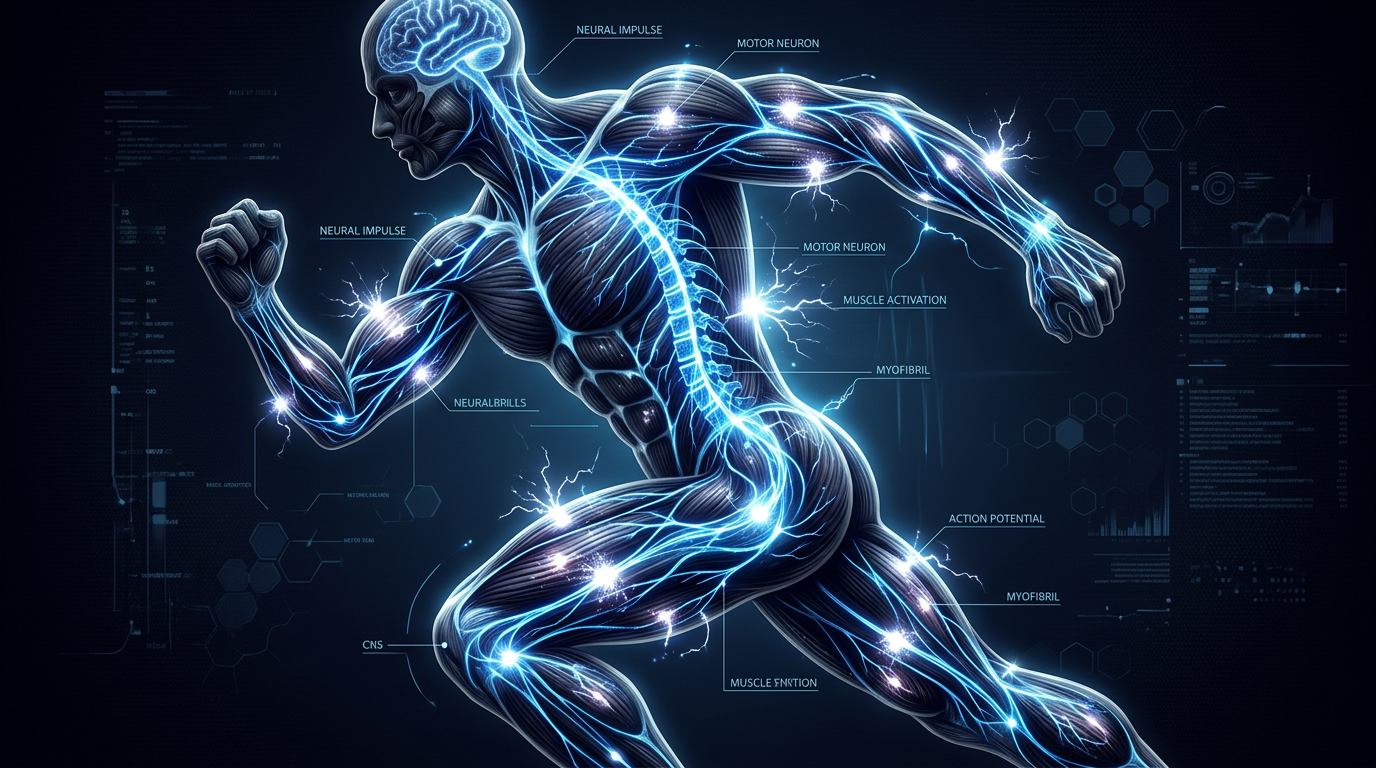
At its core, EMS is straightforward: electrode pads placed on the skin deliver low-level electrical impulses into the muscle tissue beneath them. These impulses stimulate your motor neurons — the same nerve cells your brain uses to tell your muscles to move — causing the muscle fibers to contract involuntarily.
What makes this interesting from a training perspective is fiber recruitment. During voluntary exercise, your body follows the "size principle": it activates smaller, fatigue-resistant Type I (slow-twitch) fibers first and only brings in larger Type II (fast-twitch) fibers when the load demands it. Heavy squats, sprints, and explosive jumps recruit Type II fibers. Light jogging does not. EMS bypasses this orderly recruitment pattern and can activate Type II fibers directly, even without heavy external loads.
Key parameters that determine what EMS does
- Frequency (Hz): Low frequencies (1-10 Hz) produce gentle, rhythmic twitches used for relaxation and active recovery. Medium frequencies (20-50 Hz) create sustained contractions suited for muscular endurance. High frequencies (50-85 Hz) generate powerful, rapid contractions that target strength and power development.
- Pulse width (microseconds): Determines how deeply the impulse penetrates. Wider pulses (200-400 microseconds) reach deeper muscle tissue; narrower pulses stay closer to the surface.
- Duty cycle: The ratio of "on" time (muscle contracting) to "off" time (muscle resting). A typical strength protocol might use a 4-second contraction followed by a 4-second rest.
- Intensity (milliamps): How strong the contraction feels. This is the primary variable you control during a session, and the one that most determines your results.
EMS vs TENS: an important distinction
You have probably seen TENS units at the drugstore marketed for back pain. TENS (transcutaneous electrical nerve stimulation) and EMS are related but fundamentally different. TENS targets sensory neurons to block pain signals — it makes you feel better but does not strengthen anything. EMS targets motor neurons to cause actual muscle contractions — it is a training tool, not a pain management device. Some consumer units offer both modes, but the applications are distinct.
A Brief History of EMS
EMS training did not appear out of nowhere. Its journey from lab curiosity to living-room workout spans over half a century.
In the 1960s and 1970s, Soviet sports scientists — most notably Yakov Kots at the Central Institute of Physical Culture in Moscow — began experimenting with electrical stimulation on Olympic athletes. Kots reported strength gains of up to 40% in elite athletes, claims that generated enormous interest (and skepticism) in the Western sports science community. While those specific numbers have been debated, the research established that EMS could meaningfully augment athletic training.
Through the 1980s and 1990s, EMS found its most uncontroversial application: clinical rehabilitation. Physical therapists used single-channel EMS devices to prevent muscle atrophy in patients recovering from knee surgeries, spinal cord injuries, and strokes. This remains one of the best-supported uses of the technology, backed by decades of clinical evidence.
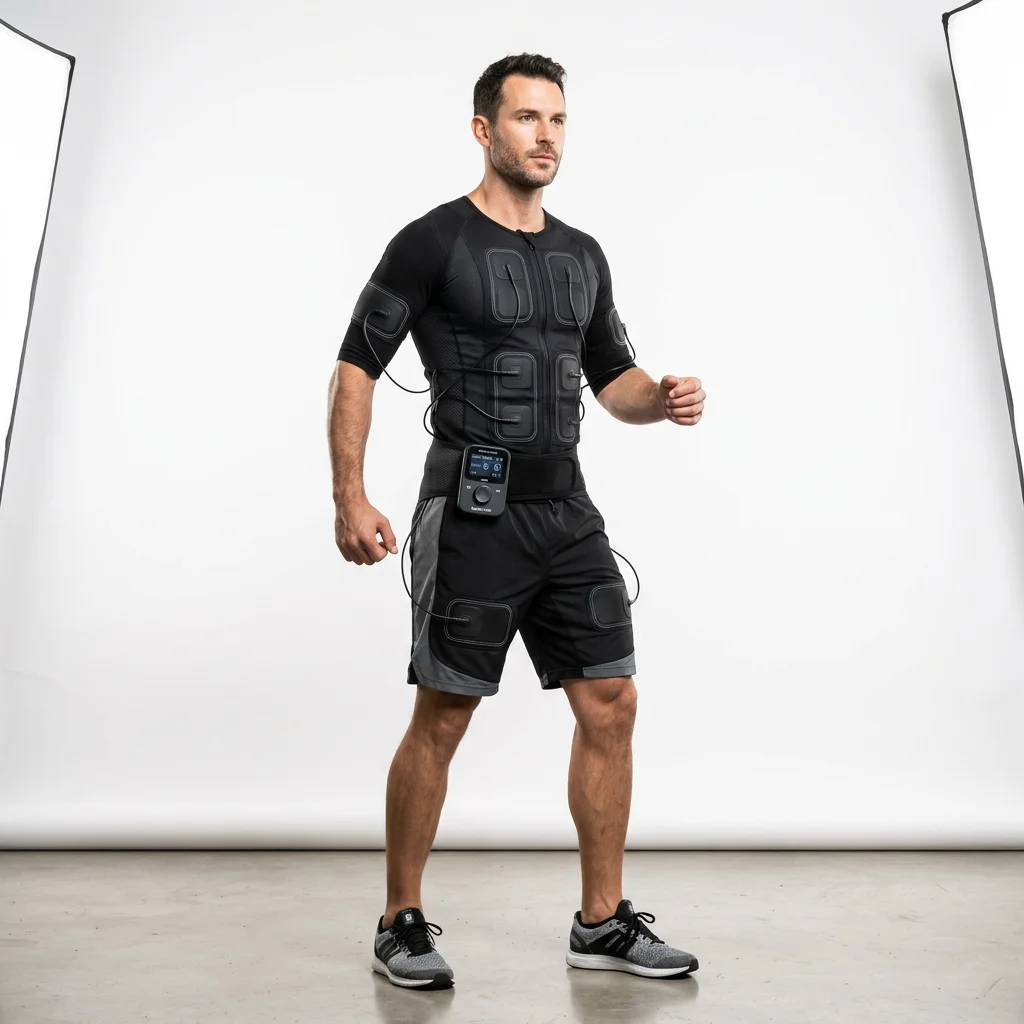
The 2000s brought something new: EMS training studios. Starting in Germany, commercial gyms began offering supervised 20-minute whole-body EMS (WB-EMS) sessions where clients wore electrode vests and performed bodyweight exercises while receiving full-body stimulation. The concept exploded across Europe. Today, there are over 3,000 EMS studios in Germany alone, and the format is well-established across Austria, Spain, Italy, and the Netherlands. Europe is roughly 10-15 years ahead of the United States in mainstream EMS adoption.
The 2010s saw the first wave of consumer EMS products, though many were underwhelming — think infomercial ab belts with dubious claims. These devices typically stimulated one or two muscle groups at low intensities and delivered minimal results, which gave consumer EMS a credibility problem.
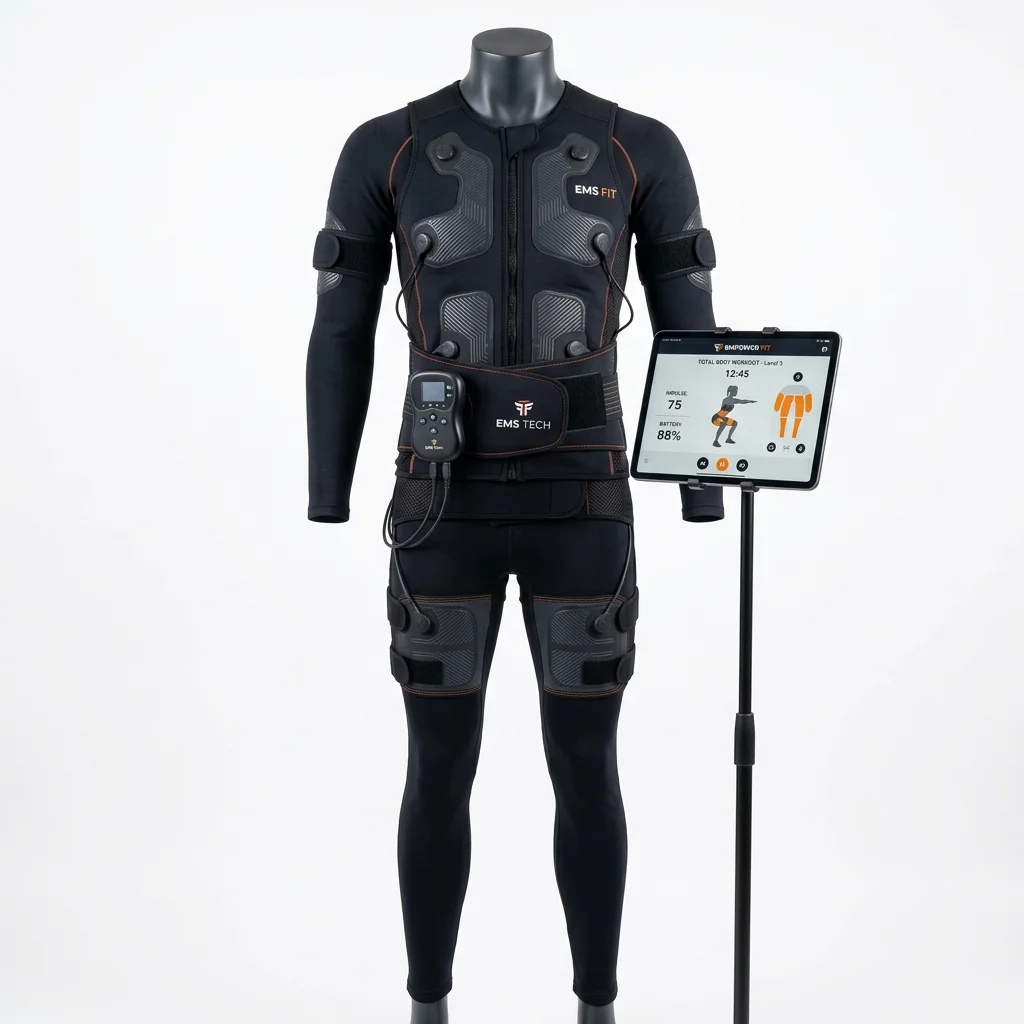
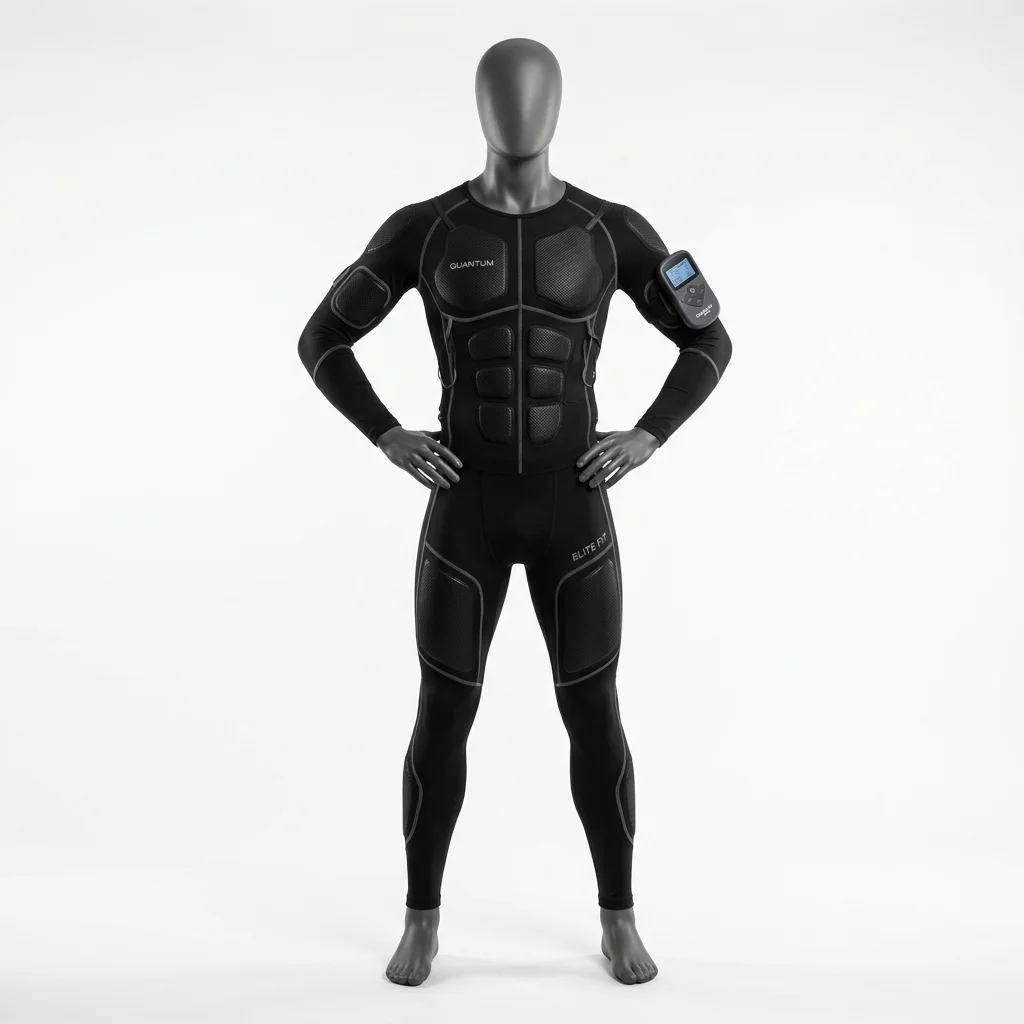
The 2020s represent a genuine inflection point. Full-body EMS suits from companies like Katalyst, VisionBody, and SQAI now deliver studio-quality stimulation across all major muscle groups simultaneously, guided by app-based programs. These are serious training tools, not gimmicks — though the price tags (typically $2,000-$4,000) reflect that distinction.
What the Research Says
The scientific literature on EMS — particularly whole-body EMS — has grown substantially over the past decade. Here is what the evidence supports, and where the gaps remain.
A 2020 systematic review published in BMC Sports Science, Medicine and Rehabilitation analyzed 26 studies on WB-EMS and found consistent improvements across three areas: maximal strength, body composition (reduced fat mass and increased lean mass), and cardiorespiratory fitness. The review concluded that WB-EMS is an effective training method, particularly for populations with limited ability to perform conventional high-intensity exercise.
A 2018 randomized controlled trial in Frontiers in Physiology studied elderly men (average age 72) who completed 16 weeks of WB-EMS training, performing one 20-minute session per week. Compared to a sedentary control group, the EMS group showed significant increases in lean body mass and significant decreases in abdominal fat — meaningful results for a population at risk of sarcopenia.
One of the more compelling findings for time-pressed adults came from a 2021 study in the European Journal of Sport Science, which compared 20-minute WB-EMS sessions to 60-minute conventional resistance training programs in previously untrained adults. After 12 weeks, both groups showed comparable strength gains across multiple muscle groups, suggesting that WB-EMS can achieve similar results in roughly one-third the training time.
Honest limitations of the evidence
It is important to keep these findings in context:
- Sample sizes are modest. Most WB-EMS studies include 20-60 participants. This is standard for exercise science but limits how confidently we can generalize the results.
- Most studies used supervised protocols. Participants trained with a certified EMS coach adjusting intensity in real time. Whether home users following an app achieve the same results is an open question.
- Limited data on trained athletes. The strongest evidence is in untrained, elderly, or rehabilitating populations. If you already lift heavy and train consistently, the incremental benefit of EMS is less clear.
- Funding considerations. Many EMS studies were facilitated by or involved partnerships with EMS equipment manufacturers. This does not invalidate the findings, but independent replication strengthens confidence. Look for studies conducted by university labs without industry involvement.
The bottom line: the evidence for WB-EMS is genuinely promising — especially for time efficiency, older adults, and rehabilitation — but it is not yet as robust as the decades of research supporting conventional resistance training. Treat it as a well-supported emerging modality, not a fully proven replacement.
Browse All Products
Explore our evidence-based product reviews across every health category.
EMS vs Traditional Strength Training
This is the question everyone asks, and the honest answer is: EMS is complementary to traditional strength training, not a replacement for it.
What EMS does well
- Time efficiency. A 20-minute WB-EMS session can activate all major muscle groups simultaneously. You simply cannot achieve the same breadth of activation in 20 minutes with conventional training.
- Full-body activation. EMS suits stimulate 8-12 muscle groups at once, including stabilizers and smaller muscles that are easy to neglect in a typical gym routine.
- Low joint stress. Because you do not need heavy external loads to achieve high levels of muscle activation, EMS dramatically reduces compressive forces on joints. This is a major advantage for anyone with knee, hip, or back issues.
- Type II fiber recruitment. Accessing fast-twitch fibers normally requires heavy weights or explosive movements. EMS provides an alternative pathway.
What EMS cannot do
- Progressive overload with external resistance. Strength training is fundamentally about progressively lifting heavier things. EMS intensity can increase, but it does not replicate the biomechanical demands of a barbell squat or deadlift.
- Sport-specific skill development. EMS builds raw muscle output but does not teach your nervous system the coordination patterns of a tennis serve or a kettlebell clean.
- True cardiovascular training. Some EMS programs elevate heart rate, but this is not a substitute for running, cycling, or rowing for aerobic development.
- Bone density loading. Weight-bearing exercise stimulates bone remodeling. EMS activates muscles but does not load the skeleton in the same way.
The practical approach
For most people, a hybrid model works best: two EMS sessions per week for time-efficient full-body activation, combined with two to three conventional training sessions focused on progressive overload, cardiovascular fitness, and movement skills. This gives you the best of both worlds — the efficiency and muscle recruitment benefits of EMS alongside the irreplaceable stimulus of moving real weight through full ranges of motion.
For a deeper look at how different types of exercise contribute to long-term health, see our exercise and longevity guide.
Who Benefits Most from EMS Training
EMS is not equally valuable for everyone. Some populations stand to gain significantly more than others.
Time-constrained professionals. If your biggest barrier to fitness is time — not motivation, not access, not knowledge — EMS offers a genuine solution. A 20-minute session two to three times per week provides a meaningful training stimulus that would take two to three times longer in a gym.
Rehabilitation patients. This is EMS's oldest and best-supported use case. After knee replacement, ACL reconstruction, or shoulder surgery, patients often cannot load their muscles normally. EMS allows targeted muscle re-activation at safe intensities, preventing the atrophy that makes recovery longer and harder.
Older adults. Sarcopenia — the progressive loss of muscle mass and function that accelerates after age 50 — is one of the biggest threats to quality of life in aging. WB-EMS has shown particular promise here: it provides effective muscle stimulation without the fall risk, joint stress, or intimidation factor of heavy gym training.
People with joint limitations. Arthritis, chronic joint pain, disc herniations — these conditions make heavy loading painful or risky. EMS delivers high levels of muscle activation without the compressive forces that aggravate these issues.
Supplemental athletes. Competitive or recreational athletes who are already training at high volumes can use EMS as an additional stimulus without piling more mechanical stress onto joints or additional fatigue onto the central nervous system. It fits into recovery days or light training days.
A note on expectations. EMS is not a shortcut for people who are simply unmotivated to exercise. The 20-minute sessions still require effort — you are actively performing exercises while the suit amplifies every contraction. If you are looking for a way to get fit while sitting on the couch, this is not it. But if you are willing to work hard and want to maximize the return on every minute of training, EMS earns its place.
Safety and Contraindications
EMS is generally safe when used according to manufacturer guidelines, but it is not without risks — and some of those risks are serious enough to warrant careful attention.
Rhabdomyolysis: the real (but rare) risk
The most significant safety concern with EMS is exercise-induced rhabdomyolysis ("rhabdo"), a condition where excessive muscle breakdown releases a protein called myoglobin into the bloodstream, which can damage the kidneys. Nearly all reported EMS-related rhabdo cases share the same pattern: a first-time user, excessive intensity, and no gradual on-ramp period.
The prevention is straightforward: start at 30-40% of what feels tolerable and increase gradually over two to three weeks. Your muscles need time to adapt to the novel stimulus of electrical contraction. Do not let enthusiasm (yours or an overzealous trainer's) push you to high intensities in your first sessions. If you experience unusual muscle soreness, dark-colored urine, or significant swelling after a session, seek medical attention immediately.
Absolute contraindications
Do not use EMS if you have any of the following:
- A pacemaker, implanted defibrillator, or other electronic medical device
- Epilepsy or a history of seizures
- Active pregnancy
- Active cancer or tumors in the electrode area
Relative contraindications
Consult your doctor before using EMS if you have:
- Open wounds, rashes, or skin conditions near electrode placement sites
- An acute infection or fever
- Recent surgery (within the recovery window specified by your surgeon)
- Untreated hypertension or cardiovascular disease
General safety guidelines
- Hydrate well before and after every session. EMS causes significant muscle contraction that produces metabolic waste; adequate hydration helps your body clear it.
- Never exceed the recommended session frequency. Most protocols call for a maximum of two to three sessions per week with at least 48 hours between sessions. Your muscles need recovery time just as they do after conventional training — arguably more so, given the unfamiliar stimulus.
- Use FDA-cleared devices. Consumer EMS suits that have received FDA clearance have built-in intensity limits and safety protocols. Avoid unregulated devices from unknown manufacturers.
This article is for informational purposes only and does not constitute medical advice. Consult a qualified healthcare provider before beginning any EMS training program, especially if you have pre-existing medical conditions.
Get smarter about health tech
Deal alerts, new reviews, and health tips — delivered weekly. No spam.
Unsubscribe anytime. We respect your inbox.
How to Get Started with EMS Training
If you are ready to try EMS, you have two main paths forward.
Option 1: Try a studio session first
Most major cities now have EMS training studios where you can book a single supervised session for $30-75. This is the best way to experience the sensation of electrical muscle stimulation before committing to a home device. A trained coach will fit you with a suit, explain the controls, and guide you through a 20-minute beginner workout while adjusting intensity to your tolerance. You will know within one session whether EMS is something you want to pursue.
Option 2: Invest in a home EMS suit
If you are committed to making EMS part of your regular routine, a home suit offers dramatically better economics over time. A $2,500 suit pays for itself versus studio visits within 40-50 sessions — roughly four to six months of consistent training.
When evaluating home EMS suits, the key decisions include:
- Wet vs dry electrodes. Wet electrode suits require spraying the garment with water before each session, which can be inconvenient but often provides better conductivity. Dry electrode suits are more convenient but may need periodic electrode replacement.
- Subscription vs one-time purchase. Some suits require a monthly subscription ($39-$99/month) to access training programs through the companion app. Others include lifetime access with the purchase price. Factor total cost of ownership over two to three years.
- Guided programs vs manual control. For beginners, app-guided programs that automatically adjust stimulation patterns are strongly recommended. Manual mode gives experienced users more flexibility but introduces a steeper learning curve and higher risk of overdoing it early on.
- Budget. Quality full-body EMS suits range from approximately $1,500 to $4,000. Significantly cheaper devices typically compromise on electrode coverage, stimulation quality, or build durability.
Regardless of which path you choose, start with guided beginner programs and resist the temptation to jump to advanced intensities. Consistency over weeks matters far more than intensity in any single session.
Ready to choose a suit? See our best EMS suit comparison for 2026 for a side-by-side breakdown of the top home training systems. For a detailed personal experience with one of the most popular options, read our Katalyst EMS suit review.
Frequently Asked Questions
What does EMS training feel like?
The sensation is unusual but not painful when intensity is set appropriately. At low levels, you feel a tingling or buzzing on the skin. As intensity increases, you feel your muscles contracting — similar to flexing hard, but the contraction is externally driven. Most people describe it as a deep, pulsing squeeze. During a workout, you perform exercises like squats, lunges, and arm movements while the suit amplifies each contraction. The first session often feels strange simply because the sensation is unfamiliar, but most people adjust within two to three sessions.
How many times a week should you do EMS training?
Two to three sessions per week with at least 48 hours between sessions is the standard recommendation supported by both research protocols and manufacturer guidelines. EMS creates a significant training stimulus, and your muscles need recovery time just as they do after heavy conventional training. More is not better here — overtraining with EMS increases the risk of rhabdomyolysis and diminishes results.
Is EMS training scientifically proven?
EMS training has a growing body of scientific evidence supporting its effectiveness, particularly for improving strength, body composition, and muscle function in untrained individuals and older adults. Systematic reviews of multiple studies consistently show positive outcomes. However, the evidence base is smaller and more recent than that for conventional resistance training. The honest answer is: EMS is well-supported by research for specific populations and goals, but it is not yet backed by the same volume of evidence as traditional exercise.
Can EMS training build muscle?
Yes. Multiple studies have demonstrated increases in lean body mass and muscle cross-sectional area with regular WB-EMS training. The mechanism is the same as conventional training — mechanical tension and metabolic stress trigger muscle protein synthesis and hypertrophy. However, EMS alone is unlikely to produce the same level of hypertrophy as a well-designed progressive resistance training program, particularly for people who are already trained. It is most effective as a complement to, not a substitute for, traditional strength work.
Is EMS training safe for older adults?
EMS is particularly well-suited for older adults when implemented correctly. The low-impact nature of the training — no heavy weights, no high-impact movements, no fall risk from complex exercises — makes it an attractive option for people over 60. Several studies have specifically demonstrated the safety and efficacy of WB-EMS in elderly populations. The key is starting at low intensities and progressing gradually. Older adults should consult their physician before starting, especially if they have cardiovascular conditions or implanted medical devices.
How long is an EMS training session?
A typical WB-EMS training session lasts 20 minutes. This is not arbitrary — it reflects the established European studio protocol and is supported by the research literature. Some programs include a 5-minute warm-up and 5-minute cooldown phase, bringing the total time to around 25-30 minutes. The relatively short duration is one of EMS training's primary advantages: the simultaneous activation of all major muscle groups compresses what would normally require a 60-90 minute gym session into a third of the time.
Is EMS the same as TENS?
No. EMS (electrical muscle stimulation) and TENS (transcutaneous electrical nerve stimulation) are different technologies with different purposes. EMS targets motor neurons to cause muscle contractions — it is a training and rehabilitation tool. TENS targets sensory neurons to modulate pain signals — it is a pain management tool. The electrical parameters (frequency, pulse width, intensity) differ between the two, and they are not interchangeable. Some consumer devices offer both EMS and TENS modes, but the applications and outcomes are distinct. If your goal is to strengthen or train muscles, you need EMS. If your goal is to manage chronic pain, TENS may be appropriate.
Featured Products
Products mentioned in this article
Related Guides
More articles you might find helpful
Best Bed Cooling Systems 2026: Eight Sleep vs Cheaper Alternatives
**Disclosure:** Product CTAs on this page currently go to manufacturer sites (no affiliate tracking yet). Better Vitals may earn a commission once partner links are live — rankings and "skip if" calls won't change when we swap URLs. We only recommend gear we'd put on a shortlist for a specific type
Is the Oura Membership Worth It in 2026? (And How to Skip It)
*Updated July 2026*
Oura Ring Price in 2026: Every Model, Subscription & Real Total Cost
*Updated July 2026*

Written by
Steve Luu
Health tech researcher