Best Longevity Supplements 2026: What Actually Works (Ranked by Evidence)
Key Takeaway
The longevity supplement market is a mess. Scroll through any health influencer's feed and you'll see thirty pills, six powders, and a promise that this stack will add decades to your life. The global anti-aging supplement market is projected to hit $120 billion by 2030, and most of that money is be
Affiliate Disclosure: BetterVitals may earn a commission from purchases made through links in this article, at no additional cost to you. This supports our independent research and analysis. We only recommend products we believe in after thorough evaluation.
Medical Disclaimer
This article is for educational purposes only and is not a substitute for professional medical advice, diagnosis, or treatment. Always consult your healthcare provider before making health decisions.
Best Longevity Supplements 2026: What Actually Works (Ranked by Evidence)
Meta description: We ranked 30+ longevity supplements by clinical evidence strength. NMN, spermidine, omega-3, creatine, and more — with dosing, cost, and the studies behind each pick.
The longevity supplement market is a mess. Scroll through any health influencer's feed and you'll see thirty pills, six powders, and a promise that this stack will add decades to your life. The global anti-aging supplement market is projected to hit $120 billion by 2030, and most of that money is being spent on products with thin-to-nonexistent evidence. That's not cynicism — it's what happens when marketing budgets dwarf research budgets by orders of magnitude.
But here's the thing: some supplements actually do have legitimate evidence behind them. Not the "a mouse lived 20% longer" kind of evidence that gets extrapolated into a $80/month subscription. Real, human clinical trial evidence. The trick is separating the signal from the noise — and being honest about what we know, what we don't, and what's just expensive urine.
The Evidence Hierarchy: How to Evaluate Supplement Claims
Before we get into specific supplements, you need a framework for evaluating claims. Not all evidence is equal, and the supplement industry exploits this constantly.
Strongest evidence:
- Meta-analyses and systematic reviews — pooling data from multiple randomized controlled trials (RCTs)
- Large RCTs in humans — controlled, double-blind, placebo-controlled studies with hundreds or thousands of participants
Moderate evidence:
- Small human RCTs — fewer than 100 participants, shorter duration
- Observational/epidemiological studies — showing correlation, not causation
Weak evidence (for human longevity claims):
- Animal studies — mice are not tiny humans. Most compounds that extend mouse lifespan fail in human trials
- Mechanistic studies — showing a pathway exists doesn't mean a supplement meaningfully activates it
- In vitro (cell culture) studies — what happens in a petri dish rarely translates to a living body
When a supplement company says "clinically proven," ask: proven in whom? How many people? For how long? Published where? If the answer is 12 mice for 8 weeks in a journal you've never heard of, that's not the same as a 25,000-person trial published in The Lancet.
With that framework, let's look at the supplements that actually matter.
NAD+ Precursors: NMN and NR
NAD+ (nicotinamide adenine dinucleotide) is a coenzyme found in every cell in your body. It's essential for energy metabolism, DNA repair, and the activity of sirtuins — enzymes linked to cellular aging. NAD+ levels decline significantly with age, dropping roughly 50% between your 40s and 60s.
The pitch is simple: supplement with NAD+ precursors like NMN (nicotinamide mononucleotide) or NR (nicotinamide riboside) to restore youthful NAD+ levels and slow aging. It's compelling biology. But the evidence is more nuanced than the marketing suggests.
What we know:
- NR definitively raises blood NAD+ levels in humans. A 2018 study in Nature Communications by Martens et al. showed NR supplementation increased NAD+ by ~60% in healthy middle-aged and older adults
- NMN also raises NAD+ levels effectively. A 2022 study in Science by Yoshino et al. demonstrated that NMN improved muscle insulin sensitivity in prediabetic women
- Animal data is genuinely impressive — NMN-treated mice show improved vascular function, endurance, and metabolic markers
What we don't know:
- Whether raising NAD+ actually translates to meaningful longevity benefits in humans. No long-term lifespan studies exist
- The optimal dose. Studies have used anywhere from 250mg to 2,000mg daily
- Whether NMN or NR is superior. Both raise NAD+, but they use slightly different metabolic pathways
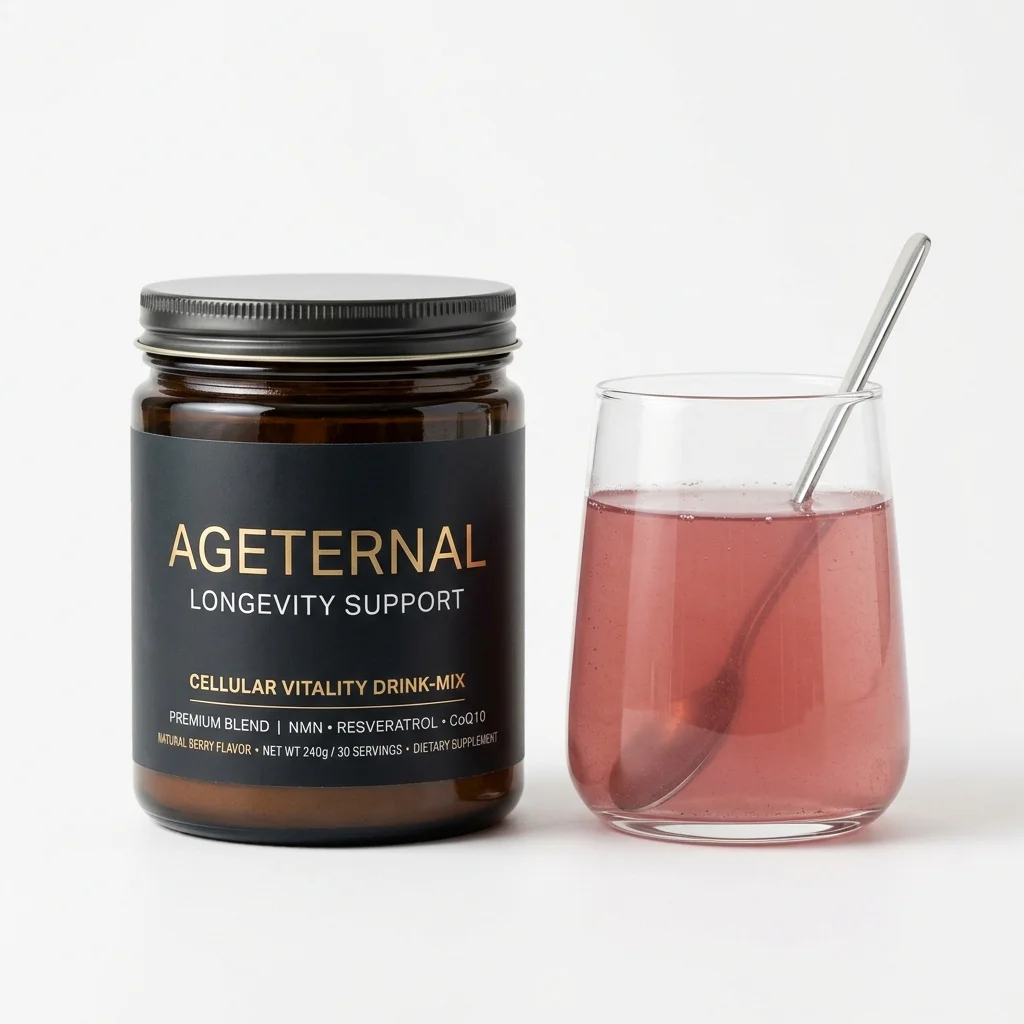
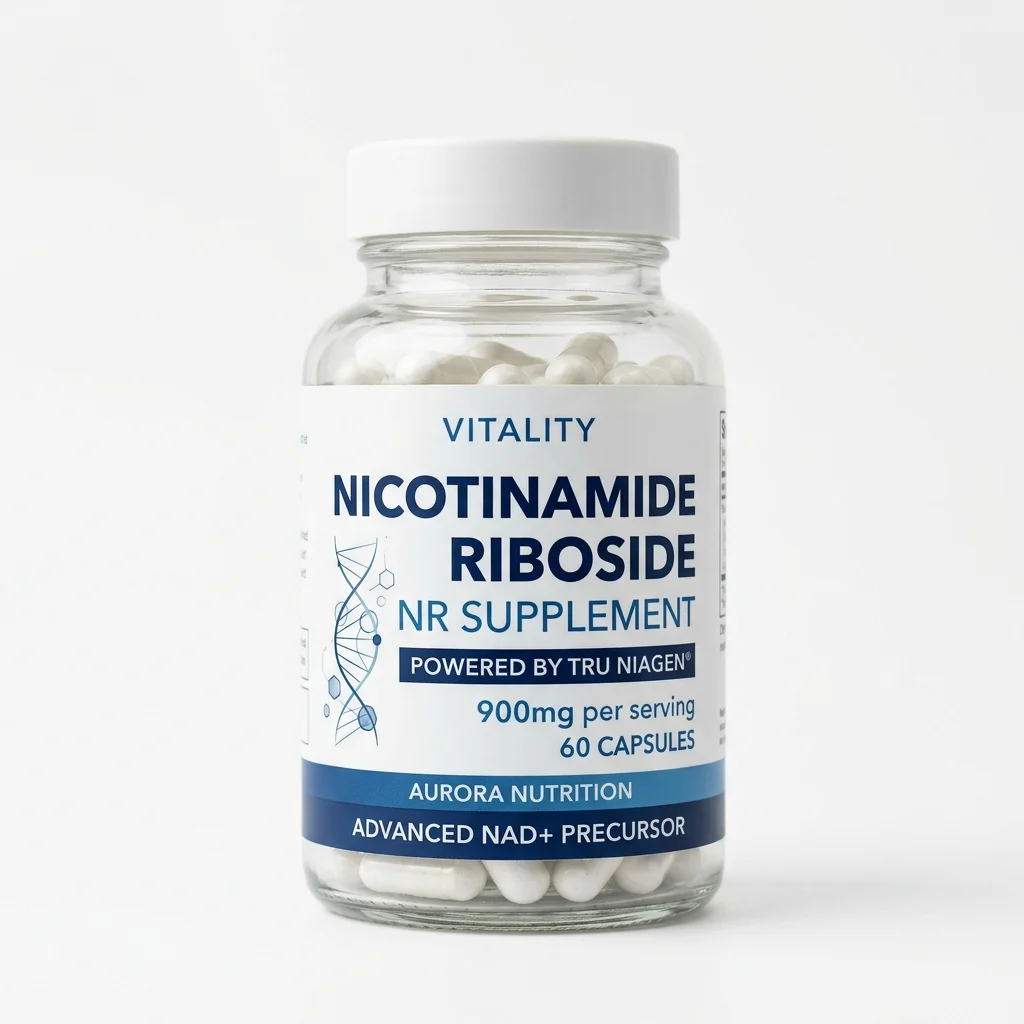
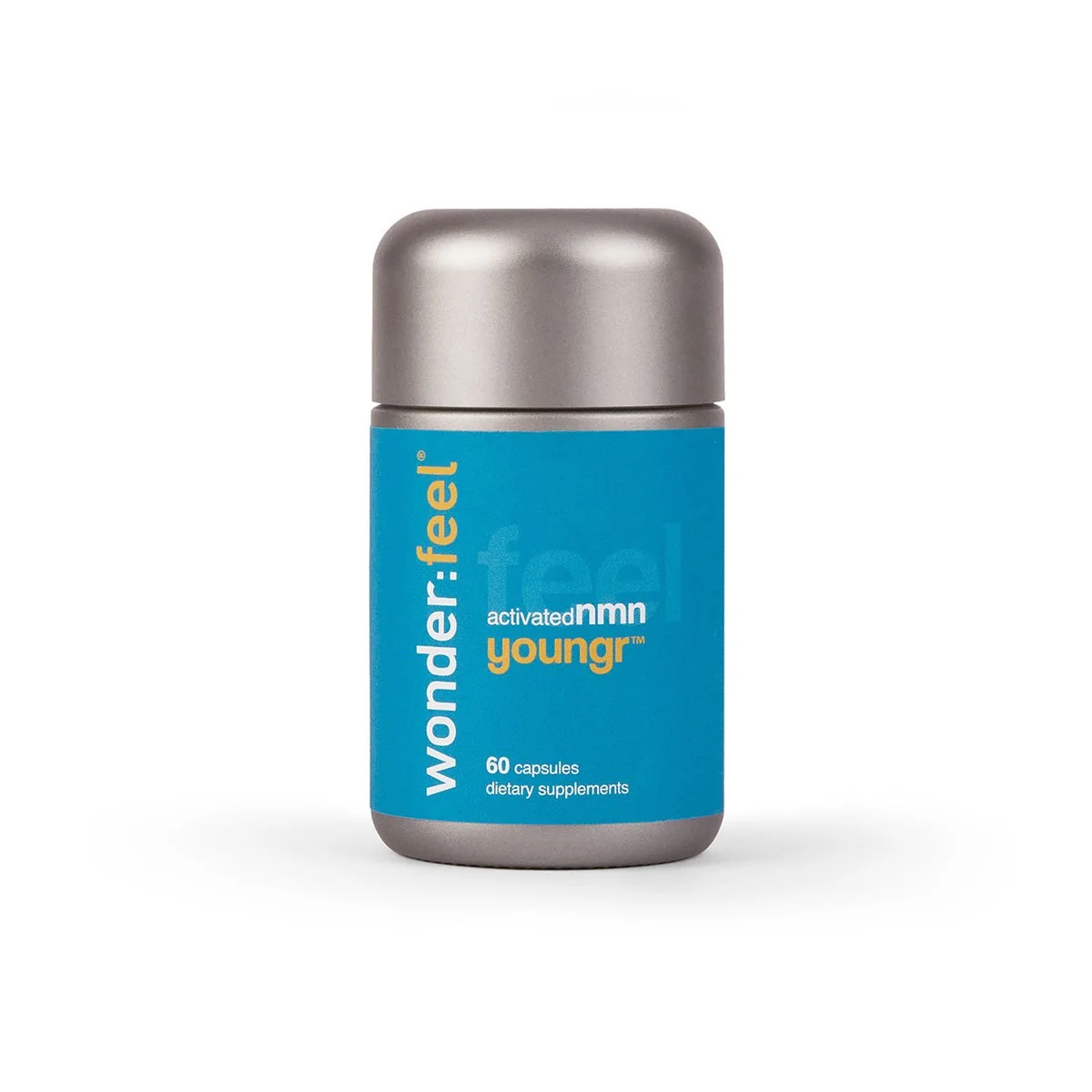
Honest assessment: The mechanistic rationale is strong, the biomarker data is real, but the longevity claims are still unproven in humans. If you're going to try NAD+ precursors, go with products that have third-party testing and transparent dosing. Wonderfeel Youngr combines NMN with complementary compounds like resveratrol and vitamin D. For NR specifically, Thorne NiaCel and Tru Niagen are both well-tested options backed by published research — see our full Tru Niagen review. For an all-in-one formula that targets multiple hallmarks of aging, NOVOS Core is our top pick, and Timeline Mitopure has the strongest human evidence in the category (our Mitopure review).
Evidence tier: Moderate. Strong biological rationale, confirmed biomarker effects, but no human longevity data yet.
Omega-3 Fatty Acids
If there's one supplement on this list with genuinely robust human evidence, it's omega-3s — specifically EPA and DHA from marine sources. This isn't a trendy biohacking play. The research goes back decades and includes some of the largest nutritional intervention trials ever conducted.
What we know:
- The VITAL trial (2019, New England Journal of Medicine) — 25,871 participants over 5 years — found that omega-3 supplementation reduced heart attack risk by 28% and fatal heart attack risk by 50%
- A 2021 meta-analysis in EClinicalMedicine (The Lancet) covering 38 trials and 149,000 participants found that marine omega-3s significantly reduced cardiovascular mortality
- The Omega-3 Index (the percentage of EPA + DHA in your red blood cell membranes) is one of the strongest predictors of cardiovascular risk. An index above 8% is associated with 33% lower risk of sudden cardiac death compared to below 4%
- Omega-3s reduce inflammatory markers (CRP, IL-6) — chronic inflammation being a primary driver of aging-related disease
What's less clear:
- Benefits for cognitive decline are inconsistent. Some studies show benefit, others don't
- Optimal dosing varies. Most positive trials used 1-4g of combined EPA/DHA daily
- Plant-based omega-3s (ALA from flaxseed) convert to EPA/DHA very inefficiently — typically under 10%
Honest assessment: This is the strongest evidence on this entire list. Omega-3s have demonstrated benefits for cardiovascular health across multiple large, well-designed trials. If you're only going to take one supplement, this is the one to take. Nordic Naturals Ultimate Omega is a solid pick for purity and dosing, and Life Extension Super Omega-3 is another well-tested option.
Good sleep and omega-3s are arguably the two highest-leverage things you can do for cardiovascular longevity. If you haven't read our sleep and longevity guide, start there — because no supplement compensates for 5 hours of sleep.
Evidence tier: Strong. Large human RCTs with hard endpoint data (heart attacks, death). This is as good as supplement evidence gets.
Creatine
Most people still think creatine is a bodybuilding supplement. It's not — or rather, it's far more than that. Creatine is the most well-researched sports supplement in history, with over 500 peer-reviewed studies, and the emerging data on its cognitive and aging-related benefits is fascinating.
What we know:
- Creatine improves exercise performance — this is settled science with decades of RCTs
- A 2018 systematic review in Experimental Gerontology found that creatine supplementation combined with resistance training significantly improved lean mass, strength, and functional performance in older adults
- Brain creatine levels decline with age. Supplementation has shown cognitive benefits under conditions of sleep deprivation and mental fatigue — a 2018 study in Experimental Gerontology showed improved cognitive processing in older adults
- Creatine supports cellular energy (ATP) production in every tissue, not just muscle. Your brain uses ~20% of your body's ATP
What's less clear:
- Direct longevity effects in humans haven't been studied
- Optimal dosing for cognitive benefits (most studies use 3-5g/day)
- Whether the cognitive benefits extend to well-rested, healthy younger adults
Honest assessment: Creatine is cheap, extremely well-studied, and has a safety profile that's been evaluated in hundreds of trials. The muscle and strength benefits in aging adults are well-established, and the cognitive data is promising. At $0.05-0.10 per day for plain creatine monohydrate, the cost-benefit ratio is hard to beat. Momentous Creatine is a clean, NSF-certified option if you want third-party verified quality.
Evidence tier: Strong for muscle/strength in aging, Moderate for cognitive benefits. Exceptional safety profile either way.
Browse All Products
Explore our evidence-based product reviews across every health category.
Magnesium
Roughly 50% of Americans don't get adequate magnesium from their diet, according to NHANES data. This matters because magnesium is involved in over 300 enzymatic reactions in the body, including DNA repair, protein synthesis, muscle and nerve function, and blood glucose regulation.
What we know:
- A 2017 meta-analysis in BMC Medicine of over 1 million participants found that higher dietary magnesium intake was associated with reduced risk of stroke, heart failure, type 2 diabetes, and all-cause mortality
- Magnesium deficiency is associated with accelerated cellular aging. A 2014 study in Magnesium Research found that low magnesium status correlated with shorter telomere length
- Magnesium glycinate and magnesium L-threonate have better bioavailability than cheap magnesium oxide (which is basically a laxative)
- Magnesium L-threonate specifically crosses the blood-brain barrier and has shown cognitive benefits in animal studies, with some preliminary human data
What's less clear:
- Whether supplementing above adequacy provides additional longevity benefits, or just corrects deficiency
- The optimal form for different goals (glycinate for sleep, threonate for cognition, citrate for general use)
Honest assessment: Magnesium is less of a longevity "hack" and more of a foundational nutrient that most people are deficient in. Fixing that deficiency has well-documented health benefits. If your sleep quality is poor, magnesium glycinate before bed is one of the simplest interventions with consistent anecdotal and some clinical support. Natural Vitality Calm is a popular magnesium citrate option for general supplementation.
Also worth noting: magnesium plays a role in HRV. Adequate magnesium levels support parasympathetic nervous system function, and some users report improved overnight HRV after correcting magnesium deficiency.
Evidence tier: Strong for correcting deficiency, Moderate for supplementation above adequate levels.
Vitamin D
Vitamin D is technically a hormone, not a vitamin, and an estimated 42% of American adults are deficient. Living at northern latitudes, working indoors, and wearing sunscreen all contribute to widespread insufficiency.
What we know:
- A 2014 meta-analysis in BMJ (Chowdhury et al.) of 73 studies found that low vitamin D levels were associated with increased all-cause mortality, cardiovascular disease, and cancer
- The VITAL trial found that vitamin D supplementation (2,000 IU/day) reduced cancer mortality by 25% in a secondary analysis
- Vitamin D is critical for immune function, bone health, and muscle function — deficiency accelerates the age-related decline in all three
- Blood levels of 40-60 ng/mL of 25(OH)D appear optimal based on current research
What's less clear:
- Whether supplementing vitamin D to high-normal levels benefits people who aren't deficient. The VITAL trial's primary endpoints were mixed — cancer incidence wasn't reduced, but cancer death was
- Optimal dosing is debated. 1,000-5,000 IU daily is the common range, but individual needs vary based on baseline levels, body weight, and sun exposure
Honest assessment: Get your blood levels tested. If you're below 30 ng/mL (which a huge chunk of the population is), supplementation is straightforward and well-supported. If you're already at 50 ng/mL from sun exposure and diet, extra supplementation may not help. Vitamin D3 with K2 is the preferred form — K2 helps direct calcium to bones rather than arteries. Thorne Basic Nutrients includes both D3 and K2 alongside other essentials.
Evidence tier: Strong for correcting deficiency, Moderate-to-Mixed for supplementation in replete individuals.
Probiotics
The gut microbiome is genuinely one of the most important areas in health research. The question is whether taking a probiotic supplement meaningfully improves it.
What we know:
- The gut microbiome influences immune function, inflammation, metabolic health, and even mood via the gut-brain axis
- Specific probiotic strains have shown benefits in targeted conditions — Lactobacillus rhamnosus GG for diarrhea, Bifidobacterium strains for IBS symptoms
- A 2019 study in Cell by Zmora et al. found that probiotic colonization is highly individualized — the same probiotic works in some people and is completely expelled by others
What's less clear:
- Whether broad-spectrum probiotics provide longevity benefits. There are zero human longevity trials for probiotics
- Whether the bacteria in a capsule actually survive digestion and colonize the gut long-term
- Which strains, doses, and combinations matter
Honest assessment: The microbiome matters enormously. Whether a probiotic supplement meaningfully shifts it in a lasting, health-promoting direction is much less certain. The strongest case is for targeted strain-specific use rather than general "gut health" claims. Seed DS-01 is one of the better-researched options — their double-capsule delivery system is designed to survive stomach acid, and they publish their clinical data. But don't expect miracles. Eating a diverse diet high in fiber probably does more for your microbiome than any supplement.
Evidence tier: Moderate for specific conditions, Weak for general longevity claims.
Get smarter about health tech
Deal alerts, new reviews, and health tips — delivered weekly. No spam.
Unsubscribe anytime. We respect your inbox.
What About Multivitamins?
The multivitamin question is surprisingly contentious. For decades, the evidence was largely negative — big trials like the Women's Health Initiative found no mortality benefit from multivitamins.
But a 2022 study in The American Journal of Clinical Nutrition from the COSMOS trial (a large RCT of over 21,000 participants) found that daily multivitamin use was associated with slowed cognitive aging by about 1.8 years in older adults. A follow-up analysis confirmed the finding.
Still, multivitamins are a scattershot approach. You're getting small amounts of many things rather than targeted amounts of what you actually need. A better strategy: get blood work done, identify your specific deficiencies (vitamin D, magnesium, and omega-3s are the most common), and supplement those directly.
If you do want a multivitamin as a general insurance policy, Thorne Basic Nutrients is a well-formulated option with bioavailable forms of key nutrients. Just don't expect it to replace a good diet.
The Bottom Line
Here's the honest ranking, based purely on the strength of human evidence for health and longevity:
- Omega-3s — The most robust human evidence of any supplement on this list. Take 1-3g EPA/DHA daily
- Vitamin D — Get tested, supplement if deficient. Most people are
- Magnesium — Most people don't get enough. Cheap, well-tolerated, broad benefits
- Creatine — Exceptionally well-studied, strong evidence for aging muscle and brain. 3-5g/day
- NAD+ precursors (NMN/NR) — Compelling biology, real biomarker effects, but longevity claims are still unproven
- Probiotics — The science is real but the application is still catching up
Notice what's not on this list: resveratrol (poor bioavailability, failed human trials), collagen peptides (weak evidence beyond skin hydration), most nootropics (underpowered studies at best), and the dozens of exotic compounds marketed on social media.
The unsexy truth is that the supplements with the best evidence are also the cheapest and most boring. And none of them come close to the health impact of sleeping 7-8 hours, exercising regularly, eating mostly whole foods, and managing stress. Supplements are the last 5% — not the foundation.
FAQ
What's the single best supplement for longevity?
Omega-3 fatty acids (EPA/DHA) have the strongest evidence across the largest number of human trials. A close second is vitamin D if you're deficient, which most people are. But "best" depends on your individual deficiencies — blood work should guide your choices.
Are NMN and NR worth the cost?
Maybe. They reliably raise NAD+ levels, and the biological rationale for why that matters is strong. But we don't yet have human longevity data proving they extend lifespan or healthspan. At $50-100/month, they're a bet on promising science — not a proven intervention. If budget is tight, omega-3s, vitamin D, and magnesium give you more evidence per dollar.
Can supplements replace a healthy diet?
No. Supplements are meant to fill gaps, not replace food. A diet rich in fatty fish, vegetables, nuts, and whole grains provides thousands of bioactive compounds that no pill can replicate. The gut microbiome benefits of dietary fiber alone outperform any probiotic supplement.
How do I know which supplements I actually need?
Get blood work done. At minimum, test your vitamin D (25-hydroxyvitamin D), omega-3 index, magnesium RBC, and a basic metabolic panel. This removes the guesswork and lets you target actual deficiencies rather than following generic supplement stacks from the internet.
Is it safe to take multiple supplements together?
Generally yes, for the supplements discussed here. Omega-3s, vitamin D, magnesium, and creatine have no significant interactions with each other. However, high-dose vitamin D requires adequate magnesium and K2 for proper metabolism. And if you're on blood thinners, high-dose omega-3s can increase bleeding risk — always check with your doctor.
Do longevity supplements actually extend lifespan?
Honestly? We don't have definitive proof that any supplement extends human lifespan. What we do have is strong evidence that certain supplements (omega-3s, vitamin D, magnesium) reduce the risk of diseases that kill people — cardiovascular disease, metabolic disorders, and certain cancers. Whether that translates to more years lived is a different question that requires decades-long studies we don't have yet. Focus on healthspan — the quality of your years — rather than chasing a number.
Featured Products
Products mentioned in this article
Related Guides
More articles you might find helpful
Best Bed Cooling Systems 2026: Eight Sleep vs Cheaper Alternatives
**Disclosure:** Product CTAs on this page currently go to manufacturer sites (no affiliate tracking yet). Better Vitals may earn a commission once partner links are live — rankings and "skip if" calls won't change when we swap URLs. We only recommend gear we'd put on a shortlist for a specific type
Is the Oura Membership Worth It in 2026? (And How to Skip It)
*Updated July 2026*
Oura Ring Price in 2026: Every Model, Subscription & Real Total Cost
*Updated July 2026*

Written by
Steve Luu
Health tech researcher