Timeline Mitopure Review 2026: Does Urolithin A Actually Work?
Key Takeaway
Most longevity supplements sell you a mechanism and a hope. Timeline Mitopure sells you something rarer in this category: placebo-controlled human trials showing it improved something people can actually feel — muscle strength and endurance, not just a number on a lab report. That distinction is the
Affiliate Disclosure: BetterVitals may earn a commission from purchases made through links in this article, at no additional cost to you. This supports our independent research and analysis. We only recommend products we believe in after thorough evaluation.
Medical Disclaimer
This article is for educational purposes only and is not a substitute for professional medical advice, diagnosis, or treatment. Always consult your healthcare provider before making health decisions.
Timeline Mitopure Review 2026: Does Urolithin A Actually Work?
Most longevity supplements sell you a mechanism and a hope. Timeline Mitopure sells you something rarer in this category: placebo-controlled human trials showing it improved something people can actually feel — muscle strength and endurance, not just a number on a lab report. That distinction is the entire reason urolithin A keeps rising up serious longevity shortlists while flashier ingredients fade.
But strong evidence and a strong value proposition aren't the same thing. Mitopure costs roughly $100 a month, the benefits take months to show up, and its effects are narrowly focused on one system. Those are real trade-offs, and this review takes them seriously rather than waving them away.
We went through the published trials, the mechanism behind mitophagy, and how urolithin A stacks up against the NAD+ boosters it's usually compared to — so you can decide whether Mitopure earns a place in your stack or whether you're paying a premium for a benefit you don't need yet.
Disclosure: BetterVitals may earn a commission if you purchase through our links. This does not influence our editorial ratings. We were not paid by Timeline or Amazentis, and this review is based on publicly available research.
The Short Answer
Timeline Mitopure is the longevity supplement with the strongest human evidence available today. Where most of the category rests on animal data or biomarker changes, urolithin A has moved functional endpoints — muscle strength and endurance — in placebo-controlled randomized trials. It works by activating mitophagy, your cells' system for recycling worn-out mitochondria, and the 500mg dose Mitopure delivers is the one those trials used.
The honest caveat: this is a premium product at roughly $100/month, the benefits build over two to four months rather than days, and it targets one system — muscle and mitochondrial function. Broader "anti-aging" claims are extrapolation beyond what the trials actually measured. If you're an active adult worried about age-related muscle decline, this is arguably the most defensible supplement you can buy. Score: 8.8/10.
What Is Timeline Mitopure?
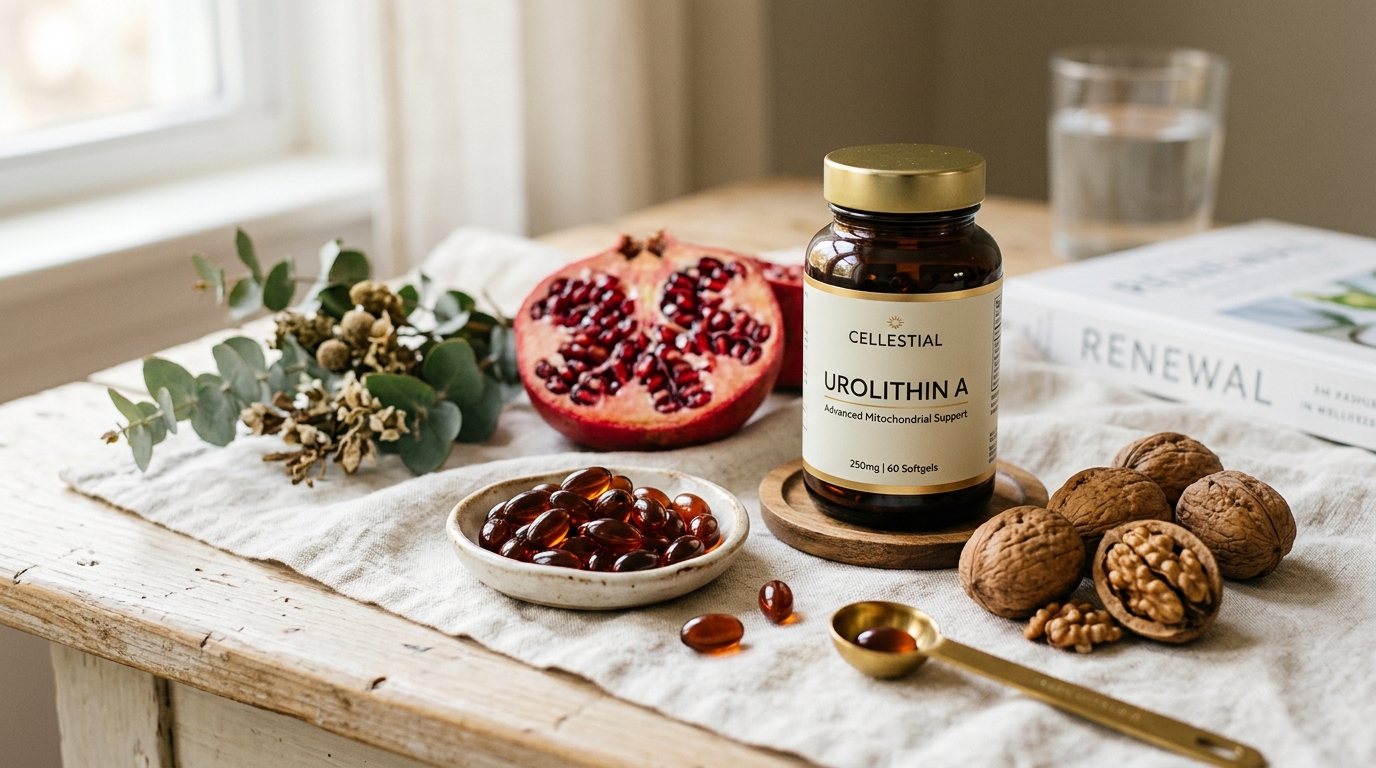
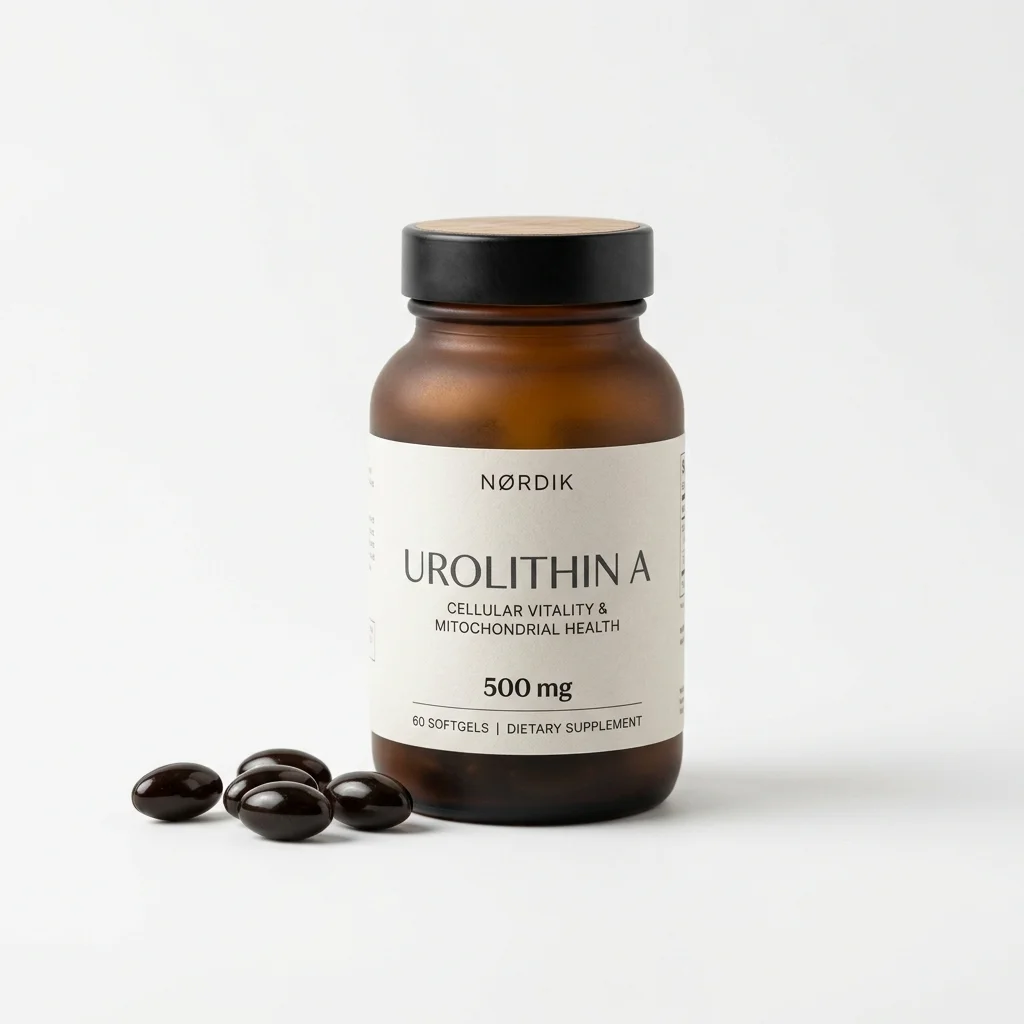
Mitopure is a purified form of urolithin A made by the Swiss life-science company Amazentis, sold under the Timeline brand. Each dose delivers 500mg of urolithin A — the same amount used in the human clinical trials — and it comes in both softgel and powder formats so you can take it however fits your routine.
What makes urolithin A unusual is where it normally comes from. Your gut bacteria produce it by breaking down ellagitannins, compounds found in pomegranates, walnuts, and certain berries. The catch is that only about one in three people carry the right microbiome to make meaningful amounts of it from food. So even a pomegranate-heavy diet may do nothing for you. Mitopure sidesteps that "microbiome lottery" by giving you the finished compound directly, in a consistent, verified dose.
That's the core pitch: not a novel theory, but a way to reliably deliver a compound that has already cleared human trials — to everyone, regardless of their gut bacteria.
How It Works
The mechanism behind Mitopure is mitophagy — the process by which cells identify damaged or dysfunctional mitochondria and recycle them, clearing the way for healthier ones. Mitochondria are your cellular power plants, and as they accumulate damage with age, energy production falters and muscle function declines. Mitophagy is the quality-control system that keeps that population fresh, and it slows down as we get older.
Urolithin A activates mitophagy directly. In practical terms, supplementing it is meant to help your cells clear out the underperforming mitochondria they'd otherwise hold onto, improving the overall efficiency of the mitochondrial pool — especially in energy-hungry tissue like skeletal muscle.
This is a fundamentally different approach from the NAD+ boosters most people compare it to. NAD+ precursors aim to supply more raw material for cellular energy reactions. Urolithin A instead improves the machinery by helping cells renew it. That difference in mechanism is why the two aren't really competitors so much as complementary strategies — a point we'll return to below.
The Evidence: Does It Actually Work?
Here's where Mitopure separates itself from nearly everything else in the longevity aisle.
The functional trials. In a randomized, placebo-controlled study published in Cell Reports Medicine in 2022, urolithin A improved muscle strength in middle-aged adults, alongside favorable changes in mitochondrial and inflammatory biomarkers, compared with placebo (Singh et al., PMID 35584623). Separately, a randomized clinical trial published in JAMA Network Open in 2022 found that urolithin A supplementation improved muscle endurance versus placebo over a four-month period (Liu et al., PMID 35050355). These aren't biomarker-only findings — they're measurable improvements in what muscle can actually do.
The foundational safety and mechanism work. Before those outcome trials, a first-in-human study in Nature Metabolism in 2019 established that urolithin A is safe, bioavailable when taken orally, and induces a gene-expression signature consistent with improved mitochondrial function (Andreux et al., PMID 32694802). That gave the later strength and endurance results a plausible biological foundation rather than leaving them as isolated observations.
The honest limits. This body of evidence is genuinely strong for the category, but it's also narrow. The trials focused on muscle and mitochondrial endpoints in middle-aged and older adults — not on lifespan, cognition, or the sweeping "reverse aging" claims that float around online. And as with any patented ingredient, the manufacturer has a hand in much of the research, which is normal but worth knowing. The fair read: Mitopure has done something almost no competitor has — moved a functional outcome in humans — while the wider longevity story remains extrapolation.
Browse All Products
Explore our evidence-based product reviews across every health category.
Mitopure vs NAD+ Boosters
This is the comparison most buyers are weighing, because both live in the "cellular energy / longevity" mental bucket. But they do different things, and the evidence isn't symmetrical.
| Factor | Mitopure (Urolithin A) | NAD+ Boosters (NR / NMN) |
|---|---|---|
| Mechanism | Activates mitophagy (renews mitochondria) | Raise NAD+ (fuel for energy reactions) |
| Biomarker evidence | Molecular signature of improved mito function | Reliably raise NAD+ 40–50% |
| Functional evidence | Improved muscle strength + endurance in RCTs | Mixed across trials |
| Primary target | Muscle / mitochondrial health | Broad cellular metabolism |
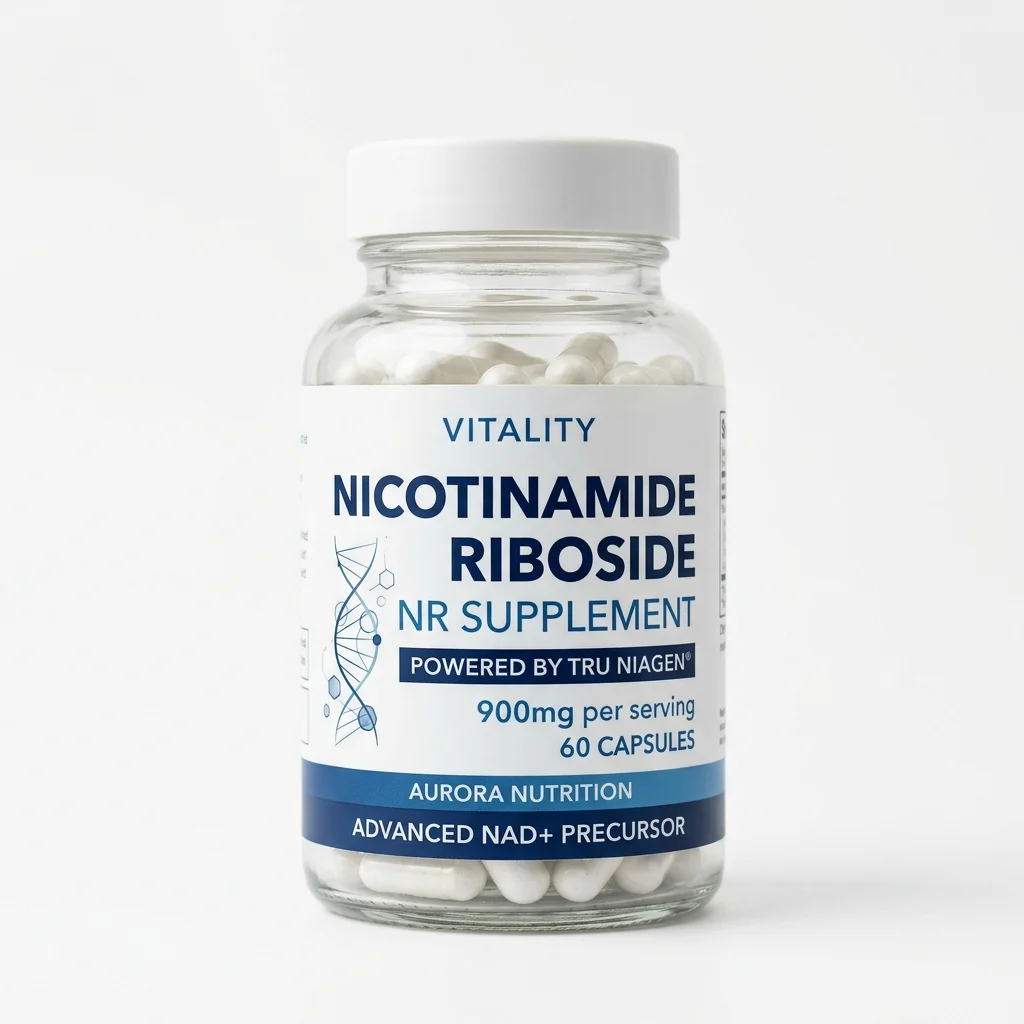
| Typical cost/month | ~$100 | ~$44 (Tru Niagen) |
The key contrast: NAD+ precursors like Tru Niagen reliably move a biomarker — they raise NAD+ dependably — but their downstream functional outcomes have been inconsistent across studies. Urolithin A has the opposite profile: it has actually shifted functional muscle performance in placebo-controlled human trials. That's the strongest thing you can say about a longevity supplement, and few others can.
Bottom line: If your priority is proven functional benefit and you're focused on muscle and mitochondrial aging, Mitopure has the better evidence. If you want the best-studied, most affordable NAD+ precursor, Tru Niagen is the pick — see our full Tru Niagen review. Many serious longevity users run both, since the mechanisms don't overlap.
Pricing and Value
Mitopure runs roughly $100 for a 30-day supply at the clinical 500mg dose, with lower per-unit pricing on subscription. That's a premium price — more than double a mid-tier NAD+ supplement — and it's the single biggest reason to hesitate.
What that premium buys is the exact purified urolithin A used in the human trials, at the exact dose, from the company that ran them. Because so few people make meaningful urolithin A from food, and because ellagitannin-rich foods won't reliably get you there, there's no easy "just eat pomegranates" substitute for most people. You're paying for guaranteed delivery of a compound your own gut probably can't produce.
Whether that's worth it comes down to your goal. For an active adult specifically targeting age-related muscle decline, the evidence-to-price ratio is defensible. For someone just dabbling in longevity supplements with no particular muscle concern, $100/month is a lot to spend on a benefit you may not feel and may not need yet.
Who Should Buy Timeline Mitopure
- Active adults fighting age-related muscle decline. This is the exact population and outcome the trials studied — the cleanest match between evidence and buyer.
- People who want the strongest human evidence in the category. If you'll only take supplements with functional RCT support, Mitopure is close to the top of the list.
- Non-producers of urolithin A. Since most people can't make meaningful amounts from food, direct supplementation is the only reliable route.
- Longevity stackers targeting mitochondria. It pairs logically with broader formulas like NOVOS Core that cover other aging pathways, since its mechanism doesn't overlap.
If you're building a wider regimen, our roundup of the best longevity supplements shows where urolithin A fits alongside other evidence-backed options.
Get smarter about health tech
Deal alerts, new reviews, and health tips — delivered weekly. No spam.
Unsubscribe anytime. We respect your inbox.
Who Should Skip It
- Budget-focused buyers. At ~$100/month, this is one of the pricier single-ingredient longevity supplements available. If cost is the deciding factor, it's a hard sell.
- People who need to feel something. There's no acute or subjective effect — no energy jolt, no next-day change. Benefits accrue over two to four months.
- Those wanting broad anti-aging coverage. Mitopure is single-target (muscle and mitochondria). Extending its results to overall longevity is extrapolation, not proven.
- Anyone seeking disease treatment. This is a wellness supplement, not a therapy for any diagnosed condition.
The Verdict: 8.8/10
Timeline Mitopure earns one of the highest scores we give in the longevity category for a simple reason: it has done what almost nothing else in the aisle has managed — moved a functional human outcome, muscle strength and endurance, in placebo-controlled trials, not just nudged a biomarker. Add a clear mechanism in mitophagy and solid first-in-human safety data, and you have the most defensible longevity supplement most people can buy.
It falls short of a 9-plus for honest reasons: the ~$100/month price is steep, the payoff takes months and isn't something you'll feel, and the proven benefit is narrow — muscle and mitochondria, not the sweeping longevity claims marketing tends to imply. If you're an active adult worried about losing strength with age and you want evidence over hype, Mitopure is worth the premium. If you're a casual dabbler on a budget, it isn't the place to start.
View Timeline Mitopure details →
Frequently Asked Questions
Does urolithin A actually work?
Yes — more than most longevity ingredients, and that's the key point. In placebo-controlled randomized trials, urolithin A improved muscle strength (Cell Reports Medicine, 2022) and muscle endurance (JAMA Network Open, 2022) compared with placebo, which are functional outcomes rather than biomarkers alone. What it hasn't proven is the broader "anti-aging" story, so treat it as a muscle-and-mitochondria supplement with real evidence, not a whole-body longevity cure.
How is Mitopure different from NAD+ boosters like Tru Niagen?
They work through different mechanisms. NAD+ precursors like Tru Niagen reliably raise the NAD+ biomarker but show mixed functional results, while urolithin A activates mitophagy and has actually improved muscle performance in human trials. Because the mechanisms don't overlap, some people take both rather than choosing one.
How long does Mitopure take to work?
Plan on two to four months of consistent daily use. The muscle endurance benefits in the JAMA Network Open trial were measured over a four-month period, and there's no acute or subjective effect to signal that it's "kicked in." This is a long-game supplement, so consistency matters more than any single dose.
What is the right dose of urolithin A?
Mitopure delivers 500mg of urolithin A per dose, which is the amount used in the published human trials. Taking the clinically studied dose is one of the reasons to pay for a verified product rather than guessing with a generic. It comes in both softgel and powder formats, so you can pick whichever fits your routine.
Can I just eat pomegranates instead?
Probably not effectively. Your gut bacteria make urolithin A from ellagitannins in foods like pomegranates, walnuts, and berries, but only about one in three people carry the microbiome to produce meaningful amounts. If you're not a producer, no amount of pomegranate will reliably raise your urolithin A levels, which is exactly the gap direct supplementation fills.
Is Mitopure worth ~$100 a month?
It depends on your goal. For an active adult specifically targeting age-related muscle decline, the functional trial evidence makes the premium defensible. For a casual longevity dabbler with no particular muscle concern, $100/month is steep for a benefit that takes months to build and won't be felt subjectively — a less expensive, broader starting point may make more sense first.
Featured Products
Products mentioned in this article
Related Guides
More articles you might find helpful
Eight Sleep Pod 5 Review 2026: Core vs Plus vs Ultra
**Disclosure:** Product CTAs on this page currently go to manufacturer sites (no affiliate tracking yet). Better Vitals may earn a commission once partner links are live — rankings and "skip if" calls won't change when we swap URLs. We only recommend gear we'd put on a shortlist for a specific type
Wonderfeel Youngr NMN Review 2026: 90-Day Results & Verdict
*Updated July 2026*
Signos Review 2026: CGM for Weight Loss, Tested
*Updated July 2026*

Written by
Steve Luu
Health tech researcher