Sauna vs Cold Plunge: Benefits, Risks & Which to Do First
Key Takeaway
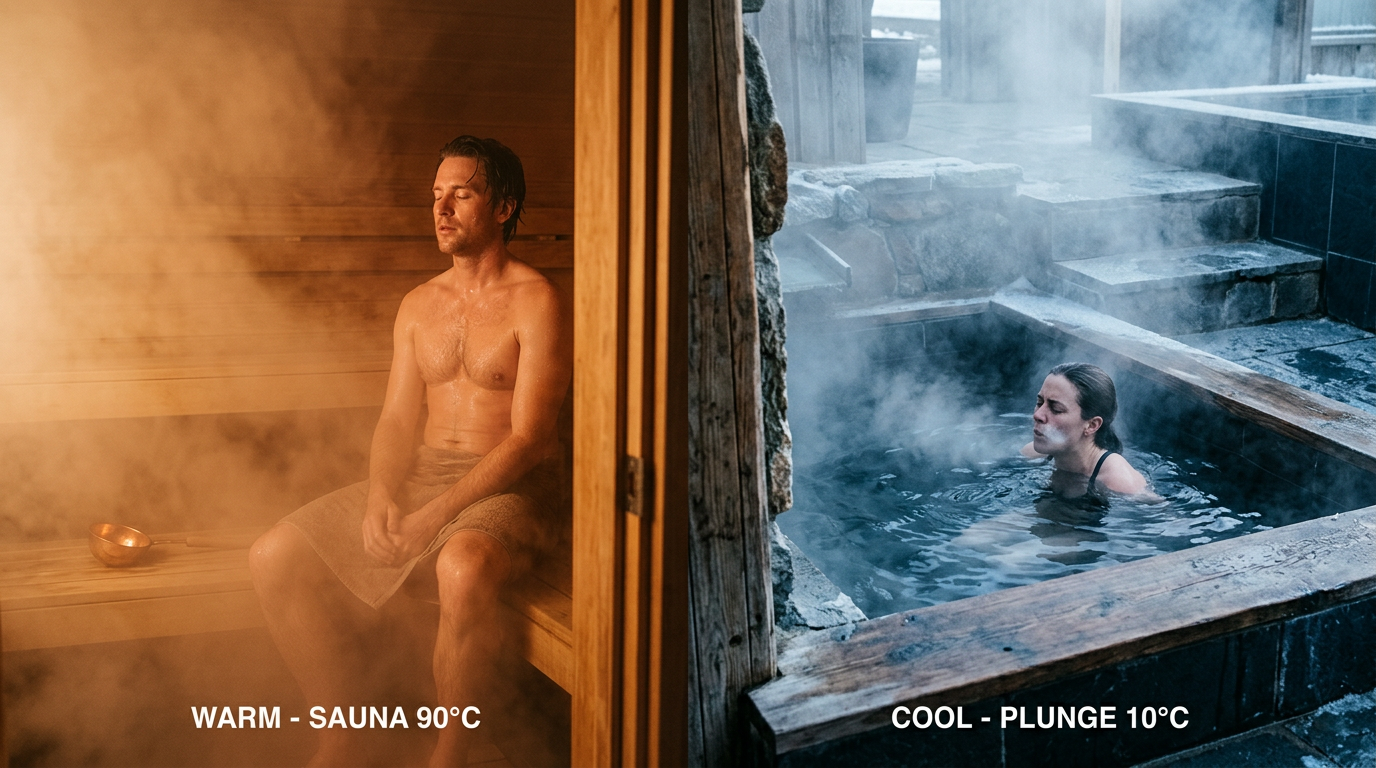
Alternating between extreme heat and extreme cold is one of the oldest recovery practices on the planet. Finnish saunas date back thousands of years. Nordic traditions of jumping from a sauna into an icy lake persist today.
Affiliate Disclosure: BetterVitals may earn a commission from purchases made through links in this article, at no additional cost to you. This supports our independent research and analysis. We only recommend products we believe in after thorough evaluation.
Medical Disclaimer
This article is for educational purposes only and is not a substitute for professional medical advice, diagnosis, or treatment. Always consult your healthcare provider before making health decisions.
Sauna vs Cold Plunge: Benefits, Risks & Which to Do First
Alternating between extreme heat and extreme cold is one of the oldest recovery practices on the planet. Finnish saunas date back thousands of years. Nordic traditions of jumping from a sauna into an icy lake persist today.
Now modern research is catching up: both heat therapy and cold therapy have real, measurable effects on the body. But which one is actually better? And if you do both, which should come first?
This guide breaks down the science, compares benefits head-to-head, and gives you practical protocols for both.
How Sauna Works (Heat Therapy)
When you sit in a sauna at 170-210°F (77-99°C), your body goes through a controlled stress response that shares surprising overlap with moderate exercise.
What happens physiologically:
- Vasodilation. Blood vessels expand to push heat toward the skin's surface. Heart rate climbs to 100-150 bpm — similar to a brisk walk or light jog.
- Heat shock proteins (HSPs). Your cells produce HSPs to protect proteins from heat damage. These same proteins help repair misfolded proteins linked to neurodegenerative diseases. HSP70 and HSP90 are particularly well-studied.
- Cardiovascular stress. Cardiac output increases by 60-70%. Blood is redistributed from the core to the periphery. Your body is essentially getting a passive cardiovascular workout.
- Growth hormone release. A single sauna session can elevate growth hormone 2-5x above baseline. Multiple sessions in a day (the "Rhonda Patrick protocol") can push it even higher, though this effect diminishes with repeated use.
- Endorphin release. The heat triggers endorphin production, which explains the relaxed, euphoric feeling after a sauna session.
The key distinction: sauna works primarily through systemic heating. Your core temperature rises 1-2°F, and nearly every organ system responds to that thermal load.
Types of saunas:
- Traditional Finnish sauna: 170-210°F, dry heat with optional water on rocks. The most studied form.
- Infrared sauna: 120-150°F, uses infrared light to heat the body directly rather than the air. Lower temperature, longer sessions. Popular for home use — see our guide to the best portable infrared sauna.
- Sauna blankets: Infrared heat in a blanket form factor. More affordable entry point — check out our best sauna blanket guide.
- Steam rooms: 110-120°F with near 100% humidity. Less studied than dry saunas.
How Cold Plunge Works (Cold Therapy)
Cold water immersion at 38-60°F (3-15°C) triggers the opposite physiological cascade — and it's equally powerful.
What happens physiologically:
- Vasoconstriction. Blood vessels constrict rapidly, pushing blood away from the extremities and toward vital organs. This is the "cold shock" response.
- Norepinephrine surge. Cold exposure causes a 200-300% increase in norepinephrine, a neurotransmitter that sharpens focus, elevates mood, and reduces inflammation. This is the primary mechanism behind most cold plunge benefits.
- Dopamine spike. Studies show cold water immersion increases dopamine by up to 250% above baseline — and unlike caffeine, the elevation is sustained for several hours.
- Cold shock proteins. RBM3, the best-studied cold shock protein, appears to play a role in synaptic regeneration. Animal studies show it can protect against neurodegeneration, though human data is limited.
- Anti-inflammatory cascade. Cold exposure reduces pro-inflammatory cytokines (IL-6, TNF-alpha) and increases anti-inflammatory markers. This is why cold plunges help with muscle soreness.
- Brown fat activation. Regular cold exposure increases brown adipose tissue activity, which burns calories to generate heat. The metabolic impact is real but modest.
For a deeper dive into the evidence, see our full guide on cold plunge benefits.
Benefits Compared
Here's how sauna and cold plunge stack up across the most commonly claimed benefits:
| Benefit | Sauna | Cold Plunge | Winner |
|---|---|---|---|
| Cardiovascular health | Strong evidence. Laukkanen cohort: 4-7 sessions/week linked to 50% lower cardiovascular mortality | Moderate evidence. Improves vascular tone and blood pressure acutely | Sauna |
| Muscle recovery | Moderate. Increases blood flow to muscles, may speed healing | Strong. 20% reduction in DOMS (Cochrane review). Gold standard for post-exercise soreness | Cold plunge |
| Mental health & mood | Good. Endorphin release, relaxation response. Some evidence for reduced depression symptoms | Good. Dopamine and norepinephrine surge. Acute mood elevation lasting hours | Tie — different mechanisms |
| Immune function | Moderate. Regular use associated with fewer colds in observational studies | Moderate. Increased white blood cell counts in some studies | Tie |
| Longevity | Strong. Laukkanen Finnish study (2,315 men, 20-year follow-up): 4-7 sessions/week = 40% lower all-cause mortality | Limited human data. Animal studies promising (cold-exposed mice live longer), but no equivalent human cohort studies | Sauna |
| Fat loss & metabolism | Modest. Burns ~150-300 calories per session via cardiovascular load. Not a weight-loss tool | Modest. Brown fat activation increases metabolic rate. Effect is real but small (~50-100 extra calories/day with consistent practice) | Slight edge to cold |
| Sleep | Moderate. Post-sauna body cooling mimics the natural temperature drop before sleep. Evening sessions may improve sleep onset | Mixed. Morning cold exposure may improve sleep quality. Evening cold plunges can be stimulating and disrupt sleep | Sauna |
| Pain management | Good for chronic pain conditions, arthritis, fibromyalgia | Good for acute pain, inflammation, and swelling | Depends on pain type |
The takeaway: Sauna has stronger evidence for cardiovascular health and longevity. Cold plunge has stronger evidence for acute recovery and mood. Neither is universally "better" — they target different systems.
Browse All Products
Explore our evidence-based product reviews across every health category.
Risks and Contraindications
Both modalities are forms of acute physiological stress. For most healthy adults, that stress is beneficial. But not for everyone.
Sauna Risks
- Cardiovascular events. The combination of high heart rate and vasodilation can be dangerous for people with unstable angina, recent heart attack, or severe aortic stenosis. That said, the Laukkanen studies found sauna use was protective for cardiovascular health in the general population.
- Dehydration. You can lose 1-2 pints of sweat per session. Drink water before, during, and after. Electrolytes matter if you're doing extended sessions.
- Heat stroke. Rare in controlled settings, but possible with alcohol use or extremely long sessions. Never sauna while intoxicated.
- Fertility concerns. Elevated scrotal temperature can temporarily reduce sperm count. Men actively trying to conceive may want to limit exposure.
- Pregnancy. Most guidelines recommend avoiding saunas during pregnancy due to elevated core temperature risks, especially in the first trimester.
Cold Plunge Risks
- Cardiac arrhythmia. The cold shock response causes a sudden spike in heart rate and blood pressure. For people with undiagnosed heart conditions, this can trigger dangerous arrhythmias. This is the most serious risk.
- Cold shock response. The involuntary gasp reflex when entering cold water can cause drowning if you're submerged. Always enter gradually and never cold plunge alone in deep water.
- Hypothermia. Staying too long in very cold water (below 40°F) can drop core temperature dangerously. Start with shorter durations (1-2 minutes) and work up.
- Raynaud's disease. Cold exposure can trigger painful vasospasm in fingers and toes. People with Raynaud's should avoid cold plunging.
- After-drop. Core temperature can continue to fall after you exit cold water. This is normal but can cause shivering and disorientation. Warm up gradually — don't jump into a hot sauna immediately.
Who Should Avoid Both
- Uncontrolled hypertension
- Recent stroke or heart attack
- Severe cardiac arrhythmias
- Anyone under the influence of alcohol or drugs that impair thermoregulation
When in doubt, talk to your doctor. This is especially true if you have any cardiovascular condition.
Which Should You Do First?
This is the most common question about contrast therapy, and the answer depends on your goals.
The Case for Sauna First, Cold Plunge Second
This is the most popular protocol and the one most practitioners recommend, including Andrew Huberman. The reasoning:
- Sauna warms muscles and increases blood flow. Starting with heat "opens up" blood vessels and prepares the body for the cold stimulus.
- Cold plunge provides a definitive end point. The norepinephrine and dopamine surge from cold exposure leaves you feeling alert and energized — a better state to end on than the relaxed drowsiness of a sauna.
- The vasoconstriction from cold may help "flush" metabolic waste that was mobilized by the vasodilation from heat. (This is theoretical, not proven.)
- Practical consideration: Ending on cold means you don't need a cool-down period. You're already cool.
Huberman contrast protocol:
- 20 minutes in sauna (or infrared sauna)
- 3-5 minutes in cold plunge (50-60°F)
- Optional: repeat 2-3 rounds, ending on cold
The Case for Cold First, Sauna Second
Less common, but valid for specific goals:
- If your goal is sleep: Ending on heat means your body will go through a natural cooling process afterward — and that cooling effect can improve sleep onset. Do cold first, sauna second, then let your body cool naturally before bed.
- If cold is harder for you: Getting the hard thing done first (when willpower is highest) is a legitimate psychological strategy.
What About Alternating?
Traditional Nordic and Russian protocols alternate multiple times: sauna, cold, sauna, cold, sauna, cold. This maximizes the "vascular gymnastics" — the repeated dilation and constriction that may strengthen blood vessel walls over time.
A typical alternating protocol:
- 15-20 minutes sauna
- 2-3 minutes cold
- 10-15 minutes sauna
- 2-3 minutes cold
- 10-15 minutes sauna
- 2-3 minutes cold (end on cold)
Contrast Therapy: Combining Both
If you have access to both a sauna and a cold plunge, contrast therapy — alternating between the two — may offer benefits beyond either alone.
What the Evidence Says
- Vascular function. The repeated vasodilation-vasoconstriction cycle may improve endothelial function and blood vessel elasticity — essentially a workout for your blood vessels.
- Recovery. A 2017 meta-analysis in the International Journal of Sports Physiology and Performance found contrast water therapy was more effective than passive rest for recovery, though not significantly better than cold water immersion alone.
- Subjective well-being. People consistently report feeling better after contrast therapy than after either modality alone.
Practical Contrast Therapy Protocols
Beginner Protocol (Total: ~30 minutes)
- 15 minutes sauna at 170°F
- 2 minutes cold plunge at 55-60°F
- 10 minutes sauna
- 2 minutes cold plunge
- 5 minutes rest
Intermediate Protocol (Total: ~45 minutes)
- 20 minutes sauna at 180°F
- 3 minutes cold plunge at 50-55°F
- 15 minutes sauna
- 3 minutes cold plunge
- 10 minutes sauna
- 3 minutes cold plunge
- 5 minutes rest
Key rules for contrast therapy:
- Always end on cold if your goal is alertness or recovery
- Always end on heat if your goal is sleep (do this 1-2 hours before bed)
- Hydrate aggressively — you're sweating in the sauna and burning energy in the cold
- Never do contrast therapy while fasted for extended periods; the cardiovascular demand is real
- Start with the beginner protocol and progress slowly
Get smarter about health tech
Deal alerts, new reviews, and health tips — delivered weekly. No spam.
Unsubscribe anytime. We respect your inbox.
Practical Recommendations
If You Can Only Pick One
- Pick sauna if your primary goals are cardiovascular health, longevity, relaxation, or chronic pain management. The Laukkanen data is hard to ignore — regular sauna use is one of the strongest lifestyle-longevity associations in the literature. For more on building a comprehensive longevity practice, see our longevity blueprint.
- Pick cold plunge if your primary goals are post-workout recovery, mood enhancement, mental sharpness, or metabolic health. The dopamine and norepinephrine effects are acute and noticeable from day one.
Building a Home Setup
You don't need a commercial gym to access both modalities:
- Infrared saunas are the most accessible home option. Portable models start around $200-500 and full cabin units range from $1,000-5,000. We've reviewed the best portable infrared saunas and best sauna blankets for home use.
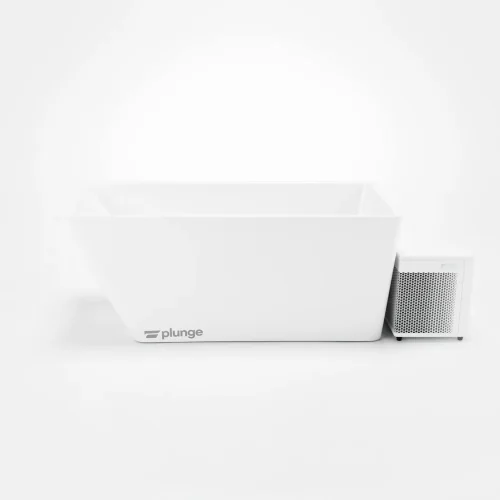
- Cold plunges range from DIY chest freezer conversions ($150-300) to purpose-built tubs ($500-5,000+). Even a cold shower at the lowest setting provides some benefit.
- Red light therapy pairs well with both modalities and can be used before or after either session. See our best red light therapy device guide.
Frequency Guidelines
- Sauna: 3-7 sessions per week, 15-20 minutes each. The Laukkanen studies showed dose-dependent benefits — more sessions per week correlated with greater risk reduction.
- Cold plunge: 3-5 sessions per week, 2-5 minutes each. More is not necessarily better. The norepinephrine response occurs quickly, and extended exposure adds risk without proportional benefit.
- Contrast therapy: 2-3 sessions per week. This is more demanding than either alone, so allow recovery days.
FAQ
Is it better to do sauna or cold plunge first?
Most evidence and expert protocols suggest sauna first, cold plunge second. Starting with heat warms your muscles, increases blood flow, and prepares your body for the cold stimulus. Ending on cold provides an alertness boost from the norepinephrine and dopamine surge. The exception is if your goal is better sleep — in that case, ending on heat allows your body's natural post-sauna cooling to facilitate sleep onset.
How long should you wait between sauna and cold plunge?
You don't need to wait. Moving directly from sauna to cold plunge is the standard practice in contrast therapy. The abrupt temperature change is the point — it drives the vascular response. Some people take 30-60 seconds to catch their breath between transitions, which is fine but not necessary. Avoid lingering more than 5 minutes between them, or you'll lose the contrast effect.
Can you do sauna and cold plunge every day?
Yes, most healthy adults can safely do either sauna or cold plunge daily. Many Finnish people sauna daily for decades with no ill effects — in fact, the data suggests daily use is more beneficial than occasional use. For cold plunging, daily sessions of 2-5 minutes at moderate temperatures (50-60°F) are generally safe. For contrast therapy combining both, 3-5 times per week is a reasonable frequency to allow your cardiovascular system adequate recovery.
Does cold plunge after sauna cancel out the benefits?
No. The benefits of each modality operate through different mechanisms. Sauna's cardiovascular benefits come from sustained heat stress during the session — those adaptations are already triggered by the time you exit. Cold exposure adds its own benefits on top. The one caveat: if your goal is muscle hypertrophy, some research suggests cold exposure immediately after strength training may blunt the anabolic response. In that case, separate your cold plunge from your workout by 4-6 hours.
Are infrared saunas as effective as traditional saunas?
Infrared saunas operate at lower temperatures (120-150°F vs 170-210°F) but heat the body more directly through infrared radiation. Most research has been done on traditional Finnish saunas, so the Laukkanen longevity data specifically applies to those. However, infrared saunas do raise core temperature, trigger heat shock proteins, and produce measurable cardiovascular effects. They're likely beneficial, but we can't say they're equally beneficial until more long-term studies are completed. For home use, infrared saunas are more practical, affordable, and easier to tolerate for beginners.
Featured Products
Products mentioned in this article

Related Guides
More articles you might find helpful
Wonderfeel Youngr vs NOVOS Boost (2026): Which NMN Wins?
*Updated July 2026*
Most Accurate CGM in 2026: MARD Scores Compared (Every Sensor)
*Updated July 2026*
Dexcom Stelo vs Abbott Lingo (2026): Accuracy, Price, App Compared
*Updated July 2026*

Written by
Steve Luu
Health tech researcher