Best Red Light Therapy Device 2026: Complete Buyer's Guide
Key Takeaway
Red light therapy has evolved from an expensive spa treatment to an accessible at-home technology backed by hundreds of peer-reviewed studies. Originally developed by NASA to accelerate wound healing in space, these devices are now used by everyone from professional athletes to dermatologists to bio
Affiliate Disclosure: BetterVitals may earn a commission from purchases made through links in this article, at no additional cost to you. This supports our independent research and analysis. We only recommend products we believe in after thorough evaluation.
Medical Disclaimer
This article is for educational purposes only and is not a substitute for professional medical advice, diagnosis, or treatment. Always consult your healthcare provider before making health decisions.
Red light therapy has evolved from an expensive spa treatment to an accessible at-home technology backed by hundreds of peer-reviewed studies. Originally developed by NASA to accelerate wound healing in space, these devices are now used by everyone from professional athletes to dermatologists to biohackers seeking better skin, faster recovery, and optimized cellular health.
But here's the problem: the market has exploded with hundreds of devices ranging from $30 gimmicks to $3,000 professional panels. Marketing claims vastly outpace the science, and specifications that actually matter—wavelength accuracy, irradiance levels, treatment area—are often buried or misrepresented.
After testing multiple devices, consulting dermatologists, analyzing clinical research, and evaluating the specs that determine real effectiveness, I've created this comprehensive guide to the best red light therapy devices for 2026.
Whether you're targeting wrinkles and skin aging, muscle recovery, joint discomfort, or overall wellness, this guide will help you choose a device that actually works—without wasting money on expensive placebo lights.
What Is Red Light Therapy and How Does It Work?
Red light therapy, scientifically known as photobiomodulation (PBM) or low-level light therapy (LLLT), uses specific wavelengths of red and near-infrared light to stimulate cellular processes in your body.
Unlike harmful UV light that damages DNA, therapeutic wavelengths (typically 630-850 nanometers) penetrate skin safely to reach cells, where they're absorbed by mitochondria—the energy-producing powerhouses inside every cell.
The mechanism is well-established:
When mitochondria absorb red and near-infrared light, they increase production of ATP (adenosine triphosphate)—the molecule that fuels virtually every cellular process. This energy boost triggers a cascade of beneficial effects:
- Increased collagen production - Fibroblasts ramp up collagen and elastin synthesis, improving skin firmness and reducing wrinkles
- Enhanced circulation - Blood flow increases, delivering more oxygen and nutrients while removing waste products
- Reduced inflammation - Pro-inflammatory markers decrease while anti-inflammatory processes activate
- Accelerated healing - Cellular repair mechanisms speed up for faster recovery from injury or exercise
- Improved cellular function - Cells operate more efficiently across multiple systems
Harvard Medical School research confirms that specific light wavelengths can trigger these cellular responses without causing tissue damage—a key distinction from older laser therapies.
The Science Behind Wavelengths: Why 660nm and 850nm Matter
Not all red light is created equal. The wavelength determines how deeply light penetrates tissue and what biological effects it produces.
Red Light (630-670nm, typically 660nm):
- Penetrates 2-3mm into tissue
- Primarily affects skin, superficial tissue, and surface healing
- Ideal for: collagen production, wrinkle reduction, skin texture, wound healing, scar reduction
- Visible as bright red light
Near-Infrared Light (810-850nm, typically 850nm):
- Penetrates deeper, reaching 5-10mm or more into tissue
- Affects muscles, joints, tendons, and deeper structures
- Ideal for: muscle recovery, joint comfort, deep tissue healing, inflammation reduction
- Invisible to the human eye (appears as faint red or not visible)
Why dual-wavelength devices are superior:
The best red light therapy devices combine both 660nm and 850nm LEDs, providing comprehensive benefits for surface skin concerns and deeper tissue recovery. Single-wavelength devices limit your treatment options and overall effectiveness.
Some premium devices add additional wavelengths (630nm, 810nm) for more complete coverage, but 660nm + 850nm represents the evidence-based core combination.
Critical Specifications: How to Identify Effective Devices
Most cheap red light devices fail because they don't deliver sufficient power to trigger biological responses. Here are the specifications that actually matter:
1. Irradiance (Power Output)
What it is: The amount of light energy delivered to your skin, measured in milliwatts per square centimeter (mW/cm²).
Why it matters: This is arguably the most important specification. Insufficient irradiance means insufficient results, regardless of other features.
Effective threshold: Look for at least 50 mW/cm² at your treatment distance (typically 6 inches from the device). Quality devices deliver 80-150+ mW/cm². Cheap devices often produce under 20 mW/cm², making them essentially ineffective.
Red flag: Many companies don't list irradiance at standard distances, or only provide measurements taken directly at the LED surface (useless information since you never stand that close).
2. Wavelength Accuracy
What it is: The precise color of light emitted, measured in nanometers (nm).
Why it matters: Therapeutic benefits occur within specific wavelength ranges. LEDs that emit 680nm instead of 660nm may not produce the same effects.
What to look for: Devices should specify exact wavelengths (e.g., "660nm and 850nm") rather than vague ranges. Third-party testing confirming wavelength accuracy is a bonus.
3. Treatment Area
What it is: The size of the area covered by therapeutic light in a single session.
Why it matters: Larger treatment areas save time and provide more consistent full-body coverage.
Device types:
- Handheld devices (4-6 inches): Require 20-30+ minutes to treat a full face, very time-consuming for larger areas
- Targeted panels (12x12 to 18x18 inches): Good for specific body areas like face, back, or joints
- Full-body panels (24x48+ inches): Treat large areas simultaneously but require space and higher investment
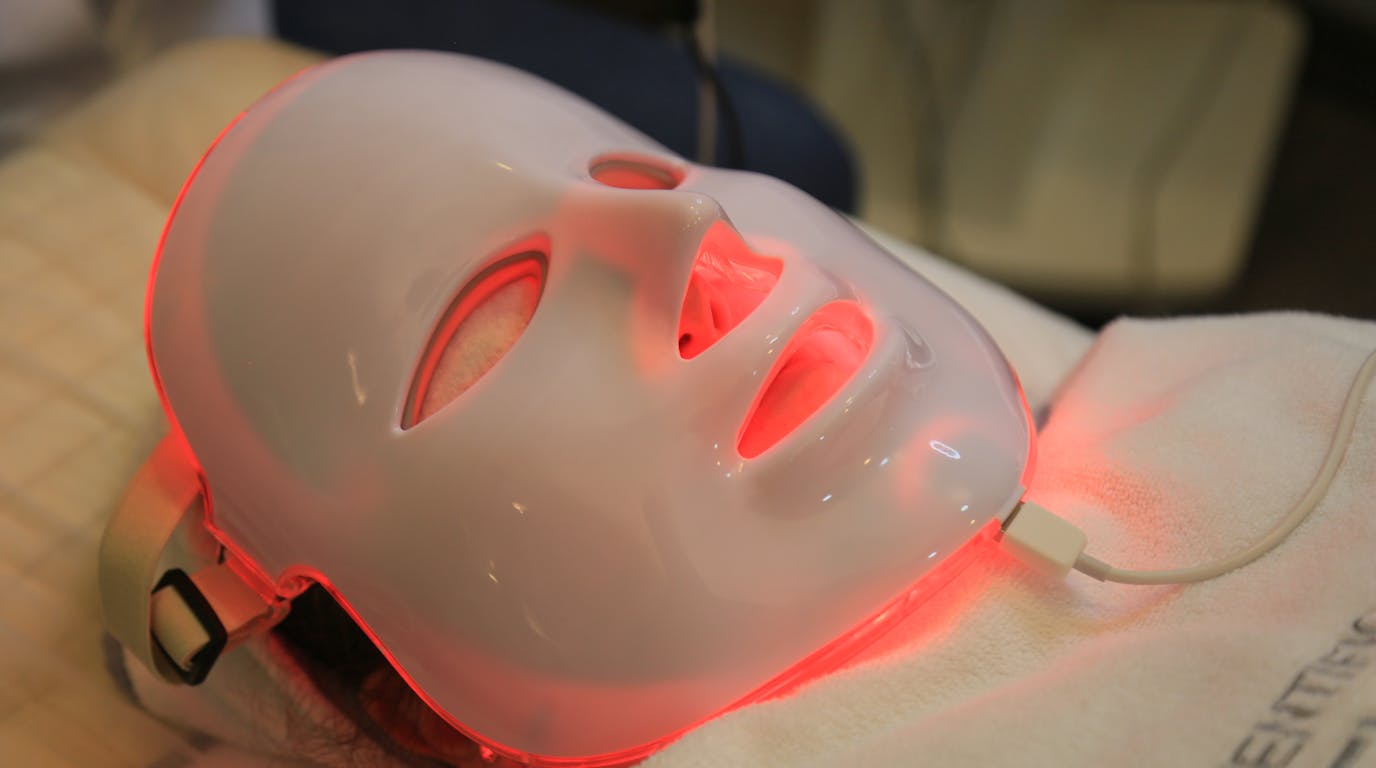
- Masks (full face): Convenient, hands-free facial treatment but limited to face/neck only
4. LED Density and Chip Quality
What it is: The number of LED bulbs and their quality/power rating.
Why it matters: More high-quality LEDs generally means better coverage and more consistent light distribution.
What to look for: Premium devices use medical-grade 5W LEDs rather than cheaper 3W options. LED density of at least 100+ LEDs per large panel ensures even coverage.
5. EMF (Electromagnetic Field) Emissions
What it is: Electromagnetic radiation emitted by the device.
Why it matters: While research on EMF harm is debated, high-quality devices minimize EMF emissions as a precaution.
What to look for: Manufacturers should test and report EMF levels. Look for devices producing less than 5 mG at standard treatment distances.
Best Red Light Therapy Devices by Category
Best Overall Panel: PlatinumLED BioMax 600
Price: ~$849
Treatment Area: 12" x 24"
Power: 150+ mW/cm² at 6 inches
Wavelengths: 660nm, 850nm (plus 630nm, 810nm, 1060nm in Pro models)
Why it wins: PlatinumLED has earned its reputation as the gold standard in home red light panels. The BioMax 600 offers exceptional power output, multiple wavelengths, and rock-solid build quality that rivals professional devices.
The standout feature is versatility: dual switches allow you to run red light only, NIR only, or both simultaneously. The panel covers enough area to treat your entire torso, face, or multiple body parts in one 10-20 minute session.
Pros:
- Highest irradiance in its class (verified by third-party testing)
- Modular design allows linking multiple panels
- Low EMF emissions (<1 mG)
- 5-year warranty (industry-leading)
- Made in the USA with medical-grade components
Cons:
- Premium price point ($849)
- Heavy (15 lbs) and industrial appearance
- Requires wall mounting or stand
Best for: Serious users wanting professional-grade results at home, those treating multiple body areas, athletes focused on recovery
Best Face Mask: CurrentBody Skin LED Face Mask Series 2
Price: ~$470
Treatment Area: Full face and neck
Power: Optimized for facial use
Wavelengths: 633nm (red), 830nm (NIR), 1072nm (deep NIR)
Why it's exceptional: CurrentBody addressed every complaint from their original mask in the Series 2. The flexible silicone design molds perfectly to any face shape, and the new chin strap ensures LEDs sit flush against the jawline—a problem area for aging that most masks miss.
The addition of deep near-infrared (1072nm) targets deeper dermis layers for enhanced collagen production that goes beyond surface treatment.
Pros:
- Hands-free convenience (10-minute sessions)
- Comfortable flexible silicone fits all face shapes
- FDA-cleared and clinically tested
- Treats face, jawline, and upper neck
- Includes eye protection
Cons:
- Limited to facial use only
- Battery requires charging every 3-4 sessions
- No blue light option (purely anti-aging/healing)
- Higher investment for single-use device
Best for: Those prioritizing facial anti-aging, anyone wanting convenient hands-free treatment, busy professionals
Best Budget Panel: Hooga HG300
Price: ~$299
Treatment Area: 12" x 8"
Power: 100+ mW/cm² at 6 inches
Wavelengths: 660nm and 850nm
Why it's great value: Hooga delivers legitimate therapeutic power at nearly half the price of premium panels. While you sacrifice some features (fewer LEDs, smaller treatment area, no fancy wavelength options), the core specifications that matter—irradiance and wavelength accuracy—are solid.
The HG300 hits the sweet spot for users who want effective red light therapy without the premium price tag.
Pros:
- Excellent price-to-performance ratio
- Legitimate power output (third-party verified)
- Dual wavelength (660/850nm)
- Low EMF emissions
- 2-year warranty
Cons:
- Smaller treatment area requires more positioning
- Basic design (no app connectivity or fancy features)
- Less LED density than premium options
- Stand sold separately
Best for: Budget-conscious buyers, those starting with red light therapy, users treating specific small areas
Best Handheld Device: Therabody TheraFace Pro
Price: ~$399
Treatment Area: 3" targeted spot
Power: Optimized for facial use
Wavelengths: Red (660nm) and NIR modes
Why it stands out: TheraFace Pro isn't just a red light device—it's a multi-functional skin tool combining LED therapy, microcurrent, percussive therapy, and cleansing rings. This versatility justifies the premium price for users wanting an all-in-one facial device.
The red light ring delivers concentrated treatment to specific problem areas like crow's feet, forehead lines, or blemishes. The built-in app guides treatments and tracks usage.
Pros:
- Multi-functional (red light + 4 other modalities)
- Portable and travel-friendly
- App-guided treatments
- Precision targeting for specific concerns
- Premium build quality from trusted brand
Cons:
- Small treatment area requires patience for full face
- More expensive than single-function devices
- Battery life limits extended sessions
- Learning curve with multiple attachments
Best for: Those wanting versatile facial tool, travelers, users with specific targeted concerns
Best for Hair Growth: iRestore Elite
Price: ~$1,295
Treatment Area: Full scalp coverage
Power: High-density diode array
Wavelengths: 650nm + 655nm (medical-grade lasers + LEDs)
Why it works: Unlike cheaper caps using only LEDs, the iRestore Elite combines medical-grade laser diodes with LEDs for superior scalp penetration. The device uses 500 light sources covering the entire scalp, including temporal and occipital regions often missed by competitors.
Clinical studies on low-level laser therapy for hair loss show significant improvements in hair density and thickness with consistent use over 6-12 months.
Pros:
- Combines lasers + LEDs for maximum effectiveness
- Complete scalp coverage (not just crown)
- FDA-cleared for hair growth
- Ventilated design for comfort
- 12-minute treatment sessions
Cons:
- High initial investment ($1,295)
- Results take 4-6 months of consistent use
- Bulky design (hard to travel with)
- Requires 3-5 sessions weekly
Best for: Those experiencing hair thinning or pattern baldness, individuals committed to long-term hair restoration
Browse All Products
Explore our evidence-based product reviews across every health category.
Treatment Protocols: How to Use Red Light Therapy Effectively
Having the right device is only half the equation. Here's how to maximize results:
General Guidelines
Distance: Most panels work optimally at 6-12 inches from skin. Closer increases intensity but reduces coverage area; farther provides more coverage with lower intensity.
Duration: 10-20 minutes per treatment area depending on device power. More is not always better—excessive exposure may reduce effectiveness (biphasic dose response).
Frequency:
- Anti-aging/skin: 3-5 sessions per week
- Muscle recovery: 4-7 sessions per week (can use daily)
- Wound healing: Daily until healed
- Hair growth: 3-5 sessions per week
Timing: While you can use red light therapy anytime, many users prefer morning sessions for energy or evening sessions for relaxation and sleep support.
Skin preparation: Apply to clean, product-free skin for best light penetration. Most topical products block light absorption.
Specific Treatment Protocols
For Facial Anti-Aging:
- Clean face thoroughly
- Position mask or panel 6-8 inches from face
- Treat for 10-12 minutes
- Apply serums/moisturizer after treatment (red light may enhance absorption)
- Expect visible results after 4-8 weeks of consistent use
For Muscle Recovery:
- Use within 2 hours post-workout for best results
- Position panel covering affected muscles
- Treat for 15-20 minutes per area
- Can use pre-workout for muscle preparation
- Notice reduced soreness within 1-2 weeks
For Joint Discomfort:
- Position NIR wavelength directly over affected joint
- Treat for 15-20 minutes
- Use daily for acute issues, 3-5x weekly for maintenance
- Results typically appear within 2-4 weeks
Safety Considerations and Side Effects
Red light therapy is considered extremely safe when used properly, with minimal side effects reported in thousands of studies.
General safety:
- FDA-cleared devices are considered safe for home use
- No UV radiation means no skin cancer risk
- No heat damage with proper LED-based devices
- Minimal recovery time or downtime
Potential side effects (rare):
- Temporary mild skin redness (usually resolves within 30 minutes)
- Eye strain if used without proper eye protection
- Headache from excessive exposure
- Skin irritation in very sensitive individuals
Who should avoid or consult a physician:
- Pregnant or nursing women (limited safety data)
- Those taking photosensitizing medications (certain antibiotics, acne medications)
- People with light-sensitive conditions (lupus, porphyria)
- Those with active skin cancers
- Anyone with seizure disorders triggered by flashing lights
Eye protection: Opinions vary, but most experts recommend either closing your eyes during facial treatment or using provided goggles. While red/NIR light isn't as concerning as blue light, prolonged direct exposure may cause eye strain.
Red Light Therapy vs. Other Modalities
Red Light Therapy vs. Blue Light Therapy
Blue light (415nm): Targets acne-causing bacteria on skin surface, effective for active breakouts but can increase oxidative stress with overuse.
Red light (660nm): Reduces inflammation, boosts healing, stimulates collagen. Better for anti-aging, scars, and overall skin health.
Best approach: Many devices (especially masks) combine both for comprehensive acne and anti-aging treatment.
Red Light Therapy vs. Infrared Sauna
Infrared sauna: Uses far-infrared heat (3,000-10,000nm) primarily for detoxification, cardiovascular benefits, and relaxation through whole-body heating.
Red light therapy: Uses near-infrared (850nm) and red light (660nm) for cellular benefits without significant heating.
Can be complementary: Some users combine both for synergistic benefits. They work through different mechanisms.
Red Light Therapy vs. Laser Treatments
Professional laser treatments: High-intensity, often ablative, require downtime, more aggressive but faster results for certain conditions.
Red light therapy: Low-intensity, non-ablative, no downtime, cumulative results over weeks/months, can be used at home.
Best approach: Professional treatments for acute concerns; red light for maintenance and gradual improvement.
Get smarter about health tech
Deal alerts, new reviews, and health tips — delivered weekly. No spam.
Unsubscribe anytime. We respect your inbox.
Real Results: What to Expect and When
Let's set realistic expectations based on clinical research and user experiences:
Weeks 1-2: Initial Response
- Subtle improvements in skin brightness and texture
- Possible enhanced energy levels
- Beginning of inflammation reduction
- No dramatic visible changes yet
Weeks 4-8: Early Visible Results
- Smoother skin texture
- Reduced redness and inflammation
- Improved skin tone evenness
- Faster recovery from workouts
- Reduced fine lines (beginning)
Weeks 8-16: Significant Improvements
- Measurable collagen increases
- Noticeable wrinkle reduction
- Improved skin firmness and elasticity
- Consistent faster muscle recovery
- Reduced joint discomfort for many users
Months 6+: Long-term Benefits
- Sustained anti-aging effects
- Improved skin quality and resilience
- Maintained muscle recovery benefits
- Potential hair regrowth (with targeted devices)
Key insight: Red light therapy is cumulative. Consistency matters far more than intensity. Users who treat 3-5 times weekly for months see dramatically better results than those who use devices sporadically at higher intensities.
Common Mistakes to Avoid
1. Buying based on price alone That $50 Amazon panel won't deliver therapeutic results. Save up for a device with verified specifications rather than wasting money on ineffective products.
2. Expecting overnight miracles Red light therapy requires patience and consistency. If you're not willing to commit to 8-12 weeks of regular use, save your money.
3. Ignoring irradiance specifications A panel with 200 LEDs but only 15 mW/cm² output is worse than a smaller panel delivering 100 mW/cm². Power matters more than LED count.
4. Using through clothing or products Fabric and topical products block light penetration. Always use on clean, exposed skin.
5. More is better mentality 45-minute sessions aren't better than 15-minute sessions. Follow manufacturer guidelines—excessive exposure may reduce effectiveness.
6. Inconsistent usage Using a device intensively for one week then forgetting about it won't work. Regular moderate use beats sporadic intensive use every time.
The Verdict: Is Red Light Therapy Worth It?
Red light therapy is worth the investment if:
You have specific goals (skin aging, muscle recovery, joint comfort) supported by research
- You're willing to commit to regular use for 2-3 months minimum
- You invest in a quality device with proper specifications (50+ mW/cm² irradiance)
- You understand it's a gradual, cumulative process
- You have realistic expectations based on clinical evidence
Red light therapy is NOT worth it if:
- You're expecting instant dramatic results
- You're not willing to use it consistently
- You can only afford ineffective cheap devices
- You have medical contraindications
- You're hoping it will replace proven treatments for serious conditions
The sweet spot recommendation:
For most people interested in facial anti-aging with occasional body treatment, I recommend starting with either:
- CurrentBody LED Face Mask Series 2 ($470) for convenient, hands-free facial treatment, OR
- Hooga HG300 Panel ($299) for versatile face and body use on a budget
Once you've established a consistent routine and proven to yourself you'll use it, you can upgrade to larger panels for more comprehensive coverage.
For serious athletes, biohackers, or those treating multiple body areas daily, invest in the PlatinumLED BioMax 600 ($849)—the superior power output and coverage area justify the premium price.
Red light therapy pairs well with other recovery modalities. For a broader look at science-backed longevity interventions — including cold exposure, exercise, and supplementation — see our longevity blueprint. And if you're interested in cold therapy as a complement to red light, our cold plunge benefits guide covers the research.
Ready to experience the benefits of red light therapy? Choose a device with verified specifications, commit to consistent use, and give your cellular biology time to respond. The results are gradual but scientifically validated.
Shop FDA-Cleared Red Light Therapy Devices →
Affiliate Disclosure: BetterVitals.com participates in affiliate programs with red light therapy device manufacturers featured in this guide. When you purchase through our links, we may earn a commission at no extra cost to you. These commissions support our ability to provide comprehensive, research-based product reviews. Our recommendations are based exclusively on device specifications, clinical evidence, and user results—never on commission rates. We only recommend devices that meet our strict criteria for power output, wavelength accuracy, and safety.
Featured Products
Products mentioned in this article


Related Guides
More articles you might find helpful
Wonderfeel Youngr vs NOVOS Boost (2026): Which NMN Wins?
*Updated July 2026*
Most Accurate CGM in 2026: MARD Scores Compared (Every Sensor)
*Updated July 2026*
Dexcom Stelo vs Abbott Lingo (2026): Accuracy, Price, App Compared
*Updated July 2026*

Written by
Steve Luu
Health tech researcher