Levels Health CGM Review 2026: Is It Worth the Cost?
Key Takeaway
If you've been paying attention to the health optimization space, you've probably noticed small circular patches on the arms of biohackers, athletes, and wellness enthusiasts. These are continuous glucose monitors (CGMs)—devices once reserved exclusively for people with diabetes—now being used by me
Affiliate Disclosure: BetterVitals may earn a commission from purchases made through links in this article, at no additional cost to you. This supports our independent research and analysis. We only recommend products we believe in after thorough evaluation.
Medical Disclaimer
This article is for educational purposes only and is not a substitute for professional medical advice, diagnosis, or treatment. Always consult your healthcare provider before making health decisions.
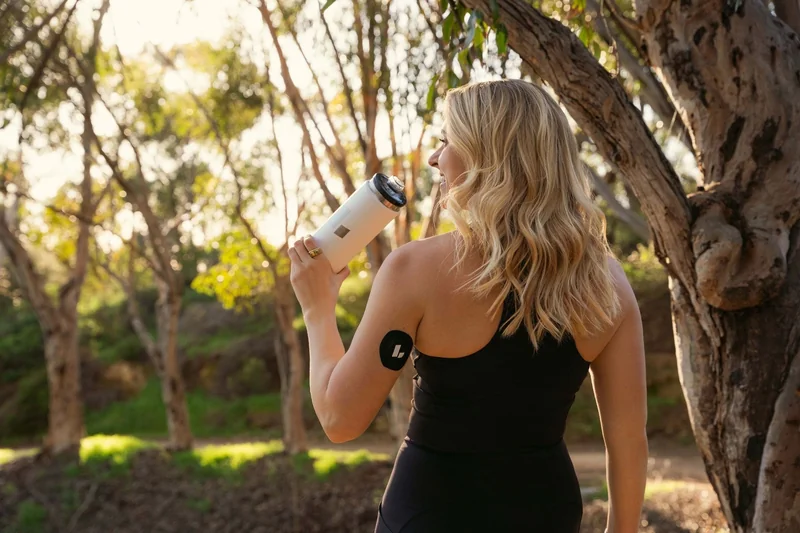
If you've been paying attention to the health optimization space, you've probably noticed small circular patches on the arms of biohackers, athletes, and wellness enthusiasts. These are continuous glucose monitors (CGMs)—devices once reserved exclusively for people with diabetes—now being used by metabolically healthy individuals seeking to understand and optimize their body's response to food, exercise, and stress.
Levels Health has emerged as one of the most prominent players in this space, promising to help you "see how food affects your health" through real-time glucose tracking and AI-powered insights. But with annual costs ranging from $288 to $1,499, is Levels actually worth it for someone without diabetes?
I've spent weeks researching Levels' 2026 offerings, analyzing user experiences, and comparing it against competitors. Here's everything you need to know before investing in a Levels membership.
What Is Levels Health and How Does It Work?
Levels Health, founded in 2019, is a metabolic health company that combines continuous glucose monitoring technology with a sophisticated mobile app to help users understand how their daily choices impact blood sugar levels. Unlike traditional CGM programs designed for diabetes management, Levels targets health-conscious individuals interested in prevention, performance optimization, and longevity.
The Levels system has two main components:
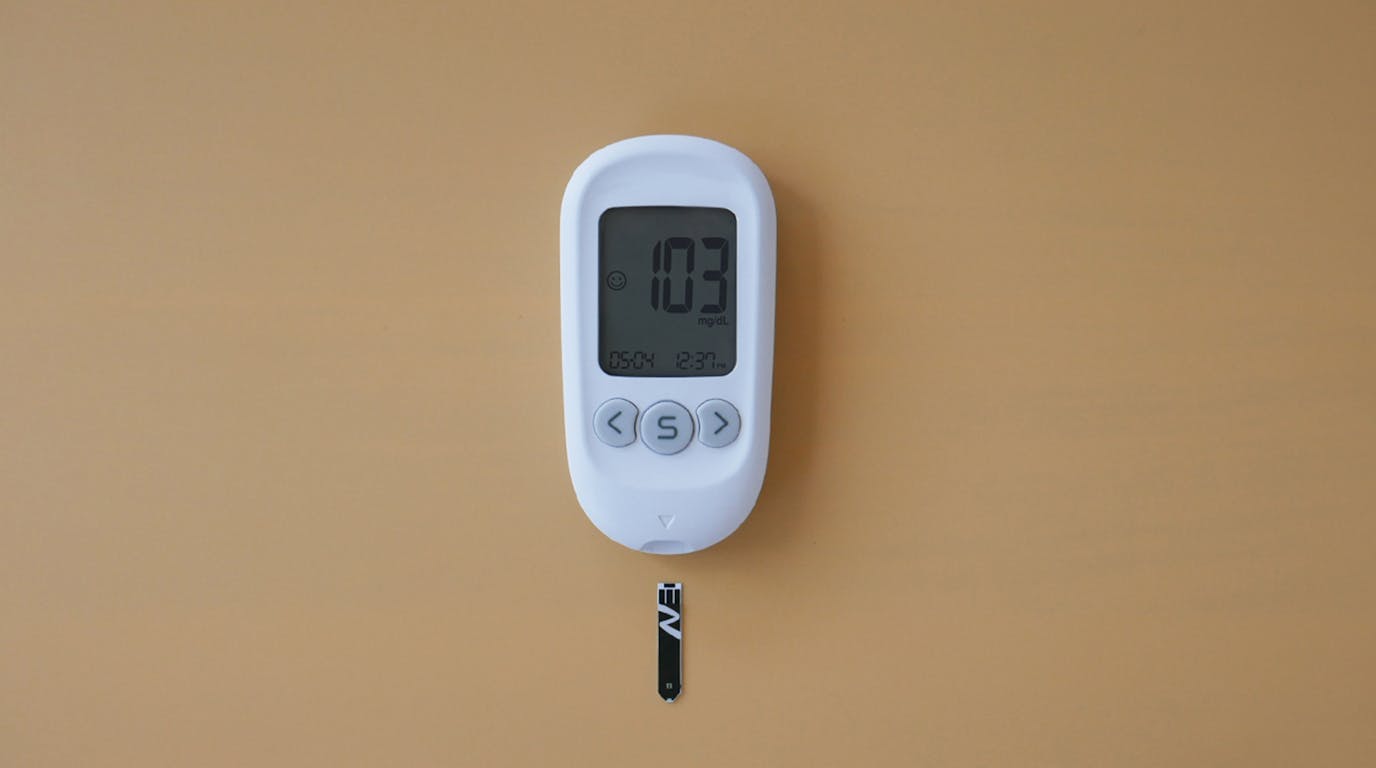
The Sensor: Levels doesn't manufacture its own sensors. Instead, they partner with established medical device companies, giving you flexibility to choose between Dexcom Stelo, Dexcom G7, or Abbott FreeStyle Libre 3 sensors. These small, coin-sized devices adhere to the back of your upper arm and use a tiny filament inserted just under the skin to measure glucose levels in your interstitial fluid every 1-15 minutes (depending on which sensor you choose).
The App: This is where Levels truly differentiates itself. Their iOS and Android app transforms raw glucose data into actionable insights, featuring a proprietary "Zone Score" system (rated 1-10), meal ratings that show how specific foods impact your glucose, daily metabolic reports, pattern analysis, and AI-driven adaptive programs that learn from your data over time.
Why Non-Diabetics Are Using CGMs for Metabolic Health
You might be wondering: if I don't have diabetes, why would I need to track my glucose?
The answer lies in understanding that blood sugar regulation affects far more than diabetes risk. Research published in the European Journal of Medical Research (January 2026) found that even in people with normal HbA1c levels, significant glucose variability can contribute to:
- Increased inflammation and accelerated aging processes
- Energy crashes and brain fog from glucose spikes and subsequent drops
- Weight management challenges as frequent glucose spikes promote fat storage
- Heightened risk of developing insulin resistance and Type 2 diabetes
- Cardiovascular disease risk from chronic glycemic variability
- Reduced athletic performance from poorly timed nutrition
Perhaps most importantly, individual glucose responses to identical foods vary dramatically between people. A 2026 study found that two healthy individuals eating the same meal can have completely different glucose responses based on genetics, gut microbiome composition, stress levels, sleep quality, and activity patterns. This means that generic dietary advice—even from reputable sources—may not work optimally for your unique metabolism.
A CGM like Levels makes the invisible visible, showing you in real-time which foods spike your blood sugar, how exercise timing affects your energy, and whether stress is sabotaging your metabolic health. If you're new to this concept, our CGM for non-diabetics guide explains who benefits most from glucose tracking.
Levels Pricing Breakdown: Three Tiers Explained
Levels restructured its pricing in 2025, now offering three distinct membership tiers. It's important to note that sensors are sold separately from the Classic and Core memberships, which is a significant departure from competitors like Nutrisense.
Classic: $288/year ($24/month)
The entry-level option includes:
- Access to the Levels app and dashboard
- 1 month of continuous glucose monitoring (sensor sold separately)
- Self-guided metabolic insights and meal scoring
- Zone score tracking (1-10 scale)
- Pattern analysis and trend reports
- Unlimited upload of past bloodwork and health documents
- Integration with Apple Health, Oura, Garmin, Strava, WHOOP, and 8 Sleep
Best for: Data-savvy individuals who want glucose insights without coaching and are comfortable interpreting their own metabolic data.
Core: $499/year ($41/month)
The most popular tier adds:
- Everything in Classic
- 2 Essential Lab Panels annually (28+ biomarkers including fasting insulin, fasting glucose, HbA1c, lipid panel, and high-sensitivity C-reactive protein)
- Clinician review of your health data twice yearly (written report)
- AI health insights that synthesize glucose and lab data
- AI adaptive programs that personalize recommendations
Best for: People who want a comprehensive metabolic health assessment with professional interpretation but don't need ongoing coaching.
Complete: $1,499/year ($125/month)
The premium offering includes:
- Everything in Core
- 2 Comprehensive Lab Panels annually (100+ biomarkers)
- 2 months of continuous glucose monitoring (instead of 1)
- One-on-one onboarding call with a Levels metabolic health coach
- Unlimited metabolic coaching throughout the year (text-based support)
- Advanced AI health insights
- Priority access to new features
Best for: High-performers, executives, or those with complex health goals who value expert guidance and want the most complete metabolic health picture.
Additional Costs to Consider
Remember that Classic and Core members need to purchase sensors separately:
- Dexcom Stelo: ~$89 for two sensors (30 days of monitoring)
- Dexcom G7: ~$70-100 per sensor (10-day wear time)
- FreeStyle Libre 3: ~$70-90 per sensor (14-day wear time)
This means your true first-year cost for Classic could be $288 (membership) + $89-180 (sensors) = $377-468 total, depending on sensor choice and how long you monitor.
Levels offers payment flexibility through Affirm, allowing you to spread costs over several months. Additionally, you may be eligible for HSA/FSA reimbursement through TrueMed with a Letter of Medical Necessity, though this requires a qualifying diagnosis.
Key Features That Set Levels Apart
1. Metabolic Scoring System
Levels' proprietary Zone Score (1-10 scale) provides a simple daily metric for metabolic stability. A score of 8-10 indicates excellent glucose control, while lower scores signal high variability or prolonged elevated glucose. This gamification element keeps users engaged and motivated.
2. Meal Impact Analysis
After logging a meal (manually, as Levels doesn't offer photo logging), the app generates a meal score showing your glucose curve, peak level, time to peak, and how quickly you returned to baseline. Over time, you'll build a personalized database of foods ranked by their impact on your metabolism.
3. AI Adaptive Programs
Introduced in late 2025, these programs use machine learning to identify patterns in your data and suggest targeted experiments. For example, if the AI detects that your glucose spikes more on days with poor sleep, it might recommend a sleep optimization protocol and track the results.
4. Sensor Flexibility
Unlike competitors locked into specific sensors, Levels gives you choice. The Dexcom G7 offers the best accuracy (7.9% MARD) and fast 30-minute warm-up, while the Libre 3 provides longer wear time (14 days) at a lower cost.
5. Integration Ecosystem
Levels plays well with other health tools, syncing with Oura Ring (sleep and readiness), WHOOP (strain and recovery), Garmin and Strava (workouts), and 8 Sleep (sleep optimization). This creates a comprehensive health tracking ecosystem.
Browse All Products
Explore our evidence-based product reviews across every health category.
Who Should Use Levels Health?
Based on user reviews and research, Levels works exceptionally well for:
Biohackers and Data Enthusiasts: If you love quantifying your health and running personal experiments, Levels provides the data infrastructure to do this systematically.
Prediabetics: With 1 in 3 American adults having prediabetes (often unknowingly), Levels can reveal concerning glucose patterns years before a standard HbA1c test would flag problems. Early intervention through lifestyle changes can prevent progression to Type 2 diabetes.
Athletes and Fitness Enthusiasts: Understanding how pre-workout nutrition affects performance, or why you crash during long endurance events, can provide a significant competitive edge. Levels users report optimizing carb timing around training and competitions.
People Struggling with Weight: If you've tried multiple diets without success, you may have insulin resistance or reactive hypoglycemia. Levels reveals which foods trigger cravings and energy crashes, making sustainable weight loss more achievable.
Health-Conscious Professionals: Executives and entrepreneurs use Levels to maintain stable energy throughout demanding workdays, eliminating the 3 PM slump through better meal timing and composition.
Those with Metabolic Risk Factors: Family history of diabetes, PCOS, fatty liver disease, or metabolic syndrome all benefit from proactive glucose monitoring.
Levels Pros and Cons
Pros
✓ Sensor flexibility: Choose the CGM that best fits your needs and budget ✓ Sophisticated app: Best-in-class data visualization and pattern analysis ✓ AI-powered insights: Adaptive programs that learn from your unique responses ✓ No prescription required: Over-the-counter access makes getting started easy ✓ Extensive integrations: Works seamlessly with popular health wearables ✓ Lab testing included (Core/Complete): Comprehensive metabolic panel adds tremendous value ✓ Affordable entry point: Classic tier at $24/month is cheapest among premium CGM platforms ✓ TIME Best Inventions award: Recognized as a leading innovation in health technology
Cons
✗ Annual commitment required: No month-to-month option; full year must be paid upfront ✗ Sensors sold separately: Classic and Core users face additional costs not included in membership ✗ No 1:1 dietitian support (Classic/Core): App-based guidance only; human coaching costs extra ✗ Limited HSA/FSA eligibility: Requires Letter of Medical Necessity and qualifying diagnosis ✗ Manual food logging: No photo recognition for meals (competitors offer this) ✗ Learning curve: Data-rich interface can be overwhelming for non-tech-savvy users ✗ Short-term use limitations: Once you've learned your glucose patterns (often 1-3 months), ongoing value diminishes unless you're actively experimenting
Levels vs. Abbott Lingo vs. Nutrisense: How Do They Compare?
Abbott Lingo: The Budget-Friendly Option
Price: $91/month ($1,092/year)
Sensors: Included (2 sensors per 4 weeks)
Coaching: App-based only
Best for: Budget-conscious users wanting an affordable OTC CGM
Lingo uses Abbott's proprietary biosensor with 9.3% MARD (less accurate than Levels' Dexcom options). It includes sensors in the subscription price and features the "Lingo Count" metric and weekly progress reports. However, it lacks lab testing, has fewer integrations, and isn't FDA-cleared for people with diabetes. The simple app makes it accessible for beginners, but power users will find it limiting.
Verdict: Lingo is good for CGM newcomers on a budget, but Levels offers significantly more sophisticated insights for serious metabolic optimization.
Nutrisense: The Coaching-First Approach
Price: $126-175/month ($1,512-2,100/year)
Sensors: Included (2 Dexcom Stelo sensors monthly)
Coaching: 1:1 registered dietitian support included
Best for: Beginners wanting personalized guidance and hand-holding
Nutrisense positions itself as a comprehensive health coaching platform that happens to use CGM, rather than a data platform with optional coaching. Every member gets paired with a registered dietitian for video calls, message support, and personalized meal plans. The app offers photo-based food logging with MyFitnessPal sync, and 95% of members pay $0 for video consultations through insurance coverage.
The Dexcom Stelo sensor (8.3% MARD, 15-day wear, excellent water resistance) is included, and there's no annual commitment—you can cancel anytime.
Verdict: If you want expert guidance interpreting your data and building sustainable habits, Nutrisense is worth the premium. However, if you're self-directed and data-savvy, Levels' lower cost and superior analytics make more sense.
The Bottom Line Comparison
| Feature | Levels | Abbott Lingo | Nutrisense |
|---|---|---|---|
| Starting Price | $288/yr | $1,092/yr | $1,512/yr |
| Sensors Included | No (Classic/Core) | Yes | Yes |
| Sensor Options | 3 choices | Lingo only | Stelo only |
| Accuracy | 7.9-9.0% MARD | 9.3% MARD | 8.3% MARD |
| Dietitian Support | Add-on only | No | Included |
| Lab Testing | Yes (Core+) | No | No |
| App Sophistication | Excellent | Basic | Good |
| Integrations | 8+ devices | 2 devices | 5 devices |
| Commitment | Annual | None | Monthly |
Real User Results: What People Are Discovering
Based on user testimonials from the Levels community and third-party reviews:
Sarah, 34, Marketing Executive: "I discovered that the 'healthy' açai bowl I ate every morning was spiking my glucose to 180 mg/dL and leaving me exhausted by 10 AM. Switching to eggs and avocado gave me stable energy all morning. That one insight justified the entire cost."
James, 41, Endurance Athlete: "I learned my body processes carbs much better in the evening than morning. Adjusting my training nutrition based on my glucose patterns helped me PR my marathon by 8 minutes."
Lisa, 52, Prediabetic: "My doctor said my HbA1c was 'borderline' but didn't give specific guidance. Levels showed me exactly which foods were problematic. After 6 months of CGM-guided eating, my HbA1c dropped from 5.9 to 5.4, and I lost 18 pounds."
Common discoveries Levels users report:
- Oatmeal, bananas, and smoothies often cause larger spikes than expected
- Eating vegetables and protein before carbs reduces glucose response by 30-40%
- Walking for 10 minutes after meals significantly blunts post-meal spikes
- Stress and poor sleep can raise fasting glucose even without food
- Individual food responses vary dramatically (your "superfood" might be my spike trigger)
Get smarter about health tech
Deal alerts, new reviews, and health tips — delivered weekly. No spam.
Unsubscribe anytime. We respect your inbox.
Is Levels Worth It? My Honest Recommendation
After extensive research, here's my take:
Levels is absolutely worth it if you:
- Have prediabetes, insulin resistance, PCOS, or metabolic syndrome
- Are a data-driven person who loves self-experimentation
- Have tried multiple diets without understanding why they didn't work
- Want to optimize athletic performance through precision nutrition
- Can afford the upfront annual investment and separate sensor costs
- Are comfortable interpreting health data without constant hand-holding
Levels may NOT be worth it if you:
- Need extensive coaching and accountability (choose Nutrisense instead)
- Want sensors included in your subscription without thinking about it
- Can't commit to logging meals and analyzing patterns consistently
- Are looking for a quick fix rather than education and behavior change
- Have excellent metabolic health and stable energy (testing might not reveal much)
- Aren't tech-savvy and prefer simple interfaces (consider Lingo)
The sweet spot: I believe the Core tier ($499/year) offers the best value for most people. You get the sophisticated Levels app, lab testing worth $300-500 on its own, clinician review, and AI insights—all for about $1.36 per day. Add 2-3 months of sensor monitoring ($180-270), and your total investment is around $680-770 for a comprehensive metabolic health assessment that would cost $2,000+ through a functional medicine doctor.
Use CGM intensively for 1-3 months to identify your personal glucose triggers, optimal meal timing, and food combinations. Most users don't need year-round monitoring—the learning happens in those first focused months. Then you can implement what you've learned without ongoing sensor costs.
How to Get Started with Levels
Ready to take control of your metabolic health? Here's how to begin:
- Choose your tier: Start with Core for the best value (includes essential labs)
- Complete the health questionnaire: Levels will ask about your goals and health history
- Select your sensor: I recommend Dexcom G7 for best accuracy, or Libre 3 for longest wear time
- Apply your sensor: Follow the included instructions (takes about 2 minutes)
- Start learning: Spend week 1 eating normally to establish your baseline
- Experiment strategically: Weeks 2-4 are for testing specific foods, meal timing, and exercise protocols
- Implement and refine: Apply your learnings for lasting metabolic improvements
Levels offers Affirm financing to spread payments over time, and you may qualify for HSA/FSA reimbursement through TrueMed (requires a Letter of Medical Necessity from a healthcare provider).
The Verdict: Investing in Metabolic Intelligence
In an age where chronic disease largely stems from metabolic dysfunction, understanding your body's glucose responses isn't vanity—it's preventive medicine. Levels Health has created the most sophisticated platform for metabolic self-discovery available to consumers, with sensor flexibility, AI-powered insights, and optional lab testing that no competitor matches.
Is it perfect? No. The annual commitment, separate sensor costs, and lack of included dietitian support (except in Complete tier) are legitimate drawbacks. But for the data-driven health optimizer willing to engage actively with their metabolic health, Levels provides unparalleled insights that can reshape your relationship with food, energy, and long-term wellness.
For a comparison of Levels against other CGM options, see our best CGM for non-diabetics roundup. And for practical glucose management strategies that work with or without a device, check out how to regulate glucose naturally.
The question isn't whether Levels is expensive—it's whether understanding your unique metabolism is worth $1-2 per day. For the 88% of American adults who are metabolically unhealthy according to recent research, that answer should be a resounding yes.
Ready to see how food affects YOUR health? Visit Levels Health to get started with a personalized metabolic health program →
Affiliate Disclosure: BetterVitals.com is a participant in affiliate programs with Levels Health and other companies featured in this review. When you purchase through links on our site, we may earn a commission at no extra cost to you. These commissions help us provide comprehensive, unbiased reviews and continue creating valuable health content. Our editorial integrity is never compromised by affiliate relationships—we only recommend products we've thoroughly researched and believe provide genuine value. Commission rates: Levels Health 15-20%.
Featured Products
Products mentioned in this article


Related Guides
More articles you might find helpful
Eight Sleep Pod 5 Review 2026: Core vs Plus vs Ultra
**Disclosure:** Product CTAs on this page currently go to manufacturer sites (no affiliate tracking yet). Better Vitals may earn a commission once partner links are live — rankings and "skip if" calls won't change when we swap URLs. We only recommend gear we'd put on a shortlist for a specific type
Wonderfeel Youngr NMN Review 2026: 90-Day Results & Verdict
*Updated July 2026*
Signos Review 2026: CGM for Weight Loss, Tested
*Updated July 2026*

Written by
Steve Luu
Health tech researcher