Cortisol and Sleep: How Stress Hormones Sabotage Your Rest (And How to Fix It)
Key Takeaway
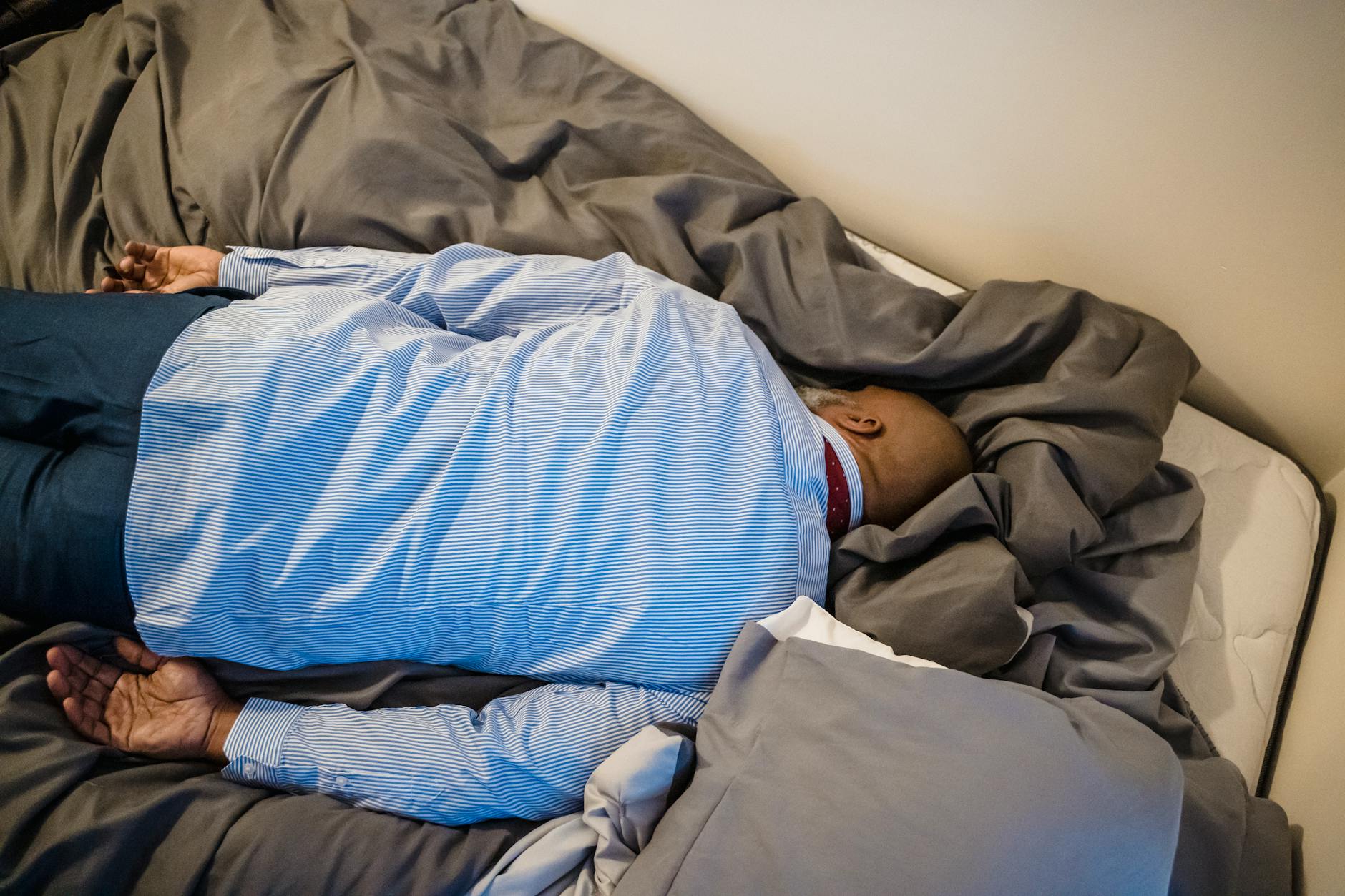
If you fall asleep fine but wake between 2-4 AM with racing thoughts and can't fall back asleep — cortisol is likely the culprit. This specific pattern (sleep onset fine, early morning wakening) is the classic signature of elevated nocturnal cortisol or abnormal cortisol rhythm. Understanding the re
Affiliate Disclosure: BetterVitals may earn a commission from purchases made through links in this article, at no additional cost to you. This supports our independent research and analysis. We only recommend products we believe in after thorough evaluation.
Medical Disclaimer
This article is for educational purposes only and is not a substitute for professional medical advice, diagnosis, or treatment. Always consult your healthcare provider before making health decisions.
Cortisol and Sleep: How Stress Hormones Sabotage Your Rest (And How to Fix It)
If you fall asleep fine but wake between 2-4 AM with racing thoughts and can't fall back asleep — cortisol is likely the culprit. This specific pattern (sleep onset fine, early morning wakening) is the classic signature of elevated nocturnal cortisol or abnormal cortisol rhythm. Understanding the relationship between cortisol and sleep architecture is one of the most practical tools for resolving stubborn insomnia.
The Cortisol Rhythm: How It's Supposed to Work
Cortisol follows a precise circadian pattern in healthy individuals:
- Peak: 6-9 AM (cortisol awakening response, CAR) — rises 50-100% within 30 minutes of waking to mobilize energy for the day
- Gradual decline: Throughout the day, reaching nadir around midnight
- Nadir: 12-3 AM — lowest point of the day, when deep sleep should be deepest
This rhythmic pattern is regulated by the suprachiasmatic nucleus (SCN) in the hypothalamus — your master circadian clock. The SCN times cortisol release to align with light/dark cycles: high cortisol = awake and alert; low cortisol = sleep-ready.
The problem: Modern life — artificial light at night, chronic psychological stress, poor sleep habits, irregular schedules, high caffeine intake — dysregulates this rhythm. Cortisol stays elevated too late into the evening (blunting sleep onset) or rises too early in the night (causing early awakening).
How Elevated Cortisol Disrupts Sleep Architecture
Cortisol disrupts sleep at multiple levels:
1. Sleep onset: Cortisol antagonizes melatonin. Both are regulated by the SCN, but in opposition — melatonin rises as cortisol falls. When evening cortisol is elevated, melatonin secretion is suppressed, delaying sleep onset. This is why chronically stressed people lie awake "tired but wired."
2. Deep sleep suppression: Slow-wave sleep (SWS) is strongly inhibited by cortisol. A 1997 study by Leproult et al. in Sleep found that cortisol infusion during the first half of sleep (when SWS should dominate) significantly reduced SWS and increased wake time.
3. Early morning awakening: The HPA (hypothalamic-pituitary-adrenal) axis accelerates cortisol production in the pre-dawn hours to prepare for waking. In high-stress or dysregulated individuals, this pre-dawn cortisol surge arrives too early (1-3 AM instead of 5-7 AM), causing premature awakening with difficulty returning to sleep.
4. REM fragmentation: Elevated cortisol suppresses REM-active brain regions. The emotionally processing function of REM sleep is impaired, which may explain why chronically stressed people struggle with emotional regulation — they're literally unable to process emotions during sleep.
Browse All Products
Explore our evidence-based product reviews across every health category.
Root Causes of Elevated Evening Cortisol
Understanding why your cortisol stays high at night enables targeted interventions:
Psychological/life stress: The most common driver. Work deadlines, financial anxiety, relationship strain, and unresolved cognitive load keep the HPA axis activated. Cortisol doesn't distinguish between a tiger and a difficult email — both trigger the same stress response.
Blue light and screen exposure at night: Light exposure at night (especially 480nm blue wavelengths from phones and screens) suppresses melatonin AND directly stimulates cortisol secretion via the retinohypothalamic tract. Using screens within 1-2 hours of bed is a documented sleep disruptor.
Caffeine late in the day: Caffeine's half-life is 5-6 hours. A 2pm coffee still has 25% of its caffeine circulating at midnight. Caffeine elevates cortisol directly by inhibiting adenosine receptors and indirectly through sympathomimetic effects.
Irregular sleep/wake times: The HPA axis calibrates cortisol timing to your habitual wake time. Sleeping in on weekends disrupts this calibration, causing "social jet lag" — effectively living in a different time zone part-time.
Overtraining: Intense exercise without adequate recovery chronically elevates cortisol. The expected post-exercise cortisol spike (normal and necessary) fails to resolve properly in overtrained athletes.
Low blood glucose overnight: Hypoglycemia triggers cortisol release as a glycemic rescue mechanism. People who fast aggressively or eat too little carbohydrate in the evening may experience cortisol-driven 3 AM wakening as glucose drops.
Evidence-Based Strategies to Lower Evening Cortisol
1. Ashwagandha (KSM-66) — Strongest Supplement Evidence
A 2019 RCT published in Medicine (n=60) found KSM-66 ashwagandha 300mg twice daily reduced serum cortisol by 27.9% vs. placebo over 8 weeks. The reduction in evening cortisol was the primary mechanism by which the intervention improved sleep quality. Use the KSM-66 extract at 300-600mg/day; effects require 4-8 weeks of consistent use.
2. Phosphatidylserine
Phosphatidylserine (PS) is a phospholipid that blunts exercise-induced cortisol spikes. A 2001 study in Nutritional Neuroscience found 400mg PS significantly reduced cortisol in response to mental stress. For post-workout cortisol elevation, 400-800mg PS around training has the best evidence. Now Foods produces an affordable, tested PS supplement.
3. Light Management
The most modifiable and powerful behavioral intervention. Strategies:
- Eliminate overhead LED lighting after sunset (use warm-toned lamps)
- Enable blue light filters on screens (Night Shift, f.lux)
- Use blue light blocking glasses if screen use after dark is unavoidable
- Get bright light exposure (ideally sunlight) within 30 minutes of waking — this advances the cortisol peak to the correct time and makes evening decline more complete
4. Sleep Timing Consistency
Fix wake time first, not sleep time. The SCN anchors cortisol rhythm to wake time. Wake at the same time 7 days/week (±30 minutes maximum) for 4-6 weeks and watch sleep quality improve as the HPA axis recalibrates.
5. Magnesium Glycinate
Magnesium modulates NMDA receptors and HPA axis activity. Deficiency (common — estimated 50-80% of adults in industrialized nations) impairs cortisol feedback regulation. 300-400mg magnesium glycinate in the evening has modest but real evidence for reducing evening cortisol via HPA modulation.
6. Evening Carbohydrate
For people experiencing cortisol-driven 3 AM awakening, a small carbohydrate meal (25-50g) 2-3 hours before bed can stabilize overnight glucose and reduce hypoglycemia-triggered cortisol surges. This is particularly relevant for athletes and people using time-restricted eating protocols.
Get smarter about health tech
Deal alerts, new reviews, and health tips — delivered weekly. No spam.
Unsubscribe anytime. We respect your inbox.
Testing Your Cortisol
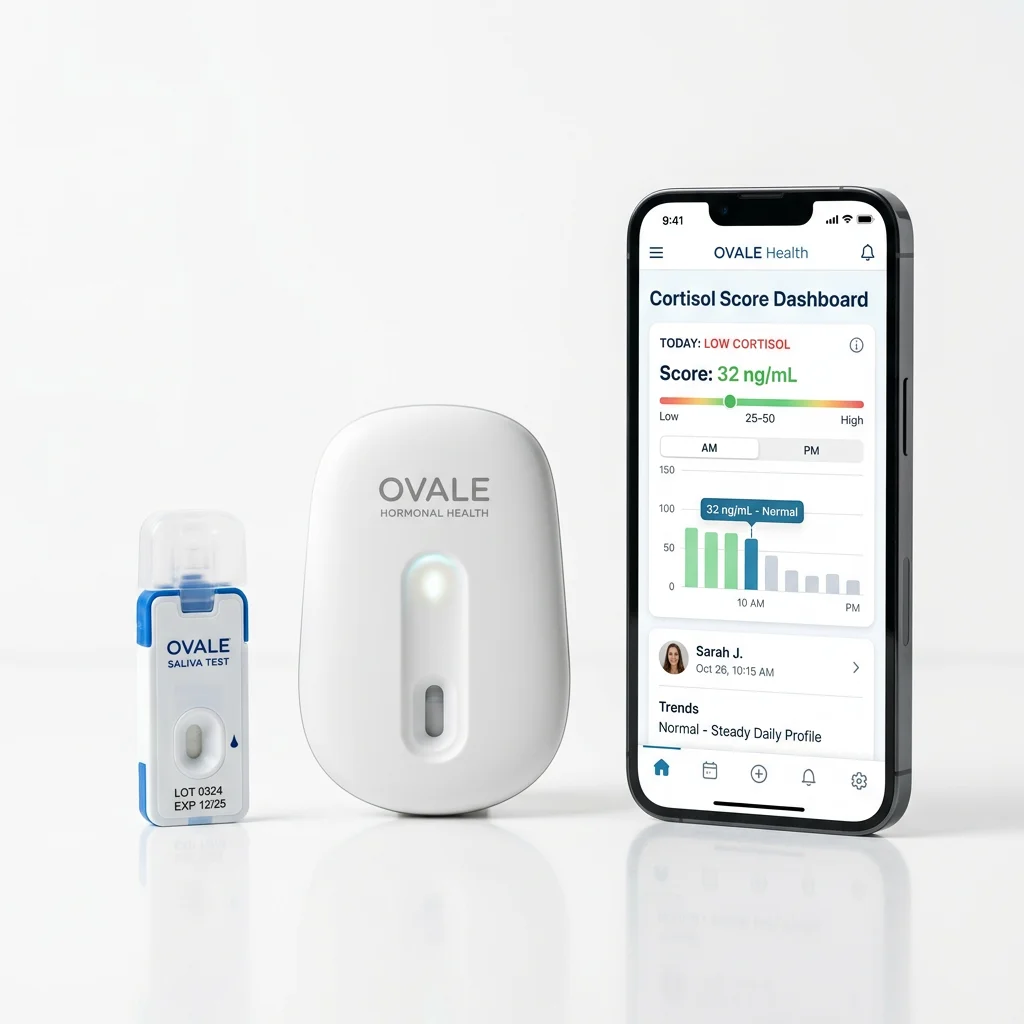
If you suspect cortisol dysregulation, four-point salivary cortisol testing provides the most informative snapshot. Unlike blood cortisol (single time point), four-point testing measures cortisol at wake, 30 minutes after wake (CAR), afternoon, and bedtime — mapping your daily rhythm.
Available through: Viome, Everly Health, or via functional medicine practitioners. Look for elevated bedtime cortisol (>0.5 ng/mL) or inverted rhythm (high at night, blunted morning CAR) as diagnostic indicators.
FAQ
How do I know if cortisol is causing my insomnia vs other causes?
Cortisol-driven insomnia has a characteristic pattern: you fall asleep adequately (within 30-45 minutes), but wake at 2-4 AM and can't return to sleep, often with rumination or anxiety. Sleep onset insomnia (lying awake for hours initially) is more associated with insufficient adenosine pressure or anxiety disorder. Early morning awakening with high-quality daytime energy despite interrupted sleep sometimes indicates elevated cortisol; with fatigue, it may indicate depression.
Will reducing stress automatically improve sleep?
Yes, but the timeline varies. Acute psychological stress (a short-term deadline) typically resolves within days once removed. Chronic HPA axis dysregulation — built up over months or years of sustained stress — takes weeks to months of consistent intervention to recalibrate. The biological system takes time to reset even after the stressor is removed.
Does exercise raise or lower cortisol?
Both — it depends on intensity and recovery. Moderate Zone 2 exercise slightly elevates then lowers cortisol, improving HPA axis regulation over time. High-intensity exercise creates a larger cortisol spike that may interfere with evening sleep if training occurs too late (within 3-4 hours of bed). Long-term regular exercise training improves cortisol regulation at both baseline and in response to stress.
Related guides: How to Lower Cortisol | Sleep and Longevity | Best Sleep Supplements
Updated March 2026
Featured Products
Products mentioned in this article

Related Guides
More articles you might find helpful
Best Bed Cooling Systems 2026: Eight Sleep vs Cheaper Alternatives
**Disclosure:** Product CTAs on this page currently go to manufacturer sites (no affiliate tracking yet). Better Vitals may earn a commission once partner links are live — rankings and "skip if" calls won't change when we swap URLs. We only recommend gear we'd put on a shortlist for a specific type
Is the Oura Membership Worth It in 2026? (And How to Skip It)
*Updated July 2026*
Oura Ring Price in 2026: Every Model, Subscription & Real Total Cost
*Updated July 2026*

Written by
Steve Luu
Health tech researcher