Best Sleep Supplements 2026: Evidence-Ranked Picks for Deeper, Faster Sleep
Key Takeaway
This is not medical advice. Consult your physician before starting any supplement, especially if you take medications.
Affiliate Disclosure: BetterVitals may earn a commission from purchases made through links in this article, at no additional cost to you. This supports our independent research and analysis. We only recommend products we believe in after thorough evaluation.
Medical Disclaimer
This article is for educational purposes only and is not a substitute for professional medical advice, diagnosis, or treatment. Always consult your healthcare provider before making health decisions.
Best Sleep Supplements 2026: Evidence-Ranked Picks for Deeper, Faster Sleep
This is not medical advice. Consult your physician before starting any supplement, especially if you take medications.
Poor sleep is an epidemic. The CDC estimates 1 in 3 American adults don't get enough sleep, and the consequences extend far beyond feeling groggy — chronic sleep deprivation raises cardiovascular disease risk by 48%, impairs glucose metabolism within days, and accelerates cognitive decline. Prescription sleep aids help, but they suppress rather than restore natural sleep architecture. The good news: a handful of non-habit-forming supplements have legitimate clinical evidence behind them.
This guide ranks the best sleep supplements by evidence quality, not marketing. You'll find what to take, what dose works, when to take it, and how to stack these compounds safely. We've deliberately excluded anything with inadequate human trial data or concerning safety signals.
Why Most Sleep Supplements Don't Work (and What Does)
The supplement industry has made billions selling products with minimal evidence for sleep. Valerian root, chamomile, passionflower — these are largely placebos with inconsistent study results. The supplements that actually move objective sleep metrics share a common thread: they work on well-established physiological pathways.
The Sleep Architecture Framework
Quality sleep means cycling through 4-5 sleep stages repeatedly, with adequate deep sleep (NREM stage 3) for physical restoration and REM for memory consolidation and emotional processing. The best sleep supplements extend these stages rather than just knocking you unconscious. Deep sleep is when your brain runs the glymphatic system — essentially washing out metabolic waste including amyloid beta, the protein that accumulates in Alzheimer's disease.
What Moves the Needle
Three mechanisms have the strongest evidence:
- GABA pathway modulation — L-theanine, glycine, and magnesium all support inhibitory neurotransmitter activity that quiets the nervous system
- Circadian signaling — Low-dose melatonin (0.1-0.5mg) signals the brain that it's nighttime without suppressing natural production
- Cortisol reduction — Ashwagandha (KSM-66) lowers evening cortisol, addressing a root cause of sleep-onset insomnia
What to Look for in Sleep Supplements
Form Matters: Glycinate Over Oxide
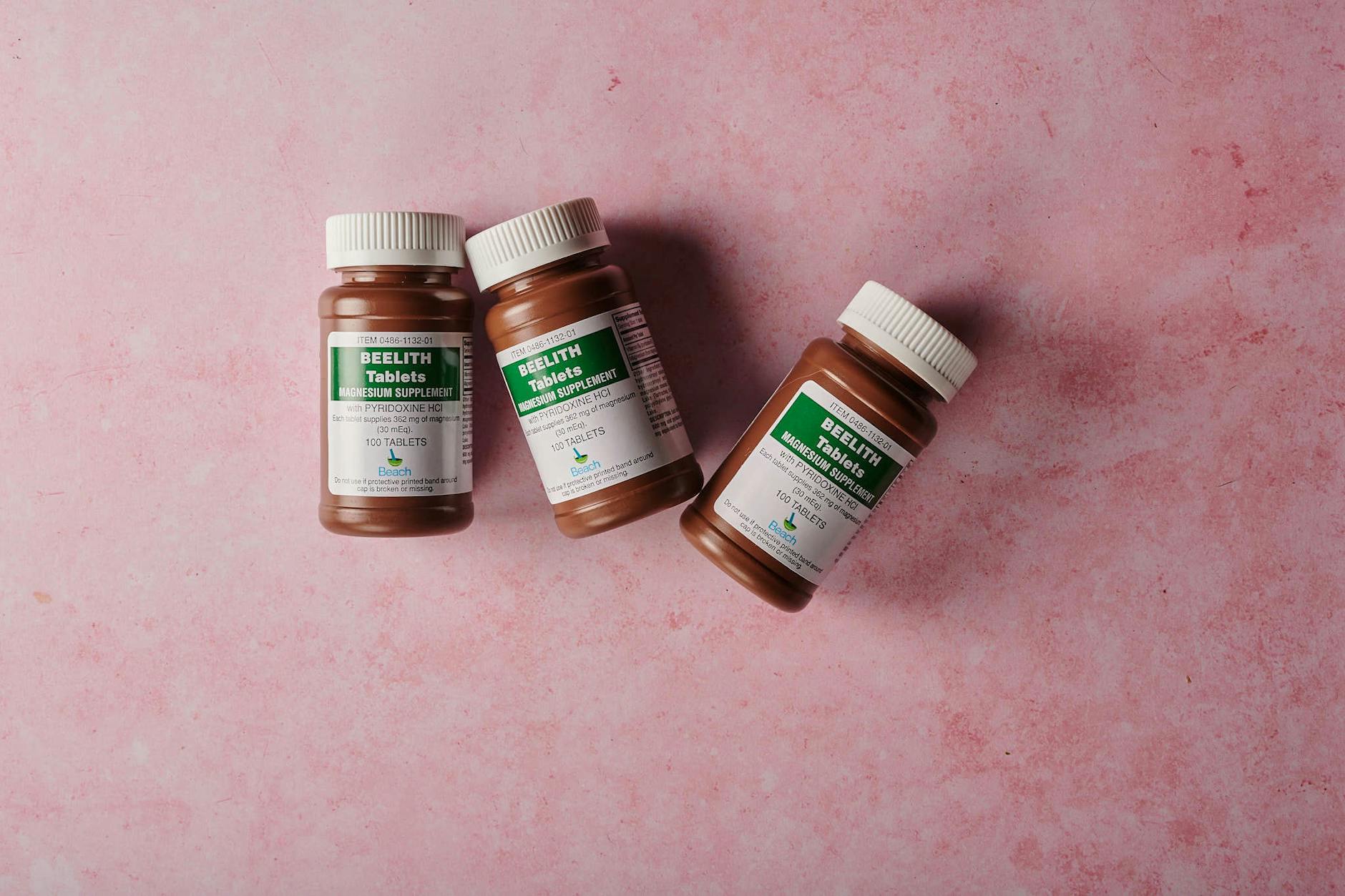
Magnesium comes in many forms. Magnesium oxide has roughly 4% bioavailability. Magnesium glycinate has ~40% bioavailability and specifically targets the nervous system via the glycine receptor. Magnesium L-threonate crosses the blood-brain barrier differently, potentially superior for cognitive benefits but with less sleep-specific research. Stick to glycinate for sleep.
Third-Party Testing Is Non-Negotiable
The FDA doesn't verify supplement claims before sale. Look for NSF Certified for Sport, USP Verified, or Informed Sport certification. These programs test for label accuracy (you're getting what it says), contaminants, and banned substances.
Dose Accuracy
Underdosing is a common supplement scam. Research-validated doses: magnesium glycinate 300-400mg, L-theanine 200mg, glycine 3g, ashwagandha KSM-66 300-600mg, melatonin 0.1-0.5mg (not the 5-10mg you see on shelves — more on this below).
Browse All Products
Explore our evidence-based product reviews across every health category.
Best Sleep Supplements of 2026
1. Thorne Magnesium Bisglycinate — Best Overall Sleep Supplement
Why it stands out: Magnesium glycinate has the strongest single-supplement evidence for sleep quality improvement. A 2012 randomized controlled trial in the Journal of Research in Medical Sciences (n=46, elderly subjects with insomnia) found that magnesium supplementation significantly improved sleep efficiency, sleep time, and early morning awakening. Thorne's formulation uses pharmaceutical-grade bisglycinate chelate at 200mg per 2-capsule serving, is NSF Certified for Sport, and has been independently tested for 700+ banned substances.
What we like:
- NSF Certified for Sport — highest purity standard
- Bisglycinate form maximizes absorption and minimizes GI issues
- No fillers, artificial colors, or flow agents
- Works synergistically with L-theanine and glycine
- Safe for long-term use — magnesium is an essential mineral, not a drug
What could be better:
- 200mg per serving is on the lower end — some people need 400mg; requires taking extra capsules
- More expensive than commodity magnesium (~$0.40/serving)
Best for: Anyone with insomnia, muscle tension at night, or high-stress lifestyles. The foundational sleep supplement to build a stack on. Available on Amazon and Thorne.com.
2. Momentous L-Theanine — Best for Racing Mind / Sleep Onset
Why it stands out: L-theanine, an amino acid found in green tea, promotes alpha-wave brain activity — the same relaxed-alert state achieved in meditation. A 2019 study in Nutrients found 200mg L-theanine improved self-reported sleep quality, sleep latency, and daytime function without morning grogginess. Unlike benzodiazepines, L-theanine doesn't cause dependency or impair sleep stages. Momentous uses fermented L-theanine (Suntheanine brand) at exactly 200mg per capsule, with Informed Sport certification.
What we like:
- Suntheanine fermented form — most studied version of L-theanine
- 200mg is the clinically validated dose
- Informed Sport certified
- Excellent stacked with magnesium glycinate (the combination is studied)
- Also reduces pre-bed anxiety without sedation
What could be better:
- Effects are subtle — best experienced as "less not falling asleep" rather than drowsiness
- Premium pricing vs commodity L-theanine
Best for: People who lie awake with a racing mind, anxiety-driven insomnia, or who want to enhance the calming effects of magnesium. Available on Amazon and Momentous.com.
3. Thorne Stress B-Complex — Best for Cortisol-Driven Insomnia
Why it stands out: B vitamins support the adrenal function and neurotransmitter synthesis pathways involved in regulating cortisol. Chronic elevated evening cortisol is a common but underdiagnosed driver of sleep-onset insomnia. This isn't a direct sleep supplement, but addressing cortisol dysregulation is foundational. Thorne's formula uses active methylated B vitamins (methylfolate, methylcobalamin) that are better utilized by people with MTHFR gene variants.
What we like:
- Active forms of all B vitamins — superior bioavailability vs synthetic versions
- NSF Certified for Sport
- Supports neurotransmitter production (serotonin, GABA)
- Addresses root cause rather than masking symptom
What could be better:
- Take in the morning (B vitamins can be stimulating if taken at night)
- Not a direct sleep aid
Best for: High-stress individuals, shift workers, or anyone whose cortisol test shows elevated evening levels. Available on Amazon.
4. Double Wood Supplements Glycine — Best Value Sleep Supplement
Why it stands out: Glycine is an amino acid that works as an inhibitory neurotransmitter, lowering core body temperature (a key trigger for deep sleep onset) and modulating NMDA receptors. A 2012 study in Sleep and Biological Rhythms found that 3g glycine before bed improved subjective sleep quality and reduced daytime sleepiness. Double Wood offers 3g per serving at extremely competitive pricing with third-party purity testing.
What we like:
- 3g per serving — exactly the studied dose
- Third-party tested for purity
- Very affordable (~$0.15/serving)
- Can be mixed into liquid — sweet, pleasant taste
- Mechanistically distinct from other sleep supplements (additive when stacked)
What could be better:
- Not NSF Certified for Sport
- Less brand recognition than premium options
Best for: Budget-conscious users, those building a sleep stack, or anyone wanting to test glycine without a large investment. Available on Amazon.
5. Momentous Melatonin 0.3mg — Best Melatonin Formulation
Why it stands out: Here's the melatonin dose most people get wrong. Pharmacy melatonin comes in 5-10mg doses — 10-33x what research suggests is optimal. A 2001 study in Sleep Medicine Reviews by MIT researcher Dr. Richard Wurtman showed that 0.3mg of melatonin restores physiological nighttime melatonin levels and improves sleep quality; higher doses don't improve sleep further and may blunt your natural melatonin production over time. Momentous produces a precisely dosed 0.3mg formulation — rare on the market.
What we like:
- 0.3mg dose — the research-optimal amount per Dr. Wurtman's work
- Informed Sport certified
- Helps with circadian reset (jet lag, shift work) at physiological doses
- Does not create dependency or suppress natural production at this dose
What could be better:
- Expensive per-dose vs pharmacy melatonin (though you're getting 10-33x less melatonin per dose intentionally)
- Takes 30-45 minutes to work — timing is important
Best for: Light sleepers, shift workers, jet lag recovery, and anyone who wants to use melatonin correctly. Take 30-45 minutes before target bedtime. Available on Momentous.com.
6. KSM-66 Ashwagandha (Thorne Botanicals) — Best for Cortisol + Sleep Quality
Why it stands out: KSM-66 is the most clinically studied ashwagandha extract, standardized to ≥5% withanolides. A 2019 randomized controlled trial in Medicine (n=60, adults with non-restorative sleep) found KSM-66 300mg twice daily significantly improved sleep quality, total sleep time, and morning alertness vs. placebo. Unlike most adaptogens, this study was double-blind and used validated sleep tracking. Thorne's formula uses the licensed KSM-66 extract at full dose.
What we like:
- KSM-66 — the specific extract studied in RCTs
- NSF Certified for Sport
- Dual benefit: reduces cortisol AND improves sleep architecture
- Consistent bioactive concentration (standardized extract)
- Also studied for anxiety reduction and cognitive function
What could be better:
- Takes 4-8 weeks for full benefit — not an acute sleep aid
- Contraindicated with thyroid conditions (has mild thyroid-stimulating effects)
- Should not be combined with sedative medications without physician guidance
Best for: High-cortisol, high-stress individuals whose sleep issues are rooted in anxious minds and elevated nighttime cortisol. Best taken in the evening. Available on Amazon.
The Science-Backed Sleep Stack Protocol
The most studied combination for sleep quality improvement:
30-60 minutes before bed:
- Magnesium glycinate: 200-400mg
- L-theanine: 200mg
- Glycine: 3g (can dissolve in water)
- Melatonin: 0.3mg (optional, particularly for circadian-related issues)
Daily (any time):
- Ashwagandha KSM-66: 300-600mg (if cortisol is a factor)
Why this stack works: Magnesium activates GABA receptors and reduces cortisol. L-theanine increases alpha wave activity. Glycine lowers core body temperature and reduces wake events. Together, these compounds address multiple sleep mechanisms simultaneously without drug-like sedation.
What to avoid stacking: Do not combine melatonin with benzodiazepines or sedative medications without physician oversight. High-dose melatonin (5-10mg) combined with these other supplements may cause excessive drowsiness.
Get smarter about health tech
Deal alerts, new reviews, and health tips — delivered weekly. No spam.
Unsubscribe anytime. We respect your inbox.
FAQ
Is it safe to take all these supplements together?
The stack above (magnesium glycinate, L-theanine, glycine, low-dose melatonin) has an excellent safety profile when taken at recommended doses. These are all either amino acids or essential minerals. Ashwagandha is the only compound with notable contraindications — avoid if you have thyroid disease, autoimmune conditions, or take sedative medications. Always disclose supplements to your physician.
Why not just take 10mg melatonin from the drugstore?
Pharmacological doses of melatonin (5-10mg) do not improve sleep quality beyond physiological doses. Research shows 0.1-0.5mg is sufficient to restore nighttime melatonin signaling. Higher doses may actually desensitize melatonin receptors over time and are associated with morning grogginess. The pharmacist-recommended 10mg "dose" is a marketing artifact, not a medical recommendation.
How long before I see results?
L-theanine and glycine work acutely — you may notice effects the first night. Magnesium glycinate typically shows effects within 1-2 weeks as your tissue stores replenish (most adults are deficient). Ashwagandha requires 4-8 weeks of consistent use. Melatonin works acutely for sleep timing but shouldn't be relied on nightly long-term.
Can I take sleep supplements if I'm already on prescription sleep medication?
No — not without talking to your prescribing physician. Many of these supplements potentiate the effects of sleep medications (especially L-theanine and magnesium with benzodiazepines or z-drugs). There's also a clinical opportunity here: some physicians help patients taper off prescription sleep aids using targeted supplement protocols.
Related guides: Best Magnesium Supplements for Sleep | Sleep and Longevity | Best Longevity Supplement Stack
Affiliate Disclosure: Better Vitals may earn a commission when you purchase through our links. Our recommendations are based on independent research and, where possible, hands-on testing. Your purchase supports our mission to deliver honest, science-backed health optimization content.
Featured Products
Products mentioned in this article
Related Guides
More articles you might find helpful
Best Bed Cooling Systems 2026: Eight Sleep vs Cheaper Alternatives
**Disclosure:** Product CTAs on this page currently go to manufacturer sites (no affiliate tracking yet). Better Vitals may earn a commission once partner links are live — rankings and "skip if" calls won't change when we swap URLs. We only recommend gear we'd put on a shortlist for a specific type
Is the Oura Membership Worth It in 2026? (And How to Skip It)
*Updated July 2026*
Oura Ring Price in 2026: Every Model, Subscription & Real Total Cost
*Updated July 2026*

Written by
Steve Luu
Health tech researcher