Cold Plunge vs Ice Bath: The Complete 2026 Comparison
Key Takeaway
Cold water immersion is one of the most evidence-backed recovery and health optimization protocols available. Norepinephrine increases of 300% within minutes of entering cold water, reduced muscle soreness, improved mood, and cold shock proteins that activate cellular repair pathways — the physiolog
Affiliate Disclosure: BetterVitals may earn a commission from purchases made through links in this article, at no additional cost to you. This supports our independent research and analysis. We only recommend products we believe in after thorough evaluation.
Medical Disclaimer
This article is for educational purposes only and is not a substitute for professional medical advice, diagnosis, or treatment. Always consult your healthcare provider before making health decisions.
Cold Plunge vs Ice Bath: The Complete 2026 Comparison
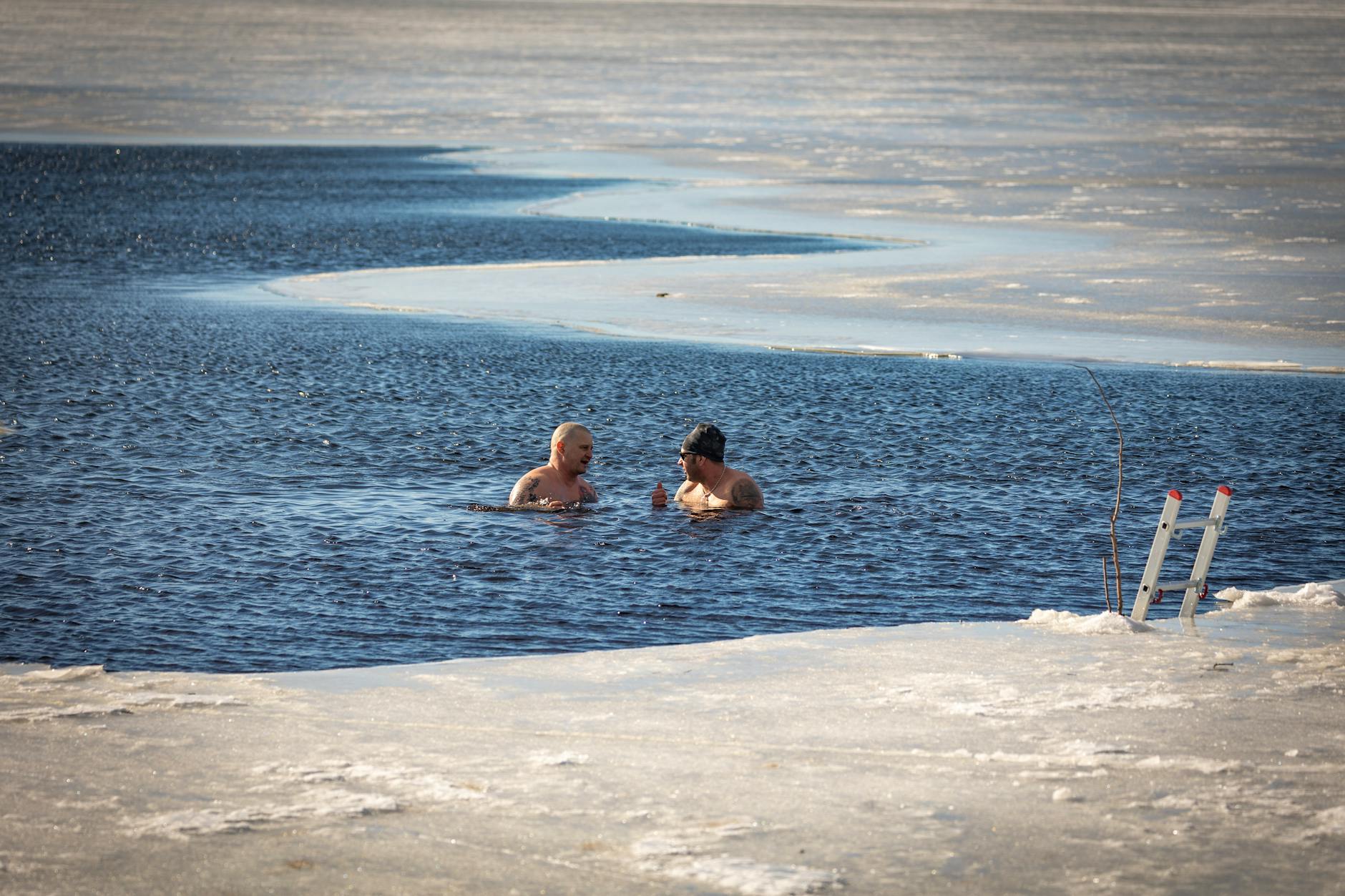
Cold water immersion is one of the most evidence-backed recovery and health optimization protocols available. Norepinephrine increases of 300% within minutes of entering cold water, reduced muscle soreness, improved mood, and cold shock proteins that activate cellular repair pathways — the physiology is compelling. The debate isn't whether cold therapy works. It's whether you need a dedicated cold plunge tub or whether a bag of ice and a chest freezer will do the same thing.
This guide gives you the honest cost-benefit analysis so you can make the right call for your situation, training schedule, and budget.
The Core Argument: Does the Delivery Method Matter?
No. Your cells don't know whether you're in a $4,500 Plunge Pro or a $200 stock tank filled with ice. The stimulus that drives physiological adaptation is water temperature and immersion duration, period. Cold shock proteins, norepinephrine response, and anti-inflammatory effects activate when core body temperature drops via cold water — not when you're in a specific vessel.
The practical question is: which method will you actually use consistently? Because the best cold immersion method is the one you do 3-5x per week for months.
Side-by-Side Comparison
| Factor | Dedicated Cold Plunge | DIY Ice Bath |
|---|---|---|
| Cost (setup) | $800-5,000+ | $50-300 |
| Temperature consistency | Precise (set to ±1°F) | Variable (melting ice) |
| Daily preparation time | < 1 minute | 10-20 minutes (buying/dumping ice) |
| Monthly operating cost | $10-30 (electricity) | $30-80 (ice bags) or $50-150 (chest freezer + electricity) |
| Hygiene | Built-in filtration/UV | Requires draining and refilling |
| Space required | Dedicated space (usually outdoors) | Chest freezer or bathtub |
| Temperature range | 40-60°F (achievable) | 40-55°F (achievable with ice/freezer) |
| Adherence | High (low friction) | Lower (daily ice prep friction) |
| Apartment-friendly | No | Yes (bathtub method) |
DIY Ice Bath Methods
Method 1: Bathtub + Ice
The most accessible option. Fill your bathtub with cold water, add 20-40 lbs of ice (approximately $6-12 from a convenience store or grocery), and get in. Water temperature achieves 50-58°F depending on starting tap temperature and ice quantity.
Pros: No equipment purchase, no space requirement, completely portable Cons: $10-20 per session in ice costs, messiness, variable temperature, ice sourcing logistics add friction
Best for: People testing cold therapy before committing to equipment
Method 2: Chest Freezer Conversion
A 7-15 cubic foot chest freezer ($150-300) with an inkbird temperature controller ($30) and an aquarium pump ($20) creates a consistently cold plunge for approximately $200-350 total. Set the controller to 50-55°F and you have a reliable cold plunge for $20-30/month in electricity.
Pros: One-time cost comparable to 3-6 months of ice; consistent temperature; long-term cost-effective Cons: Requires electricity, space, sanitation (add pool shock or bromine), less elegant than purpose-built plunges
Best for: Performance-oriented users who want consistent temperature control at budget pricing
Method 3: Stock Tank (Rubbermaid 150-gal)
A Rubbermaid 150-gallon agricultural stock tank ($200-350) filled with water and ice serves as a functional cold plunge. Add a pump for circulation, ice blocks or a chiller unit, and you have a wider, deeper immersion experience than a bathtub.
Best for: Garage or outdoor setups where appearance isn't a concern
Browse All Products
Explore our evidence-based product reviews across every health category.
Dedicated Cold Plunge Systems
The Case for Purpose-Built
The advantages of a dedicated cold plunge aren't about better outcomes — they're about consistent use. Chillers eliminate the need to buy ice. Built-in filtration keeps water clean without daily draining. The permanence creates a ritual. Behavioral science research consistently shows that reducing friction in habit formation dramatically increases consistency.
Top cold plunge systems:
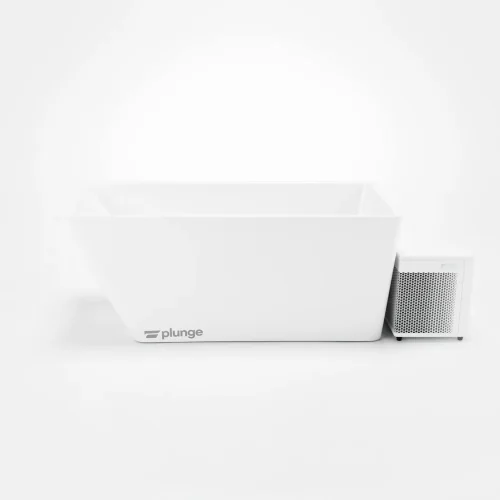
Plunge Pro ($4,500): The premium standard with a powerful chiller (reaches 39°F), built-in UV and ozone filtration, and stainless steel build. Used by elite athletes, coaches, and longevity practitioners. Available at plunge.com.
Ice Barrel 500 ($1,199): Barrel design allows upright immersion (physiologically more effective for full-body cold exposure). No chiller — uses cold water and ice, but the barrel design retains cold better than a bathtub. Good middle ground.
Renu Therapy Cold Stomp ($3,500): Industrial-grade chiller, stainless interior, excellent filtration. Built for daily commercial use. Quieter chiller than competitors.
BlueCube Cold Tub ($2,800-3,500): Popular among functional fitness communities. Commercial-grade chiller, all-stainless, 20-year lifespan. Best warranty in the category.
Optimal Cold Immersion Protocol (Works for Both Methods)
Research by Dr. Susanna Søberg (Nature Metabolism, 2021) found that 11 minutes per week of cold immersion was sufficient to activate brown adipose tissue and metabolic benefits in healthy adults. The specific protocol:
- Temperature: 50-59°F (10-15°C) — below this provides diminishing returns, above this is insufficient stimulus for most
- Duration: 2-4 minutes per session for recovery; 4-8 minutes for full physiological adaptation
- Frequency: 3-5 sessions per week
- Timing: Not immediately post-resistance training if muscle growth is the goal — a 2021 meta-analysis found cold water immersion within 1 hour post-strength training attenuates hypertrophy. Ideal for post-endurance training or separate from strength sessions by 4+ hours.
Get smarter about health tech
Deal alerts, new reviews, and health tips — delivered weekly. No spam.
Unsubscribe anytime. We respect your inbox.
Financial Decision Framework
If you'll do it 3-5x/week consistently: A chest freezer conversion ($200-350 total) or the Ice Barrel 500 ($1,199) offers the best value. Monthly ongoing cost is just electricity (~$15-25).
If you're testing cold therapy: Bathtub + ice first. If you stick with it for 4+ weeks, invest in equipment.
If you're a high-performance athlete or have a dedicated recovery space: Plunge Pro or BlueCube. The chiller reliability, filtration, and durability justify the premium for serious daily use.
Annual cost comparison:
- Bathtub ice (3x/week at $12/session): ~$1,872/year
- Chest freezer conversion: ~$330 first year, $180 subsequent years
- Dedicated plunge (chiller): $2,500-4,500 first year, $200-300/year ongoing
The math strongly favors the chest freezer for cost-conscious users. The math favors dedicated plunges for people who value friction reduction and long-term reliability.
FAQ
Does cold plunging after exercise hurt muscle gains?
Cold water immersion immediately after resistance training can blunt muscle hypertrophy, according to a 2015 study in the Journal of Physiology (Roberts et al.) and a 2021 meta-analysis in Sports Medicine. The mechanism: cold reduces the inflammatory signaling that drives muscle adaptation. If muscle building is your primary goal, separate cold immersion from strength training by at least 4-6 hours, or do it on separate days. Cold immersion after endurance training does not have this limitation.
What temperature should my cold plunge be?
Research shows benefits begin at temperatures below 59°F (15°C). The "sweet spot" for most people balancing stimulus and tolerability is 50-55°F (10-13°C). Below 45°F (7°C) provides minimal additional benefit and increases hypothermia risk. Start warmer (58-60°F) and gradually decrease over weeks of acclimation.
How long should each cold plunge session last?
For general health benefits (norepinephrine boost, mood, metabolic effects): 2-4 minutes per session. For recovery from athletic training: 5-10 minutes. Based on Søberg's research, 11 total minutes per week across sessions achieves the metabolic effects associated with cold thermogenesis.
Can I do an ice bath every day?
Daily cold immersion is practiced by many athletes. The primary consideration is timing relative to strength training (avoid immediately post-resistance training if hypertrophy is a goal). Cold immersion daily for endurance athletes, or at any time on non-strength-training days, appears safe and beneficial with no evidence of adaptation blunting with frequency.
Related guides: Cold Plunge Benefits: What the Science Says | Sauna vs Cold Plunge | Exercise and Longevity
Affiliate Disclosure: Better Vitals may earn a commission when you purchase through our links. Our recommendations are based on independent research and, where possible, hands-on testing.
Featured Products
Products mentioned in this article
Related Guides
More articles you might find helpful
Wonderfeel Youngr vs NOVOS Boost (2026): Which NMN Wins?
*Updated July 2026*
Most Accurate CGM in 2026: MARD Scores Compared (Every Sensor)
*Updated July 2026*
Dexcom Stelo vs Abbott Lingo (2026): Accuracy, Price, App Compared
*Updated July 2026*

Written by
Steve Luu
Health tech researcher