Best Glucose Meter 2026: Most Accurate, Easiest to Use, and Best Value
Key Takeaway
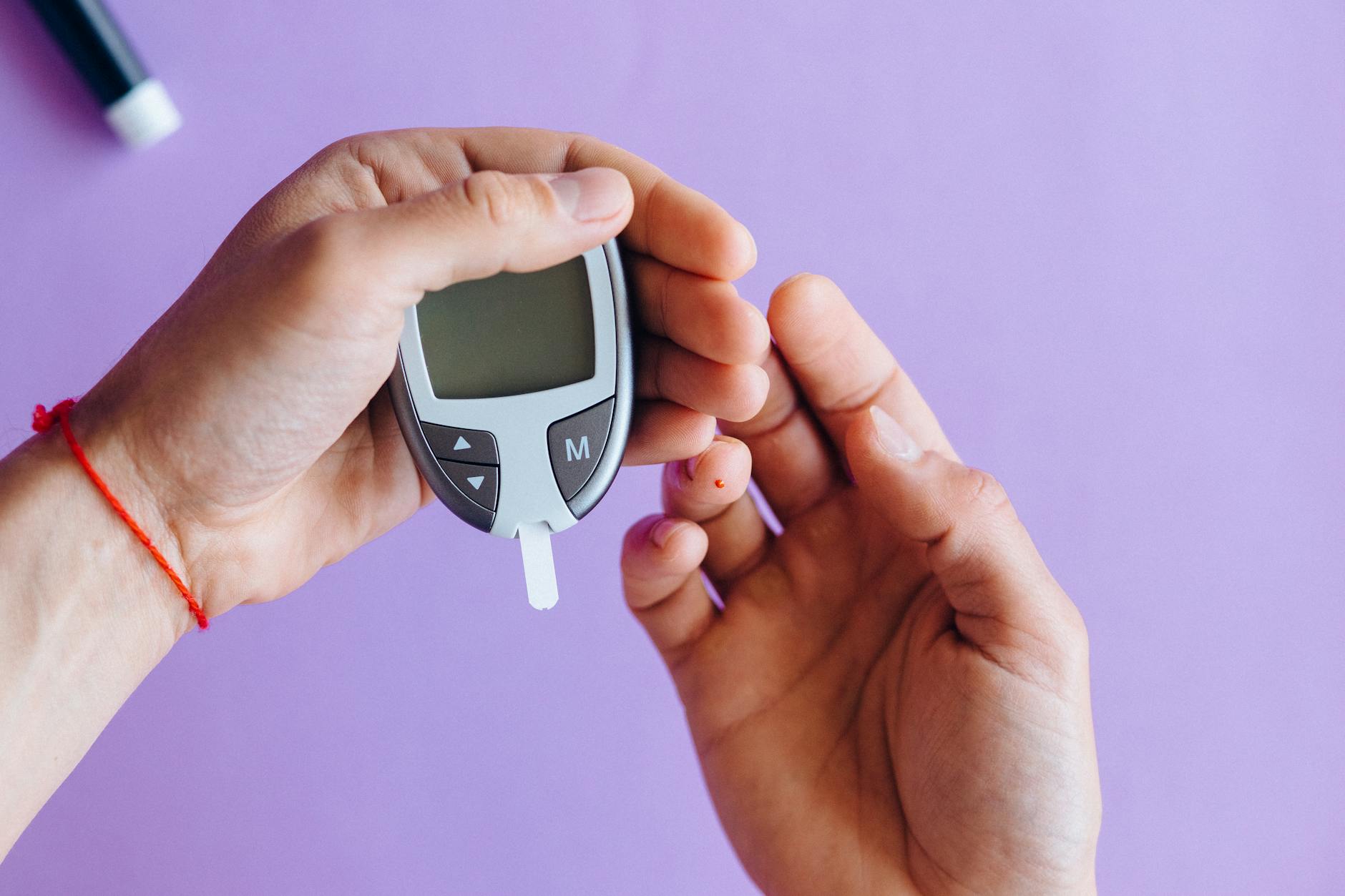
Blood glucose meters (BGMs) may look low-tech next to CGMs, but they remain the gold standard for point-in-time accuracy — and essential for the growing number of people using continuous glucose monitors who need periodic calibration checks. The FDA currently approves BGMs to ISO 15197:2013 standard
Affiliate Disclosure: BetterVitals may earn a commission from purchases made through links in this article, at no additional cost to you. This supports our independent research and analysis. We only recommend products we believe in after thorough evaluation.
Medical Disclaimer
This article is for educational purposes only and is not a substitute for professional medical advice, diagnosis, or treatment. Always consult your healthcare provider before making health decisions.
Best Glucose Meter 2026: Most Accurate, Easiest to Use, and Best Value
Blood glucose meters (BGMs) may look low-tech next to CGMs, but they remain the gold standard for point-in-time accuracy — and essential for the growing number of people using continuous glucose monitors who need periodic calibration checks. The FDA currently approves BGMs to ISO 15197:2013 standards requiring ±15% accuracy at glucose levels ≥100 mg/dL, but the best meters on the market consistently hit ±5-8% in independent testing.
Whether you're managing diabetes, spot-checking your fasting glucose, or calibrating a CGM reading that seems off, choosing the right meter matters more than most people realize. This guide ranks the best options by clinically validated accuracy, not marketing claims.
BGM vs CGM: When You Need Each
Continuous glucose monitors (CGMs) like the Dexcom G7 and Abbott Freestyle Libre 3 have revolutionized glucose monitoring for both diabetics and metabolic health-focused non-diabetics. But BGMs still have a critical role:
Use a BGM when:
- Confirming a CGM reading before a treatment decision (hypoglycemia symptoms)
- CGM is malfunctioning or showing a "check glucose" error
- You can't afford or don't need continuous monitoring
- You want a spot-check before meals or exercise
- Your CGM is in a warmup period
Use a CGM when:
- You want 24/7 trend data including overnight glucose patterns
- You're making real-time dietary changes based on glucose response
- You have type 1 diabetes or brittle glucose control
For most non-diabetics using glucose monitoring as a biometric tool, a BGM for baseline testing combined with periodic CGM wear cycles is the most cost-effective approach.
What to Look for in a Glucose Meter
ISO 15197:2013 Accuracy Standards
The current standard requires 95% of readings to fall within ±15% of laboratory reference values (for readings ≥100 mg/dL) or ±15 mg/dL (for readings <100 mg/dL). Top meters in independent studies regularly achieve ±5-8%. The Contour Next product line consistently tops accuracy testing by independent labs.
Strip Cost
This is where hidden costs live. Some meters are sold cheaply and recoup costs through proprietary test strip pricing. At 1-3 tests/day, you'll buy hundreds of strips per year. Compare strip prices, not meter prices.
Connectivity and Data
Bluetooth meters sync readings to smartphone apps for trending. This is particularly valuable for correlating glucose readings with meals, sleep, and activity data from other wearables.
Coding Requirements
Most modern meters are "no coding" — they automatically calibrate to each strip lot. Older systems requiring manual code entry are error-prone and should be avoided.
Browse All Products
Explore our evidence-based product reviews across every health category.
Best Glucose Meters of 2026
1. Contour Next One — Best Overall Accuracy
Why it stands out: In multiple independent accuracy studies, the Contour Next series outperforms competitors at both high and low glucose ranges. A 2018 study in the Journal of Diabetes Science and Technology tested 18 meters and found the Contour Next had the highest percentage of readings within ±10% of reference values. The Next One adds Bluetooth syncing to the free Contour Diabetes app with food and activity logging.
What we like:
- Highest accuracy in independent head-to-head testing
- Bluetooth syncing to iOS and Android
- Second-chance sampling — add more blood within 60 seconds if initial drop is insufficient
- 99-reading memory with date/time stamps
- Reasonable strip pricing (~$0.15-0.25/strip in bulk)
What could be better:
- App interface is functional but not elegant
- Strips slightly harder to find in some stores vs. OneTouch or FreeStyle
Best for: Anyone prioritizing accuracy above all else. Especially important for hypoglycemia management or CGM calibration. Available on Amazon.
2. FreeStyle Libre Precision Neo — Best CGM Calibration Companion
Why it stands out: For users of Abbott's FreeStyle Libre CGM series, using the same Abbott BGM technology for calibration checks is logical — the same glucose oxidase enzyme system minimizes systematic discrepancies between fingerstick and sensor readings. The Precision Neo also reads ketones with a separate strip, making it useful for keto diet monitoring.
What we like:
- Ketone testing capability (separate ketone strips)
- Same Abbott technology as FreeStyle Libre CGM
- No coding required
- Color-coded range indicators (green/yellow/red zones)
- Compact design with backlit display
What could be better:
- Strips are pricier than Contour Next
- Accuracy slightly below Contour Next One in head-to-head testing
- Ketone strips expensive relative to glucose strips
Best for: FreeStyle Libre CGM users wanting a compatible BGM, or anyone doing ketogenic diet monitoring who needs dual glucose/ketone testing. Available on Amazon.
3. OneTouch Verio Reflect — Best for Diabetes Management With Coaching
Why it stands out: The Verio Reflect adds a unique feature: the Blood Sugar Mentor, which analyzes patterns in your readings and provides personalized insights via the app — flagging patterns like consistent pre-meal highs or post-exercise lows. For newly diagnosed diabetics learning glucose patterns, this coaching layer is genuinely useful.
What we like:
- Blood Sugar Mentor pattern coaching via OneTouch Reveal app
- Syncs with Apple Health and Google Fit
- Color-coded in-range indicator on the meter itself
- Good accuracy (within ±10% in most studies)
- Large, easy-to-read display
What could be better:
- OneTouch strips are among the most expensive (~$0.50-0.75 without insurance)
- App can feel overwhelming with all features
- Accuracy not quite at Contour Next One level
Best for: Newly diagnosed diabetics who benefit from pattern recognition coaching, or people with insurance coverage for OneTouch strips. Available on Amazon.
4. Dario Smart Glucose Monitor — Best for All-in-One Smartphone Integration
Why it stands out: The Dario integrates directly into your smartphone's headphone jack (or via Lightning/USB-C adapter), using the phone as the meter's display. The app integrates with Apple Health, provides trend analysis, and allows sharing data directly with healthcare providers. No separate meter device to carry.
What we like:
- Smartphone-integrated — no separate device needed
- Excellent app with trend analysis and physician sharing
- Compact form factor — lancet device and strips all-in-one
- Good accuracy (within ±12% in studies)
- Remote monitoring capability for caregivers
What could be better:
- Requires phone to be present (dead battery = no readings)
- Strips among the most expensive without subscription plan
- Adapter compatibility issues with some phone cases
Best for: Tech-forward users who want seamless smartphone integration and data sharing with their care team. Available on Amazon and Dario Health.
5. True Metrix Air — Best Budget Option
Why it stands out: True Metrix offers solid ISO 15197:2013 compliant accuracy at the lowest strip pricing in the market (~$0.10-0.15/strip in bulk). Bluetooth connectivity is included. For frequent testers or those without insurance coverage for strips, the True Metrix Air hits acceptable accuracy at dramatically lower cost.
What we like:
- Lowest cost per strip of major brands
- Bluetooth connectivity included
- Triple-check accuracy system
- No coding required
- Available OTC at most pharmacies
What could be better:
- App less polished than competitors
- Accuracy at lower glucose ranges (<70 mg/dL) is slightly worse
- Less robust customer support vs. established brands
Best for: Uninsured or budget-conscious users who test frequently and prioritize strip cost over premium features. Available on Amazon and major pharmacies.
Optimal Glucose Targets (Non-Diabetic Reference)
For metabolic health monitoring in non-diabetics:
| Metric | Optimal | Acceptable | Concern |
|---|---|---|---|
| Fasting glucose | 70-85 mg/dL | 86-99 mg/dL | ≥100 mg/dL |
| 1hr post-meal peak | <140 mg/dL | 140-159 mg/dL | ≥160 mg/dL |
| 2hr post-meal | <120 mg/dL | 120-139 mg/dL | ≥140 mg/dL |
| Time in range (70-140) | >90% (with CGM) | 80-90% | <80% |
These are not diagnostic criteria — they're optimization targets. A single elevated reading is not concerning; patterns over weeks are.
Get smarter about health tech
Deal alerts, new reviews, and health tips — delivered weekly. No spam.
Unsubscribe anytime. We respect your inbox.
FAQ
How accurate are home glucose meters compared to lab tests?
FDA-approved meters must achieve 95% of readings within ±15% of a clinical laboratory standard (hexokinase method). Top meters like the Contour Next One consistently achieve 95% within ±10% in independent testing. For most monitoring purposes, this is clinically sufficient. For precise insulin dosing decisions, always verify with multiple readings or a lab draw.
How often should a non-diabetic check blood glucose?
There's no established protocol for healthy adults. A practical approach: test fasting glucose 3-5 mornings to establish baseline, then use a CGM for 2-4 weeks to understand your post-meal response patterns. After that, periodic BGM checks — perhaps weekly fasting glucose — is sufficient unless you're actively troubleshooting a specific dietary question.
Can glucose meters detect prediabetes?
A single fasting reading ≥100 mg/dL warrants attention but isn't diagnostic. The standard criteria for impaired fasting glucose (prediabetes) is two separate fasting readings ≥100 mg/dL, or an HbA1c of 5.7-6.4%. If you're seeing consistent fasting readings in this range, discuss with your physician and get a formal HbA1c test and potentially an oral glucose tolerance test.
Why does my glucose reading vary throughout the day?
Glucose fluctuates continuously based on meal timing, stress hormones (cortisol follows a circadian rhythm, raising glucose in the morning), exercise, sleep quality, and hydration. Comparing readings across different times of day is not meaningful — compare like-to-like: fasting glucose to fasting glucose, or 2-hour post-meal to 2-hour post-meal.
Related guides: Best CGM for Non-Diabetics | How to Regulate Glucose | Blood Work Biomarkers for Longevity
Affiliate Disclosure: Better Vitals may earn a commission when you purchase through our links. Our recommendations are based on independent research and, where possible, hands-on testing. Your purchase supports our mission to deliver honest, science-backed health optimization content.
Featured Products
Products mentioned in this article
Related Guides
More articles you might find helpful
Wonderfeel Youngr vs NOVOS Boost (2026): Which NMN Wins?
*Updated July 2026*
Most Accurate CGM in 2026: MARD Scores Compared (Every Sensor)
*Updated July 2026*
Dexcom Stelo vs Abbott Lingo (2026): Accuracy, Price, App Compared
*Updated July 2026*

Written by
Steve Luu
Health tech researcher