Best Knee Sleeves & Compression Gear for Recovery 2026
Key Takeaway
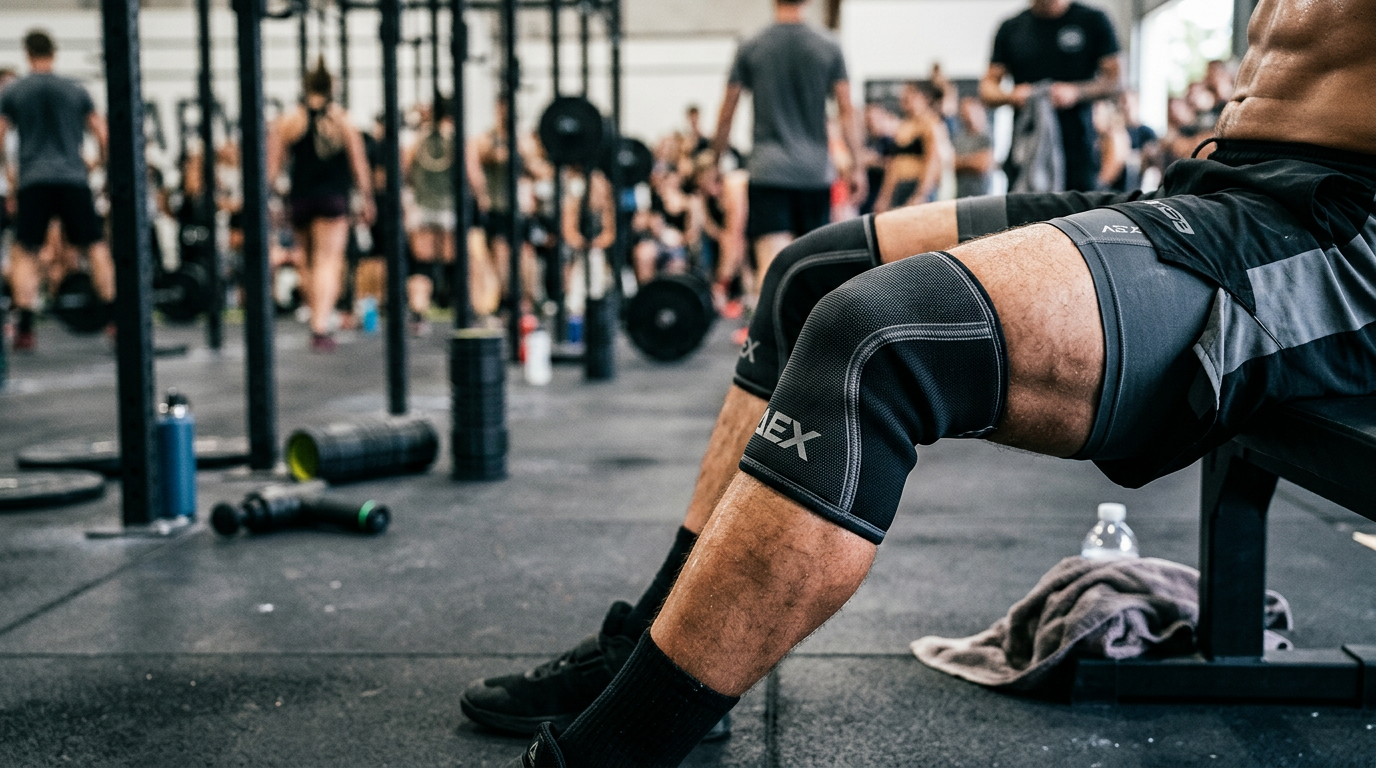
Compression gear occupies a strange space in the fitness world. Walk into any CrossFit gym and you'll see neoprene knee sleeves on every other athlete. Browse recovery forums and people swear their compression boots changed their life. But talk to a skeptical physical therapist and you might hear th
Affiliate Disclosure: BetterVitals may earn a commission from purchases made through links in this article, at no additional cost to you. This supports our independent research and analysis. We only recommend products we believe in after thorough evaluation.
Medical Disclaimer
This article is for educational purposes only and is not a substitute for professional medical advice, diagnosis, or treatment. Always consult your healthcare provider before making health decisions.
Best Knee Sleeves & Compression Gear for Recovery 2026
Compression gear occupies a strange space in the fitness world. Walk into any CrossFit gym and you'll see neoprene knee sleeves on every other athlete. Browse recovery forums and people swear their compression boots changed their life. But talk to a skeptical physical therapist and you might hear that you're just wrapping an expensive placebo around your joints. As with most things in wellness, the truth is more nuanced — and the nuance is worth understanding before you spend $30 on a knee sleeve or $600 on pneumatic compression boots.
Here's what we know for certain: compression is not one thing. A $12 drugstore knee brace, a 7mm neoprene powerlifting sleeve, and a full-leg pneumatic compression system are all "compression gear," but they work through fundamentally different mechanisms and serve fundamentally different purposes. Lumping them together would be like comparing a foam roller to a deep tissue massage — same general category, totally different experience and outcomes. If you're interested in the foam rolling comparison specifically, our foam rolling vs massage gun guide breaks that down in detail.
We spent eight weeks testing five of the most popular knee sleeves alongside compression sleeves and recovery boots, evaluating them for joint support, warmth, recovery benefit, durability, and comfort. This guide will help you pick the right compression gear for your specific needs — whether that's protecting your knees during heavy squats, speeding up recovery after a long run, or managing chronic joint discomfort.
Medical disclaimer: This article is for informational purposes only and does not constitute medical advice. If you have a diagnosed knee injury, blood clotting disorder, or circulatory condition, consult your physician before using compression products.
How Compression Works: The Science
Compression gear aids recovery and performance through several well-studied mechanisms. Understanding them will help you pick the right type for your goals.
Graduated Compression and Blood Flow
The most established science behind compression involves graduated compression — garments that are tighter at the extremities (ankle or wrist) and gradually loosen as they move toward the torso. This pressure gradient helps push venous blood back toward the heart, counteracting gravity. Medical-grade graduated compression stockings have been standard-of-care for preventing deep vein thrombosis for decades. The athletic version applies the same principle to recovery.
A 2017 meta-analysis published in Sports Medicine examined 23 studies on compression garments and found that wearing compression after exercise reduced markers of muscle damage (creatine kinase levels) and significantly decreased perceived muscle soreness at 24, 48, and 72 hours post-exercise. The effect wasn't enormous, but it was consistent and statistically significant across multiple studies.
Joint Warmth and Proprioception
Neoprene knee sleeves work differently from graduated compression. Their primary mechanisms are thermal retention and proprioceptive feedback. The neoprene traps body heat around the joint, increasing local blood flow and keeping synovial fluid warm and viscous. This matters because cold, stiff joints are more injury-prone — anyone who has squatted in an unheated garage in January understands this intuitively.
The proprioceptive benefit is arguably more important. A snug knee sleeve provides constant tactile feedback to your nervous system about where your knee is in space. A 2016 study in the Journal of Sports Science & Medicine found that knee sleeves improved joint position sense, which translates to better control during loaded movements. You don't feel your knee more, but your brain tracks it more precisely.
Pneumatic Compression
Pneumatic (air-based) compression devices like the NormaTec system take a more aggressive approach. Rather than providing constant passive compression, they sequentially inflate chambers from your feet upward, physically pushing fluid through your lymphatic system and venous network. Think of it as mechanized graduated compression — the same principle, applied with more force and precision. Our NormaTec 3 review covers this technology in depth.
A 2018 study in the International Journal of Sports Physiology and Performance found that pneumatic compression reduced muscle tenderness and improved range of motion recovery compared to passive rest. The research is promising, though the cost-to-benefit ratio is debatable for recreational athletes.
Best Knee Sleeves for Recovery: Our Top 5
We evaluated each sleeve on four criteria: support level, warmth and comfort, durability after repeated use, and value for money.
1. Rehband 7mm Original Knee Sleeve — Best Overall
Rehband is the knee sleeve that started the neoprene revolution in functional fitness. The 7mm version has been the gold standard in CrossFit and Olympic weightlifting for over a decade, and that reputation is well-earned.
What we like: The neoprene quality is noticeably superior to cheaper alternatives. The sleeve provides firm, even compression without bunching behind the knee. Warmth retention is excellent — within five minutes of putting it on, your knee feels noticeably warmer. The contoured design follows the natural anatomy of the joint, which means it stays in place during dynamic movements like cleans, snatches, and box jumps. Durability is outstanding; athletes regularly report 2–3 years of heavy use before the neoprene starts losing compression.
What we don't: The price. At roughly $45–50 per sleeve (sold individually, not in pairs), Rehband is the premium option. The sizing runs slightly small, so ordering up is common advice. The break-in period is real — the first week feels uncomfortably tight until the neoprene softens.
Best for: Serious lifters, CrossFit athletes, and anyone who prioritizes quality and durability over price.
2. SBD Knee Sleeves (7mm) — Best for Powerlifting
SBD has become the default competition-approved sleeve in powerlifting federations worldwide. These are IPF-approved, which matters if you compete.
What we like: The support level is the highest of any sleeve we tested. SBD's neoprene feels denser and more rigid than Rehband, providing a slight "rebound" effect out of the bottom of a squat. Many powerlifters report a small but real carryover to their squat numbers — perhaps 5–10 lbs for an intermediate lifter. The inner seam construction is exceptionally clean, minimizing skin irritation during high-rep sets.
What we don't: These are tight by design. Getting them on is a workout in itself — most lifters use plastic bags over their calves to help slide them up. They're less comfortable for general training or wearing during a full WOD. And at $90+ for a pair, they're the most expensive option on this list.
Best for: Competitive powerlifters and anyone focused primarily on heavy squatting.
3. Nordic Lifting Knee Sleeves (7mm) — Best Value
Nordic Lifting offers a remarkably solid sleeve at roughly half the price of Rehband or SBD.
What we like: For $30–35 per pair, the quality-to-price ratio is hard to beat. The neoprene is decent — not quite as dense as Rehband but significantly better than generic Amazon options. Warmth and compression are good for general training. The reinforced stitching has held up well through our testing period. They come in pairs, which should be the industry standard but somehow isn't.
What we don't: The neoprene stretches out faster than premium options. After about six months of regular use, you'll likely notice reduced compression. The sizing chart is inconsistent — we recommend measuring carefully and erring toward the smaller size if you're between sizes. The design is basic.
Best for: Recreational lifters, beginners, and anyone who wants a solid sleeve without the premium price tag.
4. Bear KompleX Knee Sleeves (5mm) — Best for Flexibility
Bear KompleX offers their sleeves in both 5mm and 7mm options, but the 5mm version fills a niche that the heavier sleeves can't — versatile, lightweight support for varied training.
What we like: The 5mm neoprene provides warmth and proprioceptive feedback without the restrictive feeling of a 7mm sleeve. This is ideal if your training includes running, jumping, climbing, or other movements where full knee flexion and comfort matter more than maximal support. The sleeve is easy to put on and take off. The interior lining wicks moisture well, reducing the swamp-knee feeling common with thicker sleeves.
What we don't: If you're squatting heavy, the 5mm thickness simply doesn't provide the same support as a 7mm option. Don't expect any rebound effect. The thinner neoprene also means less thermal retention.
Best for: Athletes who do mixed training — running, HIIT, functional fitness — and want warmth and proprioception without bulk.
5. Copper Fit Knee Sleeve — Best for Everyday Wear
Copper Fit sits at the intersection of compression gear and mass-market wellness products. The copper-infused claims are worth addressing directly.
What we like: The sleeve is comfortable for all-day wear — thin, breathable, and easy to pull on. The compression level is mild, making it suitable for walking, light exercise, or daily joint comfort. The price point (under $20) makes it accessible.
What we don't: Let's be frank about the copper claims. There is no credible scientific evidence that copper-infused fabric provides therapeutic benefits beyond what regular compression offers. A 2014 study in BMC Musculoskeletal Disorders found no difference between copper-infused and standard compression sleeves for arthritis pain. The copper is marketing, not medicine. The compression level is also too light for serious athletic use.
Best for: People who want mild everyday compression for comfort. Not recommended as a primary training sleeve.
Browse All Products
Explore our evidence-based product reviews across every health category.
Beyond Knee Sleeves: Compression Boots and Full-Leg Recovery
If knee sleeves are the entry point of compression gear, pneumatic compression boots are the deep end. Devices like the NormaTec 3 represent a different category entirely — active recovery tools that use sequential air compression to flush metabolic waste and reduce inflammation.
The price gap is significant: $200–400 for a quality pair of knee sleeves versus $500–1,000+ for pneumatic boots. Whether that investment makes sense depends on your training volume and recovery needs. Endurance athletes, people training twice daily, and those managing chronic inflammation tend to get the most value. Weekend warriors may find that simpler recovery methods — a good massage gun, stretching, proper sleep — deliver 80% of the benefit at 20% of the cost.
For a deep dive into whether pneumatic compression is worth it for you, check our NormaTec 3 review. And if you're curious about active muscle stimulation rather than passive compression, our guide to the best EMS suits covers a different approach — electrical muscle stimulation that triggers involuntary contractions for strength and recovery benefits.
How to Choose the Right Compression Gear
Choosing compression gear starts with clarifying what you actually need.
For heavy lifting (squats, deadlifts, cleans): Go with a 7mm neoprene sleeve. The thermal retention and proprioceptive feedback genuinely reduce injury risk during loaded movements. Rehband for general use, SBD if you're competing in powerlifting.
For mixed training and general fitness: A 5mm sleeve provides warmth and feedback without limiting your range of motion. Bear KompleX is our pick here.
For post-workout recovery: Graduated compression tights or sleeves worn for 1–3 hours after training have the best evidence base. Pneumatic boots are the premium option if budget isn't a constraint.
For chronic joint comfort: Mild compression sleeves for daily wear can provide comfort, but they're not a treatment for underlying conditions. If your knee pain is persistent, see a physical therapist or orthopedist — no sleeve replaces proper diagnosis. A cold plunge combined with compression can be an effective acute recovery strategy.
Sizing matters more than brand. A perfectly fitted mid-range sleeve will outperform a poorly fitted premium one. Measure your knee circumference at the center of the kneecap with your leg straight, and follow each brand's sizing chart precisely. When in doubt, go tighter — neoprene stretches with use, and a loose sleeve provides neither compression nor proprioceptive benefit.
Get smarter about health tech
Deal alerts, new reviews, and health tips — delivered weekly. No spam.
Unsubscribe anytime. We respect your inbox.
Care and Longevity Tips
Neoprene sleeves will develop an odor that could clear a locker room if you don't maintain them. Here's how to keep them functional and socially acceptable:
- Rinse after every use. Turn inside out and rinse with cold water immediately after training.
- Hand wash weekly. Use mild soap or a dedicated neoprene cleaner. Avoid machine washing — the agitation breaks down the neoprene.
- Air dry completely. Never put neoprene in a dryer. Hang them inside out in a ventilated area. Stuffing damp sleeves into your gym bag is how bacteria colonies form.
- Rotate pairs. If you train frequently, having two pairs and alternating extends the life of both.
FAQ
How tight should knee sleeves be?
Tight enough that you need to work them up over your calf, but not so tight that they cause numbness, tingling, or restrict blood flow. You should be able to fully bend and extend your knee. A new sleeve should feel snug — it will break in over the first 1–2 weeks. If you can easily slide it on with one hand, it's too loose.
Do knee sleeves help with knee pain?
Knee sleeves can reduce knee pain during activity by providing warmth, compression, and proprioceptive feedback. However, they don't treat the underlying cause of pain. If you have persistent knee pain, see a healthcare provider for a proper diagnosis. Using a sleeve to mask pain while continuing to load a damaged joint is a recipe for a worse injury.
Can I squat heavier with knee sleeves?
A well-fitted 7mm sleeve may add a small amount to your squat — typically 5–15 lbs for intermediate lifters — due to the elastic rebound effect of the neoprene. This is most pronounced with stiffer sleeves like SBD. However, sleeves are not wraps. The carryover is modest compared to knee wraps, which can add significantly more but are a different product category.
How often should I replace compression sleeves?
When the neoprene loses its elasticity and the sleeve feels noticeably looser than when new. For most athletes training 3–5 times per week, that's every 12–18 months for premium sleeves and 6–9 months for budget options. If the sleeve slides down during training, it's time to replace.
Are compression boots worth the money?
For serious endurance athletes, people training at high volumes, or those managing chronic recovery issues, compression boots can be a worthwhile investment. For recreational exercisers training 3–4 times per week, the evidence suggests that simpler recovery methods — sleep, nutrition, foam rolling, and massage guns — provide most of the recovery benefit at a fraction of the cost.
Is it safe to sleep in compression sleeves?
Generally, mild compression sleeves are safe for sleeping, though most people find them uncomfortable. Medical-grade graduated compression stockings are sometimes prescribed for overnight wear. However, avoid sleeping in thick neoprene athletic sleeves — the heat retention can cause skin irritation, and prolonged use without breaks isn't recommended. Consult a doctor if you're considering overnight compression for a medical condition.
Featured Products
Products mentioned in this article

Related Guides
More articles you might find helpful
Best Bed Cooling Systems 2026: Eight Sleep vs Cheaper Alternatives
**Disclosure:** Product CTAs on this page currently go to manufacturer sites (no affiliate tracking yet). Better Vitals may earn a commission once partner links are live — rankings and "skip if" calls won't change when we swap URLs. We only recommend gear we'd put on a shortlist for a specific type
Is the Oura Membership Worth It in 2026? (And How to Skip It)
*Updated July 2026*
Oura Ring Price in 2026: Every Model, Subscription & Real Total Cost
*Updated July 2026*

Written by
Steve Luu
Health tech researcher