Testosterone Optimization Guide: What Actually Works, What Doesn't, and When to See a Doctor
Key Takeaway
This is not medical advice. Testosterone is a controlled hormone. Any clinical testosterone therapy requires physician evaluation and ongoing monitoring.
Affiliate Disclosure: BetterVitals may earn a commission from purchases made through links in this article, at no additional cost to you. This supports our independent research and analysis. We only recommend products we believe in after thorough evaluation.
Medical Disclaimer
This article is for educational purposes only and is not a substitute for professional medical advice, diagnosis, or treatment. Always consult your healthcare provider before making health decisions.
Testosterone Optimization Guide: What Actually Works, What Doesn't, and When to See a Doctor
This is not medical advice. Testosterone is a controlled hormone. Any clinical testosterone therapy requires physician evaluation and ongoing monitoring.
Testosterone optimization is one of the most overhyped and under-understood areas of men's health. The internet is full of "boost T naturally" content that either overstates small effects or ignores the substantial lifestyle interventions with genuine clinical evidence. This guide cuts through that noise with an honest, ranked assessment of what actually moves testosterone — and where the evidence is weak.
Normal Testosterone Ranges (and Why "Normal" Isn't the Whole Story)
- Total testosterone reference range: roughly 264-916 ng/dL (adult men; varies by lab and assay)
- Free testosterone: roughly 5-21 ng/dL (varies by lab)
That reference range spans a wide physiological window. Where you fall within it — not merely whether you're "in range" — is what tends to track with energy, muscle mass, mood, and libido. That said, be cautious with the popular framing that everyone should chase the top of the range; symptoms, overall health, and a physician's interpretation matter more than a single high number.
What actually matters biologically: Free testosterone, the small fraction not bound to proteins, is the active portion. SHBG (sex hormone binding globulin) binds testosterone tightly, lowering free T. Elevated SHBG from chronic stress, alcohol, aging, or illness can produce low-testosterone symptoms even when total T looks "normal." This is why a full panel beats a single total-T value.
Get Baseline Testing First
Before trying to optimize testosterone, measure it. Testosterone follows a daily rhythm and is typically highest in the morning, so a morning blood draw (generally 7-10 AM) is standard. Because a single reading can be misleading, clinicians often confirm low results with a second morning test. A useful panel includes:
- Total testosterone (morning, fasting preferred)
- Free testosterone
- SHBG
- LH (luteinizing hormone) — helps distinguish a pituitary/hypothalamic cause (low LH) from a testicular cause (high LH)
- Estradiol (E2)
- CBC and a metabolic panel to assess overall health
Interpret results with a physician rather than self-diagnosing from an online range.
Lifestyle Interventions With Real Evidence
The interventions below are ordered roughly by impact and reliability. Notably, their biggest gains show up in men who start deficient or unhealthy; already-lean, well-rested men see smaller changes.
1. Resistance Training (Highest Impact)
Resistance training acutely and chronically supports testosterone. A 2012 review in Sports Medicine found that compound resistance exercise (squat, deadlift, bench press) produces the largest acute testosterone spikes, and consistent training over months supports healthier basal testosterone — particularly in previously sedentary men.
Protocol: 3-5 days/week of compound lifting, emphasizing large lower-body movements (squats, deadlifts, hip hinges). Training with meaningful effort matters — very light, low-effort volume doesn't produce the same hormonal response. Progressive overload and adequate recovery are the mechanisms that actually drive adaptation.
2. Prioritize Sleep (Underestimated Impact)
Testosterone is produced largely during sleep, especially deeper stages. A 2011 study in JAMA found that restricting healthy young men to about 5 hours/night for one week reduced daytime testosterone by roughly 10-15%. That's a large, rapid, and reversible effect from a single week of poor sleep.
Practical implication: Before optimizing any supplement, getting 7-9 hours of quality sleep is the most impactful and lowest-cost testosterone lever available. Consistent sleep/wake timing and limiting alcohol before bed both help.
3. Reduce Excess Body Fat (Especially Visceral)
Adipose tissue contains aromatase, the enzyme that converts testosterone to estradiol, and visceral fat is particularly aromatase-active. Men carrying excess visceral fat often have lower testosterone and higher estrogen, creating a self-reinforcing cycle. Losing excess fat consistently raises testosterone in overweight and obese men; a 2008 study found meaningful weight loss substantially increased total testosterone in obese men. For men already at a healthy body composition, further fat loss offers little additional benefit.
4. Reduce Chronic Stress
Cortisol, the body's primary catabolic stress hormone, suppresses testosterone production along the HPG axis. Chronic psychological stress sustains elevated cortisol and can chronically depress testosterone. The cortisol-testosterone relationship is well characterized, which is why stress management is a legitimate physiological intervention, not a soft add-on.
Interventions: Structured stress management (meditation, breathwork, therapy), workload boundaries, better sleep, and healthy relationships all reduce the chronic cortisol load.
5. Correct Key Nutrient Deficiencies
The theme here is correcting deficiencies, not mega-dosing. If your levels are already adequate, more won't help and may cause harm.
- Zinc: Required for testosterone synthesis and LH signaling; deficiency is linked to hypogonadism. Supplement only if deficient — excess zinc has its own toxicity and can impair copper status.
- Vitamin D: Acts like a hormone, with receptors in the testosterone-producing Leydig cells. A 2011 RCT in Hormone and Metabolic Research found vitamin D3 supplementation over 12 months increased total testosterone in vitamin D-deficient men. It is not useful if you're already sufficient.
- Magnesium: A 2011 study in Biological Trace Element Research found serum magnesium positively correlated with testosterone, with supplementation helping in deficient subjects.
What Doesn't Work Well
Generic "test-booster" supplements (Tribulus, DAA, ZMA without deficiency): Effect sizes in controlled trials are small to negligible and often not statistically significant. Not worth the cost when the fundamentals above can produce far larger changes.
Ashwagandha: A modest but real effect. A 2019 meta-analysis found standardized ashwagandha (KSM-66) produced a moderate increase in total testosterone in some studies of men over 8-16 weeks. Real, but smaller than the lifestyle levers, and results vary.
Fadogia agrestis: Insufficient human evidence. Popularized through podcast discussion of animal studies, it lacks replicated human RCTs and has unclear safety, including animal data raising possible organ-toxicity concerns. We can't recommend it.
"Estrogen blockers" and aromatase inhibitors sold OTC: Manipulating estradiol without medical guidance is risky — estrogen is essential for male bone health, libido, and cardiovascular function. Don't self-medicate hormones.
Browse All Products
Explore our evidence-based product reviews across every health category.
Common Mistakes
- Skipping baseline labs and guessing from symptoms alone.
- Chasing supplements before fixing sleep, training, and body fat — the order is backwards and wastes money.
- Interpreting one low reading as a diagnosis. Confirm with a repeat morning test.
- Mega-dosing nutrients that only help when you're deficient.
- Self-prescribing hormones or estrogen blockers bought online, bypassing the monitoring that makes therapy safe.
- Expecting overnight change. Meaningful shifts take weeks to months.
Realistic Expectations and Timelines
Acute post-exercise testosterone spikes happen within hours but don't by themselves define your baseline. Sustained improvements from better sleep, fat loss, and consistent training generally show up over roughly 4-12 weeks on repeat labs. Vitamin D's effect on testosterone in deficient men unfolds over about 3-6 months. Keep expectations grounded: lifestyle optimization can produce meaningful improvements, especially from a poor starting point, but it won't turn average physiology into the top of the range, and it can't overcome genuine clinical hypogonadism on its own.
When to Consider TRT (Testosterone Replacement Therapy)
Lifestyle optimization has limits. If you've genuinely addressed sleep, body composition, stress, resistance training, and nutrient deficiencies — and total testosterone remains persistently low (often cited around 300 ng/dL or below) alongside real symptoms — TRT may be appropriate. Diagnosis should rest on repeated morning labs plus symptoms, not a single number.
Symptoms consistent with clinical hypogonadism:
- Persistent low libido despite adequate sleep and stress management
- Erectile dysfunction
- Muscle loss despite consistent training and adequate protein
- Fatigue unresponsive to sleep optimization
- Persistently low mood
Who to see: A urologist or endocrinologist experienced in men's health. TRT carries genuine considerations — erythrocytosis (thickened blood), suppression of fertility, testicular shrinkage, and the need to monitor prostate health and hematocrit — so proper evaluation and ongoing lab monitoring are essential. Be wary of clinics that prescribe testosterone from symptoms alone, without comprehensive labs and follow-up. TRT is typically a long-term commitment, since the body downregulates its own production once therapy begins; that trade-off deserves a candid conversation with a qualified physician.
Get smarter about health tech
Deal alerts, new reviews, and health tips — delivered weekly. No spam.
Unsubscribe anytime. We respect your inbox.
Bottom Line
Most men chasing "higher T" will get far more from the unglamorous fundamentals — resistance training, 7-9 hours of sleep, losing excess visceral fat, managing chronic stress, and correcting actual nutrient deficiencies — than from any supplement on the market. These levers are most powerful for men starting from a poor baseline. Test before you optimize, confirm low results with a physician, and treat generic test-boosters with skepticism. If well-executed lifestyle changes and repeat labs still show low testosterone alongside real symptoms, that's the moment to see a urologist or endocrinologist about TRT — a legitimate medical therapy that demands proper diagnosis and monitoring, not a shortcut. See our affiliate disclosure for how we evaluate the products we mention.
FAQ
What age do testosterone levels start declining?
On average, testosterone declines gradually — often cited at roughly 1-2% per year beginning around age 30-40 — so that average levels in older men are considerably below peak. This decline is not fully inevitable: lean, well-trained, low-stress men tend to show slower declines than population averages, underscoring how much lifestyle contributes.
Does masturbation or abstinence affect testosterone?
The effect is minimal and clinically unimportant. Short-term abstinence may produce a small, transient acute change in one study, but there's no evidence of a meaningful lasting effect on testosterone levels. Focus your energy on the interventions with real effect sizes.
How long until lifestyle changes affect testosterone?
Acute post-exercise spikes occur within hours, but durable improvements from sleep, fat loss, and consistent training typically take 4-12 weeks to show on labs. Vitamin D's effect in deficient men develops over about 3-6 months. Retest after a sustained effort, not after a few days.
Can I raise testosterone without medication?
Yes, often meaningfully — especially if you're sedentary, sleep-deprived, carrying excess body fat, chronically stressed, or nutrient-deficient. The catch is that natural optimization works within your physiology; it improves a suboptimal baseline but cannot replace testosterone in true clinical hypogonadism. Set expectations accordingly.
Is TRT safe?
For appropriately diagnosed men under medical supervision, TRT is an established therapy with a manageable risk profile. But it carries real considerations — raised red-blood-cell count, fertility suppression, and the need to monitor prostate and cardiovascular health — that require ongoing lab work. It's generally a long-term commitment because the body reduces its own production once you start. Only a qualified physician can weigh these trade-offs for you.
Should I worry about my estrogen if I'm optimizing testosterone?
Estrogen (estradiol) is essential for male health — bone density, libido, mood, and cardiovascular function all depend on it. Chasing "low estrogen" or using over-the-counter aromatase inhibitors can backfire badly. Estradiol should only be adjusted, if ever, under a physician's guidance based on labs and symptoms.
Related guides: Best Testosterone Supplements | Blood Work Biomarkers for Longevity | Exercise and Longevity
Updated March 2026
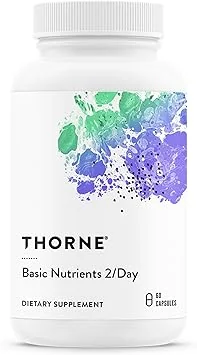
Featured Products
Products mentioned in this article
Related Guides
More articles you might find helpful
Best Bed Cooling Systems 2026: Eight Sleep vs Cheaper Alternatives
**Disclosure:** Product CTAs on this page currently go to manufacturer sites (no affiliate tracking yet). Better Vitals may earn a commission once partner links are live — rankings and "skip if" calls won't change when we swap URLs. We only recommend gear we'd put on a shortlist for a specific type
Is the Oura Membership Worth It in 2026? (And How to Skip It)
*Updated July 2026*
Oura Ring Price in 2026: Every Model, Subscription & Real Total Cost
*Updated July 2026*

Written by
Steve Luu
Health tech researcher