Creatine vs Beta-Alanine: Which Performance Supplement Is Right for You?
Key Takeaway
Creatine and beta-alanine are two of the most research-backed performance supplements available — and they're frequently stacked together in pre-workouts. But they work through entirely different mechanisms, benefit different types of exercise, and have different evidence bases. Understanding which
Affiliate Disclosure: BetterVitals may earn a commission from purchases made through links in this article, at no additional cost to you. This supports our independent research and analysis. We only recommend products we believe in after thorough evaluation.
Medical Disclaimer
This article is for educational purposes only and is not a substitute for professional medical advice, diagnosis, or treatment. Always consult your healthcare provider before making health decisions.
Creatine vs Beta-Alanine: Which Performance Supplement Is Right for You?
Creatine and beta-alanine are two of the most research-backed performance supplements available — and they're frequently stacked together in pre-workouts. But they work through entirely different mechanisms, benefit different types of exercise, and have different evidence bases. Understanding which fits your training prevents buying supplements that don't match your physiology.
Quick Verdict
For strength training, powerlifting, and explosive power: Creatine wins. Hundreds of studies over five decades make creatine the most validated ergogenic supplement in existence.
For high-intensity endurance work (2-10 minute efforts): Beta-alanine may provide meaningful benefit. Cycling, rowing, swimming intervals, CrossFit-style workouts, and 800m-5K running benefit from increased muscle carnosine.
For most people: Take creatine. If you train with sustained high-intensity intervals lasting 2-10 minutes, consider adding beta-alanine.
How They Work: Different Systems
Creatine: ATP Regeneration
Creatine increases stored phosphocreatine in muscle tissue. During maximal effort (under about 10 seconds), phosphocreatine donates a phosphate group to regenerate ATP from ADP. More stored creatine means more capacity for high-intensity work, which means more total volume in strength training, which means more muscle over time.
Think of phosphocreatine as a rapid-access battery for your muscles. It doesn't make you stronger in a single rep directly; it lets you squeeze out an extra rep or two and recover faster between hard sets. Over weeks and months, that added training volume is what drives measurable gains in strength and lean mass.
Best for: Heavy lifting, sprinting, HIIT, any maximal effort lasting 1-10 seconds.
Beta-Alanine: Hydrogen Ion Buffering
During sustained high-intensity exercise (2-10 minutes), acidic hydrogen (H+) ions accumulate and impair muscle contraction — this is a large part of the "burn" you feel. Beta-alanine is a precursor to carnosine, a dipeptide that acts as an intramuscular pH buffer. Higher carnosine levels delay acidification and allow higher output at threshold.
Beta-alanine is the rate-limiting building block for carnosine, which is why supplementing it — rather than carnosine directly — is the effective strategy. You are slowly raising the ceiling of your muscles' internal buffering capacity.
Best for: 800m running, rowing, cycling intervals, CrossFit metcons, kickboxing rounds, and swimming events.
Side-by-Side Comparison
| Factor | Creatine Monohydrate | Beta-Alanine |
|---|---|---|
| Mechanism | ATP regeneration via phosphocreatine | Carnosine precursor (pH buffering) |
| Evidence base | Hundreds of studies, ISSN position stand | Robust meta-analyses |
| Effective dose | 3-5g/day | 3.2-6.4g/day (split dosing) |
| Timeline to effect | 3-4 weeks (full saturation) | 4-12 weeks (carnosine loading) |
| Main side effect | Mild initial water retention (intracellular) | Paresthesia (harmless tingling at high doses) |
| Best workout type | Strength, power, sprints | Sustained high-intensity (2-10 min) |
| Cognitive benefits | Emerging evidence | Limited |
| Safe long-term | Strong long-term safety record | Appears safe; less long-term data |
| Cost per month | $10-25/month | $15-30/month |
How to Dose and Time Each One
Creatine Protocol
There are two valid approaches:
- Loading (faster): 20g/day split into 4 doses of 5g for 5-7 days, then 3-5g/day maintenance. This saturates muscle stores in about a week.
- No-load (simpler): 3-5g/day from the start. You reach the same saturation, it just takes roughly 3-4 weeks.
Timing barely matters for creatine because the benefit comes from saturated muscle stores, not an acute pre-workout hit. Take it whenever you'll remember it consistently — daily consistency is what counts. Taking it with a meal containing carbs or protein may modestly aid uptake, but the effect is small. Dissolve it in warm water or juice if you notice grit.
Beta-Alanine Protocol
Beta-alanine works by gradually loading muscle carnosine, so, like creatine, the daily total matters far more than timing. Aim for 3.2-6.4g/day, but split into smaller doses of roughly 0.8-1.6g taken a few hours apart. Splitting reduces the tingling sensation (paresthesia) and keeps blood levels steadier. Sustained-release forms allow larger single doses with less tingling.
There is no need to time beta-alanine around your workout — the carnosine is already stored in the muscle from weeks of consistent dosing.
Do You Need to Cycle Either One?
No. Neither creatine nor beta-alanine requires cycling. The old idea that you must cycle creatine to keep your body responsive is a myth — your body does not stop producing its own creatine in any harmful way, and stores simply return to baseline if you stop. Beta-alanine likewise does not need a break; carnosine slowly declines over several weeks if you discontinue, so continuous use maintains the benefit.
Browse All Products
Explore our evidence-based product reviews across every health category.
Who Should Take Creatine
- Anyone doing resistance training or strength sports
- Sprinters and power athletes
- Vegetarians and vegans (naturally lower creatine stores from diet)
- Adults over 50 (emerging evidence for muscle preservation and cognitive support)
- Essentially anyone exercising who wants to maximize training volume
Who should be cautious: People with existing kidney disease should consult a physician before use. In healthy people, creatine has not been shown to harm kidney function, but a slightly elevated creatinine reading on bloodwork is common and expected — tell your doctor you supplement so results aren't misread.
Who Should Take Beta-Alanine
- Competitive endurance athletes in events lasting 2-10 minutes
- CrossFit athletes with high-intensity conditioning components
- Combat sports athletes (rounds lasting 3-5 minutes)
- Cyclists and rowers doing threshold intervals
- Not marathon runners or ultra-endurance athletes — efforts well beyond 10 minutes see diminishing returns because buffering is no longer the limiting factor
Common Mistakes to Avoid
- Expecting instant results. Both supplements load over weeks. If you judge them after two workouts, you'll wrongly conclude they don't work.
- Chasing fancy creatine forms. Monohydrate is the most studied and cheapest. HCl, buffered, and liquid versions cost more without proven advantage.
- Stopping creatine because of scale weight. Early weight gain is intracellular water in muscle, not fat.
- Under-dosing beta-alanine. A tiny sprinkle in a pre-workout blend is often below the effective daily total. Check the label.
- Taking beta-alanine for the wrong sport. It does little for pure one-rep-max strength or long steady-state cardio.
What to Look For When Buying
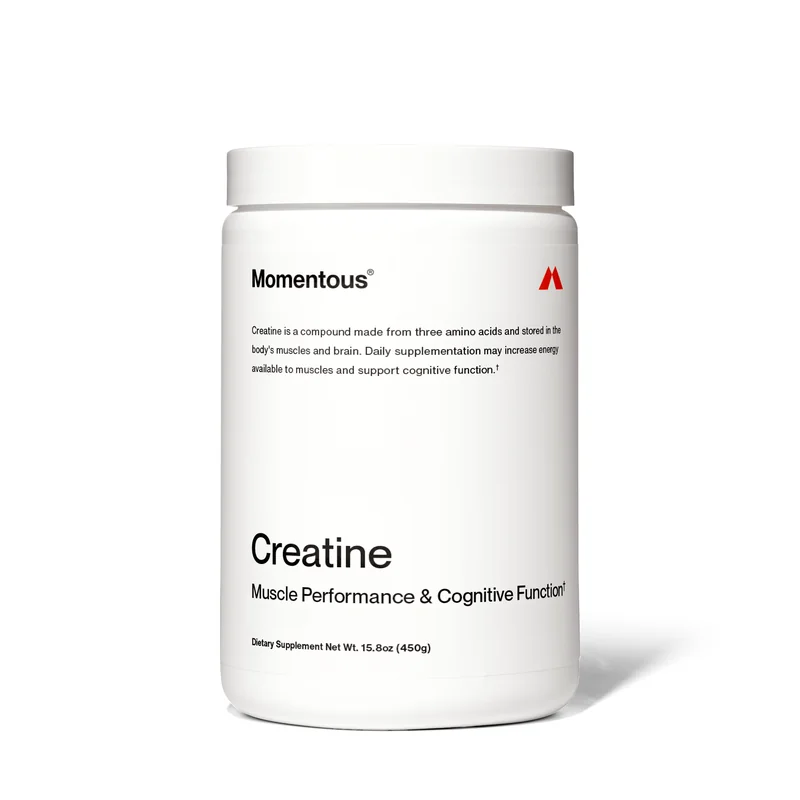
For creatine, look for plain creatine monohydrate, ideally third-party tested. Creapure is a well-regarded branded raw material if your budget allows, but any reputable monohydrate works. Avoid proprietary blends that hide the dose.
For beta-alanine, look for a clearly stated dose per serving so you can hit 3.2-6.4g/day. CarnoSyn is the branded, patented form used in much of the research. Sustained-release versions help if tingling bothers you.
Because supplements are loosely regulated, third-party certification (NSF Certified for Sport, Informed Sport, or USP) matters — especially for competitive athletes subject to drug testing. See our affiliate disclosure and testing standards.
Get smarter about health tech
Deal alerts, new reviews, and health tips — delivered weekly. No spam.
Unsubscribe anytime. We respect your inbox.
Realistic Expectations and Timelines
Creatine typically produces noticeable improvements in training capacity and a few pounds of scale weight (water and, over time, muscle) within 3-4 weeks. It is not a stimulant — you won't "feel" it the way you feel caffeine.
Beta-alanine's benefit is subtler and slower, appearing over 4-12 weeks as carnosine accumulates. The improvement shows up as being able to hold a hard pace slightly longer before fatigue, not as a dramatic surge of energy. Neither supplement replaces good programming, sleep, and protein intake — they are amplifiers of consistent training, not substitutes for it.
Should You Stack Them?
Yes. They work via completely different mechanisms with no negative interactions. A 2012 study by Hoffman et al. in Amino Acids found creatine plus beta-alanine combined led to greater improvements in strength, power, and lean mass compared to either alone in football players.
Simple stack: 5g creatine monohydrate daily (any time) plus 3.2-6.4g beta-alanine daily in 800mg-1.6g split doses (to minimize paresthesia). Both can be added to a pre-workout shake.
Bottom Line
If you can only take one, take creatine — it is the most validated performance supplement available and benefits nearly every training style. Add beta-alanine only if your sport lives in that 2-10 minute high-intensity window. Both are inexpensive, well-tolerated, and load over weeks rather than days, so consistency beats timing. Buy plain, third-party-tested forms, ignore marketing gimmicks, and give each at least a month before judging results.
FAQ
Does beta-alanine tingling mean it's working?
The tingling (paresthesia) is a harmless side effect from beta-alanine activating sensory neurons, not an indicator of efficacy. Split doses of 800mg-1.6g every few hours reduce paresthesia. Some extended-release formulas also minimize it. Carnosine levels rise regardless of whether you feel the tingling.
Can women take creatine and beta-alanine?
Yes. Both are equally effective in women. Women tend to have naturally lower baseline carnosine levels than men, potentially making beta-alanine more impactful. See our detailed guide on creatine for women.
What's the best form of each supplement?
For creatine: creatine monohydrate (specifically Creapure if budget allows). Avoid novel forms (creatine HCl, Kre-Alkalyn) — they're more expensive with no proven advantage. For beta-alanine: regular beta-alanine powder or sustained-release CarnoSyn if paresthesia is a concern.
Will creatine make me look bloated?
Creatine pulls water into muscle cells, not under the skin, so most people look fuller rather than bloated. Any transient stomach discomfort usually comes from taking too large a single dose on an empty stomach; splitting the dose or taking it with food resolves it.
Can I take creatine on rest days?
Yes, and you should. The goal is keeping muscle stores saturated, which depends on your daily intake, not on whether you trained. Take your maintenance dose every day, workout or not.
Is it safe to take these long term?
Creatine has one of the longest safety records of any sports supplement and is well tolerated for years of continuous use in healthy adults. Beta-alanine appears safe in studies to date, though it has less long-term data. Anyone with kidney disease, or who is pregnant or nursing, should consult a physician first.
Related guides: Best Creatine Supplement | Best Longevity Supplement Stack | Exercise and Longevity
Affiliate Disclosure: Better Vitals may earn a commission when you purchase through our links. Our recommendations are based on independent research and, where possible, hands-on testing.
Featured Products
Products mentioned in this article
Related Guides
More articles you might find helpful
Wonderfeel Youngr vs NOVOS Boost (2026): Which NMN Wins?
*Updated July 2026*
Most Accurate CGM in 2026: MARD Scores Compared (Every Sensor)
*Updated July 2026*
Dexcom Stelo vs Abbott Lingo (2026): Accuracy, Price, App Compared
*Updated July 2026*

Written by
Steve Luu
Health tech researcher