Mitopure vs NAD+ Boosters (2026): Urolithin A or NMN/NR?
Key Takeaway
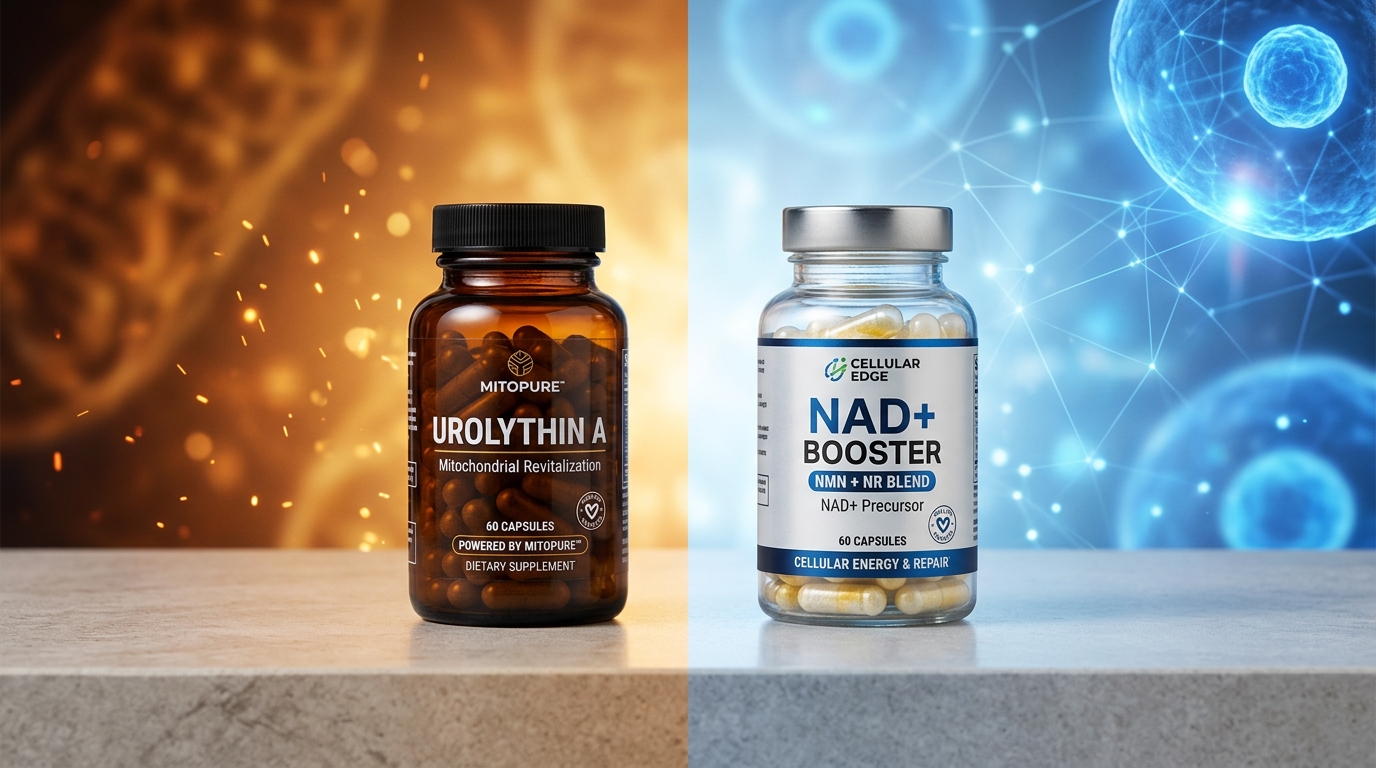
If you've been comparing Mitopure to Tru Niagen or an NMN capsule as if they're rivals fighting for the same slot in your stack, here's the reframe that will save you a lot of second-guessing: they aren't competitors. They target two different aging mechanisms, and the honest answer to "which one" i
Affiliate Disclosure: BetterVitals may earn a commission from purchases made through links in this article, at no additional cost to you. This supports our independent research and analysis. We only recommend products we believe in after thorough evaluation.
Medical Disclaimer
This article is for educational purposes only and is not a substitute for professional medical advice, diagnosis, or treatment. Always consult your healthcare provider before making health decisions.
Mitopure vs NAD+ Boosters (2026): Urolithin A or NMN/NR?
If you've been comparing Mitopure to Tru Niagen or an NMN capsule as if they're rivals fighting for the same slot in your stack, here's the reframe that will save you a lot of second-guessing: they aren't competitors. They target two different aging mechanisms, and the honest answer to "which one" is often "these do different jobs." One clears out your broken mitochondria. The other refuels a coenzyme your cells burn through as you age. That's not a rounding-error distinction — it's the whole story.
Both sit near the top of the longevity-supplement pile for good reasons, but their evidence looks very different when you read the trials closely. Mitopure (urolithin A) carries the strongest functional human proof in the entire category. NAD+ boosters have the broadest cellular rationale but softer functional payoff. Understanding that gap is the difference between buying on marketing and buying on evidence.
We read through the published human trials, the regulatory picture, and the price math to give you a straight comparison — what each actually does, who each is for, and why taking both is a perfectly reasonable move rather than a redundant one.
Disclosure: BetterVitals may earn a commission if you purchase through our links. This does not influence our editorial ratings. We are not paid by Timeline, ChromaDex, or any NAD+ brand, and this comparison is based on publicly available research.
The Short Answer
Mitopure and NAD+ boosters do different things, so they're not really an either/or — and plenty of people take both. Mitopure (urolithin A) triggers mitophagy, the process that recycles your damaged mitochondria, and it has the strongest human evidence in the longevity space: placebo-controlled trials showing improved muscle strength and endurance. Those are functional outcomes, not just a shifted lab number.
NAD+ boosters — NR (like Tru Niagen) or NMN — raise NAD+, a coenzyme central to energy metabolism and DNA repair that declines with age. They reliably move that biomarker up ~40–50%, but the downstream functional benefits are mixed across trials.
If you have to choose one: pick Mitopure for muscle, endurance, and the best proof; pick an NR booster for broad cellular support at the lowest cost. If budget allows, they complement each other. Our scores: Mitopure 8.8/10, Tru Niagen 8.6/10.
Two Different Longevity Mechanisms
The reason this comparison confuses people is that both products get filed under "cellular energy" and "anti-aging," which makes them sound interchangeable. Zoom in and they attack aging from opposite ends.
Mitopure works on quality control. Mitochondria are your cells' power plants, and over time they accumulate damaged, dysfunctional ones that leak and underperform. Mitophagy is the built-in cleanup crew that identifies and recycles those bad mitochondria — but mitophagy itself slows with age. Urolithin A, the active compound in Mitopure, reactivates it. The pitch isn't "more fuel," it's "clear out the broken machinery so the healthy machinery can work."
NAD+ boosters work on supply. NAD+ is a coenzyme every cell uses for hundreds of reactions, especially energy metabolism and DNA repair. It's the raw currency your enzymes spend, and levels fall steadily with age. NR and NMN are precursors your body converts into NAD+, effectively topping up the tank. The pitch here is "restore a depleted resource that everything downstream depends on."
One is a maintenance mechanic; the other is a fuel supplier. You can see why running both isn't redundant — cleaning the engine and refilling the tank are separate problems.
Mitopure (Urolithin A) at a Glance
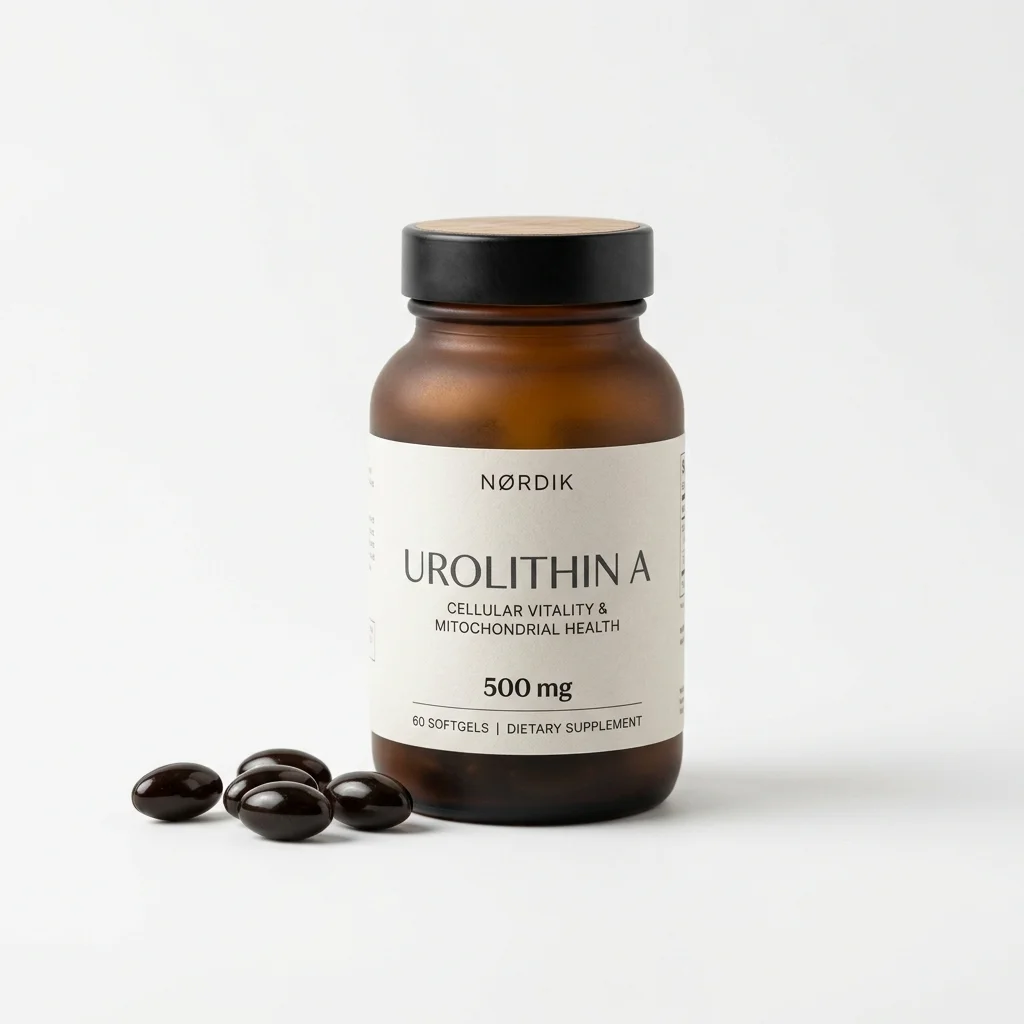
Mitopure is Timeline's purified urolithin A. Urolithin A is normally produced by your gut bacteria when you eat foods like pomegranates and walnuts — but only some people's microbiomes make meaningful amounts, which is why a standardized dose exists at all. Mitopure delivers a consistent therapeutic amount regardless of your gut flora.
What earns it an 8.8/10 and a spot at the top of our rankings is the quality of its human evidence. In a category dominated by animal studies and mechanistic hand-waving, urolithin A has been tested in placebo-controlled randomized trials that measured things people actually feel: muscle strength and exercise endurance. Published results in Cell Reports Medicine (2022) and JAMA Network Open (2022) reported improvements in muscle endurance and strength measures versus placebo. That's a functional outcome, not just a moved biomarker — a genuinely rare thing here.
It runs about $100/month, which is the category's premium end. You're paying for the strongest proof and a single, well-characterized target. We go deeper in our full Mitopure review, and you can see current pricing on the Timeline Mitopure page.
Browse All Products
Explore our evidence-based product reviews across every health category.
NAD+ Boosters (Tru Niagen / NMN) at a Glance
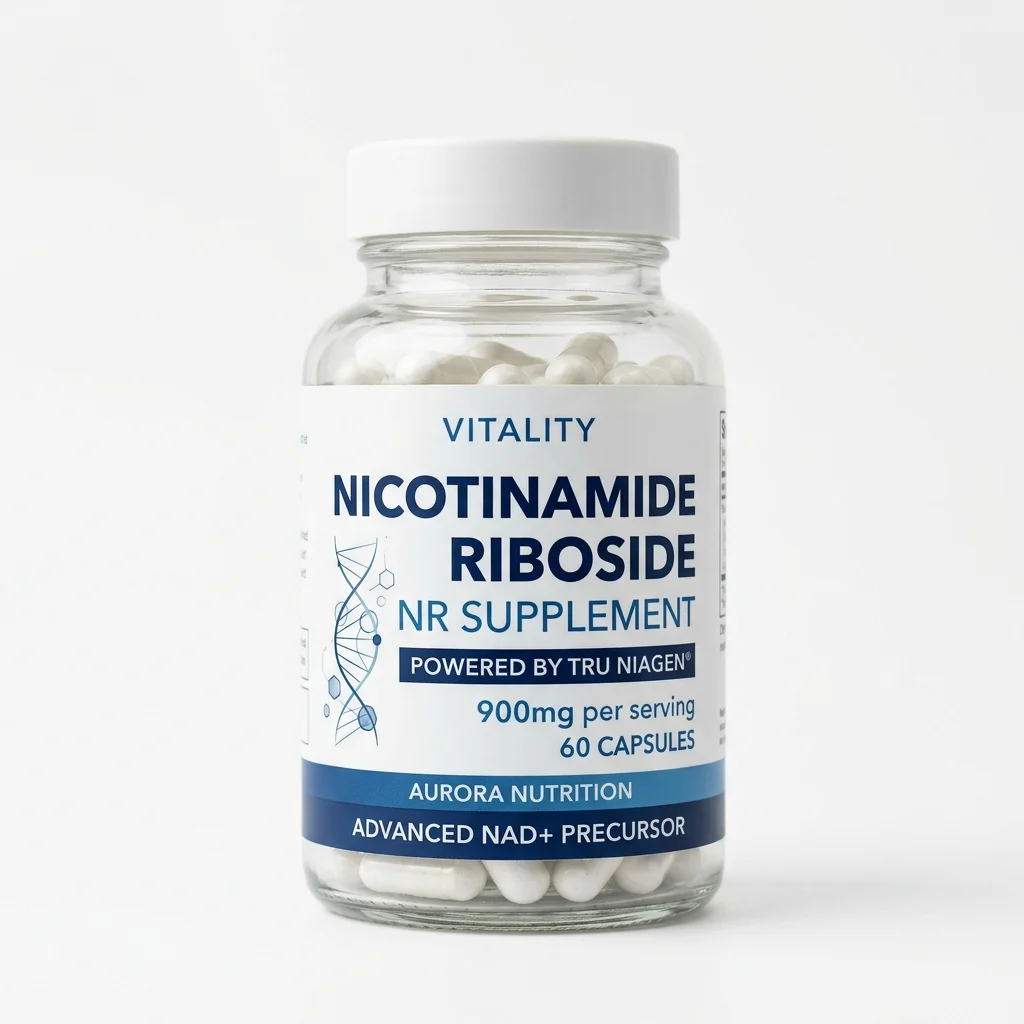
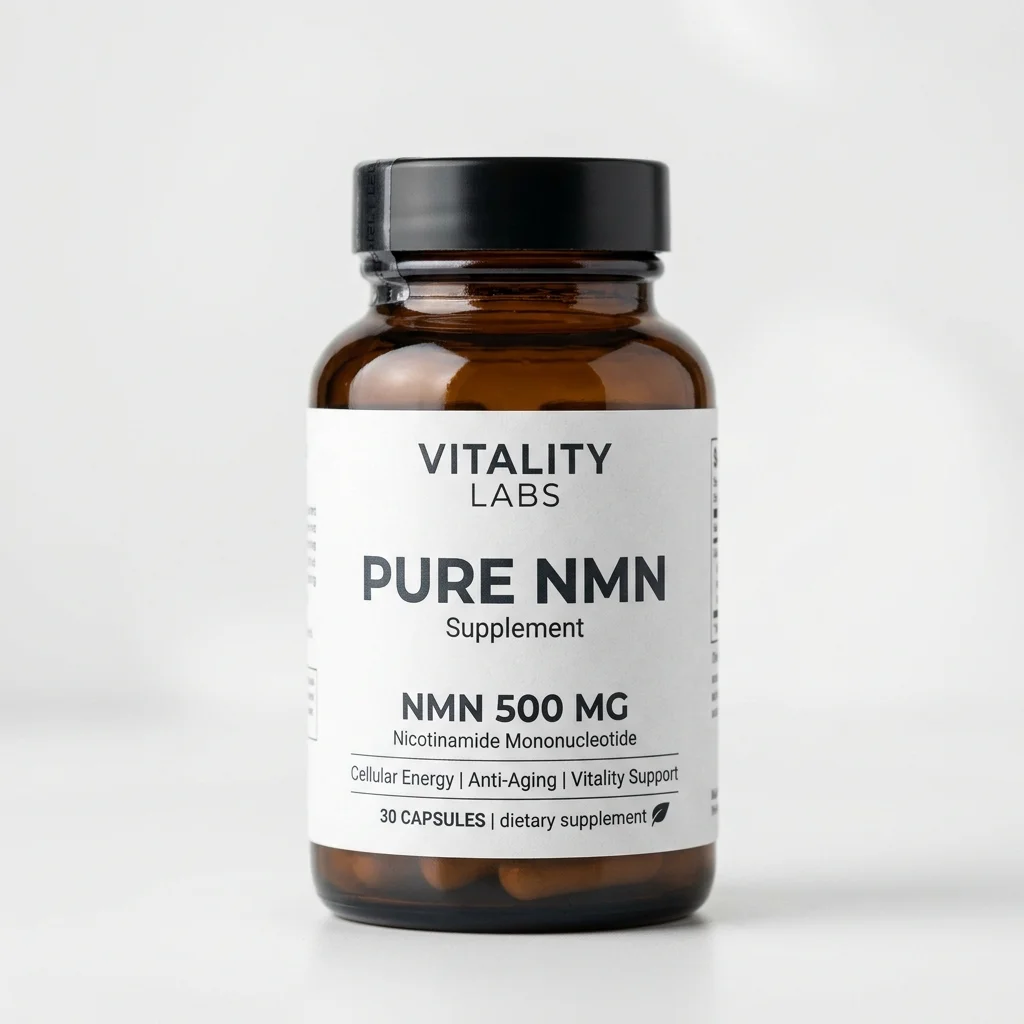
"NAD+ booster" is a category, not a single product. The two main molecules are NR (nicotinamide riboside) — the flagship being Tru Niagen — and NMN (nicotinamide mononucleotide), found in products like NOVOS Boost. Both are precursors your body converts into NAD+.
Their strongest claim is well established: NR reliably raises blood NAD+ in humans, by roughly 40–50%, in a dose-dependent and sustained way. A landmark study in Nature Communications (2016) first demonstrated the human NAD+ increase, and follow-up work (2018) confirmed the effect holds with daily dosing. That biomarker result is about as solid as evidence gets in this space.
The honest caveat is the same one we gave Tru Niagen its 8.6/10 with: past the NAD+ number, the functional outcomes — strength, metabolism, energy — are mixed across trials. NR also has the deepest evidence base and no regulatory cloud, while the FDA has taken the position that NMN is not a lawful dietary ingredient, which pushed some retailers to delist it. If you want the NAD+ route, NR is the cleaner default. Our Tru Niagen review covers the NR-vs-NMN split in full.
Head-to-Head
| Factor | Mitopure (Urolithin A) | NAD+ Boosters (NR / NMN) |
|---|---|---|
| Mechanism | Activates mitophagy (clears damaged mitochondria) | Raises NAD+ (energy metabolism & DNA repair) |
| Evidence strength | Strongest functional evidence in the category — placebo-controlled RCTs on strength & endurance | Reliably raises the NAD+ biomarker (~40–50%); functional outcomes mixed |
| What it targets | Mitochondrial quality (muscle, endurance) | Broad cellular fuel & repair (whole-body rationale) |
| Price | ~$100/month | NR (Tru Niagen) ~$44/month; NMN varies |
| Felt effects | Muscle/endurance benefits shown in trials; still gradual | No acute effect; long-game cellular support |
| Our score | 8.8/10 | 8.6/10 (Tru Niagen) |
| Regulatory status | Clean; FDA-notified ingredient | NR clean (GRAS/NDI); NMN contested by FDA |
The table makes the trade-off obvious. Mitopure wins on functional proof and pays for it at the register. NAD+ boosters win on breadth of rationale and cost but ask you to accept softer functional evidence. Neither is "better" in the abstract — they're better at different things.
Get smarter about health tech
Deal alerts, new reviews, and health tips — delivered weekly. No spam.
Unsubscribe anytime. We respect your inbox.
Should You Take One, the Other, or Both?
Start with your goal, because that resolves most of the decision.
Choose Mitopure if your priority is muscle, physical performance, or mitochondrial health — and you value the strongest evidence over the lowest price. If you work out, are managing age-related strength decline, or simply want the longevity supplement with the most convincing human trials, urolithin A is the most defensible single purchase. It's a single-target compound with unusually good proof for that target.
Choose an NR booster if you want broad cellular support at a reasonable cost and you're comfortable that the payoff is largely biochemical rather than felt. Tru Niagen's ~$44/month, spotless safety record, and clean regulatory standing make it the sensible entry point into the NAD+ world. Skip NMN unless you're specifically sold on it, given the regulatory question marks.
Take both if budget allows and you want to cover two independent aging mechanisms. This is the case that trips people up: because the mechanisms don't overlap — clearing damaged mitochondria versus refueling NAD+ — combining them is complementary, not redundant. There's no known interaction that makes pairing them a problem, and many people who build a serious longevity stack run exactly this combination. If you're assembling a broader stack, our guide to the best longevity supplements puts both in context alongside the rest.
The one thing we'd steer you away from is treating them as interchangeable and picking whichever is on sale. They're not the same tool. Buy Mitopure for what Mitopure does, and buy an NAD+ booster for what it does — or buy both, deliberately.
Frequently Asked Questions
Is Mitopure or a NAD+ booster better for longevity?
Neither is universally better — they target different aging mechanisms, so "better" depends on your goal. Mitopure (urolithin A) has the strongest functional human evidence in the category, with placebo-controlled trials showing improved muscle strength and endurance. NAD+ boosters reliably raise the NAD+ biomarker and have a broader cellular rationale, but their functional outcomes are more mixed in trials.
Can I take Mitopure and Tru Niagen together?
Yes — because they work on different mechanisms, combining them is complementary rather than redundant. Mitopure activates mitophagy to clear damaged mitochondria, while NAD+ boosters like Tru Niagen refuel the NAD+ coenzyme used in energy metabolism and DNA repair. Many people who build a longevity stack run both, and there's no known reason the two can't be taken together.
Which has stronger scientific evidence, urolithin A or NR?
They're strong in different ways. Urolithin A (Mitopure) has the strongest functional evidence — placebo-controlled RCTs published in Cell Reports Medicine (2022) and JAMA Network Open (2022) showing improved strength and endurance. NR has the most reliable biomarker evidence, dependably raising blood NAD+ by ~40–50% (Nature Communications, 2016 and 2018), though its downstream functional outcomes are mixed.
Why is Mitopure more expensive than NAD+ boosters?
Mitopure runs about $100/month versus roughly $44/month for NR like Tru Niagen, largely because you're paying for a standardized, purified urolithin A dose backed by the category's strongest functional trials. NAD+ precursors are cheaper to produce and more widely commoditized. The price gap reflects evidence quality and manufacturing, not simply a markup.
Should I take NMN or NR if I go the NAD+ route?
For most people NR (such as Tru Niagen) is the safer default — it has the deepest human evidence and a clean regulatory standing. The FDA has taken the position that NMN is not a lawful dietary ingredient, which prompted some retailers to delist it. Choose NMN only if you're specifically sold on the "one step closer to NAD+" argument and use a verified-purity brand.
Do either of these have noticeable day-to-day effects?
Not in the way a stimulant does — both are long-game cellular supplements. Mitopure's muscle and endurance benefits showed up in trials but build gradually over weeks to months. NAD+ boosters have no acute felt effect at all; the NAD+ increase is biochemical, so you're investing in long-term cellular support rather than a same-day experience.
Featured Products
Products mentioned in this article
Related Guides
More articles you might find helpful
Wonderfeel Youngr vs NOVOS Boost (2026): Which NMN Wins?
*Updated July 2026*
Most Accurate CGM in 2026: MARD Scores Compared (Every Sensor)
*Updated July 2026*
Dexcom Stelo vs Abbott Lingo (2026): Accuracy, Price, App Compared
*Updated July 2026*

Written by
Steve Luu
Health tech researcher