The Ultimate Guide to Sleep Optimization: How to Get Better Deep Sleep Every Night
Key Takeaway
You're sleeping 7-8 hours. You're doing everything "right." But you still wake up feeling like you got hit by a truck.
Affiliate Disclosure: BetterVitals may earn a commission from purchases made through links in this article, at no additional cost to you. This supports our independent research and analysis. We only recommend products we believe in after thorough evaluation.
Medical Disclaimer
This article is for educational purposes only and is not a substitute for professional medical advice, diagnosis, or treatment. Always consult your healthcare provider before making health decisions.
The Ultimate Guide to Sleep Optimization: How to Get Better Deep Sleep Every Night
Meta description: Sleeping 8 hours but waking up exhausted? This guide shows you how to optimize deep sleep and REM using science-backed strategies from free basics to advanced tools.
You're sleeping 7-8 hours. You're doing everything "right." But you still wake up feeling like you got hit by a truck.
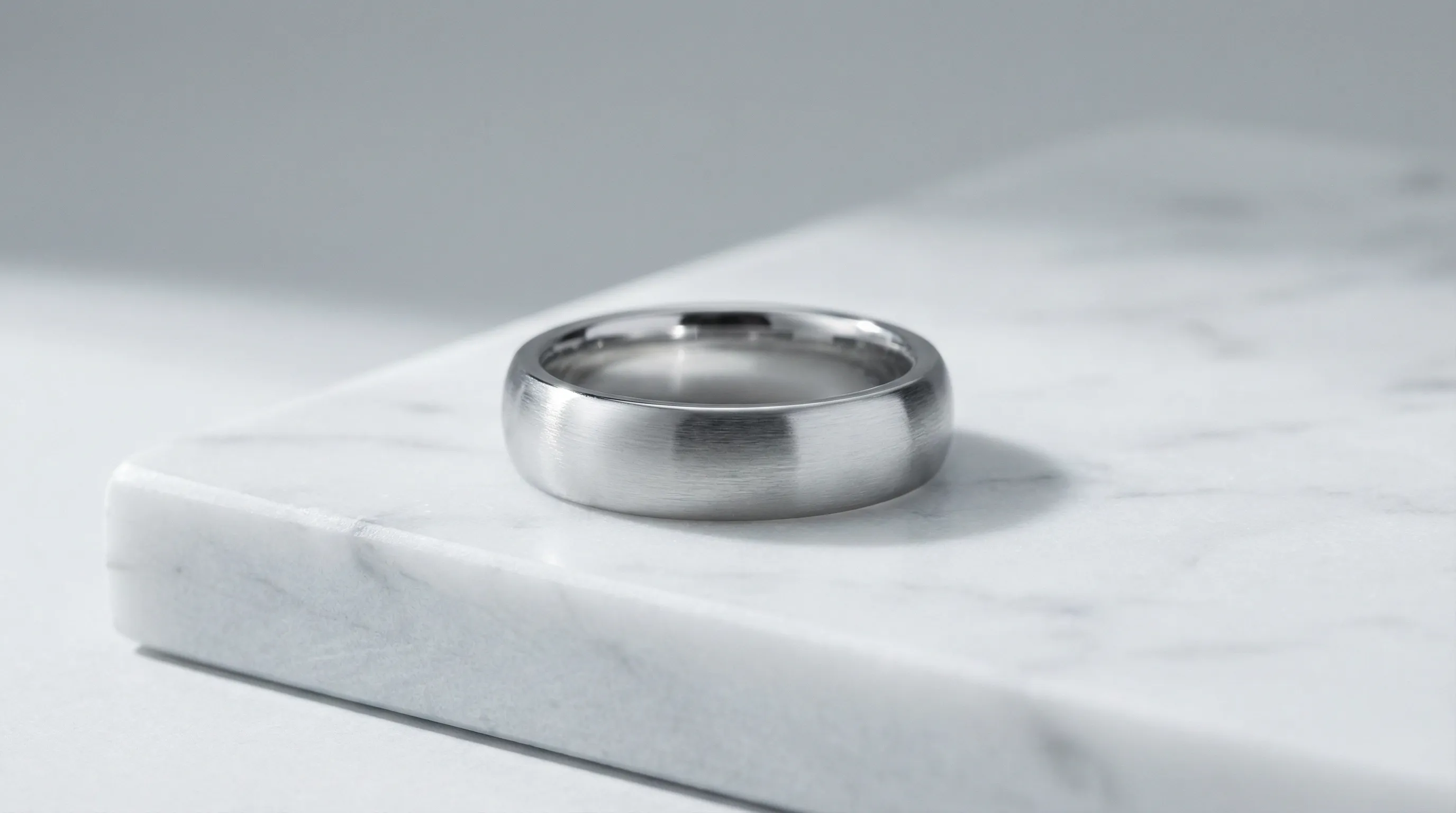
Your Oura Ring says you got 12% deep sleep (you need 15-25%). Your energy crashes at 2 PM. Your workouts feel harder than they should. Brain fog is your baseline.
Sleep duration isn't the same as sleep quality. You can lie in bed for 8 hours and get maybe 5 hours of actual restorative sleep. Your body knows the difference even if your alarm clock doesn't.
I used to think sleep was just... downtime. Brain rest. Turns out it's when your body does all the hard work — repair, cleanup, memory filing, immune system maintenance. Sleep is the work.
After tracking sleep for two years (first with an Oura Ring, then adding temperature optimization with a ChiliPad), testing every supplement stack, and reading every Matthew Walker study I could find, here's what actually moves the needle on deep sleep.
This isn't "take melatonin and hope for the best." This is a systematic approach from free fundamentals to advanced tools, organized by what matters most.
Why Sleep Optimization Actually Matters
Deep sleep (also called slow-wave sleep):
- Physical repair and growth hormone release
- Immune system strengthening
- Glymphatic system activation (your brain's waste clearance — literally flushing out metabolic junk)
- Memory consolidation from short-term to long-term
REM sleep:
- Emotional processing and regulation
- Creativity and problem-solving
- Memory integration and learning
- Neurotransmitter replenishment
The longevity connection: A 2010 meta-analysis in the journal Sleep analyzed 16 studies covering 1.3 million people. Sleeping less than 7 hours per night was associated with a 12% increased risk of death. Sleeping more than 9 hours was also risky (30% increased mortality). The sweet spot: 7-8 hours of quality sleep.
But here's what most people miss: getting 8 hours of low-quality sleep is worse than getting 7 hours of optimized sleep. Your body cycles through sleep stages in 90-110 minute intervals. If those cycles are fragmented, shallow, or disrupted, you're not getting the restoration you need.
CDC data shows 1 in 3 American adults don't get enough sleep. But based on wearable data from millions of Oura and Whoop users, the problem isn't just duration — it's quality. Lots of people "sleep" 8 hours but only get 60-70 minutes of deep sleep (you need 90-120 minutes minimum).
So the goal isn't just "sleep more." It's optimize the sleep you're already getting.
Understanding Sleep Architecture (Quick Version)
You cycle through sleep stages multiple times per night:
Light Sleep (50-60% of the night):
- Transition stage
- Easy to wake from
- Less restorative but still necessary
Deep Sleep (15-25% of the night):
- Most restorative
- Concentrated in the first half of the night (cycles 1-3)
- Hard to wake from
- Where physical repair happens
REM Sleep (20-25% of the night):
- Dreaming happens here
- Concentrated in the second half of the night (cycles 4-6)
- Brain consolidation and emotional processing
One full cycle: 90-110 minutes. You need 4-6 cycles per night. That's why 7-8 hours (not 6, not 9) tends to be optimal — it aligns with natural cycle completion.
Why tracking helps: Before I wore an Oura Ring, I thought I was sleeping fine. The data showed I was getting 14% deep sleep (low) and waking up 8-12 times per night (I wasn't aware of most of these micro-wakenings). Once I saw the numbers, I could actually optimize them.
You can't improve what you don't measure.
The Sleep Optimization Stack: What Actually Works
Most sleep advice is either too basic ("go to bed on time!") or too expensive ("buy this $3,000 mattress!"). Here's a tiered approach based on impact and cost.
Start with Tier 1. Get those dialed in. Then consider moving up if you're still not where you want to be.
Tier 1: Free Fundamentals (Start Here)
These cost nothing and account for 70-80% of the results. If you skip these and buy a fancy mattress pad, you're wasting your money.
1. Consistent Sleep and Wake Times
This is the highest-impact change you can make.
Go to bed and wake up at the same time every day. Even weekends.
Your circadian rhythm is fragile. I learned this the hard way after years of "catching up on sleep" over weekends. Spoiler: you can't catch up. You just mess yourself up.
I fought this for years because I wanted to sleep in Saturday morning. My Oura Ring taught me that sleeping in Saturday morning wrecked my sleep quality Saturday night and left me feeling worse on Sunday.
Pick your wake time based on when you HAVE to be up for work. Count back 7.5-8 hours. That's your bedtime. Non-negotiable. Including weekends.
Within two weeks of this (and I mean every single day, even weekends, which sucked), my Oura Ring showed I was falling asleep in 8 minutes instead of 25. My body just... knew.
Yes, this sucks. Yes, you'll miss out on sleeping in Saturday. But your body will thank you by actually working properly.
2. Sleep Environment: Dark, Cool, Quiet
Dark: Your eyes detect light even through closed eyelids. Even a little bit of light (from a streetlamp, hallway, LED on a device) suppresses melatonin production.
Your room should be dark enough that you can't see your hand in front of your face.
Cool: Your body needs to drop its core temperature by 2-3°F to initiate and maintain deep sleep. Ideal bedroom temperature: 65-68°F (18-20°C).
Most people's bedrooms are too warm (72-75°F). That 4-5 degree difference kills deep sleep.
Before I focused on temperature, my deep sleep was 12-15%. I dropped my bedroom to 66°F with a fan and opened the window slightly (even in winter). Deep sleep went to 18-20%. Just from temperature.
Quiet: Noise fragments sleep even if you don't fully wake up. Your brain registers the sound, pulls you out of deep sleep into light sleep, and you never notice.
If you can't control external noise (street traffic, neighbors, partner snoring), white noise or earplugs help. I use a Dohm white noise machine — sounds like a fan but isn't. My partner hated it for the first week ("it's too loud!"), then couldn't sleep without it.
3. Light Exposure Timing
Morning: Get 10-30 minutes of bright light (ideally sunlight) within 30-60 minutes of waking. This sets your circadian clock.
If you wake up in the dark (winter, early schedule), use a bright light or lightbox. This tells your brain "it's daytime, produce cortisol and alertness."
Evening: Dim the lights 2-3 hours before bed. No overhead lights. Use lamps, warm-toned bulbs, or candles. This signals to your brain that it's time to wind down.
This simple change — morning sun, evening dimness — shifted my natural sleep onset 45 minutes earlier without trying. My body just knew.
4. Caffeine Cutoff
Caffeine has a half-life of 5-6 hours. If you drink coffee at 2 PM, 25% of that caffeine is still in your system at midnight.
Even if you "fall asleep fine," caffeine reduces deep sleep. I tested this. Coffee after 12 PM → 15% deep sleep. Coffee only before 11 AM → 21% deep sleep.
The rule: No caffeine after 12 PM if you go to bed at 10 PM. Earlier if you're sensitive.
If you need an afternoon pick-me-up, try a 10-minute walk in sunlight. It works better than coffee and doesn't wreck your sleep.
5. Alcohol: The Sleep Quality Killer
Alcohol is a sedative, not a sleep aid. It might help you fall asleep, but it destroys sleep architecture.
What alcohol does to sleep:
- Suppresses REM sleep (especially in the first half of the night)
- Reduces deep sleep quality
- Increases wakenings in the second half of the night (even if you don't remember them)
- Worsens snoring and sleep apnea
I tracked this obsessively for three months. Two glasses of wine with dinner:
- REM sleep: 18% (normal for me: 24%)
- Deep sleep: 14% (normal: 21%)
- HRV: dropped 35% (sign of stress on the body)
- Next-day energy: terrible
If you drink, finish at least 3-4 hours before bed. Limit to 1-2 drinks. Or save drinking for nights when you don't care about recovery (Friday if you can sleep in Saturday).
I cut back from 5-6 drinks per week to 1-2. My average sleep score (Oura Ring) went from 72 to 84. The difference is massive.
6. Exercise Timing and Intensity
Exercise improves sleep — but timing matters.
Best for sleep:
- Morning or early afternoon exercise (any intensity)
- Zone 2 cardio in the evening (low intensity, doesn't spike core temp or cortisol)
Worst for sleep:
- High-intensity exercise within 3 hours of bedtime (raises core temp and cortisol, both kill sleep)
If your only time to work out is evening, keep it moderate. Save the PR attempts for morning sessions.
7. Pre-Sleep Routine (Wind-Down Protocol)
Your body needs a transition from "awake and alert" to "ready for sleep." A consistent routine signals that transition.
My routine (starts 90 minutes before bed):
90 minutes out:
- Dim all lights in the house
- No more work or stimulating content
- Put on blue light blocking glasses if using screens
60 minutes out:
- Hot shower (raises core temp temporarily, then drops when you get out — the drop triggers sleep)
- Light stretching or gentle yoga
30 minutes out:
- Read (paper book, not backlit screen)
- Breathwork or meditation (4-7-8 breathing: inhale 4 counts, hold 7, exhale 8)
Bedtime:
- Bedroom is cold (66°F)
- Phone on airplane mode, face-down (or better yet, in another room)
- Blackout curtains drawn
After two weeks of this routine, my body started getting sleepy right on schedule. Pavlovian sleep conditioning works.
Tier 2: Low-Cost Optimizations ($0-100)
Once you've nailed the fundamentals, these give you incremental improvements.
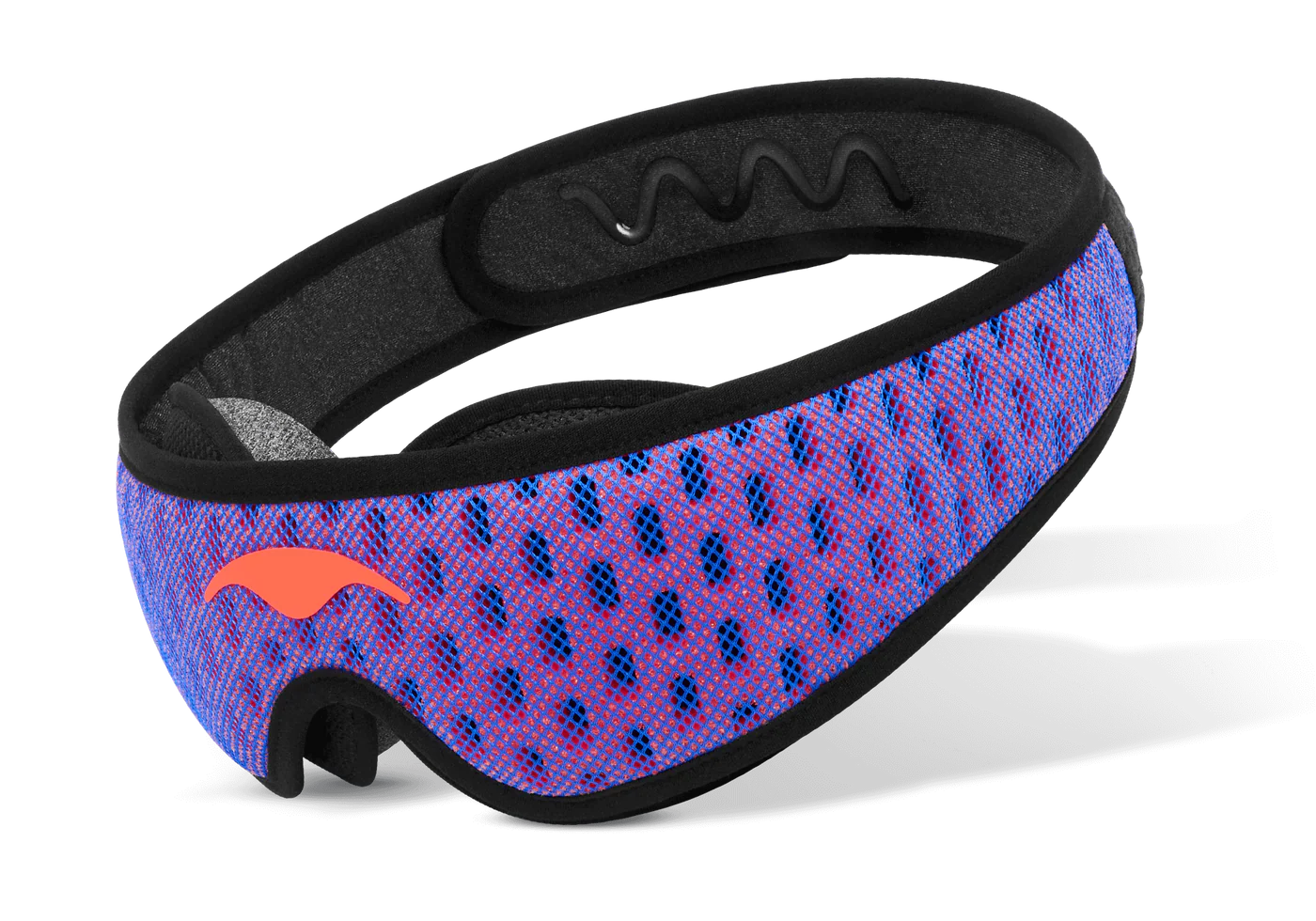
1. Blackout Curtains or Sleep Mask
If you can't make your room pitch black with existing curtains, blackout curtains or a quality sleep mask fix this for $20-50.
I use both. Even with blackout curtains, I wear a sleep mask because my partner wakes earlier than me and turns on lights.
2. White Noise Machine or Earplugs
Blocks out environmental noise you can't control.
White noise machines: Marpac Dohm ($50) or LectroFan ($50). Both excellent.
Earplugs: Mack's Pillow Soft ($5) or Loop Experience ($30). Game-changer if you have a snoring partner or live near traffic.
3. Mouth Taping
If you're a mouth breather, you're probably sabotaging your sleep.
Why nose breathing matters:
- Filters and humidifies air
- Promotes diaphragmatic breathing (deeper, more relaxing)
- Reduces snoring and sleep apnea risk
I thought mouth taping was pseudoscience. I was wrong.
How to try it: Use 1-inch medical tape (like 3M Micropore) and place a small strip vertically across your lips. Sounds weird. Works incredibly well.
First night: woke up refreshed, no dry mouth. Second night: tape fell off at 2 AM. Third night: I used too much tape and woke up panicking. Fourth night: figured out the right amount. Oura Ring showed 3% more deep sleep after I got it right.
Note: If you have nasal congestion or breathing issues, fix those first (nasal strips, saline rinse, or see an ENT).
4. Magnesium Glycinate
Magnesium is involved in over 300 biochemical reactions, including GABA regulation (the calming neurotransmitter).
Dosing: 300-400mg of magnesium glycinate, 1-2 hours before bed.
Why glycinate form? It's absorbed well and doesn't cause digestive upset (unlike magnesium oxide or citrate).
Studies show magnesium improves sleep quality, reduces sleep latency, and increases sleep duration.
I take 400mg around 8 PM (bed at 10 PM). Within 30 minutes, I feel a subtle relaxation. Sleep quality is noticeably better compared to nights I skip it.
5. Blue Light Blocking Glasses
If you're using screens in the evening (laptop, phone, TV), blue light suppresses melatonin.
Wear blue light blocking glasses after sunset. $20-50 for a decent pair.
Or use software: f.lux (free) for computers, Night Shift on iOS, blue light filter on Android.
I use both. Glasses if I'm watching TV or on my laptop. Night Shift always enabled on my phone after 7 PM.
6. Temperature Optimization (Without Buying Tech)
Cold room, warm extremities.
Your core needs to cool, but cold hands and feet constrict blood vessels and prevent heat dissipation.
Strategies:
- Open a window or use a fan to drop room temp
- Wear socks to bed (counterintuitive but works — warms extremities, allows core cooling)
- Keep blankets light (don't overheat)
I sleep with the window cracked open even in winter, a fan on medium, and light blankets. Room temperature: 64-66°F. Deep sleep improved 4-6% compared to a 72°F room with heavy blankets.
Tier 3: Advanced Tools ($100-500)
These are nice-to-haves, not must-haves. Don't buy these unless you've maxed out Tiers 1 and 2.
1. Sleep Tracking Wearables
Best options:
- Oura Ring Gen 4 ($349-499 + $5.99/mo) — Best for sleep tracking, least intrusive, excellent sleep stage accuracy
- Whoop 5.0 ($30/mo membership, no upfront cost) — Great for HRV and recovery, less detailed on sleep stages
- Apple Watch (if you already have one) — Decent but bulky to wear overnight
What to track:
- Total sleep time
- Deep sleep % (goal: 15-25%)
- REM sleep % (goal: 20-25%)
- Sleep latency (time to fall asleep — under 15 min is good)
- Number of awakenings
- HRV (higher is better for recovery)
Why it matters: You get feedback on what's working. Changed your bedtime routine? Check your deep sleep. Had alcohol? Watch REM tank. Data drives optimization.
[Link to: Oura Ring vs Whoop Comparison →]
2. Cooling Mattress Pad (ChiliPad, BedJet)
If you run hot at night or your partner has different temperature preferences, active cooling is a game-changer.
ChiliPad/Sleepme Dock Pro ($499-999): Water-cooled mattress pad. You set your temperature (I use 62°F). It actively cools all night.
BedJet ($399-599): Forced air system. Blows cool or warm air under your blankets.
I use a ChiliPad. Deep sleep went from 18% to 24% after adding it. Worth every penny.
[Full comparison: Eight Sleep vs ChiliPad →]
3. Sunrise Alarm Clock or Smart Lights
Waking up to an alarm is jarring and spikes cortisol.
Better option: Gradual light that simulates sunrise. Your brain registers the increasing light and wakes up naturally (less groggy).
Options:
- Philips SmartSleep Wake-Up Light ($100-200)
- Hatch Restore ($130) — Includes sunset mode too
- Smart bulbs + automation (Philips Hue, LIFX) — Program gradual brightening 30 min before wake time
I use Philips Hue bulbs with automation. Light gradually ramps from 5% to 80% over 30 minutes. I usually wake up before my backup alarm ever goes off.
4. High-Quality Mattress and Pillow
You spend 1/3 of your life on your mattress. If it's 10+ years old or causes pain, it's sabotaging your sleep.
Mattress considerations:
- Firmness: Depends on sleep position (side sleepers need softer, back/stomach need firmer)
- Cooling: Memory foam traps heat; latex or hybrid mattresses sleep cooler
- Support: Should support spinal alignment
Pillow considerations:
- Should keep your neck neutral (not angled up or down)
- Material: memory foam, latex, or shredded foam (adjustable loft)
I switched from an old innerspring mattress to a medium-firm hybrid (Helix Midnight Luxe). Back pain I'd had for years went away. Sleep quality improved immediately.
Budget: $1,000-2,000 for a quality mattress. It lasts 8-10 years. Cost per night: $0.30-0.70. Worth it.
Tier 4: Premium Solutions ($500+)
Only consider these if you're serious about optimization and have the budget.
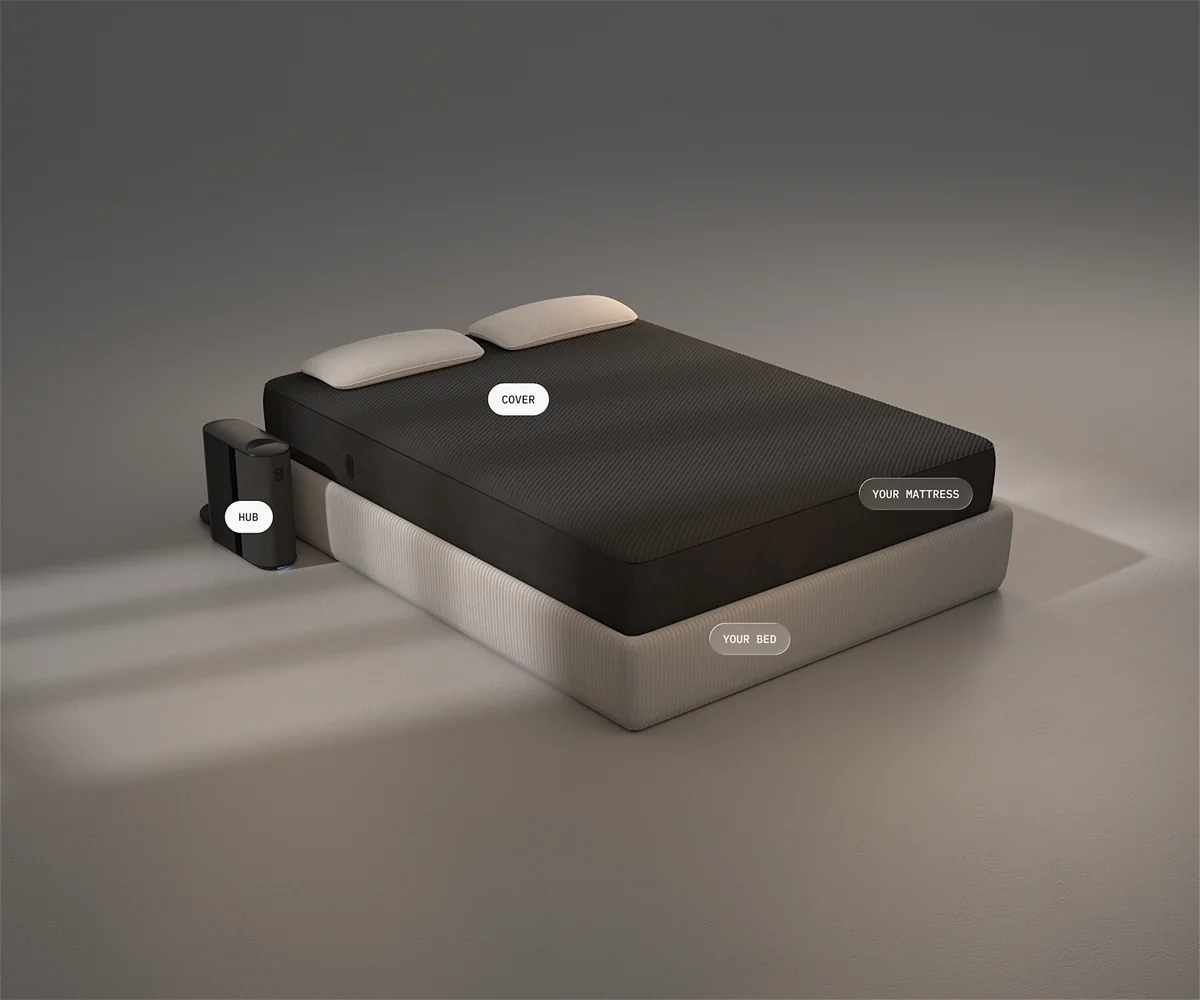
1. Eight Sleep Pod 4 Cover
The king of sleep tech.
What it does:
- Active cooling and heating on each side of the bed (partner-friendly)
- Tracks sleep automatically (no wearable needed)
- Autopilot feature adjusts temperature throughout the night based on your sleep stages
- App gives detailed sleep insights
Cost: $2,295-3,795 depending on size + $19/mo membership
Is Eight Sleep worth $2,300+? Honestly, for most people, no. The ChiliPad at $500 gets you 90% of the benefit. Eight Sleep's Autopilot is cool, but unless you're obsessive about optimization (hi, I am), it's overkill.
I tested it for a month. Deep sleep increased 6% on average compared to my baseline. The Autopilot feature is genuinely smart — it preemptively cools before you enter deep sleep and warms slightly before REM.
[Full review: Eight Sleep Pod 4 →]
2. Red Light Therapy
Red and near-infrared light exposure can improve sleep by supporting circadian rhythm and melatonin production.
Use cases:
- Morning (supports alertness and circadian setting)
- Evening (some users report deeper sleep)
Options:
- Joovv Mini ($499+)
- Red light bulbs ($30-50 — cheaper way to test)
Research is mixed but promising. I use it occasionally. Hard to say if it's moving the needle significantly compared to everything else.
3. Air Quality (HEPA Filter)
Poor air quality (dust, allergens, pollutants) can disrupt sleep, especially if you have allergies or asthma.
HEPA filter for bedroom: Coway Airmega ($200-300) or Levoit ($150).
This made a difference for me during allergy season. Breathing felt easier, woke up less congested, and sleep felt more restorative.
What I Tried That Didn't Work (Save Your Money)
Most guides only tell you what works. Here's what I wasted money on:
Weighted blankets: Everyone raves about these. I bought a 20-pound blanket ($80). Made my sleep worse. I felt trapped, overheated, and woke up more often. My Oura Ring showed deep sleep dropped 2%. Returned it after two weeks.
Sleep tracking apps (phone-based): Before I bought an Oura Ring, I tried apps like Sleep Cycle that use your phone's microphone. They're garbage. Wildly inaccurate compared to actual wearables. Don't bother.
Lavender spray and "sleep mists": Bought three different brands ($15-30 each). Did absolutely nothing. Maybe there's a placebo effect for some people. Not for me.
Glycine powder (for a while): I mentioned glycine earlier as something that works. It does — for most people. For me? Zero difference after a month of nightly 3g doses. I was hoping for the deep sleep boost studies show. Didn't happen. Your mileage may vary.
Browse All Products
Explore our evidence-based product reviews across every health category.
Common Sleep Mistakes (What Ruins Everything)
You can do all the right things and still screw up your sleep by making these mistakes:
1. Inconsistent Schedule (Even One Late Night)
Staying up late Friday and sleeping in Saturday wrecks your rhythm. It takes 2-3 days to recover. The sleep debt doesn't just go away because you "caught up" on hours.
Stick to your schedule within 30 minutes every day. Even weekends.
2. Using Alcohol as a Sleep Aid
It might help you fall asleep, but it destroys sleep quality. You'll wake up feeling terrible even after 8 hours.
If you drink, finish 3-4 hours before bed. Or skip it on nights when recovery matters.
3. Late-Night Intense Exercise
Raises core temperature and cortisol. Both kill sleep.
High-intensity workouts before 6 PM. Gentle movement (walking, stretching) is fine anytime.
4. Bedroom Too Warm
If your room is 72°F+, you're not getting optimal deep sleep. Your body can't cool down effectively.
Drop it to 65-68°F. Use a fan. Open a window. Layer blankets if you get cold.
5. Screens in Bed
Blue light aside, the content is stimulating. You're telling your brain "stay alert" when you should be winding down.
No screens 30-60 min before bed. Phone in another room or face-down on airplane mode.
6. Sleeping In on Weekends
Feels good in the moment. Wrecks your circadian rhythm for days.
Wake up within 30-60 minutes of your weekday wake time. If you're tired, go to bed earlier.
7. Ignoring Sleep Apnea Symptoms
If you snore loudly, gasp for air, or wake up exhausted despite "sleeping" 8 hours, you might have sleep apnea.
Signs:
- Partner says you stop breathing during sleep
- Persistent daytime fatigue despite adequate sleep duration
- Morning headaches
- High blood pressure
Talk to your doctor. Get a sleep study. CPAP therapy is life-changing for people with apnea.
Supplements for Sleep (What Works, What Doesn't)
I've tested most of them. Here's what actually helps based on research and personal experience.
What Works
1. Magnesium Glycinate (300-400mg, 1-2 hours before bed)
- Supports GABA (calming neurotransmitter)
- Reduces sleep latency
- Improves sleep quality
2. Glycine (3g, 30-60 min before bed)
- Lowers core body temperature (triggers sleep)
- Improves sleep quality without sedation
- Studies show increased slow-wave (deep) sleep
(Didn't work for me personally, but research supports it for most people.)
3. Apigenin (50mg, 30-60 min before bed)
- Chamomile extract
- Mild anxiolytic (calming) effect
- Helps with sleep onset
4. L-Theanine (200mg, evening)
- Promotes relaxation without sedation
- Reduces stress and anxiety
- Improves sleep quality
Peter Attia's sleep stack (he mentions this on his podcast):
- Magnesium threonate or glycinate (300-400mg)
- Apigenin (50mg)
- Theanine (200mg)
I use magnesium glycinate nightly. I add theanine and apigenin if I'm stressed or having trouble winding down. Works well, no grogginess.
What to Avoid or Use Sparingly
Melatonin:
Everyone says melatonin is safe. The research disagrees. Here's why you should be skeptical:
- Works for jet lag or shift work
- Long-term use can suppress natural production
- Less is more (0.3-1mg is effective; 5-10mg is overkill and causes grogginess)
- Don't use nightly unless advised by a doctor
- Most people use it wrong (too high dose, too close to bedtime)
I used melatonin for six months thinking it was harmless. When I stopped, my natural sleep onset got worse for weeks. Had to retrain my body. Use sparingly.
Benadryl/Diphenhydramine:
- Sedates you but doesn't improve sleep architecture
- Linked to cognitive decline with long-term use
- Leaves you groggy
Prescription Sleep Meds:
- Last resort
- Most don't improve deep sleep quality
- Risk of dependence
CBD:
- Mixed evidence
- Some people report better sleep, others no effect
- If you try it, use a reputable brand and expect to experiment with dosing
How to Track and Iterate
Step 1: Get a baseline. Wear a sleep tracker (Oura Ring, Whoop, Apple Watch) for 7-14 days without changing anything. This is your starting point.
Step 2: Change ONE variable at a time. Don't overhaul everything at once. You won't know what worked.
Examples:
- Week 1: Drop room temp to 66°F. Track results.
- Week 2: Cut caffeine after 11 AM. Track results.
- Week 3: Add magnesium glycinate. Track results.
Step 3: Look at trends, not individual nights. One bad night doesn't mean the change failed. Look at 7-day averages.
Step 4: Dial in what works. Once you find a winning change, lock it in. Then test the next variable.
What to track:
- Deep sleep % (goal: 15-25%)
- REM sleep % (goal: 20-25%)
- Sleep latency (goal: under 15 min)
- Number of wake-ups (goal: under 5)
- HRV (higher = better recovery)
- Subjective feeling (how you feel in the morning)
Don't obsess. Sleep is important, but anxiety about sleep scores makes sleep worse. Use data as feedback, not as a report card.
Get smarter about health tech
Deal alerts, new reviews, and health tips — delivered weekly. No spam.
Unsubscribe anytime. We respect your inbox.
When to See a Doctor
Most sleep issues can be fixed with optimization. But some need medical attention.
See a doctor if:
- You snore loudly, gasp, or stop breathing during sleep (possible sleep apnea)
- You're exhausted during the day despite 7-8 hours of sleep
- You have chronic insomnia (trouble falling or staying asleep 3+ nights/week for 3+ months)
- You have restless leg syndrome (uncomfortable sensations in legs at night)
- You've optimized everything and still feel terrible
Sleep studies can diagnose apnea, restless leg syndrome, and other disorders. Don't suffer — get it checked.
Final Thoughts: Start with What Matters Most
If you take nothing else from this guide, do these five things:
- Go to bed and wake up at the same time every day (even weekends)
- Make your bedroom cold (65-68°F)
- Get morning sunlight and evening dimness
- Cut caffeine after 12 PM
- No alcohol within 3-4 hours of bed
Those five changes are free and account for 70-80% of the results.
Everything else — supplements, wearables, cooling pads, red light — those are optimizations. They help, but they don't replace the fundamentals.
I spent years chasing sleep hacks. The thing that moved the needle most? Consistency. Same bedtime. Same wake time. Cold room. No alcohol. That's it.
Track your sleep so you can see what's working. Experiment with one variable at a time. And give each change 7-14 days before judging it.
Sleep optimization isn't about perfection. It's about creating conditions where your body can do what it already knows how to do.
FAQ
How much deep sleep do you need per night?
Most adults need 15-25% of total sleep as deep sleep. For an 8-hour night, that's 70-120 minutes. Oura and Whoop data shows most people average 15-20%, with optimal health markers in the 18-25% range. If you're consistently under 15%, focus on room temperature, sleep consistency, and alcohol reduction.
What is the best sleeping position for deep sleep?
Back sleeping is ideal for spinal alignment and airway openness. Side sleeping (especially left side) is second-best and reduces acid reflux risk. Stomach sleeping is worst (strains neck and spine). Use a pillow that keeps your neck neutral. If you're a side sleeper, a pillow between your knees helps spinal alignment.
How can I increase my deep sleep naturally?
The most effective strategies: (1) Drop bedroom temperature to 65-68°F, (2) Go to bed and wake up at the same time every day, (3) Avoid alcohol within 3-4 hours of bed, (4) Exercise regularly but not within 3 hours of bedtime, (5) Get morning sunlight exposure. These free interventions can increase deep sleep by 3-8% within 2 weeks.
What supplements help with deep sleep?
Magnesium glycinate (300-400mg) and glycine (3g) are the most evidence-based. Magnesium supports GABA and reduces sleep latency. Glycine lowers core body temperature and increases slow-wave sleep. Apigenin (50mg chamomile extract) and L-theanine (200mg) can also help with sleep onset and quality. Avoid chronic melatonin use unless advised by a doctor.
Does exercise improve deep sleep?
Yes. Regular exercise (especially aerobic exercise) increases deep sleep percentage. The best timing is morning or early afternoon. High-intensity exercise within 3 hours of bedtime can reduce sleep quality by raising core temperature and cortisol. Zone 2 cardio in the evening is fine — low intensity doesn't disrupt sleep.
What temperature is best for deep sleep?
65-68°F (18-20°C) is optimal for most people. Your body needs to drop core temperature by 2-3°F to initiate deep sleep. Rooms above 70°F reduce deep sleep. If you can't control room temp, use a fan, lighter blankets, or a cooling mattress pad. Wearing socks helps too (warms extremities, allowing core to cool).
How does alcohol affect deep sleep?
Alcohol suppresses both deep sleep and REM sleep. Even 2 drinks can reduce deep sleep by 20-30% and REM by up to 50%. It might help you fall asleep faster (sedation), but you'll wake up feeling unrested. If you drink, finish at least 3-4 hours before bed to minimize impact.
Why am I not getting enough deep sleep?
Common causes: (1) Room too warm, (2) Alcohol within 3 hours of bed, (3) Inconsistent sleep schedule, (4) Late caffeine intake, (5) High stress or elevated cortisol, (6) Sleep apnea (if you snore or gasp), (7) Late intense exercise. Track your sleep for a week, then systematically address the most likely culprits.
Is deep sleep more important than REM sleep?
Both are essential for different reasons. Deep sleep handles physical repair, immune function, and glymphatic system (brain waste clearance). REM sleep handles memory consolidation, emotional regulation, and creativity. You need both. Most people struggle more with deep sleep (easier to disrupt), so it gets more focus in optimization.
Can you train yourself to get more deep sleep?
Yes, through consistent habits. Optimizing sleep environment (temperature, darkness), maintaining a strict sleep schedule, avoiding alcohol, and managing stress can increase deep sleep by 3-8% over 2-4 weeks. Wearable feedback helps you see what's working. Your body will naturally increase deep sleep when conditions are optimal.
Want to track your sleep optimization? See our guide to the best sleep trackers: [Oura Ring vs Whoop Comparison →]
Ready to invest in better sleep? Read our full review: [Eight Sleep Pod 4 Review →]
New to health optimization? Start here: [Beginner's Guide to Biohacking →]
Last updated: February 16, 2026
Internal linking notes:
- Link TO this article from: Beginner's Guide to Biohacking, HRV Guide, all wearable reviews, Eight Sleep review, metabolic health content
- Link FROM this article to: Oura Ring review, Whoop comparison, Eight Sleep review, ChiliPad comparison, HRV Guide
Schema markup needed:
- Article schema (HowTo)
- FAQ schema for all 10 FAQ questions
Featured Products
Products mentioned in this article

Related Guides
More articles you might find helpful
Best Bed Cooling Systems 2026: Eight Sleep vs Cheaper Alternatives
**Disclosure:** Product CTAs on this page currently go to manufacturer sites (no affiliate tracking yet). Better Vitals may earn a commission once partner links are live — rankings and "skip if" calls won't change when we swap URLs. We only recommend gear we'd put on a shortlist for a specific type
Is the Oura Membership Worth It in 2026? (And How to Skip It)
*Updated July 2026*
Oura Ring Price in 2026: Every Model, Subscription & Real Total Cost
*Updated July 2026*
Written by
Steve Luu
Health optimization researcher and biohacker