Peptides for Beginners: What They Are, How They Work, and What You Need to Know
Key Takeaway
Peptides have entered mainstream health discourse — showing up on longevity podcasts, in clinic menus, and across biohacking forums. If you're new to the topic and trying to assess whether they're legitimate science or hype, this beginner's guide gives you the foundational framework to think about t
Affiliate Disclosure: BetterVitals may earn a commission from purchases made through links in this article, at no additional cost to you. This supports our independent research and analysis. We only recommend products we believe in after thorough evaluation.
Medical Disclaimer
This article is for educational purposes only and is not a substitute for professional medical advice, diagnosis, or treatment. Always consult your healthcare provider before making health decisions.
Peptides for Beginners: What They Are, How They Work, and What You Need to Know
Peptides have entered mainstream health discourse — showing up on longevity podcasts, in clinic menus, and across biohacking forums. If you're new to the topic and trying to assess whether they're legitimate science or hype, this beginner's guide gives you the foundational framework to think about them clearly.
Important context before you read on: Most peptides discussed in biohacking are not FDA-approved for the uses people pursue. Many are sold only as "research chemicals," their long-term safety in humans is poorly characterized, and some carry real risks. Nothing here is medical advice. Anything involving injection, growth-hormone signaling, or hormonal pathways should be done only under a qualified physician's supervision with proper lab monitoring — if at all.
What Is a Peptide?
A peptide is a short chain of amino acids — the same building blocks as proteins. The difference is size: proteins are typically hundreds to thousands of amino acids long; peptides are usually 2-50 amino acids.
Your body produces thousands of naturally occurring peptides that serve as signaling molecules: insulin (51 amino acids), glucagon (29 amino acids), oxytocin (9 amino acids), and many growth factors are all peptides. They act as messengers between cells — binding to receptors and triggering specific biological responses.
Why people supplement with peptides: As we age, endogenous production of certain peptides declines (growth-hormone secretagogues, repair-signaling molecules, collagen-stimulating factors). Exogenous peptides aim to restore or amplify these signaling cascades. Whether they meaningfully do so in healthy humans — and safely — is exactly the question that remains unsettled for most of them.
How Peptides Differ From Supplements and Hormones
| Characteristic | Supplement | Peptide | Hormone |
|---|---|---|---|
| Mechanism | Nutritional substrate / enzyme cofactor | Cell signaling molecule | Direct physiological regulator |
| Size | Small molecule | Small-medium chain (2-50 AA) | Varies (small to large protein) |
| Delivery | Usually oral | Usually injectable; some topical/sublingual | Various |
| Specificity | Broad substrate effects | Targeted receptor-specific effects | Broad physiological effects |
| Regulation (US) | DSHEA (loosely) | Research chemical or Rx (varies) | Controlled substance or Rx |
| Examples | Creatine, magnesium, vitamin D | BPC-157, GHK-Cu, ipamorelin | Testosterone, HGH, insulin |
Key distinction from hormones: Peptides like growth-hormone secretagogues (ipamorelin, CJC-1295) stimulate the body to produce its own hormones, preserving the pulsatile regulation the body naturally uses. Direct hormone administration (for example, recombinant HGH injections) bypasses this regulation, with a different — and often greater — risk profile.
Why Oral Delivery Is Usually a Problem
Most peptides are digested in the gastrointestinal tract. Proteases and peptidases in the stomach and small intestine break peptide chains into individual amino acids — which are then absorbed as ordinary nutrients rather than intact signaling molecules.
Exceptions:
- Topical peptides (GHK-Cu, Argireline): Small enough to penetrate skin to relevant depths for cosmetic and dermal effects.
- BPC-157: Appears to resist proteolytic degradation and may retain some oral bioavailability — a property that distinguishes it from most peptides, though human data is limited.
- Sublingual delivery: Some smaller peptides may achieve partial sublingual absorption, bypassing first-pass GI metabolism.
This is why most systemic peptide protocols use subcutaneous injection — it delivers the intact molecule directly to circulation. Injection also introduces sterility, dosing-accuracy, and infection risks that oral supplements simply don't have, which is another reason medical oversight matters.
The Most-Discussed Peptides: A Primer
The peptides below are frequently discussed online. Inclusion here is educational, not an endorsement — most are not approved for these uses, and the evidence ranges from "promising early trials" to "essentially anecdotal."
BPC-157 (Body Protection Compound)
- What it is: A 15-amino-acid peptide derived from a protein found in gastric juice
- Claimed benefits: Wound healing, tendon/ligament repair, gut health, neuroprotection
- Evidence: Extensive animal models; very limited human data
- Availability: Sold as a research chemical in the US; compounding-pharmacy access varies by jurisdiction
- Notable property: Possible oral bioavailability due to protease resistance
GHK-Cu (Copper Peptide)
- What it is: A naturally occurring tripeptide that binds copper; found in plasma, saliva, and urine
- Claimed benefits: Skin collagen stimulation, wound healing, anti-aging skin effects
- Evidence: Among the strongest of any cosmetic peptide — multiple studies of topical application
- Availability: Widely available as a topical cosmetic ingredient; injectable forms are research compounds
Ipamorelin / CJC-1295
- What it is: A growth-hormone secretagogue (ipamorelin) plus a GHRH analog (CJC-1295)
- Claimed benefits: Increased GH and IGF-1, improved body composition, recovery
- Evidence: Early-phase human data exists; commonly the most physician-supervised of compounded protocols
- Availability: Most legitimately accessed via a compounding pharmacy with a physician prescription
Epithalon (Epitalon)
- What it is: A synthetic tetrapeptide developed in Russian aging research
- Claimed benefits: Telomere maintenance, longevity, circadian regulation
- Evidence: Mostly animal models and small observational studies from a single research group; not replicated in mainstream Western peer review
- Availability: Research chemical in the US
Semax
- What it is: A synthetic peptide analog related to ACTH fragments
- Claimed benefits: Cognitive enhancement, neuroprotection, anxiety reduction
- Evidence: Human trials exist primarily in Russian literature for stroke rehabilitation and cognition
- Availability: Research chemical in the US; a prescription nasal spray in some countries
Browse All Products
Explore our evidence-based product reviews across every health category.
How Peptides Are Regulated (and Why It Matters)
The word "peptide" covers wildly different legal categories. A few are FDA-approved drugs for specific conditions. Many more are sold as "research chemicals" labeled for laboratory use only, not for human consumption — a label that lets sellers avoid drug regulation while buyers use them anyway. In that gray market, there is no oversight of purity, sterility, dosing accuracy, or contamination. Independent lab testing has repeatedly found research-chemical peptides that are underdosed, contaminated, or not the labeled compound at all.
Physician-prescribed peptides prepared by a licensed compounding pharmacy are a different situation: there's a prescriber, a pharmacist accountable for sterility and dosing, and follow-up monitoring. Note that regulatory agencies periodically restrict which peptides compounding pharmacies may prepare, so availability shifts. The bottom line: the same molecule can be safe-ish under medical supervision and genuinely risky bought anonymously online.
How to Think About Peptides Critically
Ask these questions before pursuing any peptide:
Is there human evidence, or just animal data? Many peptide claims extrapolate from rodent studies using doses and conditions that don't translate cleanly to people.
Is the research independent, or only from the original developer? Some peptide literature (Epithalon, for example) comes almost entirely from a single group and hasn't been widely replicated.
What's the legal and sourcing pathway? A physician-supervised compounded protocol is meaningfully different from an unvetted research-chemical vial.
What's the cost-benefit versus lifestyle optimization? Most sought-after benefits — recovery, energy, body composition — can be substantially achieved through sleep, training, protein, and well-evidenced supplements at a fraction of the cost and risk.
Who is monitoring your health? Anything affecting growth hormone, immune function, or tissue repair warrants baseline and follow-up lab testing under professional oversight.
Common Beginner Mistakes
- Treating "research chemical" as a technicality. It isn't. It means no one has verified what's actually in the vial.
- Buying based on a podcast anecdote. A compelling story is not evidence of safety or efficacy.
- Self-injecting without training or sterile technique. This introduces infection and dosing risks that dwarf most of the hoped-for benefits.
- Ignoring drug interactions and existing conditions. Peptides affecting hormones or immune signaling can interact with real medical issues.
- Skipping bloodwork. Without baseline and follow-up labs, you can't tell whether anything is helping — or quietly causing harm.
- Starting with systemic injectables instead of low-risk options. Topical GHK-Cu is a far safer entry point than injecting an unregulated compound.
Get smarter about health tech
Deal alerts, new reviews, and health tips — delivered weekly. No spam.
Unsubscribe anytime. We respect your inbox.
A Sensible Starting Point for Curious Beginners
If you're intrigued but cautious, the lowest-risk, best-evidenced entry point is topical GHK-Cu for skin, which has real cosmetic literature and no injection required. Beyond that, the responsible path for any systemic peptide is a consultation with a physician experienced in this area, honest disclosure of your goals and medical history, baseline labs, and a prescription-and-monitoring model rather than a gray-market vial. For most people chasing energy, recovery, and body composition, mastering sleep, resistance training, protein intake, and a couple of well-studied supplements will deliver more reliable results than any beginner peptide protocol.
Bottom Line
Peptides are a genuinely interesting and biologically real category — your body runs on them. But the gap between "peptides are important signaling molecules" and "you should inject an unregulated peptide you read about online" is enormous. Most biohacking peptides are not FDA-approved, lack robust human safety data, and are sold through channels with no quality control. Approach the space with skepticism, prioritize physician supervision and lab monitoring, start with the lowest-risk options, and remember that the fundamentals still outperform almost every beginner peptide protocol. See our affiliate disclosure for how we evaluate the products we mention.
FAQ
Are peptides safe?
It depends heavily on the specific peptide, sourcing quality, and whether medical supervision is involved. Well-characterized peptides studied in clinical trials have acceptable safety profiles in those trial populations. Unvetted research chemicals from unknown suppliers introduce purity, sterility, and dosing risks that are impossible to independently verify. "Safe" is not a property of the word "peptide" — it depends entirely on the specifics.
What's the difference between "research peptides" and clinic-prescribed peptides?
Research chemicals are sold "for laboratory use only" and are not regulated for purity, dosing, or human safety. Physician-prescribed compounded peptides are prepared by licensed pharmacies under pharmacist oversight, with accountability for sterility and dosing accuracy. Same molecule, vastly different accountability.
Do I need to inject peptides?
For most peptides with systemic effects, yes — oral delivery destroys them in digestion. Exceptions include topical GHK-Cu and some sublingual formulations. If you're averse to self-injection, topical GHK-Cu is the safest, most accessible, and best-evidenced application to consider.
Are any peptides FDA-approved?
Yes — a number of peptide drugs are FDA-approved for specific medical conditions and are prescribed and monitored by physicians. However, most peptides popular in biohacking circles (BPC-157, epithalon, and others as used for general "optimization") are not approved for those purposes. Approval status is one of the most important things to check before considering any peptide.
Can peptides help with anti-aging or longevity?
Some peptides show interesting effects in cell and animal studies, but there is no strong human evidence that any peptide slows aging or extends lifespan. Claims to the contrary are speculative. Treat longevity marketing around peptides with heavy skepticism.
How do I find a legitimate provider?
Look for a licensed physician (often in functional, sports, or age-management medicine) who takes a full history, orders baseline labs, prescribes through a licensed compounding pharmacy, and schedules follow-up monitoring. Be wary of clinics or websites that sell without evaluation, make dramatic promises, or push injectables with no lab work.
Related guides: Peptides for Longevity: Research Review | Best Longevity Supplement Stack | Biomarkers for Longevity Explained
Updated March 2026
Featured Products
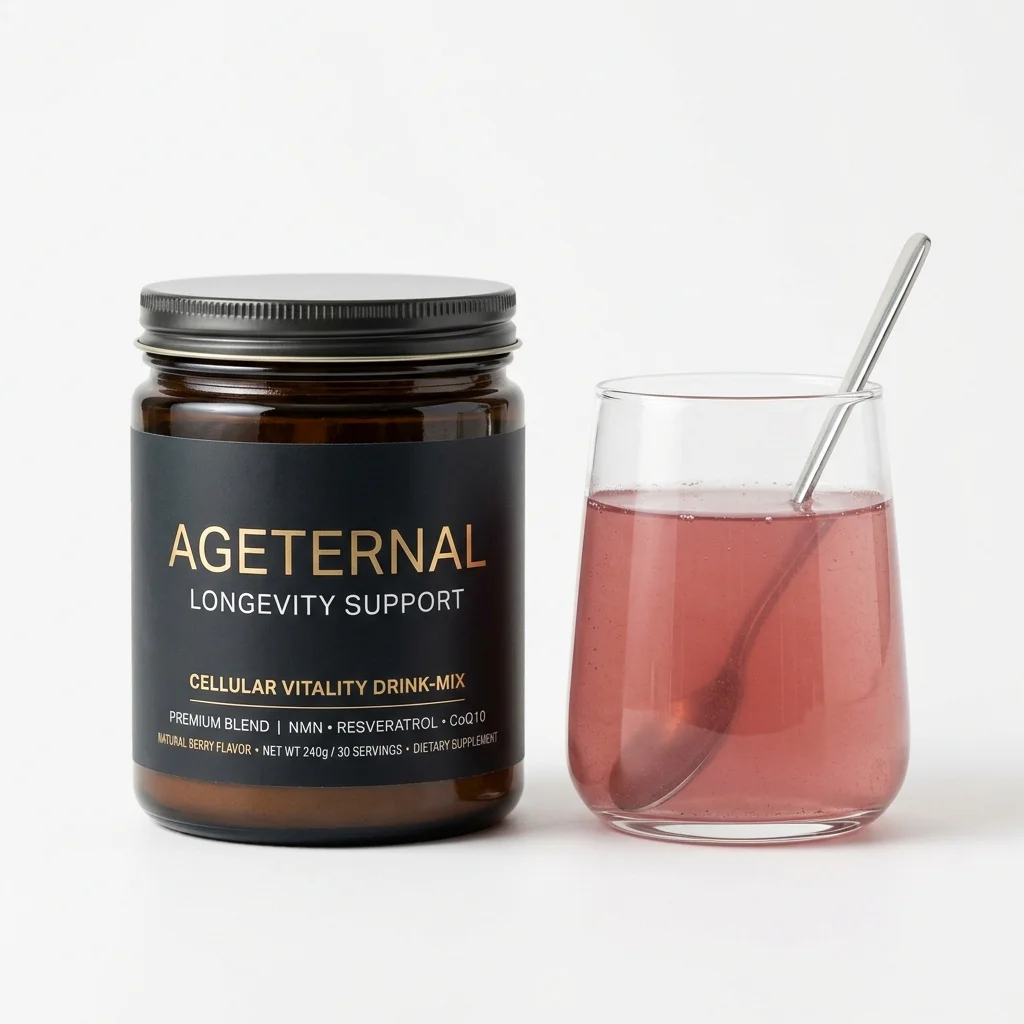
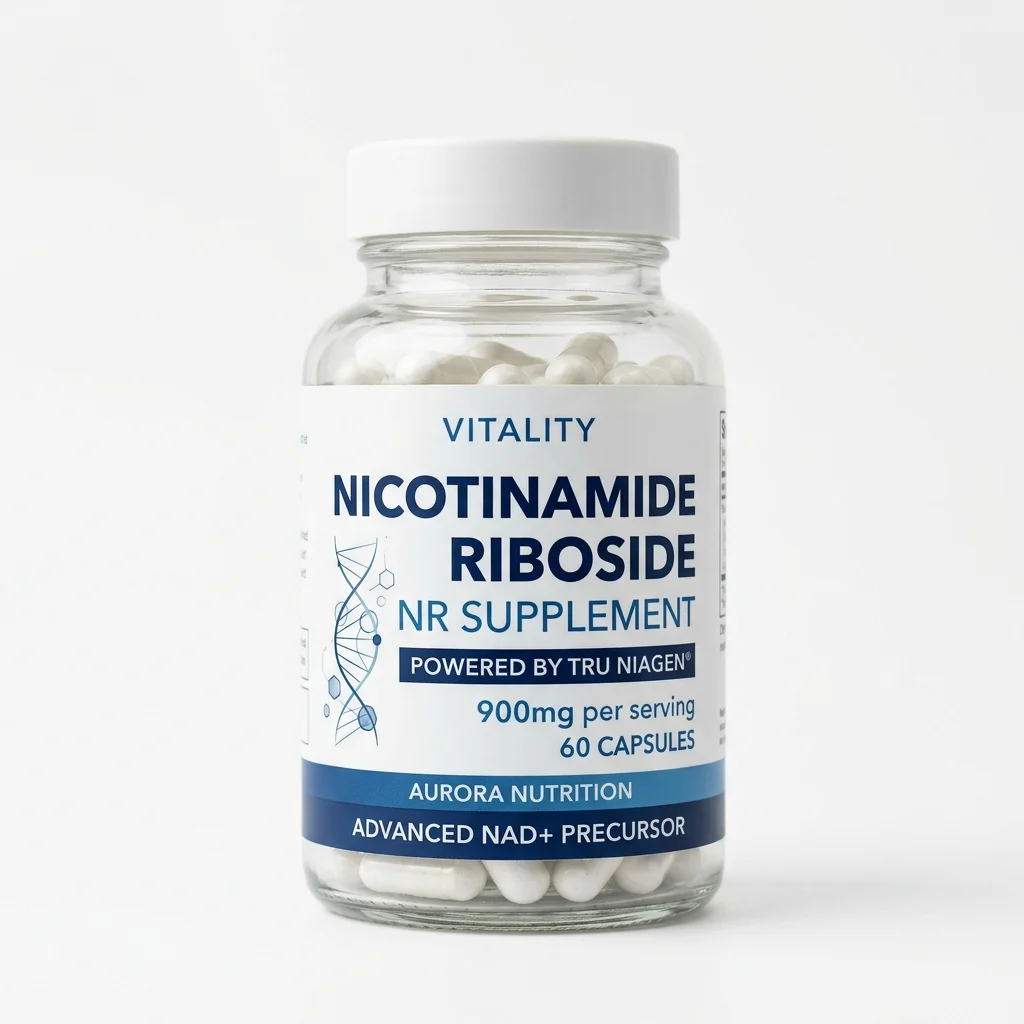
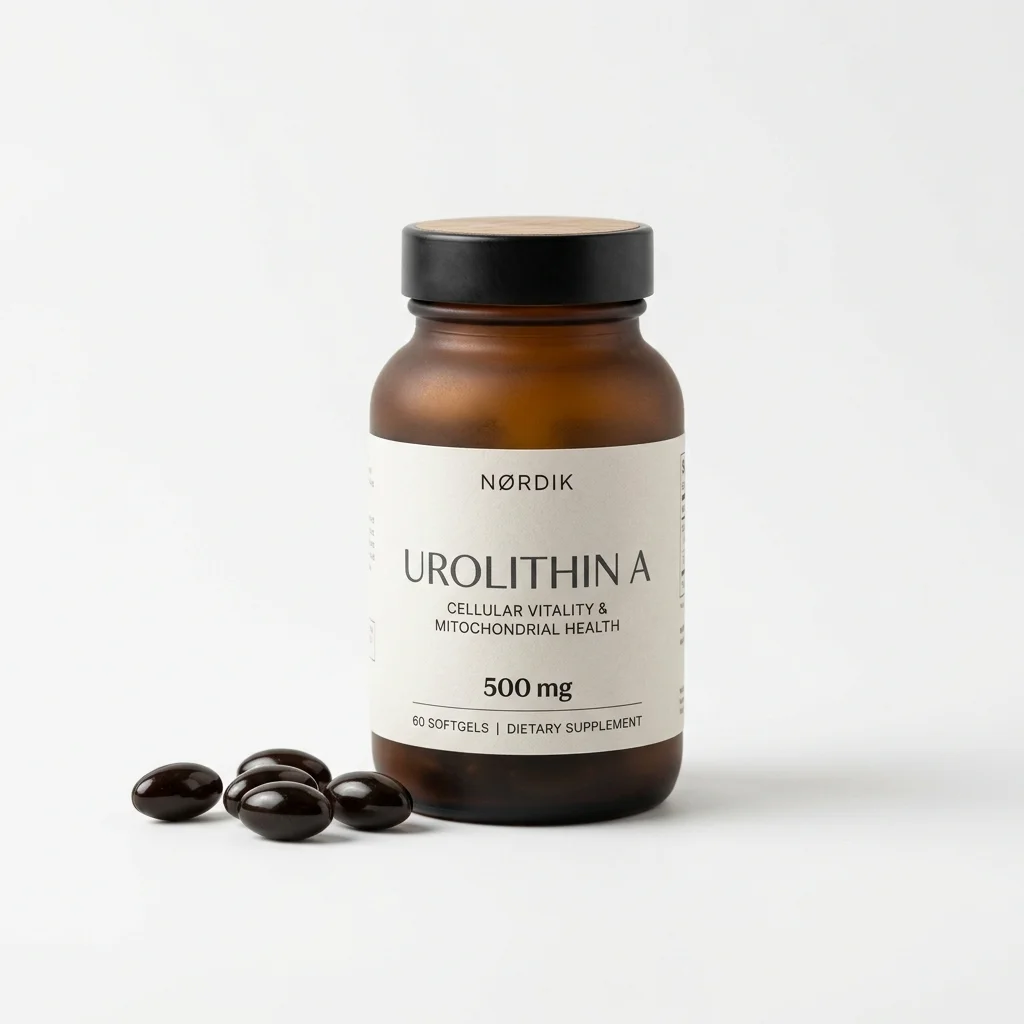
Products mentioned in this article
Related Guides
More articles you might find helpful
Best Bed Cooling Systems 2026: Eight Sleep vs Cheaper Alternatives
**Disclosure:** Product CTAs on this page currently go to manufacturer sites (no affiliate tracking yet). Better Vitals may earn a commission once partner links are live — rankings and "skip if" calls won't change when we swap URLs. We only recommend gear we'd put on a shortlist for a specific type
Is the Oura Membership Worth It in 2026? (And How to Skip It)
*Updated July 2026*
Oura Ring Price in 2026: Every Model, Subscription & Real Total Cost
*Updated July 2026*

Written by
Steve Luu
Health tech researcher