The NAD+ Pathway Explained: How This Molecule Connects Energy, DNA Repair, and Aging
Key Takeaway
NAD+ (nicotinamide adenine dinucleotide) is one of the most studied molecules in longevity science — and one of the least understood outside academic circles. Understanding what NAD+ actually does, why it declines with age, and how supplementation fits into the picture requires stepping through the
Affiliate Disclosure: BetterVitals may earn a commission from purchases made through links in this article, at no additional cost to you. This supports our independent research and analysis. We only recommend products we believe in after thorough evaluation.
Medical Disclaimer
This article is for educational purposes only and is not a substitute for professional medical advice, diagnosis, or treatment. Always consult your healthcare provider before making health decisions.
The NAD+ Pathway Explained: How This Molecule Connects Energy, DNA Repair, and Aging
NAD+ (nicotinamide adenine dinucleotide) is one of the most studied molecules in longevity science — and one of the least understood outside academic circles. Understanding what NAD+ actually does, why it declines with age, and how supplementation fits into the picture requires stepping through the biochemistry. This guide makes that accessible without oversimplifying, and without overselling what the science currently supports.
What Is NAD+?
NAD+ is a coenzyme — a small molecule that assists enzymes in catalyzing chemical reactions. It exists in two forms that interconvert:
- NAD+ (oxidized form) — accepts electrons from metabolic reactions
- NADH (reduced form) — donates electrons to the electron transport chain
Your cells contain enormous quantities of NAD+, and each molecule is "recycled" (converted between NAD+ and NADH) many times per day. Without NAD+, oxidative metabolism — the process by which mitochondria generate the bulk of your ATP from glucose — would grind to a halt within seconds. It is not an exaggeration to say NAD+ sits at the center of cellular energy metabolism.
NAD+'s Three Major Roles
Role 1: Redox Metabolism (Energy Production)
The most fundamental role. NAD+ is the primary electron carrier in the TCA cycle (Krebs cycle) and oxidative phosphorylation:
- Glycolysis produces NADH per glucose molecule
- The TCA cycle produces additional NADH (plus FADH₂) per acetyl-CoA
- In oxidative phosphorylation, NADH donates electrons to Complex I, driving ATP synthesis
This is why disrupting NAD+ availability impairs energy production — particularly in high-energy tissues like muscle, heart, and brain, which have little tolerance for an energy shortfall.
Role 2: Sirtuin Activation (Epigenetic Regulation)
This is where NAD+'s longevity connection lives. Sirtuins (SIRT1-7) are a family of NAD+-dependent enzymes — mostly deacetylases that remove acetyl groups from histones and other proteins, thereby regulating gene expression, inflammation, and metabolic function.
Crucially, sirtuins consume NAD+ as a co-substrate — not merely as a reusable cofactor. Each reaction cleaves one NAD+. This means sirtuin activity competes with other NAD+ consumers for a shared, limited pool.
Key sirtuin functions:
- SIRT1: Activates PGC-1α (mitochondrial biogenesis), suppresses NF-κB (inflammation), regulates circadian clock genes
- SIRT3: The primary mitochondrial sirtuin; activates oxidative phosphorylation machinery
- SIRT6: DNA repair, telomere maintenance, glucose metabolism regulation
- SIRT7: Ribosomal DNA transcription and the response to metabolic stress
The hypothesis — advanced prominently by David Sinclair's lab — is that declining NAD+ with age reduces sirtuin activity, impairing DNA repair, increasing inflammation, and disrupting metabolic regulation. It is a compelling framework, but note it remains a hypothesis: the causal chain from "raise NAD+" to "slow human aging" has not been demonstrated in people.
Role 3: PARP-Mediated DNA Repair
PARP enzymes (poly-ADP-ribose polymerases) use NAD+ to tag damaged DNA and nearby proteins, recruiting the repair machinery. PARP1 is the principal DNA-damage-response enzyme — and under heavy DNA damage (UV exposure, oxidative stress, aging), PARP1 can consume large amounts of cellular NAD+.
The PARP-sirtuin competition: Both PARPs and sirtuins draw on the same NAD+ pool. With aging, DNA damage accumulates, PARP1 activates chronically, NAD+ is depleted, and less remains for sirtuins — impairing gene regulation and metabolic health. This is one proposed mechanism by which chronic DNA damage accelerates aging beyond its direct mutagenic effects.
Why NAD+ Declines With Age
Multiple converging mechanisms appear to be involved:
1. CD38 upregulation. CD38 is an enzyme that cleaves NAD+ as part of calcium signaling. Its expression increases with age and chronic inflammation ("inflammaging"). Research in mice has shown that removing CD38 helps preserve NAD+ levels and metabolic function into old age, making CD38 a leading suspect in age-related NAD+ decline.
2. Increased consumption. Accumulated DNA damage (PARP activation) and chronic inflammation drive up NAD+ consumption faster than biosynthesis can compensate.
3. Reduced biosynthesis. The rate-limiting salvage-pathway enzyme, NAMPT (nicotinamide phosphoribosyltransferase), declines with age in some tissues, lowering NAD+ synthesis capacity.
4. The result. Human tissue NAD+ levels decline substantially across the adult lifespan (Massudi et al., PLoS ONE, 2012, reported roughly a halving between younger and older adults in the tissue examined). The precise magnitude varies by tissue and measurement method, but the downward trend is well documented.
The NAD+ Biosynthesis Pathways
Understanding how cells make NAD+ explains why NMN and NR are used as supplements:
De novo pathway (tryptophan → NAD+): The amino acid tryptophan is converted to NAD+ through a long multi-step (kynurenine) pathway. It's active mainly in the liver and is inefficient for raising NAD+ quickly.
Preiss-Handler pathway (niacin → NAD+): Nicotinic acid (niacin) is converted to NAD+ via intermediates. Pharmacological niacin doses raise NAD+ but cause the familiar skin flushing through a prostaglandin mechanism.
Salvage pathway (most important in adults):
- NAM (nicotinamide) → NMN (via NAMPT) → NAD+
- NR (nicotinamide riboside) → NMN (via NRK1/2) → NAD+
- NMN (nicotinamide mononucleotide) → NAD+ (via NMNAT)
The salvage pathway is the primary route for maintaining cellular NAD+ in adult mammals. This is why NR and NMN are the most-used supplement precursors — they enter the salvage pathway efficiently, NR bypassing the rate-limiting NAMPT step and NMN entering as NMN directly.
Browse All Products
Explore our evidence-based product reviews across every health category.
Lifestyle Levers That Influence NAD+ (Often Overlooked)
Supplements are not the only — or even the most reliable — way to support NAD+ biology. Several everyday factors matter:
- Exercise activates AMPK, which upregulates NAMPT and supports NAD+ synthesis. Training is arguably the most cost-effective NAD+ "intervention."
- Sleep and circadian rhythm interact with NAD+ metabolism, which itself oscillates on a daily cycle; poor sleep and circadian disruption work against you.
- Managing chronic inflammation (through diet, body composition, and not smoking) reduces the CD38- and immune-driven NAD+ consumption that accelerates decline.
- Avoiding excessive alcohol, which taxes NAD+-dependent metabolism.
These levers cost nothing and have broad health benefits independent of any NAD+ effect — which is more than can be said for supplements.
What NAD+ Boosting Achieves in Humans (Current Evidence)
Honesty matters here, because NAD+ marketing frequently outruns the data.
Reasonably established:
- Blood and tissue NAD+ elevation — well replicated in NR and NMN human trials
- Improved muscle insulin sensitivity in a specific population (Yoshino et al., Science, 2021 — NMN, postmenopausal women with prediabetes)
Promising but limited human data:
- Improved physical-performance measures in older men (Igarashi et al., npj Aging, 2022)
- Early signals on arterial stiffness and other metabolic markers in small trials
Not demonstrated in humans:
- Lifespan extension
- Reversal of aging or of established tissue dysfunction
- Cancer prevention
- Meaningful cognitive protection in healthy adults
The pattern is consistent: precursors reliably raise NAD+, and there are encouraging early metabolic signals, but the headline anti-aging promises remain unproven in people. Treat NAD+ supplementation as a plausible, generally well-tolerated experiment — not a validated longevity therapy.
Common Misconceptions
- "Higher NAD+ automatically means slower aging." Raising a biomarker is not the same as improving a health outcome. The link is hypothesized, not proven in humans.
- "More precursor is always better." NAD+ synthesis has downstream rate-limiting steps; flooding the pathway does not guarantee proportional gains, and mega-dosing wastes money.
- "You can get enough from food." Dietary precursor amounts are far below supplemental doses used in studies.
- "NAD+ IV drips are proven." IV NAD+ is popular and expensive, but rigorous human outcome data is thin; much of the reported effect may be subjective.
Get smarter about health tech
Deal alerts, new reviews, and health tips — delivered weekly. No spam.
Unsubscribe anytime. We respect your inbox.
Bottom Line
NAD+ is genuinely central to cellular life — powering energy metabolism, fueling sirtuin-driven gene regulation, and enabling PARP-mediated DNA repair — and it does decline with age. That makes the NAD+ pathway one of the most scientifically interesting targets in aging biology. What's not yet established is that swallowing a precursor slows human aging or prevents disease. The strongest evidence shows precursors raise NAD+ levels, with promising early metabolic signals. If you're intrigued, the free levers — exercise, sleep, inflammation control — have the best risk-reward, and any supplement is best viewed as a still-developing experiment. See our affiliate disclosure for how we evaluate the products we mention.
FAQ
Can I get enough NAD+ precursors from food?
Food contains NAD+ precursors — niacin (B3) in meat, fish, and fortified grains, plus trace NR and NMN in milk, yeast, and some vegetables — but the quantities are far below supplemental doses and are insufficient to meaningfully offset age-related NAD+ decline. A balanced diet prevents deficiency; it does not "boost" NAD+ the way studied doses do.
Does exercise affect NAD+ levels?
Yes. Vigorous exercise activates AMPK, which stimulates NAMPT, the rate-limiting NAD+ biosynthesis enzyme. Research in older adults has found that exercise training can raise skeletal-muscle NAD+ meaningfully. Exercise is arguably the most cost-effective NAD+ "supplement," with benefits far beyond NAD+ alone.
Why do NR and NMN raise NAD+ more than regular niacin?
Regular niacin (nicotinic acid) enters the Preiss-Handler pathway and causes flushing via prostaglandin release, limiting tolerable doses. Nicotinamide re-enters the salvage pathway but can inhibit sirtuins at high doses. NR and NMN enter the salvage pathway efficiently without flushing, making them more practical for raising NAD+ per milligram at usable doses.
Is a "low NAD+ test result" something I should act on?
NAD+ testing is not yet standardized across labs, and results are difficult to interpret in isolation. A single reading rarely justifies a specific action. Focus on the well-evidenced fundamentals rather than chasing a number that labs measure inconsistently.
Are NAD+ IV drips worth it?
They're popular and expensive, but rigorous human outcome data is limited, and much of the reported benefit may be subjective. Oral precursors reliably raise NAD+ at a fraction of the cost. There's no strong evidence that IV delivery produces superior health outcomes.
Is boosting NAD+ safe?
In trials to date, NR and NMN have been well tolerated at studied doses. However, long-term human safety data is limited, and NAD+ metabolism intersects with pathways relevant to cell growth, which is why researchers urge appropriate caution. If you have a medical condition, take medications, or are pregnant or nursing, consult your physician before supplementing.
Related guides: Best NAD+ Supplement | NMN vs NR | Biomarkers for Longevity Explained
Updated March 2026
Featured Products
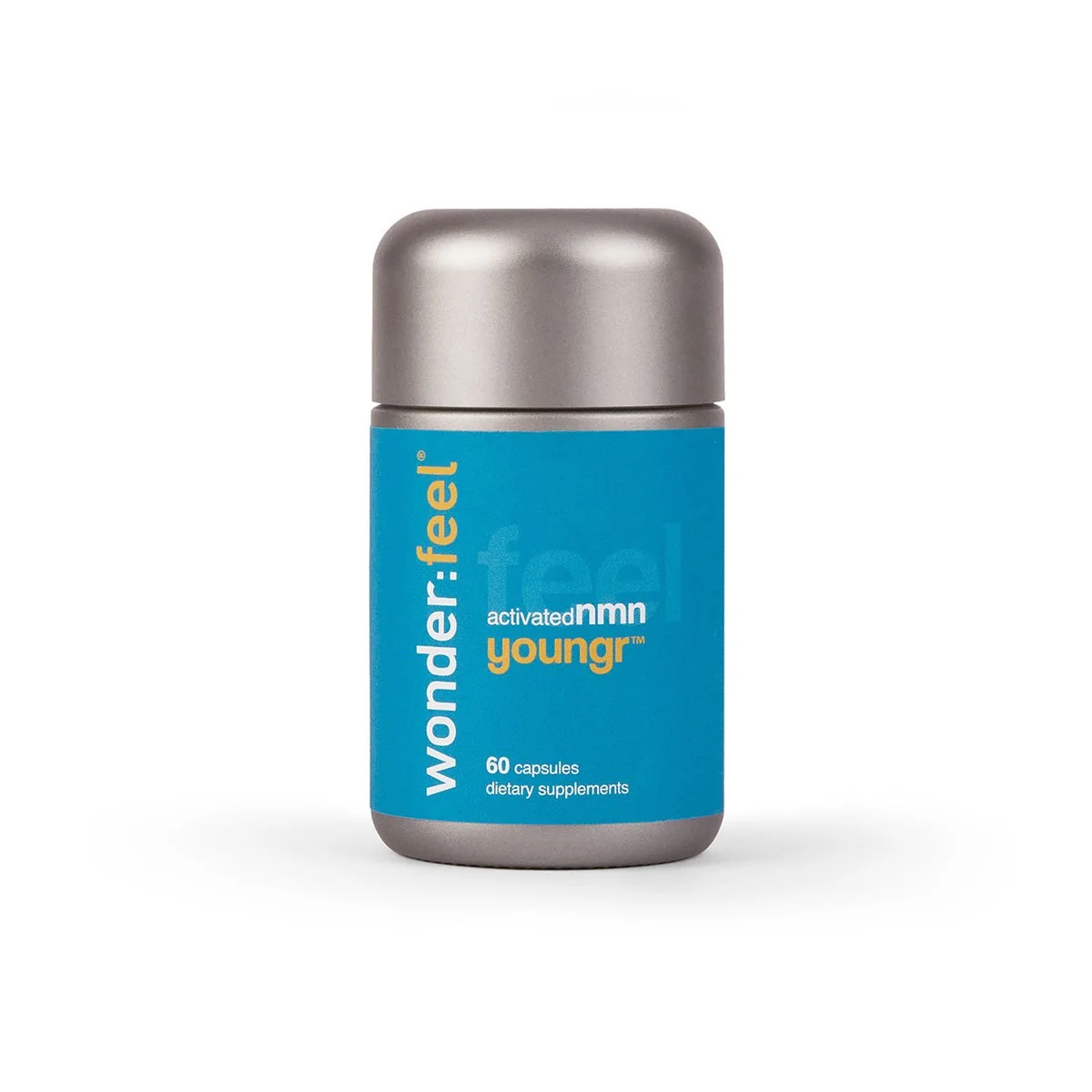
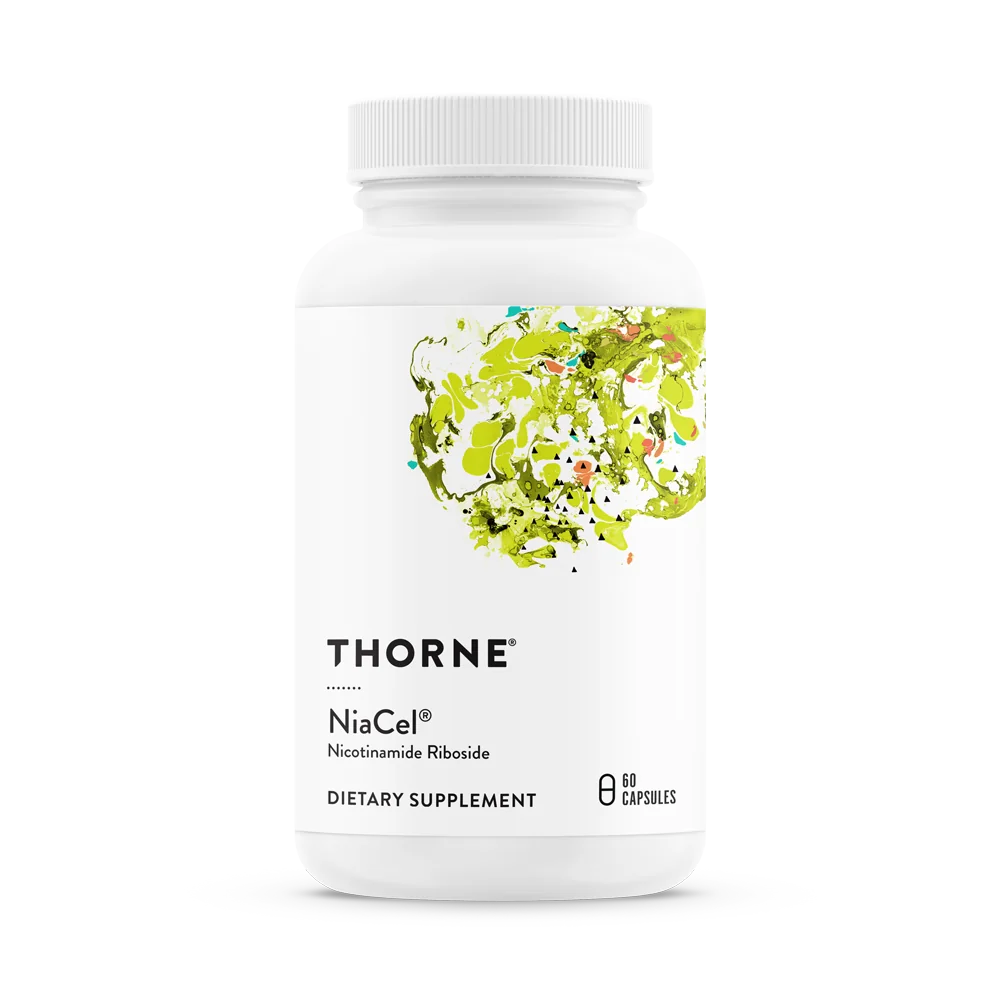
Products mentioned in this article
Related Guides
More articles you might find helpful
Best Bed Cooling Systems 2026: Eight Sleep vs Cheaper Alternatives
**Disclosure:** Product CTAs on this page currently go to manufacturer sites (no affiliate tracking yet). Better Vitals may earn a commission once partner links are live — rankings and "skip if" calls won't change when we swap URLs. We only recommend gear we'd put on a shortlist for a specific type
Is the Oura Membership Worth It in 2026? (And How to Skip It)
*Updated July 2026*
Oura Ring Price in 2026: Every Model, Subscription & Real Total Cost
*Updated July 2026*

Written by
Steve Luu
Health tech researcher