NMN vs NR: Which NAD+ Precursor Actually Works Better?
Key Takeaway
The NMN vs NR debate has split the longevity supplement world into camps. David Sinclair takes NMN. Charles Brenner (who discovered NR) argues his compound has the superior human evidence. Both men are legitimate researchers — Harvard and UC Irvine respectively — and their disagreement reflects genu

Affiliate Disclosure: BetterVitals may earn a commission from purchases made through links in this article, at no additional cost to you. This supports our independent research and analysis. We only recommend products we believe in after thorough evaluation.
Medical Disclaimer
This article is for educational purposes only and is not a substitute for professional medical advice, diagnosis, or treatment. Always consult your healthcare provider before making health decisions.
NMN vs NR: Which NAD+ Precursor Actually Works Better?
The NMN vs NR debate has split the longevity supplement world into camps. David Sinclair takes NMN. Charles Brenner (who discovered NR) argues his compound has the superior human evidence. Both men are legitimate researchers — Harvard and UC Irvine respectively — and their disagreement reflects genuine scientific uncertainty.
This comparison cuts through the tribalism to give you the practical answer based on available evidence. Up front, an important honesty note: neither compound has been shown to extend lifespan or reverse aging in humans. What the trials demonstrate is that both can raise NAD+ levels, plus some early metabolic signals. The bigger claims remain unproven.
Quick Verdict
Best human evidence: NR (Tru Niagen). Multiple replicated human RCTs showing blood NAD+ elevation.
Potential tissue advantages: NMN (sublingual). A specific transporter (Slc12a8) in skeletal muscle may give NMN preferential uptake in muscle tissue.
Best value: NR at equivalent NAD+ elevation. By molecular weight, NMN requires a somewhat higher dose to match NR's NAD+ elevation, making it more expensive per unit of effect.
Our recommendation: Start with NR (Tru Niagen 300mg) if evidence is your priority. Consider sublingual NMN if you're specifically targeting muscle function and want to test the tissue-advantage hypothesis.
A Regulatory Note on NMN (Read This First)
NMN's legal status in the United States is unsettled. The FDA has taken the position that NMN cannot be lawfully marketed as a dietary supplement because it was investigated as a drug, and enforcement stances have shifted over recent years. This is why some retailers have pulled NMN products and others continue to sell it. NR, by contrast, has established dietary-ingredient status. This regulatory uncertainty does not tell you which molecule is biologically superior, but it is a practical reason many people choose NR — supply and labeling are more stable. Always buy from a company that publishes third-party testing regardless of which you choose.
The Biochemistry: How They Differ
Both NMN and NR are precursors to NAD+ — they're converted to NAD+ through the salvage pathway. The pathway goes: NR → NMN → NAD+. This means NR has one more conversion step than NMN.
NR to NAD+: NR → NMN (via NRK kinase) → NAD+ NMN to NAD+: NMN → NAD+ (via NMNAT enzyme)
In theory, NMN should be more directly converted to NAD+ with fewer enzymatic steps. In practice, NMN's larger molecular size has historically raised bioavailability questions — does it enter cells intact, or is it dephosphorylated to NR before absorption?
A 2019 study by Grozio et al. identified a specific NMN transporter (Slc12a8) expressed in skeletal muscle and gut. This helped resolve a key debate: NMN can be taken up directly by cells expressing this transporter. The transporter appears upregulated in older tissues, potentially making NMN more effective in aging muscle — which is precisely where NAD+ decline matters most. It's worth noting this transporter finding has been debated among researchers and is not universally settled.
Human Clinical Evidence Comparison
| Study | Compound | Dose | Result |
|---|---|---|---|
| Martens et al. (2018), Nature Communications | NR | 1,000 mg/day | Increased blood NAD+ at 6 weeks |
| Elhassan et al. (2019), Cell Reports | NR | 1,000 mg/day | Elevated skeletal muscle NAD+, metabolic gene expression changes |
| Yoshino et al. (2021), Science | NMN | 250 mg/day | Improved muscle insulin sensitivity in postmenopausal women with prediabetes |
| Igarashi et al. (2022), npj Aging | NMN | 250 mg/day | Improved physical performance measures in older men at 12 weeks |
| Dellinger et al. (2017), npj Aging | NR (Basis) | 250 mg/day | Increased blood NAD+ at 8 weeks |
Evidence summary:
- NR: multiple independent human trials, replicated blood NAD+ elevation, some metabolic endpoints
- NMN: a handful of human trials, promising muscle/metabolic data, less replicated than NR
- Neither compound has long-duration lifespan data in humans
NR has the stronger evidence base by volume and independent replication. NMN's most interesting edge is specifically in muscle-related outcomes, where the transporter data is intriguing. These are early signals, not proof of anti-aging effects.
Side-by-Side Comparison
| Factor | NMN | NR |
|---|---|---|
| Molecular weight | 334.2 g/mol | 255.2 g/mol |
| Conversion to NAD+ | 1 step | 2 steps |
| Specific tissue transporter | Proposed (Slc12a8 in muscle) | No known specific transporter |
| Human RCTs | Fewer | More |
| Best-studied product | Varies by brand | Tru Niagen (ChromaDex) |
| Optimal dose (human trials) | 250-1,200 mg/day | 250-1,000 mg/day |
| US regulatory status | Unsettled/contested | Established dietary ingredient |
| Cost at effective dose | Slightly higher | Lower per equivalent effect |
| Sublingual option | Yes (marketed for bioavailability) | Limited |
How to Take Them: Dosing and Timing
Most human trials used 250-1,000 mg/day, and there is no strong evidence that higher doses produce proportionally better outcomes. A sensible starting point is 250-500 mg/day of either compound.
Timing: Take in the morning. There is a reasonable mechanistic argument for morning dosing because NAD+ metabolism follows a circadian rhythm, and some researchers caution against late-day dosing in case it nudges alertness. This is a soft recommendation, not a proven rule.
With or without food: Either is acceptable. Sublingual NMN is designed to be held under the tongue to bypass first-pass gut metabolism; capsules and powders are simply swallowed.
Cycling: There's no established need to cycle NAD+ precursors, and no evidence that continuous use causes tolerance or harm at these doses. That said, long-term human safety data beyond a year or two is limited, which is worth keeping in mind.
Browse All Products
Explore our evidence-based product reviews across every health category.
Who Should Choose NR
- Anyone who wants the compound with the most replicated, peer-reviewed human evidence
- People who prefer an ingredient with clear, stable regulatory status
- Budget-conscious buyers (NR tends to be less expensive per equivalent effect)
- Those wanting the specific Tru Niagen product used in clinical trials
Our NR pick: Tru Niagen 300mg (roughly $40/month). The product with the most clinical-trial validation.
Who Should Choose NMN
- People targeting muscle function specifically who want to test the transporter hypothesis
- Individuals following David Sinclair's publicly shared protocol
- Those wanting to try sublingual delivery
- People who tried NR without subjective benefit and want to experiment
Choose a brand that publishes third-party purity testing and, ideally, uses a sublingual or enteric formulation. Given NMN's contested regulatory status, sourcing quality matters even more than usual.
Common Mistakes and Misconceptions
- Expecting to "feel" it. Many people report no subjective change even with verified NAD+ elevation. Lack of a noticeable effect does not mean the supplement isn't raising NAD+.
- Mega-dosing. More is not clearly better, and it wastes money. Stay near trial-validated doses.
- Believing anti-aging marketing. No human study has shown these compounds extend lifespan, reverse aging, or prevent disease. Treat those claims as unproven.
- Ignoring the basics. Exercise, sleep, and not smoking influence NAD+ biology too, at no cost.
- Buying untested powder. Purity varies widely; third-party testing is non-negotiable.
What to Look For When Buying
Prioritize brands that publish a certificate of analysis or third-party testing for identity and purity. For NR, ChromaDex's Niagen is the branded, patented, and most-studied raw material. For NMN, favor reputable manufacturers with sublingual or enteric-coated delivery and transparent lab results. Avoid dramatic price outliers in either direction and any product making disease-cure claims — those are regulatory red flags. Review our affiliate disclosure for how we evaluate products.
Get smarter about health tech
Deal alerts, new reviews, and health tips — delivered weekly. No spam.
Unsubscribe anytime. We respect your inbox.
The Combination Question: Stack With Resveratrol or Pterostilbene?
Both Sinclair (NMN plus resveratrol) and Elysium (NR plus pterostilbene) propose combining NAD+ precursors with sirtuin activators. The rationale: NAD+ precursors provide the substrate; resveratrol or pterostilbene activate the sirtuins that use it.
The evidence for combining is largely theoretical and mechanistically plausible but not yet validated by human clinical outcomes. Pterostilbene has considerably better bioavailability than resveratrol and is the more practical choice if you decide to add a sirtuin activator.
Realistic Expectations and Timelines
Blood NAD+ elevation is typically measurable within 2-4 weeks of consistent dosing. Any subjective energy improvement, if it occurs, tends to show up in that same window — but a substantial number of people notice nothing. The metabolic endpoints seen in trials (insulin sensitivity, physical performance measures) emerged over roughly 8-12 weeks. Set expectations accordingly: this is a long-term, evidence-still-developing intervention, not a supplement with an obvious day-one effect.
Bottom Line
If replicated human evidence and stable availability matter most, start with NR — it is the better-documented, better-regulated, and generally cheaper option. Choose NMN if you specifically want to test the muscle-uptake hypothesis or follow Sinclair's protocol, and buy only third-party-tested product given its contested US status. Either way, stay near trial doses, expect subtle-to-invisible effects, and remember that no NAD+ precursor has been proven to extend human lifespan. Exercise and sleep remain the most reliable NAD+ "interventions" available.
FAQ
Is one definitively better than the other?
No — not based on current evidence. NR has more replicated human data showing blood NAD+ elevation. NMN may have tissue-specific advantages based on the Slc12a8 transporter. The honest answer is that we don't know which produces better health outcomes, because no long-duration comparison study in humans has been done.
Can I take both?
Yes, and some people do, but there's no evidence it's more effective than adequately dosing either alone. NAD+ biosynthesis has downstream rate-limiting steps — flooding the pathway with two precursors doesn't guarantee proportional increases. At equivalent cost, pick one and dose it well.
How long until I feel a difference?
Blood NAD+ elevation is measurable within 2-4 weeks. Subjective energy changes, if any, appear in a similar window, and many people report none. Metabolic and performance endpoints in trials took roughly 8-12 weeks of consistent use.
Is NMN legal to buy in the US?
Its status is unsettled. The FDA has signaled that NMN cannot be marketed as a dietary supplement, and availability has fluctuated. NR has clear dietary-ingredient status. This is a regulatory question, not a statement about which molecule works better.
Are there any side effects?
In trials, both compounds have been well tolerated at studied doses, with side effects generally mild and comparable to placebo. Long-term human safety data beyond a couple of years is limited. If you have a medical condition, take medications, or are pregnant or nursing, talk to your physician before starting.
Should I get my NAD+ levels tested?
It's optional and not necessary for most people. NAD+ testing is not yet standardized across labs, results can be hard to interpret, and the trials already establish that these precursors raise NAD+. Save the money unless you're running a personal experiment and want a before/after data point from the same lab.
Related guides: Best NAD+ Supplement 2026 | Best NMN Supplement | The NAD+ Pathway Explained
Affiliate Disclosure: Better Vitals may earn a commission when you purchase through our links. Our recommendations are based on independent research and, where possible, hands-on testing.
Featured Products
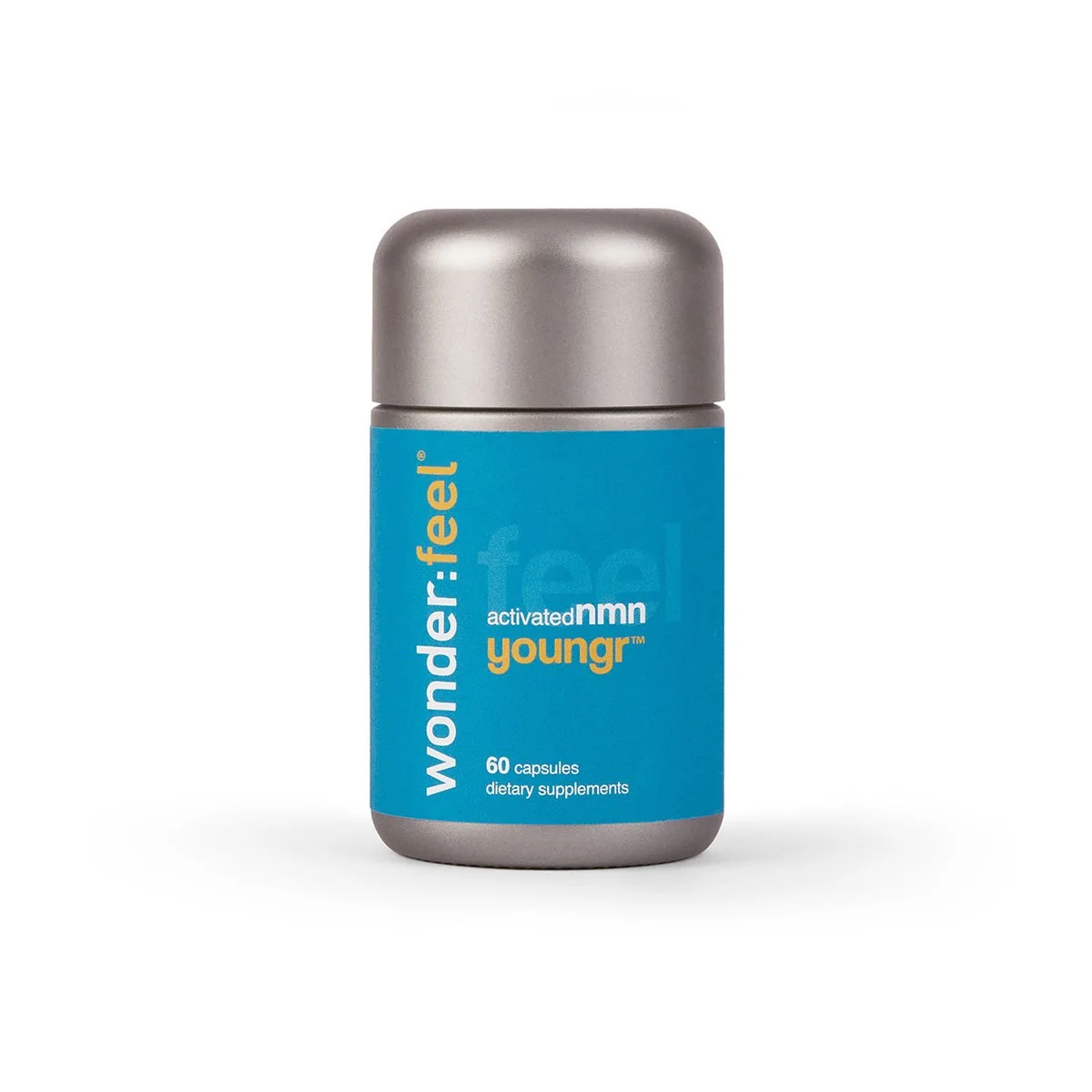
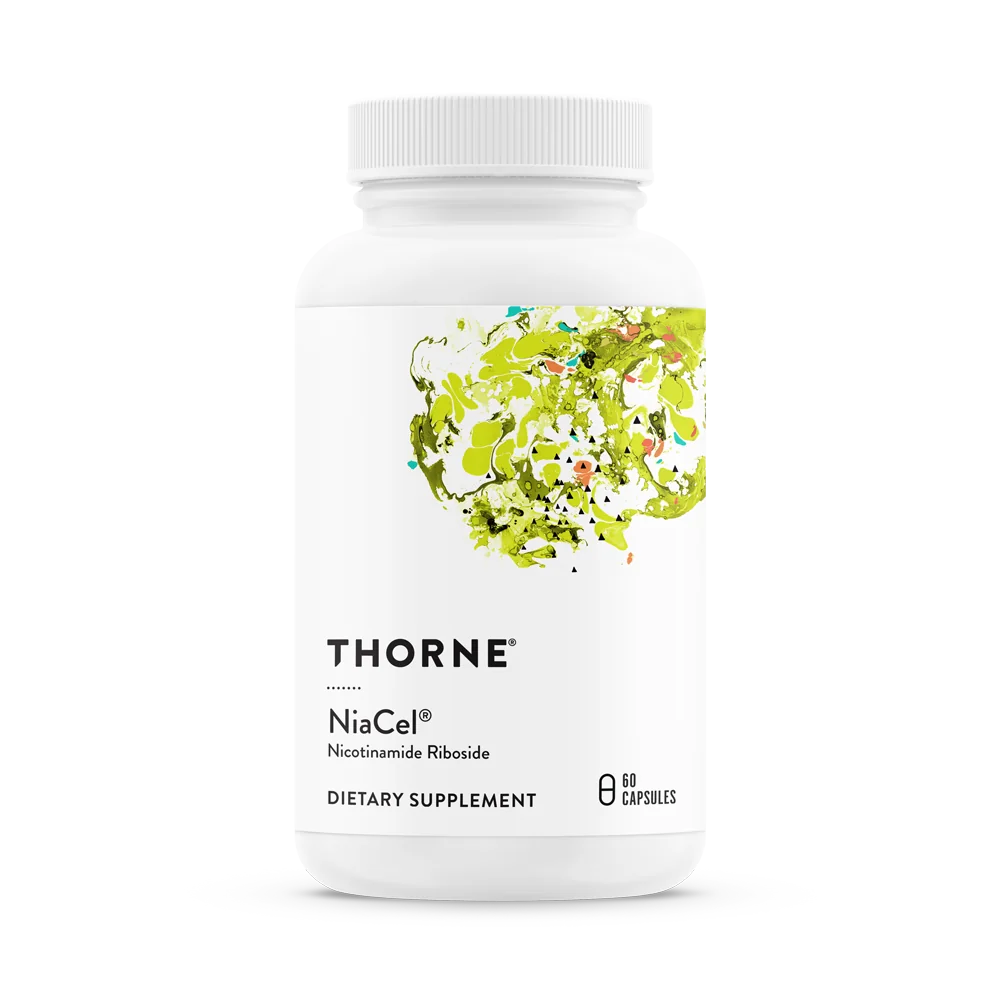
Products mentioned in this article
Related Guides
More articles you might find helpful
Wonderfeel Youngr vs NOVOS Boost (2026): Which NMN Wins?
*Updated July 2026*
Most Accurate CGM in 2026: MARD Scores Compared (Every Sensor)
*Updated July 2026*
Dexcom Stelo vs Abbott Lingo (2026): Accuracy, Price, App Compared
*Updated July 2026*

Written by
Steve Luu
Health tech researcher