Best Omega-3 Fish Oil Supplement 2026: Top Picks for Heart, Brain & Joint Health
Key Takeaway
This article is for informational purposes only and does not constitute medical advice. Consult your physician before starting any new supplement, especially if you are on blood thinners or have a bleeding disorder.
Affiliate Disclosure: BetterVitals may earn a commission from purchases made through links in this article, at no additional cost to you. This supports our independent research and analysis. We only recommend products we believe in after thorough evaluation.
Medical Disclaimer
This article is for educational purposes only and is not a substitute for professional medical advice, diagnosis, or treatment. Always consult your healthcare provider before making health decisions.
Best Omega-3 Fish Oil Supplement 2026: Top Picks for Heart, Brain & Joint Health
This article is for informational purposes only and does not constitute medical advice. Consult your physician before starting any new supplement, especially if you are on blood thinners or have a bleeding disorder.
If there's one supplement that actually has decades of rigorous evidence behind it, it's omega-3 fatty acids. Not collagen. Not greens powders. Not whatever adaptogenic mushroom blend just launched on Instagram. Omega-3s — specifically EPA and DHA from marine sources — sit in a class of their own when it comes to research depth and clinical relevance.
But here's the problem: most fish oil on the market is mediocre. Low EPA/DHA content padded with filler oils. Ethyl ester forms with questionable absorption. No third-party purity testing. Rancid products past their oxidation threshold. The industry has turned one of the most validated compounds in nutritional science into a race to the bottom.
We compared formulations, certifications, and independent lab data to find the fish oils that actually deliver. If you're building a longevity supplement stack, omega-3s should be foundational — but only if you choose the right one.
Why Omega-3s Matter
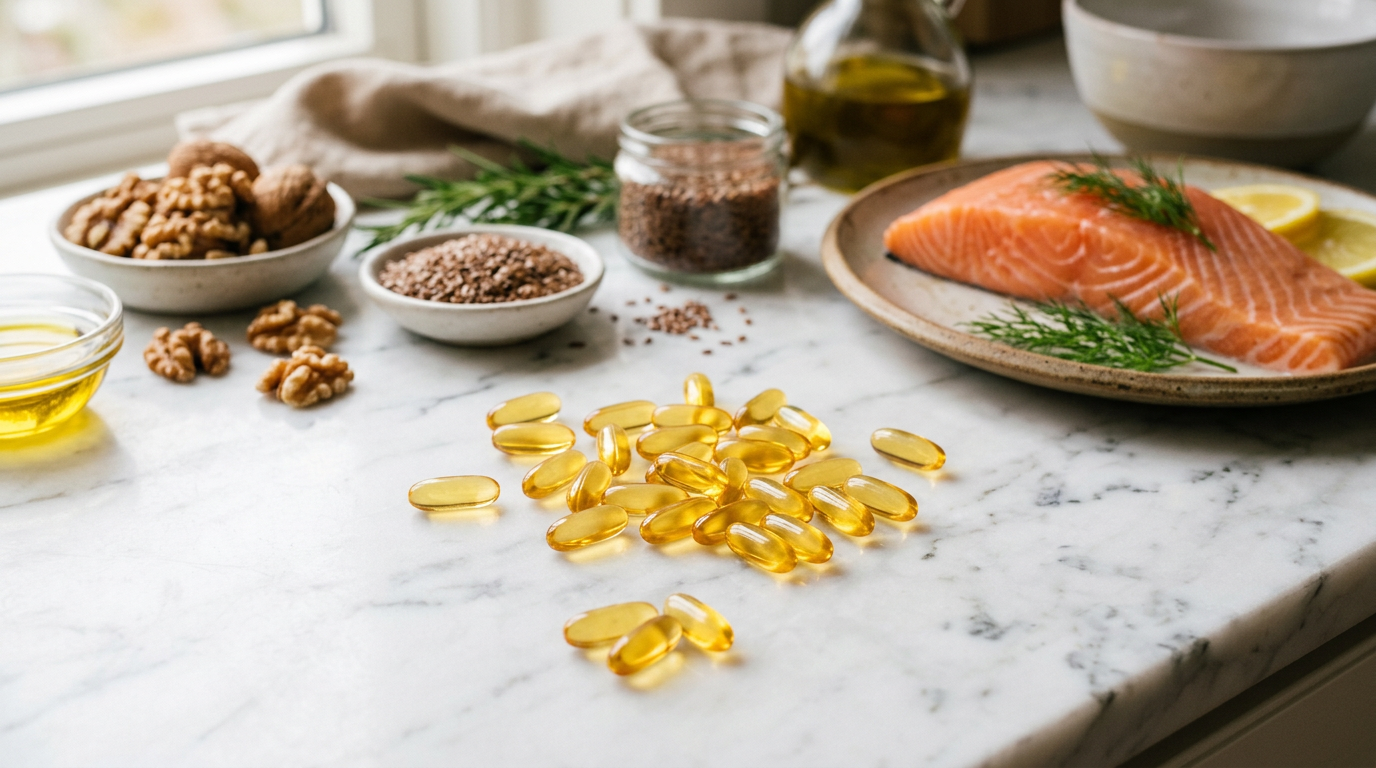
Omega-3 fatty acids are polyunsaturated fats your body cannot make on its own. The two that matter most are EPA (eicosapentaenoic acid) and DHA (docosahexaenoic acid), found primarily in fatty fish and marine algae. There's also ALA from plant sources like flaxseed, but your body converts ALA to EPA and DHA at painfully low rates — around 5-10% for EPA and under 5% for DHA. This is why direct marine-sourced supplementation matters.
Cardiovascular health is where the evidence is strongest. The REDUCE-IT trial, published in the New England Journal of Medicine in 2019, was a landmark moment for omega-3 research. The study followed 8,179 statin-treated patients with elevated triglycerides and gave them 4g/day of icosapent ethyl (a purified EPA formulation). The results were striking: a 25% relative reduction in major adverse cardiovascular events including cardiovascular death, heart attack, and stroke. This wasn't a small observational study — it was a randomized, double-blind, placebo-controlled trial with hard clinical endpoints.
A 2020 meta-analysis in the Journal of the American Heart Association pooling 13 RCTs with over 127,000 participants confirmed that marine omega-3 supplementation significantly reduces myocardial infarction, coronary heart disease death, and total CVD. Benefits scaled with dose.
Brain health is the other major domain. DHA makes up roughly 40% of the polyunsaturated fatty acids in the brain and is critical for neuronal membrane fluidity and signaling. Observational studies consistently link higher omega-3 intake to reduced risk of cognitive decline and dementia, though intervention trials have been more mixed. A 2022 study in the American Journal of Clinical Nutrition found that higher blood DHA levels were associated with a 49% lower risk of developing Alzheimer's disease, particularly in carriers of the APOE4 gene variant.
Joint and inflammation support rounds out the evidence base. EPA and DHA are precursors to resolvins and protectins — specialized pro-resolving mediators that actively shut down inflammatory cascades. Multiple trials have shown that 2-3g/day of EPA+DHA can reduce joint stiffness and pain in rheumatoid arthritis, sometimes enough to reduce NSAID use. If you're working on lowering cortisol and managing systemic inflammation, omega-3s are one of the more evidence-backed tools available.
What to Look for in a Fish Oil Supplement
Not all fish oils are created equal. Here's what actually matters when choosing a product:
EPA + DHA per serving, not total "fish oil" mg. This is the most common trick in the industry. A label might say "1,000mg fish oil" but deliver only 300mg of combined EPA+DHA. The rest is other fats with no demonstrated health benefit. Always flip the bottle and check the Supplement Facts panel for the actual EPA and DHA numbers.
Triglyceride form vs. ethyl ester form. Fish oil naturally occurs as triglycerides. During concentration, many manufacturers convert it to ethyl esters — a synthetic form that's cheaper to produce but absorbs roughly 50-70% less efficiently than the triglyceride form, according to a 2010 study in Prostaglandins, Leukotrienes and Essential Fatty Acids. Premium products re-esterify back to triglyceride (rTG) form. It costs more, but you actually absorb what you're paying for.
IFOS certification. The International Fish Oil Standards program is the gold standard for third-party testing. IFOS tests for EPA/DHA content accuracy, oxidation levels (peroxide value, anisidine value, total oxidation), heavy metals (mercury, lead, arsenic, cadmium), PCBs, and dioxins. A 5-star IFOS rating means the product passed all categories with the highest marks. If a brand doesn't have IFOS certification or equivalent third-party testing, that's a red flag.
Oxidation levels. Rancid fish oil isn't just unpleasant — it may be actively harmful. Oxidized omega-3s can promote inflammation rather than reduce it. Look for products that publish their TOTOX (total oxidation) values. The voluntary standard set by the Global Organization for EPA and DHA Omega-3s (GOED) is a TOTOX value below 26, but the best products come in well under 10.
Sustainability certifications. Overfishing is a real concern. Look for MSC (Marine Stewardship Council) or FOS (Friend of the Sea) certifications, which indicate the fishery is managed sustainably. Most top-tier brands source from wild-caught small fish like anchovies, sardines, and mackerel — species that are lower on the food chain and less prone to heavy metal bioaccumulation.
Browse All Products
Explore our evidence-based product reviews across every health category.
Best Omega-3 Supplements 2026
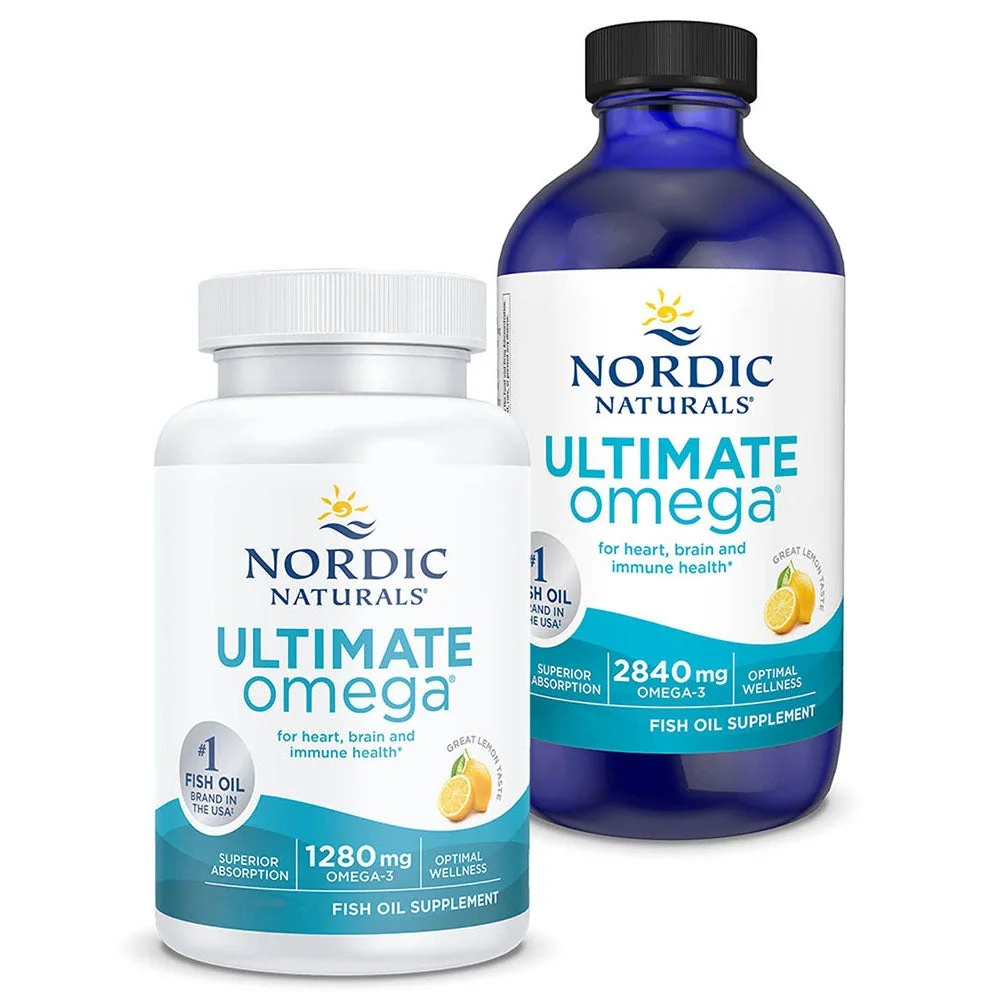
Nordic Naturals Ultimate Omega — Best Overall
EPA/DHA per serving: 650mg EPA / 450mg DHA (2 softgels) Form: Triglyceride (rTG) Certifications: IFOS 5-star, Friend of the Sea, Non-GMO Verified Price: ~$0.50/day at standard dose
Nordic Naturals is the brand that other fish oil companies benchmark against. The Ultimate Omega delivers a solid 1,100mg combined EPA+DHA per two-softgel serving in the superior triglyceride form. Every batch is IFOS 5-star certified with published Certificates of Analysis, and their TOTOX values consistently come in well below industry limits.
Pros: Excellent third-party testing transparency, triglyceride form for superior absorption, lemon-flavored to minimize fishy burps, widely available, sustainable Norwegian sourcing.
Cons: Two softgels for the full serving, moderate per-day cost, and you'll need 4-6 softgels daily for high therapeutic doses.
The fish oil we'd recommend to most people who want a reliable, well-tested product without overthinking it.
Momentous Omega-3 — Best for Athletes
EPA/DHA per serving: 1,500mg EPA / 1,000mg DHA (3 softgels) Form: Triglyceride (rTG) Certifications: IFOS 5-star, NSF Certified for Sport Price: ~$1.50/day at standard dose
Momentous has quietly built one of the most respected supplement lines in the performance space, and their omega-3 is no exception. The standout here is the NSF Certified for Sport designation — critical if you're a competitive athlete subject to drug testing. The EPA+DHA payload is also significantly higher per serving than most competitors.
Pros: Very high EPA+DHA per serving (2,500mg combined), NSF Certified for Sport, triglyceride form, IFOS 5-star, sustainably sourced.
Cons: Premium price point, three softgels for the full serving, primarily direct-to-consumer. Athletes will find the NSF certification worth it, but casual users can get comparable EPA+DHA for less.
Carlson Elite Omega-3 Gems — Best Value
EPA/DHA per serving: 800mg EPA / 400mg DHA (2 softgels) Form: Triglyceride (rTG) Certifications: IFOS 5-star, IGEN Non-GMO Tested Price: ~$0.35/day at standard dose
Carlson has been making fish oil since 1982 — long before omega-3s became a wellness trend. The Elite Omega-3 Gems deliver an impressive 1,200mg combined EPA+DHA per two-softgel serving in triglyceride form, all at one of the lowest per-day costs in the premium tier. They source from deep, cold-water fish off the Norwegian coast and process in a facility regulated by the Norwegian Medicines Agency.
Pros: Excellent price-to-quality ratio, high EPA+DHA, triglyceride form, IFOS certified, lemon-flavored, family-owned with a 40+ year track record.
Cons: Less marketing presence means harder to find in stores, larger softgels, no sport-specific certification.
If you want top-tier quality without paying a premium brand markup, Carlson is the move.
Thorne Super EPA — Best High-EPA Formula
EPA/DHA per serving: 425mg EPA / 270mg DHA (1 gelcap) Form: Triglyceride Certifications: NSF Certified for Sport, IFOS tested Price: ~$0.70/day at 2-gelcap dose
Thorne's Super EPA tilts the EPA-to-DHA ratio heavily toward EPA, which is relevant if you're specifically targeting inflammation or cardiovascular outcomes — most of the positive clinical trial data, including REDUCE-IT, used high-EPA protocols. Thorne is also one of the most clinician-trusted brands in the supplement space, with NSF Certified for Sport status.
Pros: High EPA ratio, single-gelcap serving makes it easy to dose precisely, NSF Certified for Sport, Thorne's reputation for quality control, smaller gelcap size than most fish oils.
Cons: The per-gelcap EPA+DHA is lower than some competitors, so you may need 2-3 caps to hit therapeutic doses. Price per gram of EPA+DHA is higher than Carlson or Nordic Naturals. DHA content is lower if brain health is your primary goal.
A good choice if your doctor has specifically recommended high-EPA supplementation for cardiovascular or inflammatory conditions.
Sports Research Triple Strength — Best Amazon Value
EPA/DHA per serving: 745mg EPA / 500mg DHA (1 softgel) Form: Triglyceride (rTG) Certifications: IFOS 5-star, MSC Certified, Non-GMO Verified Price: ~$0.30/day
Sports Research punches well above its weight class. A single softgel delivers 1,245mg of combined EPA+DHA in triglyceride form — one of the highest single-cap potencies on the market. IFOS 5-star certified with MSC sustainability certification. And the price is extremely competitive.
Pros: Outstanding EPA+DHA per single softgel, triglyceride form, IFOS 5-star, MSC certified, very affordable, one-cap serving.
Cons: Less established brand, primarily Amazon-available (less control over storage and freshness), large softgels.
For Amazon shoppers who want a single-pill solution with legitimate third-party testing, hard to beat on value.
Nordic Naturals Algae Omega — Best Vegan Option
EPA/DHA per serving: 195mg EPA / 390mg DHA (2 softgels) Form: Triglyceride Certifications: Vegan Certified, Non-GMO Verified, Friend of the Sea Price: ~$0.75/day
If you follow a plant-based diet, algae-derived omega-3 is your only direct source of EPA and DHA that doesn't involve fish. Nordic Naturals' Algae Omega sources from microalgae — the same organisms that fish eat to accumulate their own omega-3s. You're going straight to the source.
Pros: 100% plant-based and vegan, no fish allergen concerns, sustainable (no fishing involved), triglyceride form, same Nordic Naturals quality standards.
Cons: Lower EPA+DHA per serving than fish-based options, higher cost per gram, need 4+ softgels for 1g+ EPA+DHA. The ratio skews heavily toward DHA — fine for brain health, less ideal for cardiovascular protocols.
If you're vegan and serious about omega-3s, this is the best option — just expect more capsules and higher cost per gram than fish oil.
Fish Oil vs. Krill Oil vs. Algae Oil
This is one of the most common questions we get, so let's address it directly.
Fish oil delivers the highest EPA+DHA per capsule at the lowest cost. It's the most studied form and the basis for virtually all major omega-3 clinical trials.
Krill oil contains EPA and DHA bound to phospholipids, which may slightly improve absorption. It also contains astaxanthin, a potent antioxidant. However, the EPA+DHA per capsule is dramatically lower — typically 100-150mg combined versus 500-1,200mg in concentrated fish oil. You'd need 8-10 krill oil capsules to match a single premium fish oil softgel. The phospholipid absorption advantage doesn't offset this gap.
Algae oil is the only vegan-friendly source of preformed EPA and DHA. It's sustainable and contaminant-free, but lower potency and higher cost. For vegans, it's the clear choice.
Our take: unless you have a specific reason to choose krill or algae, high-quality fish oil in triglyceride form remains the most practical way to get meaningful EPA and DHA.
Get smarter about health tech
Deal alerts, new reviews, and health tips — delivered weekly. No spam.
Unsubscribe anytime. We respect your inbox.
How Much Omega-3 Do You Need?
This depends on your goals, but here are the evidence-based guidelines:
General health maintenance: The AHA recommends fatty fish at least twice per week, providing roughly 500mg EPA+DHA daily. If you don't eat fish regularly, supplementing 1,000mg combined EPA+DHA per day is a reasonable baseline.
Cardiovascular risk reduction: REDUCE-IT used 4g/day of purified EPA, but that's prescription-grade. For general cardiovascular support, most cardiologists suggest 1-2g combined EPA+DHA daily. The AHA's 2019 science advisory supports 2-4g/day for elevated triglycerides, under physician supervision.
Anti-inflammatory and joint support: Studies showing joint benefits typically use 2-3g/day of combined EPA+DHA for 8-12 weeks. Omega-3s work slowly by modulating cell membrane composition and inflammatory signaling, not by acute pain relief.
Brain health: No universally agreed therapeutic dose, but research trends toward at least 1g/day with emphasis on DHA. The Alzheimer's Disease Cooperative Study used 2g DHA/day.
One practical note: if you eat fatty fish regularly — salmon, mackerel, sardines — you may already be getting adequate EPA+DHA from food. A diet-first approach is always preferable. If you're following one of the best diets for longevity that emphasizes seafood, you might need less supplementation than you think.
Omega-3s work best as part of a broader strategy. Our guide to the best supplements for longevity lays out the full evidence hierarchy.
FAQ
Is fish oil safe to take every day? For most people, yes. Doses up to 3g/day are recognized as safe by the FDA. Higher doses (3-4g+) should be discussed with your doctor, particularly if you take blood thinners, as omega-3s have mild anticoagulant effects. Common side effects — fishy aftertaste and mild GI discomfort — are reduced by choosing triglyceride-form products and taking them with food.
When is the best time to take fish oil? With a meal that contains fat. Omega-3 absorption improves significantly when taken with dietary fat — a 2019 study in the Journal of the Academy of Nutrition and Dietetics found that taking omega-3s with a high-fat meal increased absorption by up to 3x compared to taking them on an empty stomach. Morning or evening doesn't matter; consistency matters more than timing.
How do I know if my fish oil is rancid? Cut open a softgel or smell the liquid. Fresh fish oil should smell mildly oceanic at most — not strongly fishy. If it smells pungent, sharp, or paint-like, it's oxidized. You can also check the product's TOTOX value if published. A simple at-home test: if it causes significant fishy burps or nausea, that's often a sign of oxidation rather than a normal side effect of omega-3s.
Do I need omega-3 if I eat salmon twice a week? Possibly not. Two 6-oz servings of wild salmon provide roughly 3,000-4,500mg of EPA+DHA per week, which works out to about 430-640mg/day. That's in the range of general health recommendations. If you consistently eat fatty fish 2-3 times weekly, supplementation may be redundant for general health — though people targeting higher therapeutic doses for cardiovascular or inflammatory conditions may still benefit from additional supplementation.
Is plant-based ALA (from flaxseed or chia) enough? For most people, no — not as a sole omega-3 source. ALA conversion to EPA is roughly 5-10%, and to DHA under 5%. ALA has its own benefits, but if your goal is the cardiovascular and brain health outcomes from clinical trials, you need preformed EPA and DHA — from fish oil or algae supplements.
Featured Products
Products mentioned in this article
Related Guides
More articles you might find helpful
Best Bed Cooling Systems 2026: Eight Sleep vs Cheaper Alternatives
**Disclosure:** Product CTAs on this page currently go to manufacturer sites (no affiliate tracking yet). Better Vitals may earn a commission once partner links are live — rankings and "skip if" calls won't change when we swap URLs. We only recommend gear we'd put on a shortlist for a specific type
Is the Oura Membership Worth It in 2026? (And How to Skip It)
*Updated July 2026*
Oura Ring Price in 2026: Every Model, Subscription & Real Total Cost
*Updated July 2026*

Written by
Steve Luu
Health tech researcher