Best Greens Powder 2026: Top Picks Beyond AG1
Key Takeaway
This is not medical advice. Consult your physician before starting any supplement, especially if you have existing medical conditions or take prescription medications.
Affiliate Disclosure: BetterVitals may earn a commission from purchases made through links in this article, at no additional cost to you. This supports our independent research and analysis. We only recommend products we believe in after thorough evaluation.
Medical Disclaimer
This article is for educational purposes only and is not a substitute for professional medical advice, diagnosis, or treatment. Always consult your healthcare provider before making health decisions.
Best Greens Powder 2026: Top Picks Beyond AG1
This is not medical advice. Consult your physician before starting any supplement, especially if you have existing medical conditions or take prescription medications.
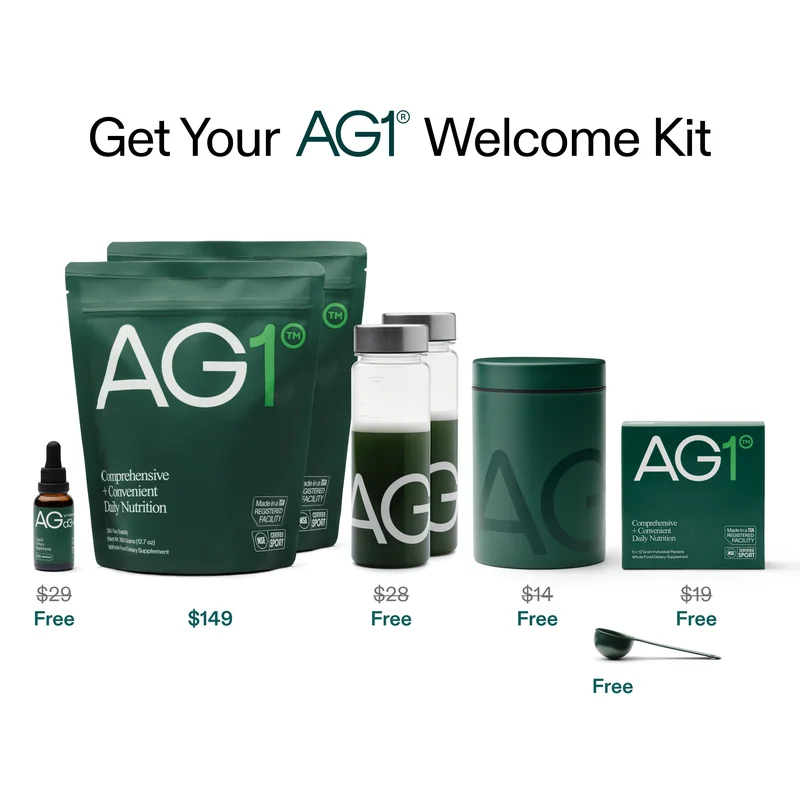
AG1 dominates the greens powder conversation. It sponsors seemingly every podcast, every YouTuber, and every wellness influencer in existence. And to be fair, it's earned some of that attention—AG1 is one of the few greens powders backed by actual clinical trials. But at $79-99/month, it's also one of the most expensive.
Here's what the AG1 marketing machine doesn't tell you: the greens powder market has matured significantly. Several competitors now offer transparent labeling, third-party testing, and solid formulations at a fraction of the price. Some even beat AG1 in specific categories like ingredient transparency or whole-food sourcing.
I've spent weeks comparing formulations, digging through certificates of analysis, testing products personally, and cross-referencing the clinical literature. This guide covers the best greens powders in 2026—including AG1 where it deserves recognition, and the alternatives that might actually be a better fit for your needs and budget.
Do Greens Powders Actually Work?
Let's be honest before I recommend anything: the evidence for greens powders is real but nuanced.
What the Research Supports
Several studies show that greens powder supplementation can improve markers of nutritional adequacy. AG1's own clinical trials (four randomized, double-blind, placebo-controlled studies published in 2025-2026) demonstrated meaningful improvements in nutrient biomarkers including homocysteine reduction, increased plasma vitamin C, and selective enrichment of beneficial gut bacteria like Lactiplantibacillus plantarum and Bifidobacterium animalis. I covered these trials in detail in our AG1 Athletic Greens review.
Beyond AG1-specific research, a 2023 systematic review in Nutrients found that multi-ingredient greens supplements generally improved markers of antioxidant status and reduced oxidative stress in healthy adults. A 2019 study published in the Journal of the International Society of Sports Nutrition reported that a fruit-and-vegetable powder concentrate improved subjective energy levels and markers of immune function over 90 days.
Probiotic strains commonly included in greens powders (particularly Lactobacillus acidophilus, Bifidobacterium lactis, and Lactobacillus plantarum) have independent research supporting their role in gut barrier integrity, immune modulation, and microbiome diversity.
What the Research Doesn't Support
Greens powders are not a replacement for whole vegetables. Full stop. Whole vegetables provide fiber matrix structure, water content, phytonutrient synergies, and satiety signals that no powder can replicate. A 2022 review in Advances in Nutrition emphasized that the health benefits of vegetable consumption—reduced cardiovascular risk, lower all-cause mortality, improved glycemic control—are largely attributed to the whole-food matrix, not isolated compounds.
Many greens powder marketing claims around "detoxification," "alkalizing the body," or "reversing aging" are not supported by clinical evidence. Your body has a liver and kidneys that handle detoxification. Blood pH is tightly regulated regardless of what you eat.
The Honest Take
Think of greens powders as nutritional insurance, not a magic bullet. They fill gaps on days when your vegetable intake falls short—which, according to CDC data, is most days for most Americans (only 1 in 10 adults meets minimum fruit and vegetable recommendations). Combined with a diet that already prioritizes whole foods, a quality greens powder can provide a meaningful micronutrient and probiotic boost. If you're interested in the broader supplement picture, see our guide to the best supplements for longevity.
What to Look for in a Greens Powder
Not all greens powders are created equal. Before comparing specific products, here's what separates the good from the garbage.
Third-Party Testing
This is non-negotiable. The supplement industry is loosely regulated, and independent testing is the only way to verify that what's on the label is actually in the product—and that what shouldn't be there (heavy metals, pesticides, microbial contamination) isn't.
Look for certifications from NSF International, NSF Certified for Sport, USP, Informed Sport, or certificates of analysis (COAs) from independent labs. If a company won't share third-party testing results, that's a red flag.
Ingredient Transparency (No Proprietary Blends)
A "proprietary blend" lists ingredients but hides individual dosages. This means a product could contain 5,000mg of cheap filler ingredients and trace amounts of the expensive stuff—and you'd never know. Companies hide behind proprietary blends for two reasons: either they're underdosing key ingredients or they're protecting a genuinely unique formula. In the greens powder space, it's almost always the former.
The best greens powders list exact amounts of every ingredient. If you can't see how much spirulina, chlorella, or probiotics you're actually getting per serving, move on.
Probiotic Inclusion and CFU Count
Probiotics add meaningful value to a greens powder—but only if they're included in clinically relevant amounts and from strains with actual research behind them. Look for at least 1-2 billion CFU from well-studied strains. Higher CFU counts aren't automatically better; strain specificity and survival through the digestive tract matter more than raw numbers.
No Artificial Sweeteners or Unnecessary Fillers
Some greens powders load up on sucralose, acesulfame potassium, or artificial flavors to mask the taste of, well, powdered vegetables. While occasional artificial sweetener consumption isn't the health crisis some claim, it seems counterproductive in a product marketed as "clean nutrition." Natural sweeteners like stevia, monk fruit, or coconut sugar are preferable here.
Heavy Metal Testing
Greens powders concentrate plant materials, and plants bioaccumulate heavy metals from soil. Lead, arsenic, cadmium, and mercury contamination is a real concern in the superfood supplement space. The best brands test every batch for heavy metals and publish results. This matters more than most consumers realize—some independent analyses have found concerning levels in popular products.
Browse All Products
Explore our evidence-based product reviews across every health category.
Best Greens Powders 2026
After comparing over two dozen products on formulation, testing, taste, transparency, and value, here are the six that earned a recommendation.
1. AG1 Athletic Greens — Best Overall (If Budget Allows)
Key specs:
- Ingredients: 75+ across five proprietary blends
- Probiotics: 7.2 billion CFU (multiple strains)
- Third-party testing: NSF Certified for Sport
- Taste: Mildly sweet, tropical-citrus, smooth texture
- Price: $79/month (subscription) / $99/month (one-time)
- Per serving: ~$2.63-$3.30/day
Yes, AG1 makes this list despite the price. Here's why: it's the only greens powder with multiple published clinical trials testing the actual finished product (not just individual ingredients). The four RCTs demonstrate real improvements in nutrient biomarkers, microbiome composition, and nutritional adequacy. NSF Certified for Sport verification adds another layer of trust. The formula is comprehensive—vitamins, minerals, probiotics, prebiotics, adaptogens, and whole-food extracts in a single scoop.
The downsides are real, though. The price is steep. The proprietary blends mean you can't verify individual ingredient dosages. And 75+ ingredients raises the question of whether any single ingredient is present in a clinically meaningful dose. For a deep dive into the pros and cons, read our full AG1 Athletic Greens review.
Best for: People who want a single, clinically validated, all-in-one supplement and don't mind paying premium prices.
2. Transparent Labs Prebiotic Greens — Best Value
Key specs:
- Ingredients: 25+ with full dosage disclosure
- Probiotics: 10 billion CFU (Bacillus subtilis DE111)
- Third-party testing: Third-party tested, COAs available
- Taste: Earthy-green with a slight citrus note
- Price: ~$39.99/30 servings
- Per serving: ~$1.33/day
Transparent Labs lives up to its name. Every single ingredient is listed with its exact dosage—no proprietary blends, no guessing. You can see exactly how much spirulina (3,000mg), chlorella (1,500mg), and prebiotic fiber you're getting per scoop. The 10 billion CFU of Bacillus subtilis DE111 is a spore-based probiotic with good research supporting gut health and immune function, and spore-based strains survive shelf storage and stomach acid better than many traditional probiotic strains.
The formula is more focused than AG1—fewer ingredients, but each at dosages you can actually verify. It includes a solid prebiotic fiber blend (organic acacia fiber and organic Jerusalem artichoke) that feeds your existing gut bacteria, which arguably matters as much as the probiotics themselves.
The taste isn't as refined as AG1, and it doesn't include the vitamin/mineral coverage that AG1 provides. You may need a separate multivitamin if you're looking for full micronutrient coverage.
Best for: Ingredient-conscious consumers who want to know exactly what they're taking and value transparency over brand prestige.
3. Garden of Life Raw Organic Perfect Food — Best Whole Food Formula
Key specs:
- Ingredients: 34 raw organic greens, sprouts, and vegetable juices
- Probiotics: 1.5 billion CFU (included via fermentation)
- Third-party testing: USDA Organic, Non-GMO Project Verified, NSF Certified Gluten-Free
- Taste: Earthy, grassy—genuinely tastes like vegetables
- Price: ~$38.99/30 servings
- Per serving: ~$1.30/day
Garden of Life takes a fundamentally different approach. Instead of packing in dozens of extract compounds, they focus on organic whole-food sourced greens and sprouted ingredients. Everything is raw, organic, and derived from actual food rather than synthesized nutrients. The ingredients include organic wheat grass juice, organic barley grass juice, organic alfalfa grass juice, organic oat grass juice, and a host of organic vegetable juices.
The sprouted ingredient approach has some science behind it—sprouting increases bioavailability of nutrients and reduces antinutrient content. The product is also cold-processed to preserve enzyme activity, though the real-world significance of enzyme preservation in a powdered supplement is debatable.
Where Garden of Life falls short: the probiotic count is lower than competitors, and the formula doesn't include the adaptogens, additional vitamins, or comprehensive micronutrient coverage that AG1 provides. The taste is also quite "green"—this product doesn't try to hide what it is. Some people appreciate the authenticity; others will find it difficult to drink daily.
Best for: Whole-food purists who want their greens supplement to be as close to actual vegetables as possible.
4. Amazing Grass Greens Blend — Best Budget Option
Key specs:
- Ingredients: Organic wheat grass, barley grass, alfalfa, spirulina, chlorella, plus antioxidant blend
- Probiotics: Includes a probiotic and enzyme blend
- Third-party testing: USDA Organic, Non-GMO Project Verified
- Taste: Multiple flavors available; Original is earthy, Berry is more palatable
- Price: ~$22.99/30 servings
- Per serving: ~$0.77/day
Amazing Grass has been in the greens powder space since 2002—long before it was trendy. Their Original formula provides a solid baseline of organic greens (wheat grass, barley grass, alfalfa, spirulina, chlorella, broccoli, spinach) plus an antioxidant blend of organic fruits and vegetables. At under $0.80 per serving, it's accessible for people who want daily greens coverage without a significant financial commitment.
The formula isn't going to compete with AG1 or Transparent Labs on ingredient depth or probiotic potency. The proprietary blends mean you don't know exact dosages. But for the price point, the ingredient quality (organic, non-GMO) is respectable. The Berry flavor is legitimately enjoyable and mixes well with smoothies, which matters for compliance—the best supplement is the one you'll actually take.
Best for: Budget-conscious consumers who want a simple, organic greens foundation without paying premium prices.
5. Bloom Nutrition Greens & Superfoods — Best Tasting
Key specs:
- Ingredients: 30+ including greens blend, digestive enzyme blend, antioxidant fruit blend
- Probiotics: Included in digestive blend
- Third-party testing: Third-party tested
- Taste: Excellent—flavors like Citrus Dream, Berry, and Mango are genuinely enjoyable
- Price: ~$39.99/30 servings
- Per serving: ~$1.33/day
Bloom exploded on TikTok and social media for a reason: it actually tastes good. While taste shouldn't be the primary factor in choosing a supplement, it's far from irrelevant. Compliance is everything with daily supplements—if your greens powder tastes like lawnmower clippings, you'll stop taking it within a week.
Bloom includes a greens blend (organic wheat grass, barley grass, spirulina, chlorella), a digestive enzyme blend, a fruit and vegetable antioxidant blend, and a probiotic blend. The flavors are designed to be mixed with water alone (no smoothie required), and they deliver.
The honest downside: Bloom's formula is less robust than several competitors at the same price point. The ingredient dosages are on the lower side, the probiotic count isn't disclosed with specificity, and it doesn't include the prebiotic fiber or adaptogen support you'll find in AG1 or Transparent Labs. The popularity is largely marketing-driven, and the product is more "greens-flavored drink" than serious supplement. If taste is what keeps you consistent, Bloom is a perfectly fine choice. If maximizing nutritional impact per dollar matters more, Transparent Labs or Garden of Life offer more substance for similar money.
Best for: People who have tried greens powders before and quit because of taste, or anyone prioritizing daily consistency.
6. Enso Supergreens — Best AG1 Alternative at Lower Price
Key specs:
- Ingredients: 20+ including greens, adaptogens (ashwagandha, rhodiola), and mushroom extracts
- Probiotics: 5 billion CFU
- Third-party testing: Third-party tested, heavy metal testing disclosed
- Taste: Slightly minty, clean finish
- Price: ~$49.99/30 servings
- Per serving: ~$1.67/day
Enso is the most direct AG1 competitor on this list. It aims to replicate the "all-in-one" approach—greens, probiotics, adaptogens, and mushroom extracts—at roughly half the price. The adaptogen inclusion (ashwagandha KSM-66, rhodiola rosea) is meaningful; KSM-66 is one of the most clinically studied ashwagandha extracts, with research supporting cortisol reduction and stress management. The functional mushroom blend (lion's mane, reishi, cordyceps) adds a nootropic and immune-support dimension that most greens powders lack.
At 5 billion CFU, the probiotic dosage is solid if not industry-leading. Heavy metal testing is disclosed, which is reassuring. The ingredient list is more focused than AG1's 75+ ingredients, which could be either a pro or a con depending on your perspective—fewer ingredients may mean more clinically relevant dosages of each.
Where Enso falls short of AG1: no NSF Certified for Sport verification, no published clinical trials on the finished product, and a shorter track record. You're trading clinical validation and brand maturity for a significantly lower price and a formula that prioritizes ingredient quality in key categories over sheer breadth.
Best for: People who want AG1's all-in-one approach—greens plus adaptogens plus probiotics—without the $99/month commitment.
AG1 vs the Competition
AG1's biggest advantage isn't any single ingredient—it's the clinical data. No other greens powder on this list has published randomized controlled trials testing the actual finished product. That's a meaningful differentiator in an industry where most claims are extrapolated from ingredient-level studies that may not translate to real-world products with different dosages and formulations.
AG1 is also the only product here with NSF Certified for Sport verification, which means every batch is independently tested for over 270+ banned substances and contaminants. For athletes subject to drug testing, this matters enormously. For everyone else, it's still a strong quality signal.
But here's the counterargument: AG1's proprietary blends mean you can't verify that any individual ingredient hits its clinically studied dose. The clinical trials showed the product works as a whole, but you're trusting the formulation on faith rather than verifiable dosage data. Transparent Labs gives you full dosage transparency at less than half the price—you just don't have product-level clinical trials to confirm efficacy.
The value calculation depends on what you prioritize. If clinical validation, brand track record, and convenience matter most, AG1 justifies the premium. If ingredient transparency and cost-effectiveness matter more, several alternatives deliver comparable or superior value per dollar.
For a comprehensive breakdown of the AG1 formula, clinical data, and whether it's worth the investment for your situation, see our AG1 Athletic Greens review.
Get smarter about health tech
Deal alerts, new reviews, and health tips — delivered weekly. No spam.
Unsubscribe anytime. We respect your inbox.
How to Get the Most from Your Greens Powder
Buying a quality greens powder is step one. Using it correctly is step two.
Take It on an Empty Stomach
Most greens powders, including AG1, recommend taking them on an empty stomach, ideally 10-15 minutes before your first meal. This maximizes nutrient absorption—particularly for water-soluble vitamins and probiotics, which can be degraded or compete for absorption when consumed with a large meal. First thing in the morning with cold water is the standard approach.
Consistency Beats Perfection
A mediocre greens powder taken daily will outperform the best greens powder taken sporadically. The clinical benefits shown in AG1's trials occurred over 2-12 week periods of daily use. Probiotic colonization, nutrient status improvement, and microbiome changes require sustained intake. Pick a product you'll actually enjoy drinking every day—this is where taste and mixability matter more than purists want to admit.
Don't Stop Eating Vegetables
This bears repeating: greens powders supplement a healthy diet. They don't replace it. The fiber, water content, phytonutrient complexity, and satiety benefits of whole vegetables are irreplaceable. If you're eating a diet rich in diverse vegetables, leafy greens, and whole foods, a greens powder adds a modest nutritional boost. If you're eating fast food daily and relying on greens powder to compensate, you're missing the point entirely.
A greens powder pairs well with a diet that already prioritizes real food. For evidence-backed dietary frameworks, check out our guide to the best diets for longevity.
Mix It Right
Cold water (not hot—heat degrades many vitamins and kills probiotics). Use a shaker bottle or blender, not a spoon in a glass. Some people prefer mixing greens powder into smoothies to improve taste, which is fine, but be aware that adding it to a heavy meal or protein shake may reduce absorption speed.
FAQ
Are greens powders worth it?
For most people, yes—as a supplement to (not replacement for) a healthy diet. The research supports their role in improving nutritional adequacy, antioxidant status, and gut health markers, particularly for people who don't consistently eat the recommended 5+ servings of fruits and vegetables daily. The key is choosing a product with third-party testing, transparent labeling, and clinically studied ingredients rather than the cheapest option on Amazon.
What is the best greens powder overall?
AG1 Athletic Greens is the best overall if budget is not a concern, based on its clinical validation, NSF Certified for Sport status, and comprehensive formula. For best value with full ingredient transparency, Transparent Labs Prebiotic Greens is our top pick. The "best" choice depends on your priorities—clinical data, taste, price, or ingredient transparency.
Can greens powder replace a multivitamin?
Some greens powders, particularly AG1, include enough vitamins and minerals to functionally replace a basic multivitamin. AG1's clinical trials showed it filled common micronutrient gaps (vitamins A, C, E) even in healthy adults. However, more focused greens powders like Transparent Labs or Amazing Grass don't provide comprehensive micronutrient coverage and would benefit from pairing with a separate multivitamin if that's a priority.
Do greens powders cause digestive issues?
Some people experience mild bloating or gas when starting a greens powder, particularly formulas with significant prebiotic fiber or high-dose probiotics. This typically resolves within 1-2 weeks as your gut microbiome adjusts. Starting with half a serving for the first few days can help. If digestive issues persist beyond two weeks, try a different product—you may be sensitive to a specific ingredient.
Is AG1 worth the price compared to cheaper alternatives?
AG1 offers something no competitor currently matches: published clinical trials on the finished product and NSF Certified for Sport verification. If that clinical validation matters to you, the premium is justified. But if you're comfortable relying on ingredient-level research and third-party testing certifications (which is how most reputable supplements are evaluated), products like Transparent Labs and Enso Supergreens deliver strong formulations at 40-60% less cost. There's no single right answer—it depends on how much you value product-level clinical data versus ingredient transparency and value.
Featured Products
Products mentioned in this article
Related Guides
More articles you might find helpful
Best Bed Cooling Systems 2026: Eight Sleep vs Cheaper Alternatives
**Disclosure:** Product CTAs on this page currently go to manufacturer sites (no affiliate tracking yet). Better Vitals may earn a commission once partner links are live — rankings and "skip if" calls won't change when we swap URLs. We only recommend gear we'd put on a shortlist for a specific type
Is the Oura Membership Worth It in 2026? (And How to Skip It)
*Updated July 2026*
Oura Ring Price in 2026: Every Model, Subscription & Real Total Cost
*Updated July 2026*

Written by
Steve Luu
Health tech researcher