Oura Ring Gen4 vs Whoop 4.0: Which Is Better in 2026?
The Verdict
These two wearables answer different questions, and that is the honest way to choose between them. The Oura Ring Gen4 ($349 plus $6/month) is built around sleep and daily health: clinical-grade sleep staging, 24/7 HRV, body temperature trends, and a discreet ring you can wear anywhere, with battery life stretching to about a week. If your goal is understanding recovery, stress, and sleep quality, Oura is the stronger tool.
Whoop 4.0 (a $24/month membership model, roughly $239/year territory) is built around training. Its strain scoring, recovery guidance, and habit-to-recovery correlation are unmatched for athletes managing workout load — but it is a screenless wrist band with a meaningfully higher ongoing cost, and its sleep staging is generally considered a step behind Oura's.
Our bottom line: sleep-first and general-health users should go Oura; athletes training four or more days a week who want to be told when to push and when to back off should go Whoop. Neither replaces the other well.
How They Compare in Practice
The daily experience of these two could hardly differ more. The Oura Gen4 is a ring — it vanishes into daily life, works with formal wear, and runs up to 7 days per charge. The Whoop 4.0 is a screenless fabric band worn on the wrist (or in Whoop-compatible garments); you will charge it more often and it reads unmistakably as fitness equipment.
Data focus is the real divide. Oura's world revolves around sleep architecture, HRV trends, and temperature deviation — the metrics behind recovery, stress, illness detection, and menstrual cycle tracking. Whoop's world revolves around Strain (how hard today's effort was) and Recovery (how ready you are for tomorrow's), with a journal feature that correlates habits like alcohol or late meals with next-day recovery scores. Neither device has built-in GPS, so runners tracking pace and routes need something else regardless.
The subscription math deserves attention:
| Oura Ring Gen4 | Whoop 4.0 | |
|---|---|---|
| Upfront hardware | $349 | Included with membership |
| Ongoing cost | $6/month | $24/month (~$288/year) |
| Screen | None | None |
On accuracy, expect both to be excellent trend trackers rather than lab instruments — with Oura holding the edge on sleep staging and Whoop holding the edge on quantifying training load.
Which Should You Choose?
Choose the Oura Ring Gen4 if sleep and recovery insight is the point, you want something discreet enough to forget, and you like a low ongoing cost ($6/month). It is also the better pick for temperature-based cycle tracking and for anyone who dislikes wearing a wristband 24/7.
Choose Whoop 4.0 if you train hard and often — four or more days a week — and you want a system that actively coaches your training load. Whoop's strain-and-recovery loop and habit correlation are the best in the business, and team features make it uniquely useful for coached athletes.
Think twice about both if you are a casual user who mainly wants steps and notifications; neither has a screen, and a basic smartwatch would frustrate you less.
Cost is the tiebreaker for fence-sitters: Whoop's $24/month adds up to nearly $288 per year forever, while Oura is mostly a one-time purchase. If you are not sure you are 'athlete enough' for Whoop, you probably are not — and Oura will serve you better.
Affiliate Disclosure: BetterVitals may earn a commission from purchases made through links in this article, at no additional cost to you. This supports our independent research and analysis. We only recommend products we believe in after thorough evaluation.
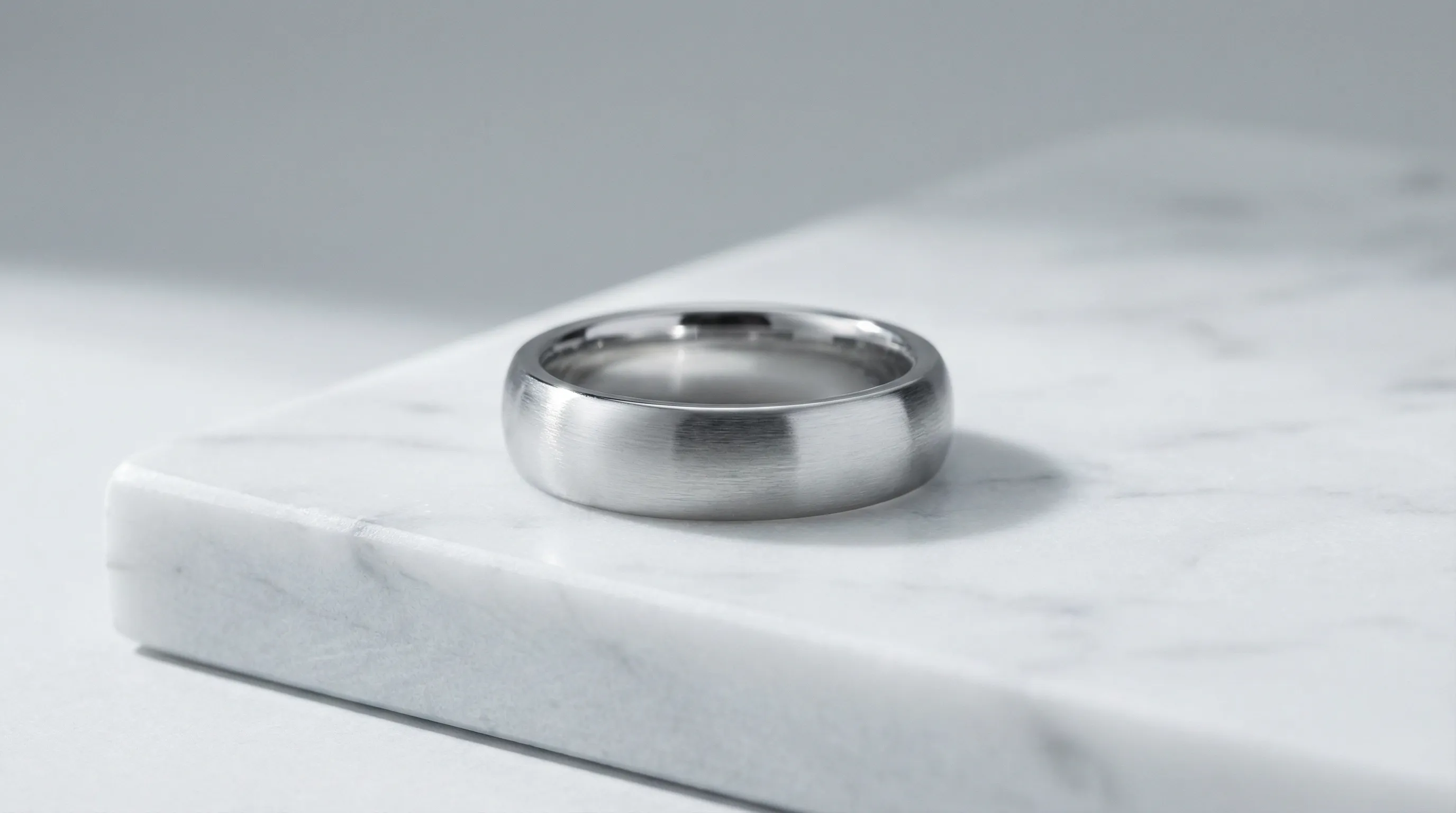

Pros & Cons Comparison
Oura Ring Gen4
Pros
- Best ECG alignment for HRV/RHR
- Subtle 24/7 wearable form factor
Cons
- Monthly subscription required
Whoop 4.0
Pros
- No-screen distraction-free design
- Advanced strain management
Cons
- Subscription-only, no purchase option
Who Should Choose Which?
Oura Ring Gen4
Best For
- Sleep-focused health optimizers who want clinical-grade data in a minimal form factor
- Users who dislike wristbands or bulky watches but want continuous tracking
- Anyone tracking HRV trends for recovery, stress management, or illness detection
- Women using body temperature trends for menstrual cycle tracking
Not Ideal For
- Athletes needing GPS, pace tracking, or detailed workout metrics (a sports watch is better)
- Users who want a screen to check time, messages, or notifications
- Those unwilling to pay $6/month for full analytics beyond basic scores
- People who frequently change ring sizes or dislike wearing rings
Whoop 4.0
Best For
- Athletes training 4+ days per week who want strain-based load management
- Fitness enthusiasts seeking data-driven recovery guidance
- Team sport athletes (Whoop offers team features for coaches)
- Users who want to correlate daily habits with measurable recovery outcomes
Not Ideal For
- Casual users who primarily want step counting or notification display
- Runners and cyclists who need built-in GPS for pace and route tracking
- Budget-conscious users—the $24/month subscription adds up to $288/year
- Sleep-first users (Oura Ring provides more accurate sleep staging)
Evidence Comparison
Oura Ring Gen4
Whoop 4.0
Not sure which is right for you?
Take our personalized wearables assessment to get a tailored recommendation based on your needs and preferences.
Frequently Asked Questions
Common questions about this topic
Related Comparisons
See how these products compare to others in the same category