NOVOS Age vs AgeRate Biological Age Test: Which Is Better in 2026?
The Verdict
For most people the smarter buy is NOVOS Age at $349. It delivers a multi-metric biological-age snapshot (epigenetic clock, telomeres, and a facial skin-age scan) with recommendations attached, at roughly a third of AgeRate's cost. AgeRate runs about $960, and that premium does not buy a better clock; it buys a program. AgeRate wraps a DNA-methylation reading inside an annual membership built around recurring, longitudinal tracking and a more hand-held experience. That is genuinely worth it for the person who knows they will commit to repeat testing and wants structure holding them to it. But if you want a single rigorous methylation reading, neither is the value leader; TruDiagnostic's TruAge is cheaper and more research-grade. So the honest framing: choose NOVOS for an accessible, affordable multi-metric baseline; choose AgeRate only if the membership-style, keep-me-accountable program is the point and you will actually use it. Remember that no biological-age test has been proven to predict how longevity interventions change your lifespan. Track the trend, not the headline number.
How They Compare in Practice
Both lean on DNA-methylation as the backbone of the biological-age estimate, but they package it very differently. NOVOS Age is a multi-metric one-time test: a methylation clock plus telomere length and a facial skin-age scan, blended into a single consumer-friendly readout with longevity recommendations. AgeRate is structured as a longitudinal membership, where the methylation test is the entry point to an ongoing, guided tracking program.
Cost is the sharpest divider:
| NOVOS Age | AgeRate | |
|---|---|---|
| Model | One-time multi-metric test | Annual membership + tracking |
| Approx. price | $349 | $960 |
| Emphasis | Accessible snapshot | Guided longitudinal program |
That roughly $600 gap is not paying for a more accurate clock; both are consumer methylation products, not clinical research assays. AgeRate's spend goes toward the recurring cadence and concierge-style support, while NOVOS spreads its budget across multiple aging signals in one sitting. On experience, NOVOS emphasizes an approachable app and plan tie-in, whereas AgeRate's value hinges entirely on whether you engage with its repeat-testing structure. If you buy AgeRate and don't test again, you've overpaid for a single reading.
Which Should You Choose?
Choose NOVOS Age if you want an affordable, approachable biological-age baseline and like getting several aging signals (methylation, telomeres, skin scan) plus an actionable plan in one purchase.
Choose AgeRate if you know you will commit to recurring testing and want a structured, membership-style program that keeps you tracking over time. The premium only pays off if you use the longitudinal service.
Choose neither if you just want one rigorous methylation reading; a dedicated research-grade epigenetic test will give you more scientific depth for less than AgeRate's price.
Honest tradeoff: the underlying science is still maturing. Consumer biological-age clocks can shift between tests for reasons unrelated to real aging, and none has been shown to prove that a given intervention lengthens your life. Both products are best treated as trend-tracking tools over months and years, not as a definitive verdict on your health from a single number.
Affiliate Disclosure: BetterVitals may earn a commission from purchases made through links in this article, at no additional cost to you. This supports our independent research and analysis. We only recommend products we believe in after thorough evaluation.
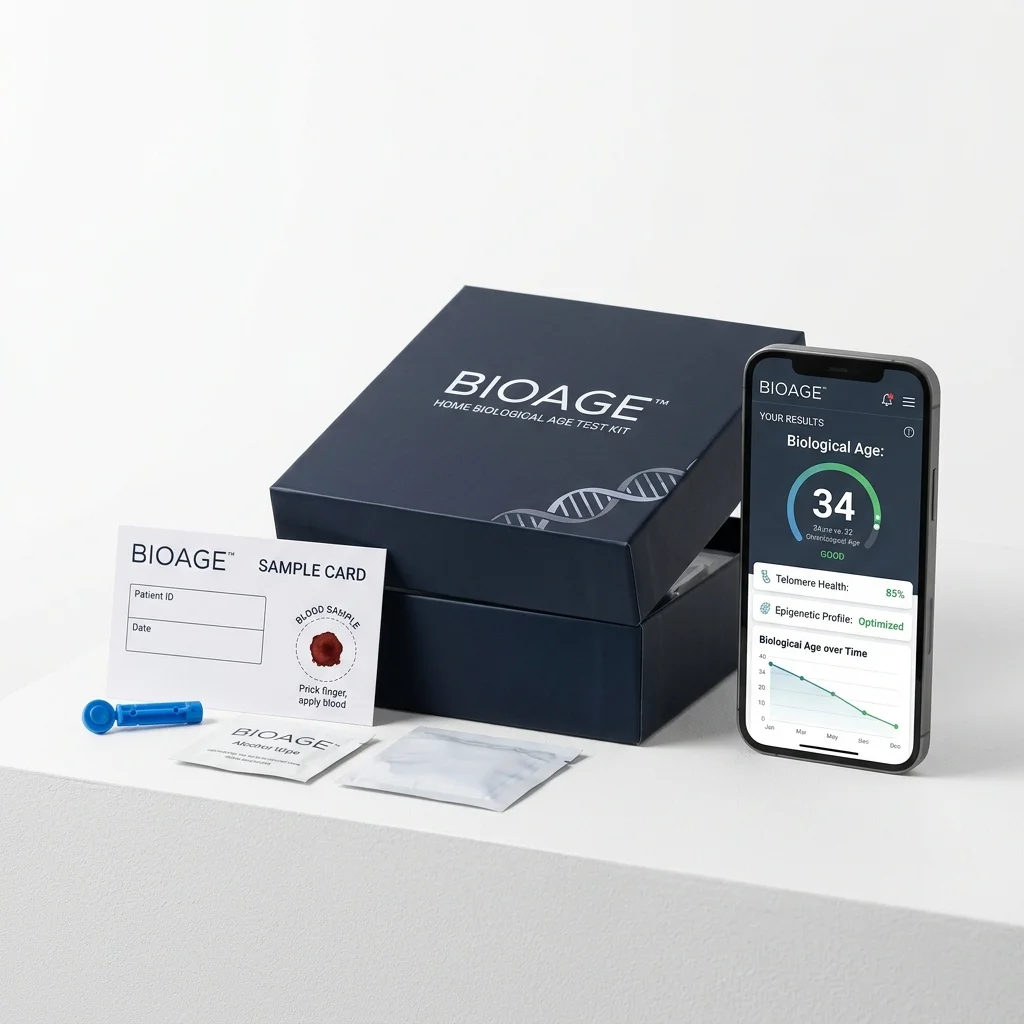

Pros & Cons Comparison
NOVOS Age
Pros
- Combines epigenetic clock, telomere length, and facial skin-age in one kit
- Consumer-friendly experience with clear, approachable reporting
- Results tied directly to actionable longevity recommendations
- Convenient at-home sample collection
- Good fit for tracking a longevity protocol over time
Cons
- Epigenetic clock is less granular than TruDiagnostic's research-grade array
- Consumer epigenetic clocks have notable test-retest variability
- Facial-scan skin-age feature is engaging but the least rigorous metric
- Significant one-time cost (~$349)
- Best-value only if you retest over time to see trends
AgeRate Biological Age Test
Pros
- Longitudinal membership model designed for ongoing aging tracking
- Uses established DNA-methylation epigenetic clock science
- Structured, guided experience with program support
- Good fit for people who want hand-held, recurring monitoring
Cons
- Most expensive option on this list (~$960/year)
- Premium buys the program, not a more accurate clock
- Only pays off if you engage with the recurring testing
- TruDiagnostic TruAge offers more rigor for far less as a single test
- Epigenetic-clock test-retest variability still applies
Who Should Choose Which?
NOVOS Age
Best For
- People who want an approachable, multi-metric biological age snapshot
- Those who value results tied directly to an actionable longevity plan
- Existing NOVOS users wanting to track their protocol's impact over time
- Beginners to biological age testing who want a consumer-friendly experience
Not Ideal For
- People who want the most scientifically rigorous epigenetic clock (see TruAge)
- Anyone who will over-interpret a single number rather than track trends
- Budget buyers — at-home aging tests are a significant one-time cost
- Those wanting clinician-interpreted, research-grade methylation data
AgeRate Biological Age Test
Best For
- People who want a guided, longitudinal biological-age-monitoring program
- Those who will actually commit to and use recurring periodic testing
- Buyers who value a hand-held, structured aging-tracking experience
- Longevity enthusiasts wanting membership-style ongoing support
Not Ideal For
- Anyone who just wants one rigorous biological age reading (TruAge is cheaper)
- Budget-conscious buyers — the most expensive option on this list
- People who won't engage with the longitudinal program
- Those wanting the most research-grade clock rather than a tracking service
Evidence Comparison
NOVOS Age
AgeRate Biological Age Test
Not sure which is right for you?
Take our personalized labs assessment to get a tailored recommendation based on your needs and preferences.
Frequently Asked Questions
Common questions about this topic
Related Comparisons
See how these products compare to others in the same category