Jinfiniti Intracellular NAD Test vs NOVOS Age: Which Is Better in 2026?
The Verdict
These two tests answer different questions, so the right pick depends on what you actually want to learn. Choose the Jinfiniti Intracellular NAD Test ($403) if you are already spending money on an NMN or NR supplement and want proof it is doing anything. It measures NAD+ inside your cells and gives you a target to dose toward, which is the one honest check in a category built largely on faith. Choose NOVOS Age ($349) if your question is broader: how is my body aging overall? It bundles a DNA-methylation clock, telomere length, and a facial skin-age scan into an approachable snapshot tied to a longevity plan. Neither test proves any intervention extends your life; human healthspan outcomes remain unproven across this category. But as feedback tools they serve distinct purposes: Jinfiniti verifies a single, specific biochemical lever, while NOVOS gives you a wider, more consumer-friendly aging picture. If you take NAD+ precursors, Jinfiniti is the more logical companion. If you want a general baseline, NOVOS is the friendlier entry point.
How They Compare in Practice
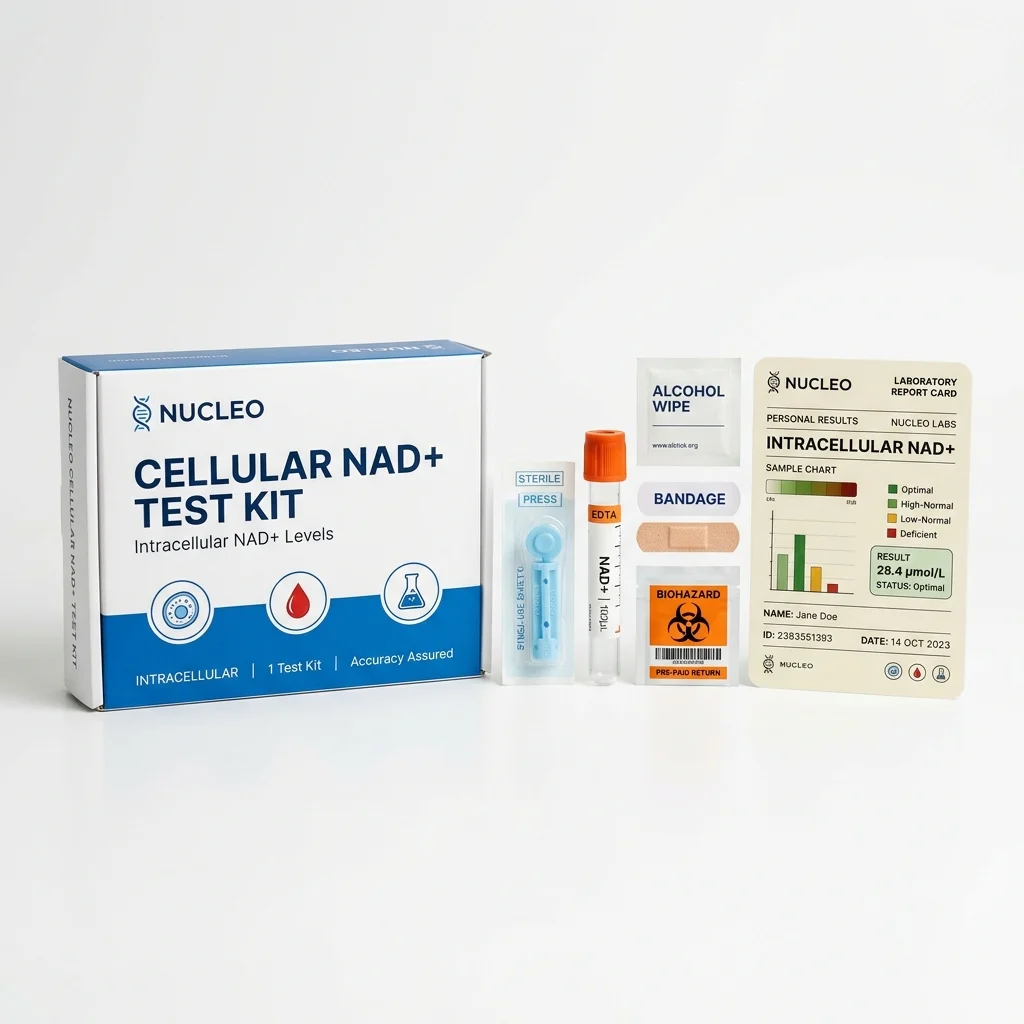
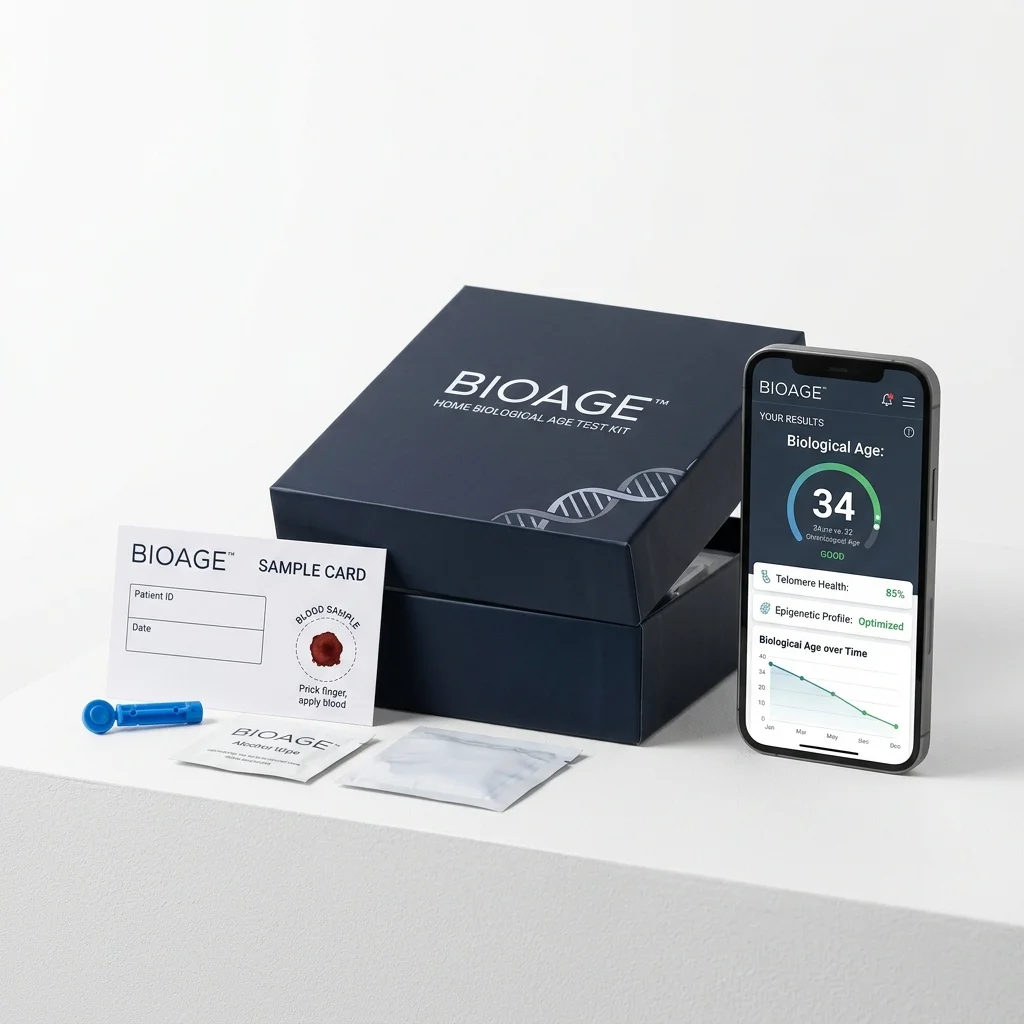
The core difference is what each test measures. Jinfiniti reports your intracellular NAD+ level from a blood sample, a direct biochemical readout rather than an age estimate. NOVOS Age instead combines three aging proxies: an epigenetic (DNA-methylation) clock, telomere length, and a facial-scan skin-age reading, blended into a biological-age snapshot.
On cost, Jinfiniti runs about $403 per test versus NOVOS at roughly $349. Neither is cheap, and both are really designed for a baseline-then-retest rhythm rather than a one-off, which is where the per-test price starts to bite.
| Jinfiniti NAD Test | NOVOS Age | |
|---|---|---|
| Measures | Intracellular NAD+ | Epigenetic clock + telomeres + skin scan |
| Best paired with | An NMN/NR protocol | A general longevity plan |
| Approx. price | $403 | $349 |
A fair caveat: Jinfiniti's NAD+ assay is newer and less standardized than routine lab panels, so treat single readings as directional. NOVOS leans into an app-and-ecosystem experience with recommendations attached, which beginners tend to find more digestible than raw biomarker output. For either, the value comes from tracking the trend across repeat tests, not from any one number.
Which Should You Choose?
Choose the Jinfiniti NAD Test if you are actively taking, or about to start, an NMN or NR supplement and want to confirm it actually raised your NAD+ into a useful range. It is the measure-don't-guess tool for precursor users.
Choose NOVOS Age if you want a broad, beginner-friendly biological-age baseline and value having results tied to a concrete longevity plan, rather than a single biochemical number.
Consider neither yet if you won't change behavior based on the result. Both cost real money per test, and a reading you won't act on is just an expensive number.
Honest tradeoff: these are feedback instruments, not treatments. The science linking either NAD+ levels or biological-age scores to longer, healthier human lives is still emerging, so use them to track your own trend over time rather than as a scoreboard or a promise. If budget forces one, match the test to the question you most want answered.
Affiliate Disclosure: BetterVitals may earn a commission from purchases made through links in this article, at no additional cost to you. This supports our independent research and analysis. We only recommend products we believe in after thorough evaluation.
Pros & Cons Comparison
Jinfiniti Intracellular NAD Test
Pros
- Directly verifies whether your NAD+ supplement is actually working
- Measures intracellular NAD+ — the metric that matters most
- Enables a baseline → intervene → re-test optimization loop
- From a company that publishes on NAD+ and aging biomarkers
- At-home finger-prick collection, no clinic visit
Cons
- Expensive per test (~$400), limiting retesting frequency
- NAD+ testing is newer and less standardized than routine labs
- Only valuable if you act on the results
- Absolute numbers should be interpreted cautiously vs your own trend
- Pointless unless you take or plan to take NAD+ precursors
NOVOS Age
Pros
- Combines epigenetic clock, telomere length, and facial skin-age in one kit
- Consumer-friendly experience with clear, approachable reporting
- Results tied directly to actionable longevity recommendations
- Convenient at-home sample collection
- Good fit for tracking a longevity protocol over time
Cons
- Epigenetic clock is less granular than TruDiagnostic's research-grade array
- Consumer epigenetic clocks have notable test-retest variability
- Facial-scan skin-age feature is engaging but the least rigorous metric
- Significant one-time cost (~$349)
- Best-value only if you retest over time to see trends
Who Should Choose Which?
Jinfiniti Intracellular NAD Test
Best For
- Anyone spending real money on NMN or NR who wants to verify it works
- Methodical optimizers who want to dial in their NAD+ dose to a target
- People establishing a baseline before starting a NAD+ precursor
- Biohackers who prefer measured data over faith-based supplementation
Not Ideal For
- Casual users who won't act on the results
- Budget buyers — ~$400 per test limits retesting frequency
- People who expect the precision and standardization of routine lab panels
- Anyone not taking (or planning to take) NAD+ precursors
NOVOS Age
Best For
- People who want an approachable, multi-metric biological age snapshot
- Those who value results tied directly to an actionable longevity plan
- Existing NOVOS users wanting to track their protocol's impact over time
- Beginners to biological age testing who want a consumer-friendly experience
Not Ideal For
- People who want the most scientifically rigorous epigenetic clock (see TruAge)
- Anyone who will over-interpret a single number rather than track trends
- Budget buyers — at-home aging tests are a significant one-time cost
- Those wanting clinician-interpreted, research-grade methylation data
Evidence Comparison
Jinfiniti Intracellular NAD Test
NOVOS Age
Not sure which is right for you?
Take our personalized labs assessment to get a tailored recommendation based on your needs and preferences.
Frequently Asked Questions
Common questions about this topic
Related Comparisons
See how these products compare to others in the same category