Eight Sleep Pod 4 vs Eight Sleep Pod 5: Which Is Better in 2026?
The Verdict
Let's be upfront: these are successive generations of the same product, not competitors, so the real question is whether the Pod 5's improvements justify its $600 premium ($3,295 versus $2,695, before the required subscription pushes first-year costs past $3,580 and $2,980 respectively).
For most buyers, our answer is no — the Pod 4 remains the smarter purchase. It delivers the core experience that defines the category: dual-zone active cooling across a 55–110°F range, wearable-free biometric tracking, and AI-driven temperature autopilot. The Pod 5's upgrades — a Hub that runs about 40% quieter, faster thermal response (around 8 minutes), and improved sensor accuracy — are genuine refinements, but they polish an experience rather than transform it.
The exception is noise sensitivity. If the sound of a bedside Hub would keep you up, the Pod 5's quieter operation is worth paying for, and buyers who want the current flagship with the longest support runway have a defensible case too. Current Pod 4 owners should almost certainly stay put.
How They Compare in Practice
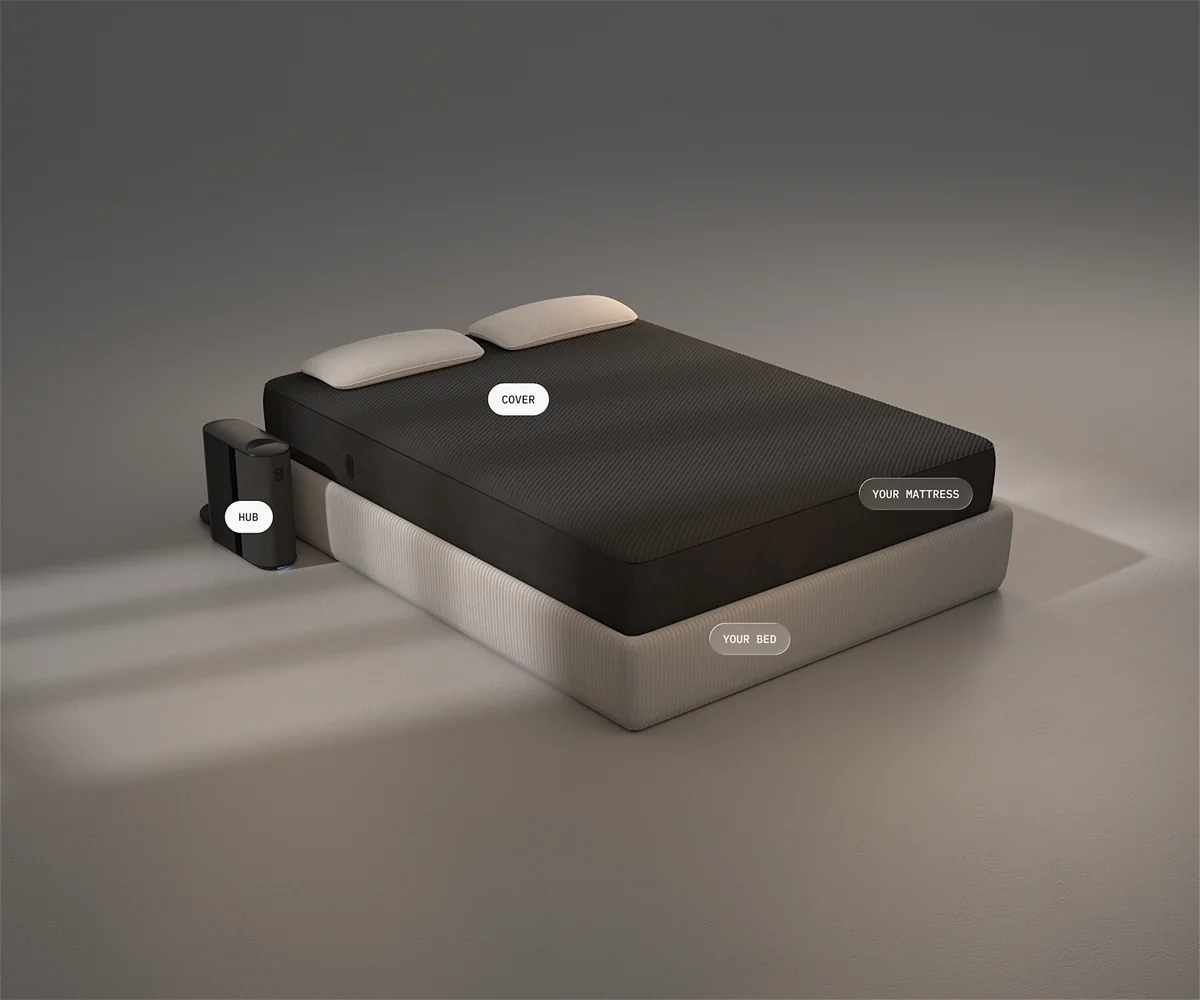
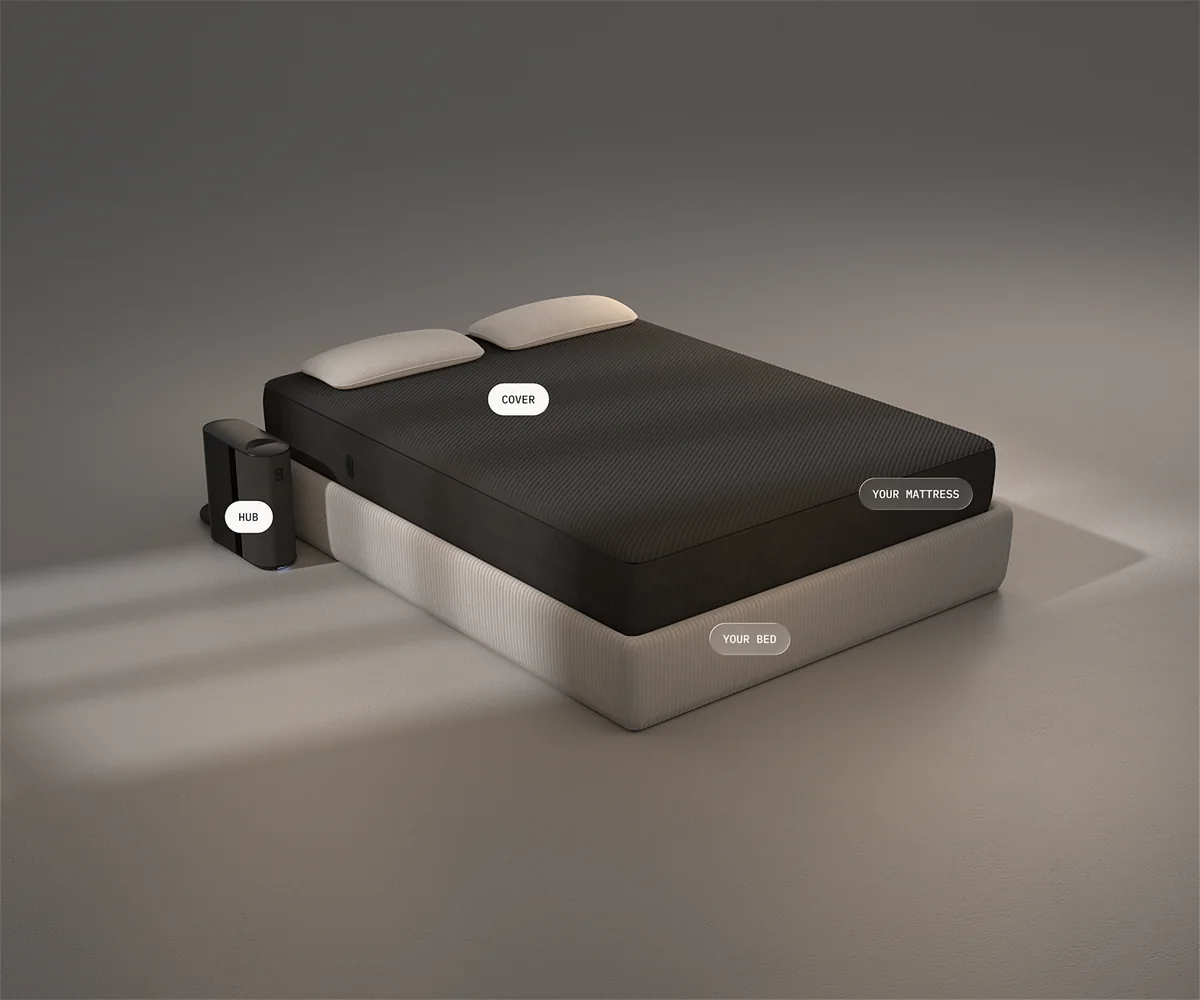
Because the Pod 5 is an iteration on the Pod 4, daily life with either system is more alike than different: a water-circulating mattress cover, a bedside Hub that heats and chills that water, dual-zone control so partners set independent temperatures, and sleep tracking with no wearable required. Both depend on a subscription for the smart features, which is a philosophical sticking point for some buyers regardless of generation.
The generational differences show up in three places. First, noise: the Hub is the system's one persistent daily-life compromise, and Eight Sleep's roughly 40% quieter Pod 5 Hub directly targets the most common complaint about the Pod 4. Second, thermal response — the Pod 5 reaches target temperatures faster (on the order of 8 minutes), which matters most at bedtime and during mid-night adjustments. Third, sensor accuracy, where the Pod 5's improvements should make its wearable-free sleep staging and biometric trends somewhat more trustworthy, though both generations are trend trackers rather than clinical devices.
| Pod 4 | Pod 5 | |
|---|---|---|
| Price | $2,695 | $3,295 |
| First-year total (with subscription) | $2,980+ | $3,580+ |
| Hub noise | Audible | ~40% quieter |
| Thermal response | Standard | Faster (~8 min) |
Neither is silent, and neither makes sense for someone who only occasionally runs warm.
Which Should You Choose?
Choose the Pod 4 if you want the best value in active bed cooling. It shares the defining features — dual-zone 55–110°F control, wearable-free tracking, AI autopilot — and the $600 you save covers most of a year's subscription. This is our pick for most first-time buyers.
Choose the Pod 5 if you are noise-sensitive and the Hub's sound would genuinely affect your sleep, or if you are buying new at the top of the market and want the latest hardware, fastest thermal response, and best sensors with the longest likely support life.
Stay with your Pod 4 if you already own one. Eight Sleep's own positioning concedes the improvements are incremental, and an upgrade is hard to justify for a satisfied owner.
Skip both if you are budget-conscious or only occasionally sleep hot — first-year costs approach $3,000–3,600, and a simpler cooling mattress pad solves mild cases for far less. Severe hot sleepers and couples with clashing temperature preferences are the people for whom either Pod is genuinely worth it.
Affiliate Disclosure: BetterVitals may earn a commission from purchases made through links in this article, at no additional cost to you. This supports our independent research and analysis. We only recommend products we believe in after thorough evaluation.
Pros & Cons Comparison
Eight Sleep Pod 4
Pros
- Dual-zone cooling with clinical-grade sensors
- 99% sleep tracking accuracy claims
Cons
- High upfront cost plus subscription
Eight Sleep Pod 5
Pros
- Enhanced AI temperature algorithms
- Improved biometric sensors
Cons
- Premium price for incremental upgrades
Who Should Choose Which?
Eight Sleep Pod 4
Best For
- Severe hot sleepers who wake up sweating multiple times per week
- Couples with different temperature preferences (dual-zone control)
- Data-driven sleepers who want biometric tracking without wearing a device
- Biohackers seeking AI-optimized sleep stage temperature control
Not Ideal For
- Budget-conscious buyers—total first-year cost exceeds $2,980
- Sleepers who prefer a completely silent bedroom
- Those who only occasionally run warm (simpler solutions may suffice)
- People uncomfortable with subscription-based hardware features
Eight Sleep Pod 5
Best For
- New buyers looking for the best-in-class active cooling sleep system
- Noise-sensitive sleepers who found the Pod 4's Hub too loud
- Couples with different temperature needs (dual-zone)
- Biohackers who want the most precise non-wearable sleep tracking
Not Ideal For
- Current Pod 4 owners satisfied with their setup—the improvements are incremental
- Budget-conscious buyers—total first-year cost exceeds $3,580
- Those who only need basic cooling without smart features (ChiliPad is far cheaper)
- People opposed to subscription-based hardware
Evidence Comparison
Eight Sleep Pod 4
Eight Sleep Pod 5
No evidence data available
Not sure which is right for you?
Take our personalized sleep assessment to get a tailored recommendation based on your needs and preferences.
Frequently Asked Questions
Common questions about this topic
Related Comparisons
See how these products compare to others in the same category